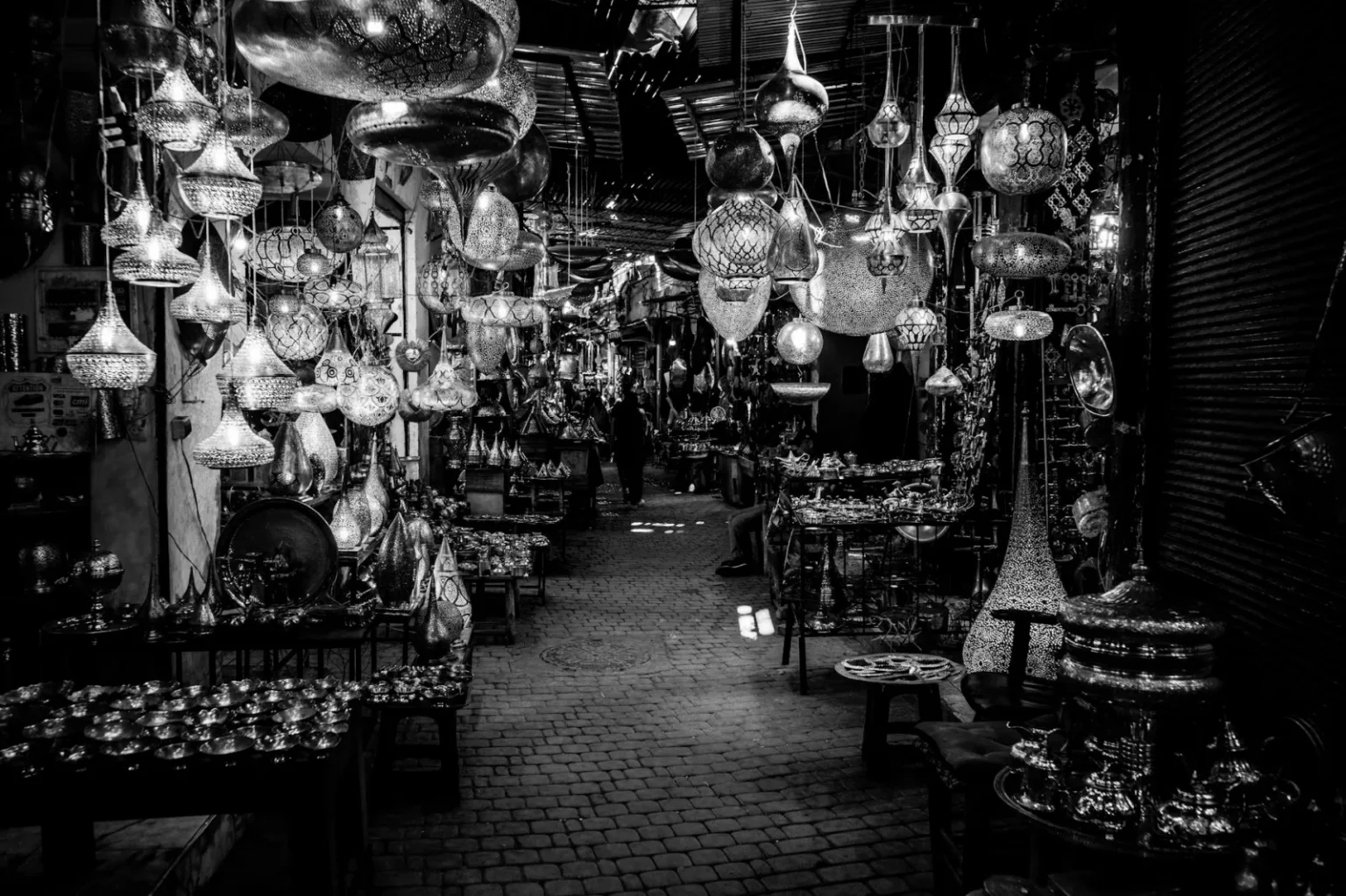
When you visit Egypt, experiencing the vibrant atmosphere of Egyptian souks is a must. These local markets are not just shopping venues; they are cultural hubs where you can engage with history, artisans, and the daily life of Egyptians. Souks vary widely in what they offer—from spices and textiles to handcrafted jewelry and souvenirs. Understanding this unique shopping environment will help you navigate the maze effectively and make the most of your experience.
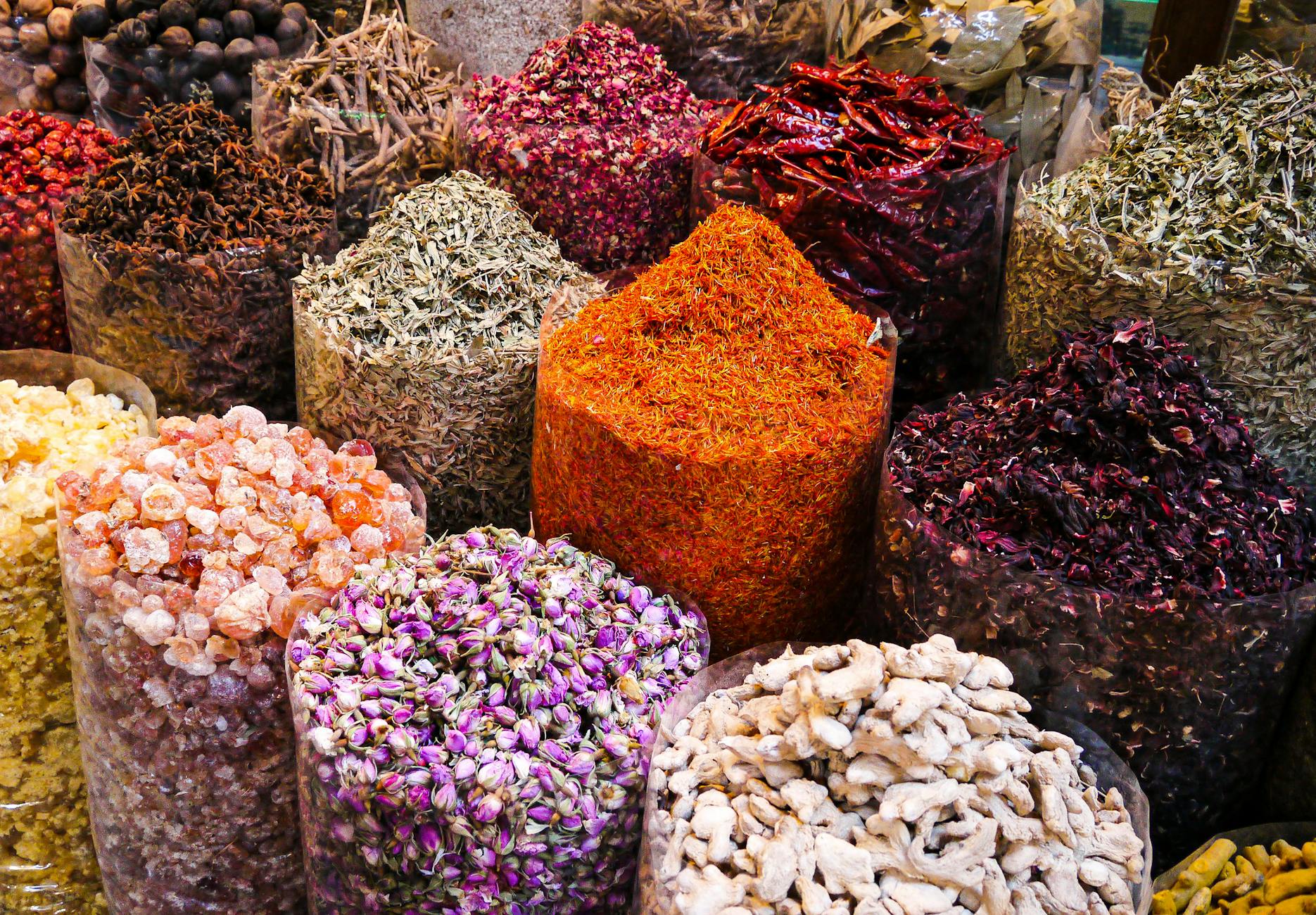
Before diving into the bustling world of Egyptian souks, it’s essential to know what to anticipate. Expect sensory overload: the vibrant colors of textiles, the fragrant aromas of spices, and the sounds of haggling merchants fill the air. Each souk has its distinct character. For example, Khan El Khalili in Cairo is famous for its historic charm and array of handicrafts, while Luxor’s bazaars focus more on traditional souvenirs.
2. Essential Shopping Tips
To make your shopping experience enjoyable, here are some practical shopping tips:
2.1 Bargaining is Expected
In Egyptian souks, bargaining is not just common; it’s expected. Sellers typically start with inflated prices, so it’s important to negotiate. Start by offering about half of the initial price and work your way up to a mutually agreeable amount. This process can be fun and interactive, allowing you to engage with the seller and learn more about the items.
2.2 Do Your Research
Understanding the value of items you wish to buy will empower you during negotiations. For instance, if you’re interested in buying handcrafted jewelry, familiarize yourself with common styles and materials. This knowledge will help you identify genuine products versus lower-quality imitations.
2.3 Bring Cash
While some vendors may accept credit cards, cash is preferred in most souks. Small denominations are particularly useful as they allow you to pay exact amounts without needing change. It also gives you an advantage when bargaining, as sellers are more likely to offer discounts for cash transactions.
📷 Vincent Tan – Pexels
3. Explore Different Souks
Each souk offers a unique experience, so it’s worthwhile to visit a few:
3.1 Khan El Khalili, Cairo
This iconic bazaar is known for its rich history and variety of goods. You can find everything from spices and perfumes to textiles and handcrafted items. Important note: be wary of vendors selling mass-produced items that are not authentically Egyptian.
3.2 Aswan Souk
Aswan’s local market is smaller but offers a more intimate shopping experience. You’ll find beautiful handmade crafts, particularly items made from local materials such as pottery and leather. Here, you can interact more closely with artisans and understand their craftsmanship.
3.3 Luxor Bazaar
Famous for its souvenirs, Luxor’s bazaar is a great place to shop for papyrus, scarabs, and other Egyptian-style decorations. Again, remember that not all items are locally made. Always ask vendors about the origin of their products.
Shopping in Egyptian souks is an experience steeped in local customs. Here are some cultural norms to keep in mind:
4.1 Respectful Communication
Engaging with sellers in a respectful manner can enhance your shopping experience. Use phrases like “Shukran” (thank you) and “As-salamu alaykum” (peace be upon you) to create rapport. Sellers appreciate it when you make an effort to speak a few words of Arabic.
4.2 Understanding Personal Space
Egyptians are known for their warm hospitality, but personal space can vary significantly from Western norms. Be prepared for close interactions and understand that vendors may be persistent in trying to engage you. A friendly smile and firm “no thank you” usually suffice.
📷 sl wong – Pexels
5. Avoiding Common Mistakes
First-time shoppers often face several pitfalls. Here are some common mistakes to avoid:
5.1 Falling for Tourist Traps
While exploring the souks, be cautious of shops that seem overly flashy or pushy. Many items in these places may be overpriced or not authentically made in Egypt. Always ask about the product’s origin and quality.
5.2 Ignoring Local Etiquette
When shopping, avoid loud voices or aggressive behavior. Remember that you are in a public space where local customs apply. Maintaining a calm demeanor can make negotiations smoother and more enjoyable.
5.3 Not Comparing Prices
Don’t settle for the first price you encounter. Walk around and compare prices at different stalls. This strategy gives you leverage when negotiating and helps you find the best deals.
6. Enjoy the Experience
Shopping at Egyptian souks should be fun and immersive. Take your time to explore the intricate details of each stall and engage with the vendors. Ask questions about their crafts, their stories, and the history behind their goods. This not only enriches your understanding but may also lead to better deals.
7. Key Takeaways
As you prepare for your shopping adventure in the Egyptian souks, remember these key points:
Engage in bargaining; it’s part of the culture.
Do your research on products and prices.
Cash is king; bring small bills.
Explore multiple souks for unique finds.
Be respectful and engage with local customs.
Avoid tourist traps by asking about product origins.
In conclusion, navigating the maze of Egyptian souks can be an exhilarating experience, filled with opportunities to connect with local culture and artisans. Approach each market with an open mind, and you’ll leave with not just souvenirs but also memories of an authentic Egyptian experience.
📷 AXP Photography – Pexels
الأسئلة الشائعة
What are Egyptian souks?
Egyptian souks are local markets where you can find a variety of goods, including handcrafted items, spices, and textiles.
How do I negotiate prices in Egyptian souks?
Start by offering half of the initial price and work your way up. Bargaining is expected and part of the shopping culture.
What should I bring when visiting Egyptian souks?
It’s best to bring cash, preferably small denominations, as many vendors prefer cash transactions.
Are all items in Egyptian souks authentically made in Egypt?
No, about 60% of items may not be made in Egypt. Always ask about the origin of products.
What cultural norms should I be aware of when shopping?
Engage with respect, use basic Arabic phrases, and understand that personal space may differ from Western norms.
How can I avoid tourist traps in the souks?
Be cautious of overly flashy shops and always ask about the quality and origin of products before purchasing.