Jet lag, a common occurrence for travelers crossing multiple time zones, disrupts your body’s internal clock. When you travel, your body struggles to adjust to the new time zone, leading to fatigue, insomnia, and other symptoms. Understanding how time zones work is crucial to mitigating these effects.
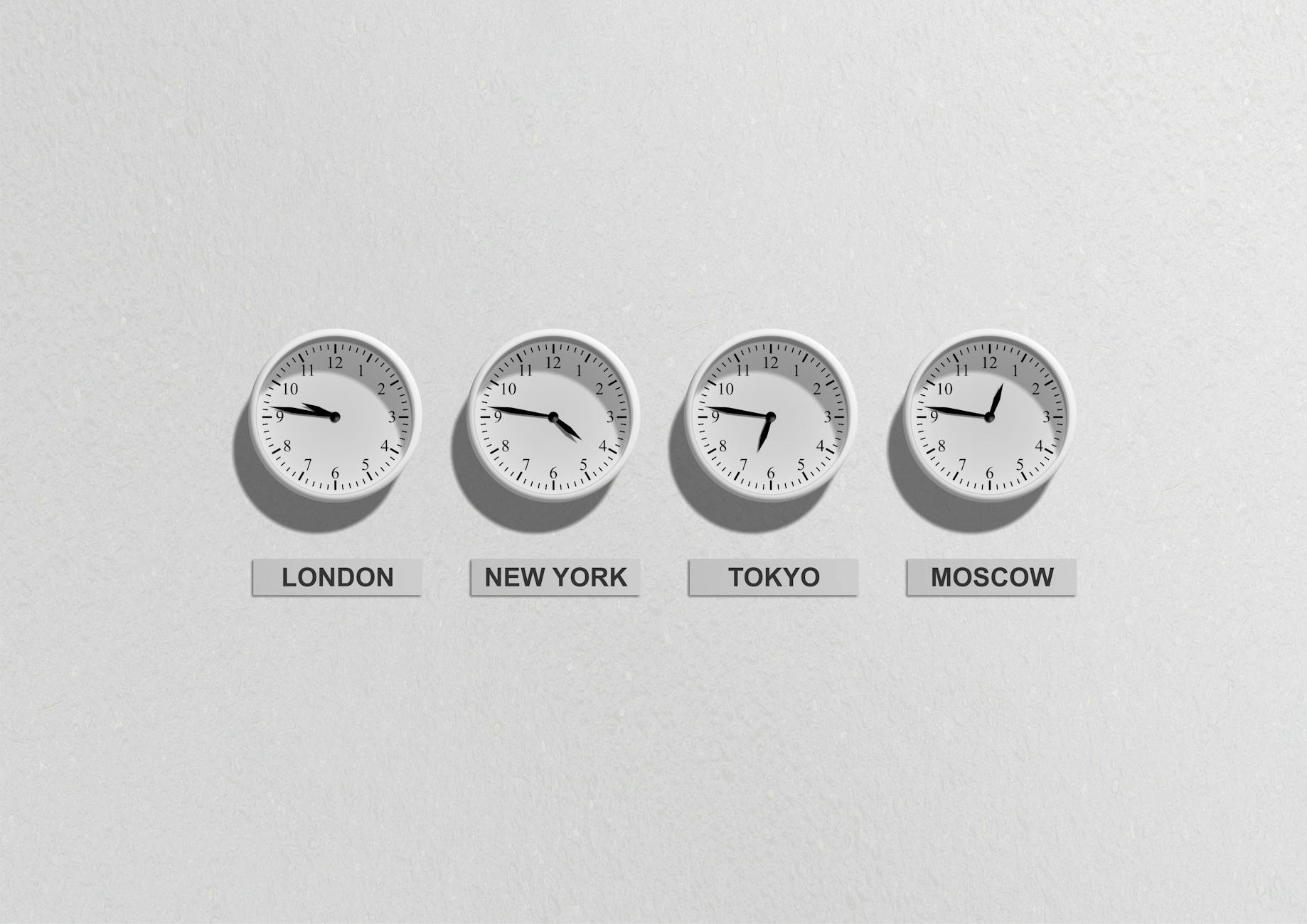
Time zones are regions of the Earth that have the same standard time. They are primarily defined by the difference in hours from Coordinated Universal Time (UTC). For example, UTC-5 means the local time is five hours behind UTC. This system was established to help synchronize activities across different regions.
Why Time Zones Matter
When you travel, your internal body clock, known as your circadian rhythm, can be significantly affected. This rhythm regulates sleep-wake cycles, hormone release, and other bodily functions. Crossing time zones can cause a mismatch between your internal clock and the external environment, resulting in jet lag.
Common Symptoms of Jet Lag
Jet lag manifests in various ways, including:
Fatigue and sleepiness during the day
Difficulty falling asleep at night
Digestive issues
Difficulty concentrating
Understanding these symptoms can help you recognize when you are experiencing jet lag, allowing you to address it effectively.
Strategies to Combat Jet Lag
To overcome fatigue and adjust to new time zones more easily, consider the following strategies:
📷 Pixabay – Pexels
1. Adjust Your Schedule Before Traveling
Start shifting your sleep and meal times a few days before your departure. If you’re traveling east, go to bed and wake up 30 minutes earlier each day. Conversely, if you’re heading west, gradually adjust to a later schedule. This pre-travel adjustment can help your body acclimate to the new time zone more smoothly.
2. Stay Hydrated During Your Flight
Airplane cabins are often dry, which can worsen the effects of jet lag. Drink plenty of water during your flight and avoid caffeine and alcohol, which can lead to dehydration. Keeping hydrated helps maintain your energy levels and can ease symptoms of fatigue.
3. Use Light to Your Advantage
Light exposure plays a significant role in regulating your circadian rhythm. Upon arrival, seek natural light to help reset your internal clock. If you’re traveling east, try to get morning sunlight; if you’re going west, seek light in the late afternoon. This exposure helps signal to your body when it’s time to be awake or asleep.
4. Consider Melatonin Supplements
Melatonin, a hormone that regulates sleep, can be beneficial in adjusting your sleep schedule. Taking melatonin supplements a few hours before your intended bedtime in the new time zone may help you fall asleep more easily. However, consult with a healthcare provider before using melatonin.
5. Plan Arrival Activities Wisely
After arriving at your destination, avoid demanding tasks for the first day. Instead, opt for light activities, such as walking or gentle sightseeing. This approach allows your body to adjust gradually without overwhelming yourself.
6. Get Adequate Rest
Once you arrive, prioritize sleep. Try to stay awake until the local bedtime, even if you’re tired. Taking short naps (20-30 minutes) can help refresh you but avoid long naps that can disrupt your ability to sleep at night.
📷 Necati Ömer Karpuzoğlu – Pexels
Important Tips and Warnings
Important note:Everyone experiences jet lag differently. Some might adjust quickly, while others take longer. Be patient with your body as it adapts.
Warning: If you find your symptoms persist for several days or worsen, consider consulting a healthcare professional.
Let’s understand this with a simple example. If you’re traveling from New York (UTC-5) to London (UTC+0), you’re crossing a five-hour time difference. If you typically sleep at 11 PM in New York, your body will struggle to adjust to a 6 AM bedtime in London. By gradually shifting your bedtime earlier before your trip, you’re helping your body prepare for this change.
📷 Tima Miroshnichenko – Pexels
Key Takeaways
In summary, understanding time zones and how they affect your body is essential for overcoming jet lag. By adjusting your schedule, staying hydrated, using light exposure, considering melatonin, and pacing your activities upon arrival, you can significantly enhance your travel experience.
Frequently Asked Questions
What is the main cause of jet lag?
Jet lag occurs when your internal body clock is out of sync with the destination time zone due to crossing multiple time zones.
How long does jet lag last?
The duration of jet lag varies by individual and the number of time zones crossed, typically lasting from a few days to over a week.
Can I prevent jet lag entirely?
While you may not be able to prevent jet lag completely, following the strategies outlined can significantly reduce its severity.
Is it safe to take melatonin for jet lag?
Melatonin is generally considered safe for short-term use, but consult a healthcare provider for personalized recommendations.
What should I avoid when traveling to prevent jet lag?
Avoid excessive caffeine and alcohol, as they can worsen dehydration and disrupt your sleep cycle.
Can light therapy help with jet lag?
Yes, exposure to bright light at the right times can help shift your circadian rhythm and minimize jet lag effects.
FAQ
What is the main cause of jet lag?
Jet lag occurs when your internal body clock is out of sync with the destination time zone due to crossing multiple time zones.
How long does jet lag last?
The duration of jet lag varies by individual and the number of time zones crossed, typically lasting from a few days to over a week.
Can I prevent jet lag entirely?
While you may not be able to prevent jet lag completely, following the strategies outlined can significantly reduce its severity.
Is it safe to take melatonin for jet lag?
Melatonin is generally considered safe for short-term use, but consult a healthcare provider for personalized recommendations.
What should I avoid when traveling to prevent jet lag?
Avoid excessive caffeine and alcohol, as they can worsen dehydration and disrupt your sleep cycle.
Can light therapy help with jet lag?
Yes, exposure to bright light at the right times can help shift your circadian rhythm and minimize jet lag effects.