




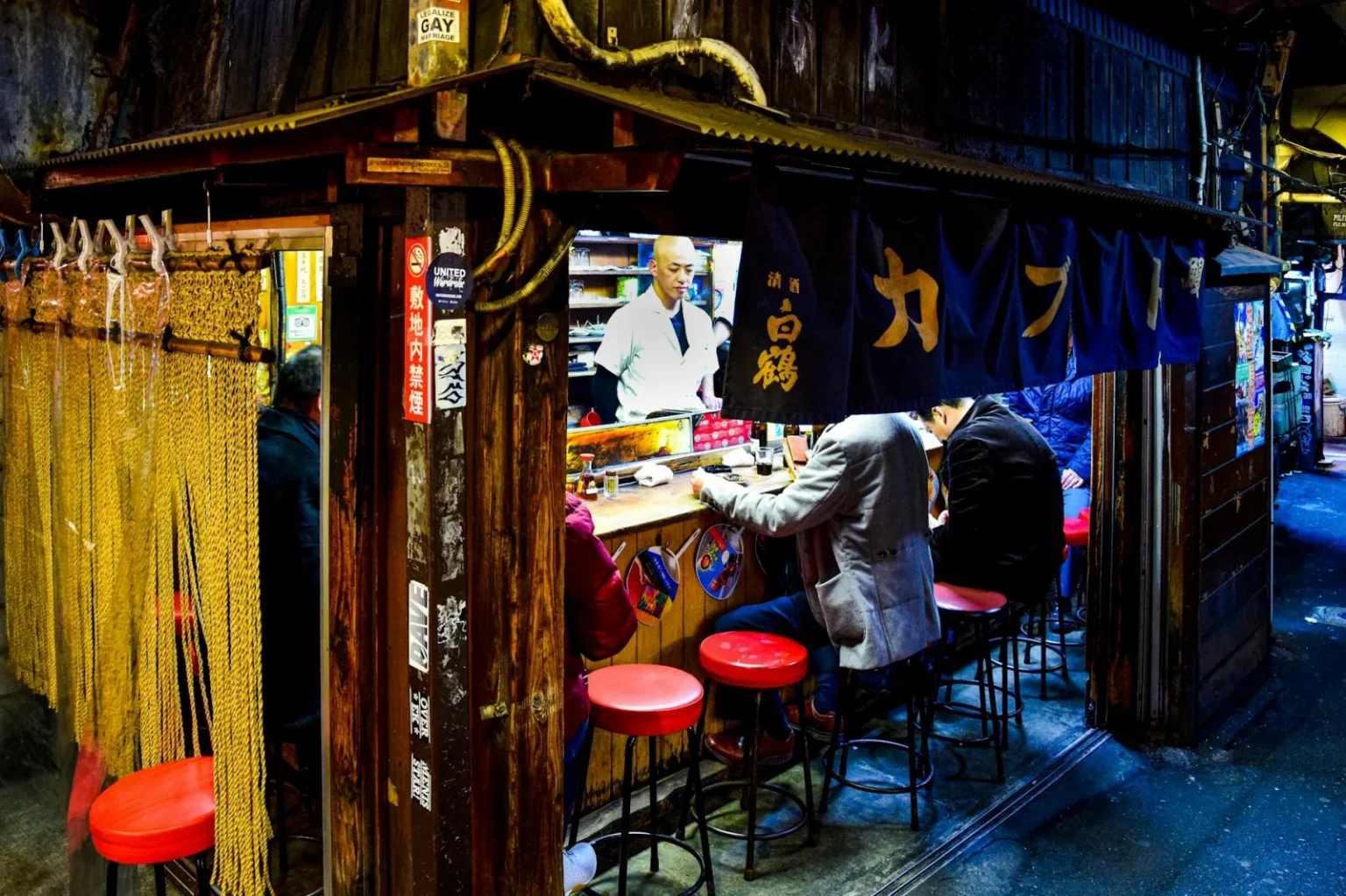

Understanding Local Experiences
Local experiences refer to activities and interactions that immerse you in the culture, traditions, and daily life of a destination. Unlike standard tourist attractions, these experiences allow you to connect with locals and view the place through their eyes. Finding such hidden gems can significantly enhance your travel experience, making it more memorable and enriching.
Why Seek Local Experiences?
Engaging in local experiences can transform your trip from a series of photo ops to a deeper understanding of the culture. These experiences:
- Foster Cultural Immersion: You learn about local customs, traditions, and lifestyles, which can lead to personal growth.
- Support Local Economies: By engaging with local businesses and artisans, your spending contributes directly to the community.
- Create Unique Memories: Authentic experiences often lead to unforgettable moments, like cooking with a local family or participating in a traditional festival.
Step 1: Research Before You Go
The first step in uncovering local experiences is thorough research. Start by:
- Reading Local Blogs: Many bloggers share hidden gems and personal stories about their local experiences. Look for blogs specific to the destination you plan to visit.
- Utilizing Social Media: Platforms like Instagram and TikTok can provide real-time insights into local experiences. Search for hashtags like #LocalExperiences or #[CityName]Local to discover unique activities.
- Checking Review Sites: Websites like TripAdvisor or Yelp can help you find experiences with positive reviews emphasizing cultural immersion.
Important note: When researching, be mindful of the sources. Always cross-reference the information you find to ensure reliability.
Step 2: Connect with Locals
Once you arrive at your destination, connecting directly with locals can lead to authentic experiences. Here are some practical approaches:
- Join Local Facebook Groups: Many cities have active travel groups where locals share their recommendations and experiences.
- Ask Your Hosts: Whether at a hotel, Airbnb, or hostel, ask your hosts about their favorite local spots. They often know the best places to go that are off the typical tourist trail.
- Hire Local Guides: Independent guides can offer personalized experiences tailored to your interests. They often have a wealth of knowledge about the history and culture of their city.
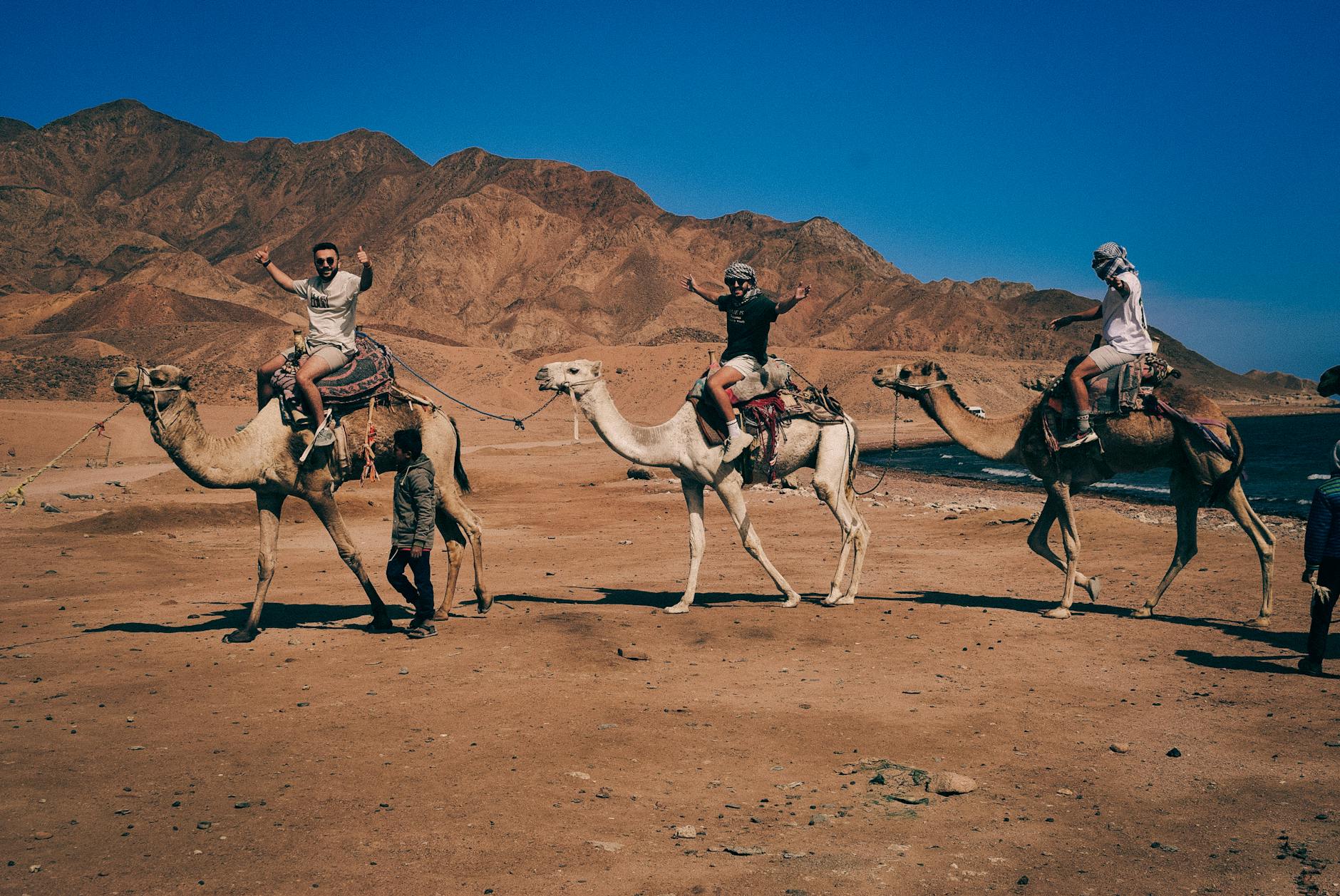
Step 3: Explore Beyond the Main Attractions
While famous landmarks have their appeal, venturing beyond them can lead you to hidden gems. Consider these tips:
- Visit Neighborhoods: Explore residential areas where locals live. These neighborhoods often have unique shops, cafes, and street art that aren’t featured in traditional guides.
- Participate in Local Events: Look for festivals, markets, or cultural events happening during your visit. They offer a fantastic opportunity to engage with the local community.
- Use Local Apps: Apps like Meetup can connect you with community events and gatherings that align with your interests.
Step 4: Embrace Local Cuisine
Cuisine is a significant aspect of any culture. To find authentic food experiences:
- Take a Cooking Class: Many local chefs offer classes where you can learn to prepare traditional dishes. This not only teaches you about the food but also gives insight into local customs.
- Eat Where the Locals Eat: Avoid restaurants that cater primarily to tourists. Instead, seek out eateries that are filled with locals, which often serve the best food.
- Visit Food Markets: Local markets often showcase regional specialties. Engaging with vendors can provide insight into local ingredients and culinary traditions.
For a deeper dive into regional cuisines, check out our guide on navigating Egypt’s culinary heritage.
Step 5: Be Open to New Experiences
A crucial aspect of finding local experiences is maintaining an open mind. Here’s how to cultivate that mindset:
- Be Curious: Ask questions and show genuine interest in the lives of locals. This can lead to unexpected opportunities and interactions.
- Step Out of Your Comfort Zone: Try activities that may seem unfamiliar, like participating in a local sport or attending a community gathering.
- Be Respectful: Always approach local customs and traditions with respect. This not only enriches your experience but also fosters goodwill with the community.
Step 6: Document Your Experiences
Finally, documenting your local experiences can enhance your engagement and help you reflect on your journey:
- Keep a Travel Journal: Write about your experiences, thoughts, and feelings. This can help solidify the memories and lessons learned.
- Take Photos Mindfully: Capture moments that resonate with you but remember to ask for permission when photographing people.
- Share Your Experiences: Consider sharing your journey on social media or travel blogs to inspire others to seek local experiences.
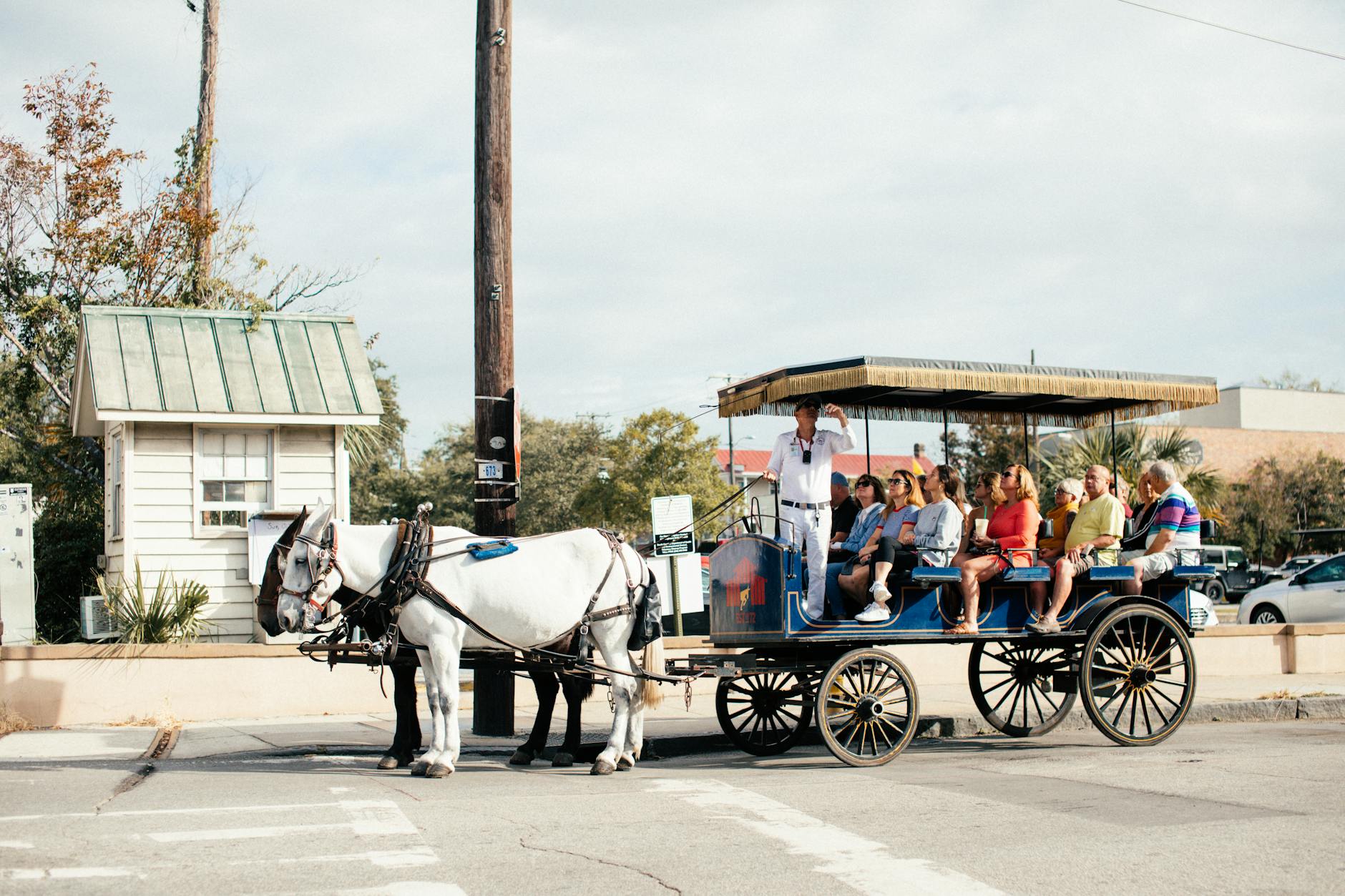
Conclusion: Embrace the Journey
Finding local experiences beyond the tourist trail enriches your travel journey. It allows you to connect deeply with the culture, traditions, and people of your destination. By researching, connecting with locals, exploring beyond main attractions, embracing local cuisine, and being open to new experiences, you’ll create lasting memories and possibly even friendships along the way. Remember, travel is not just about the destination but the experiences you gather on the journey.
FAQs
- What are local experiences? Local experiences involve engaging with the culture, traditions, and daily life of a destination, often through interactions with locals.
- How can I find hidden gems while traveling? Research local blogs, use social media, ask locals, and explore neighborhoods off the beaten path.
- Why is it important to support local economies? Supporting local economies helps communities thrive and preserves cultural heritage, ensuring that your travel dollars benefit the people of the area.
- What are some examples of local experiences? Examples include cooking classes, local festivals, artisan workshops, and guided tours by locals.
- How can I ensure that my experiences are authentic? Look for experiences that are highly rated by locals, engage with community members, and choose activities that reflect the local culture.