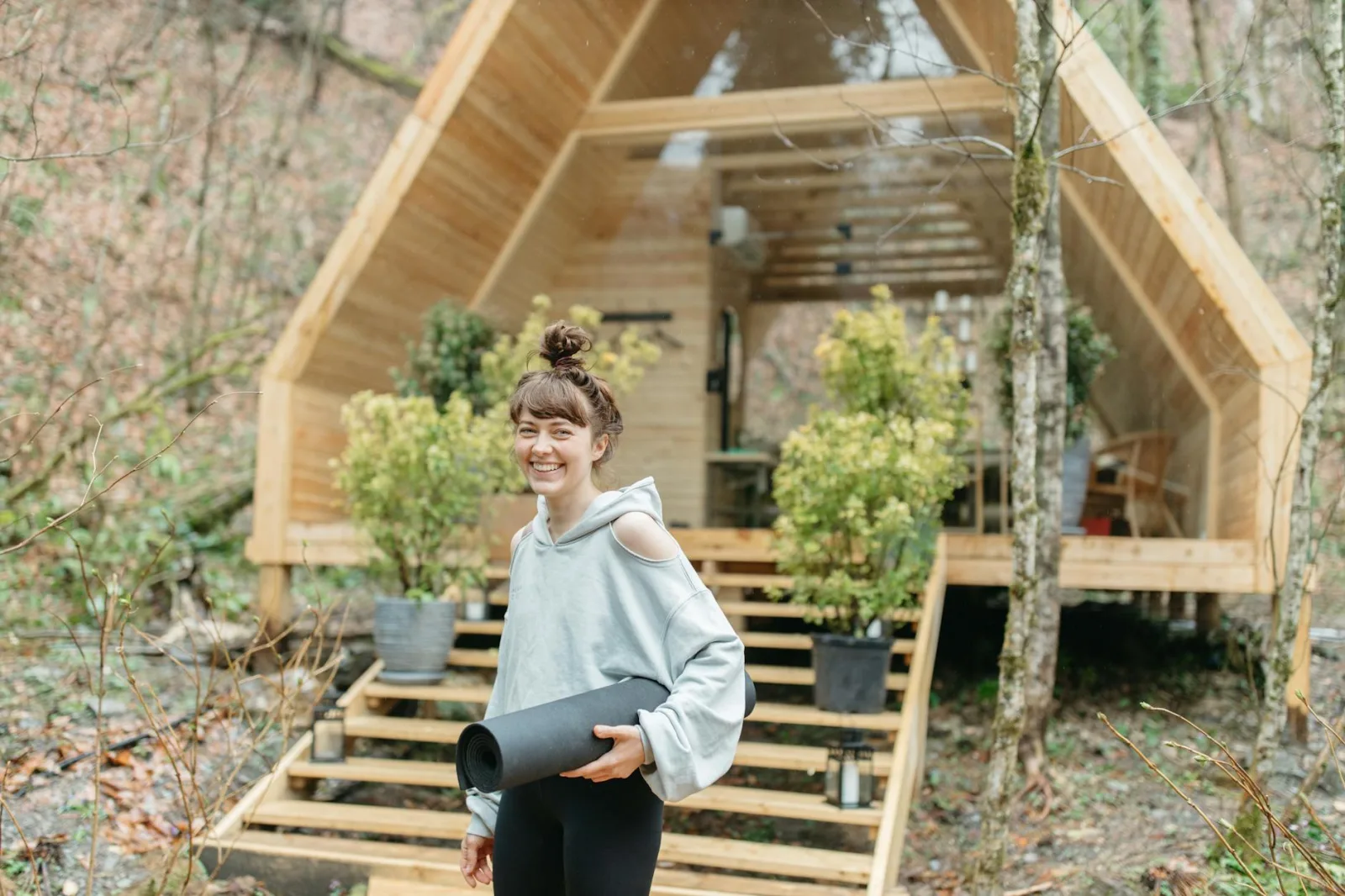
Revitalize Your Mind and Body: Weekend Wellness Retreats
By
Share
Understanding Wellness Retreats
Wellness retreats are designed to help you step away from the hustle and bustle of everyday life to focus on your mental and physical health. These retreats typically last for a short period, often a weekend, providing structured activities aimed at rejuvenating your mind and body. They can include yoga, meditation, healthy meals, and nature walks, all set in tranquil environments that promote relaxation and reflection.
Choosing a weekend wellness getaway can offer substantial benefits. You may be wondering why two days can make a difference. The key lies in the focused time away from daily distractions and responsibilities. A short retreat allows you to reset your mind, reduce stress, and reconnect with yourself in a meaningful way.
📷 Anastasia Shuraeva – Pexels
1. Planning Your Weekend Wellness Retreat
Before diving into a wellness retreat, it’s essential to plan effectively. Here’s a step-by-step guide:
Identify Your Goals: Consider what you hope to achieve during your retreat. Do you want to relax, learn new wellness practices, or perhaps focus on nutrition? Defining your goals will help you choose the right retreat.
Research Locations: Look for retreats that cater to your specific needs. For instance, if you’re interested in yoga, search for places known for their yoga programs. Websites like [Eco-Conscious Weekend Getaways](https://triphush.com/eco-conscious-weekend-getaways/) can help you find sustainable options.
Check Reviews: Read testimonials from previous attendees to gauge the quality of the retreat. Positive feedback can indicate a well-organized experience.
Consider Duration: While weekend retreats are usually two days, you can find options ranging from one day to longer stays. Ensure that it fits within your schedule.
Budget Wisely: Understand the costs involved. This includes lodging, meals, and activities. Set a budget that allows for a stress-free experience.
2. Essential Activities for Rejuvenation
During your wellness retreat, engaging in specific activities can significantly enhance your rejuvenation:
Yoga and Meditation: These practices help calm the mind and improve flexibility. Many retreats offer classes tailored for all levels, making it accessible whether you are a beginner or experienced practitioner.
Nourishing Meals: Expect healthy, wholesome meals that focus on nutrition. Meals prepared with fresh, local ingredients can boost your energy and promote wellness.
Nature Walks: Spending time outdoors has numerous benefits, including reducing stress and improving mood. Choose a retreat that incorporates hiking or nature walks into the schedule.
Workshops: Look for retreats that provide workshops on mindfulness, stress management, or nutrition. These sessions can offer valuable tools to take home.
3. The Role of Environment in Wellness Retreats
The environment plays a critical role in the effectiveness of a wellness retreat. Natural settings, such as mountains, beaches, or forests, can enhance relaxation. Being surrounded by nature lowers stress levels and promotes a sense of peace. Consider retreats located in serene, natural environments that allow for digital detox, as highlighted in [Destinations for a Digital Detox](https://triphush.com/destinations-for-a-digital-detox/).
📷 Sergey Torbik – Pexels
4. Tips for Making the Most of Your Retreat
To maximize your experience during a wellness retreat, follow these practical tips:
Stay Open-Minded: Approach the retreat with an open heart and willingness to try new activities. You might discover practices that you enjoy and want to incorporate into your daily life.
Limit Screen Time: Try to minimize your use of phones and other devices. This will help you fully immerse yourself in the experience and connect with others.
Engage with Others: Don’t hesitate to interact with fellow participants. Sharing experiences and insights can enrich your journey and create lasting connections.
Reflect Daily: Spend a few moments each day to journal or reflect on your experiences. This can enhance your understanding of what you’re learning and help you internalize it.
5. Post-Retreat Integration
After returning from your retreat, it’s crucial to integrate what you’ve learned into your daily life. Here’s how:
Set Realistic Goals: Identify one or two practices you want to incorporate into your routine. For instance, you might decide to continue daily meditation or a specific exercise routine.
Create a Supportive Environment: Make adjustments at home to support your wellness journey. This could include designating a quiet space for meditation or stocking up on healthy snacks.
Stay Connected: If you made connections during the retreat, consider reaching out to maintain those relationships. Having a support system can help you stay committed to your wellness goals.
Schedule Regular Check-Ins: Plan regular “mini-retreats” for yourself at home. These could be as simple as a weekend dedicated to relaxation and self-care.
📷 Andrea Piacquadio – Pexels
6. Exploring Unique Retreat Options
In addition to traditional wellness retreats, consider exploring unique options that may align better with your interests. For example, some retreats focus on specific themes such as art therapy, writing, or even culinary experiences. The article on [The Hidden Retreats](https://triphush.com/hidden-retreats-secret-getaways/) offers insights into lesser-known retreats that can provide a unique experience.
Conclusion
Weekend wellness retreats offer a valuable opportunity to revitalize your mind and body in a short amount of time. By planning effectively, engaging in rejuvenating activities, and integrating what you learn back into your daily life, you can create a meaningful experience that promotes lasting well-being. Remember, the goal is not only to escape but to return home feeling refreshed and equipped with tools to enhance your everyday life.
Key Takeaways
Weekend wellness retreats are an excellent way to recharge without a long commitment.
Planning and setting clear goals are crucial steps for a successful retreat.
Engage in activities like yoga, meditation, and nature walks for maximum rejuvenation.
Creating a supportive environment post-retreat helps in sustaining the benefits gained during the getaway.