Navigating Cultural Sensitivities: A Traveler’s Guide to Respectful Interaction
By
Share
Understanding Cultural Sensitivities
Cultural sensitivities refer to the awareness and respect for the cultural norms and practices of different communities. As a traveler, you have the unique opportunity to immerse yourself in diverse cultures. However, doing so requires a mindful approach to avoid offending locals and to foster meaningful interactions. Understanding this concept is key to enhancing your travel experience and ensuring positive engagement with the communities you visit.
Firstly, it’s crucial to research the local customs of your destination. This includes understanding appropriate dress codes, social behaviors, and communication styles. For example, in Japan, bowing is a common greeting, while in some Middle Eastern cultures, direct eye contact may be considered disrespectful. By familiarizing yourself with these customs beforehand, you prepare yourself for respectful interactions.
Practical Tip:
Use resources like guidebooks, travel blogs, and local tourism websites to gather information. Websites like [ViaVii](https://viavii.com/blog/cultural-sensitivity-a-travelers-guide-to-learning-and-respecting-local-customs-and-cultures) provide insights into cultural norms that can be invaluable.
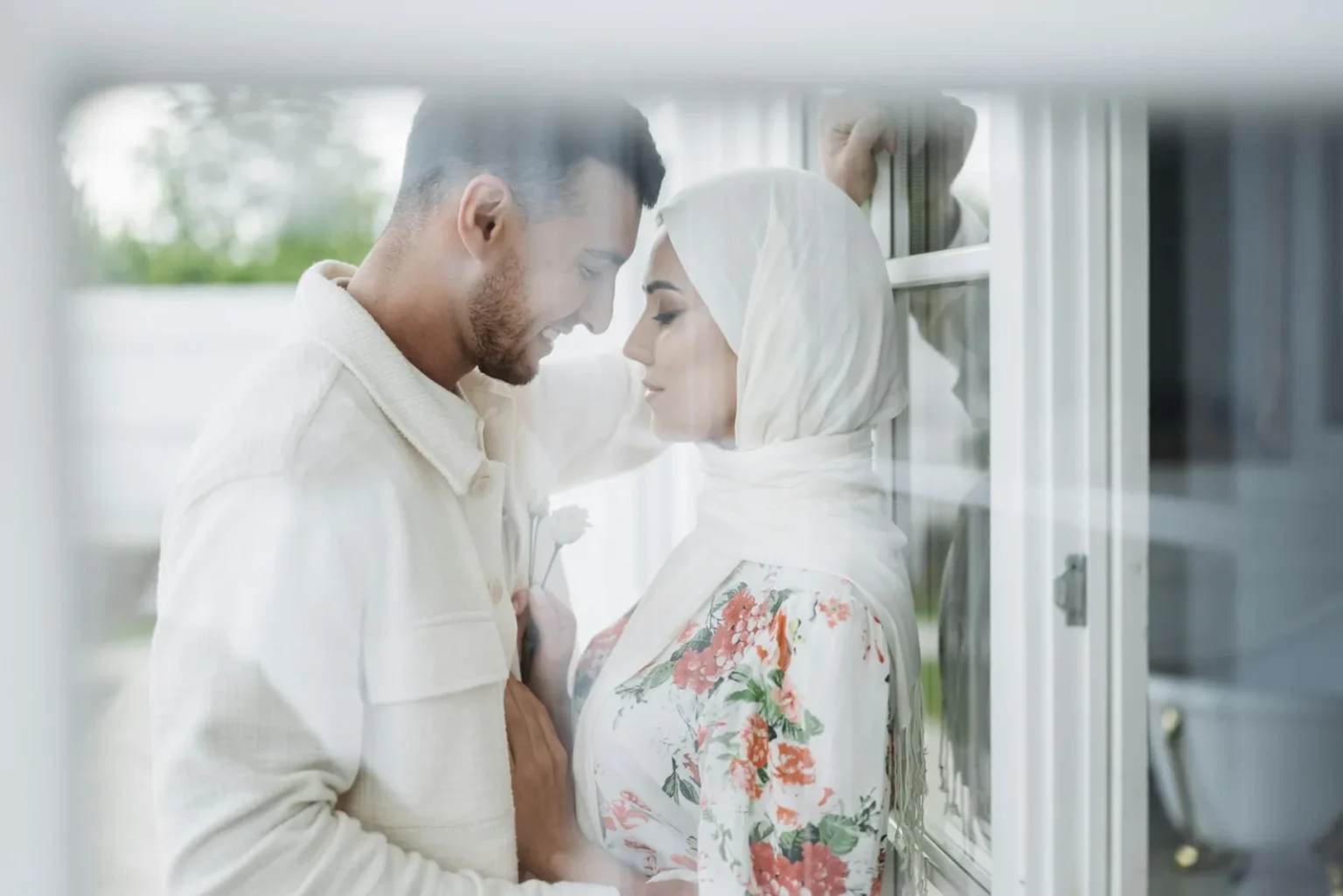
📷 RDNE Stock project – Pexels
Step 2: Observe Local Behaviors
Once you arrive at your destination, take time to observe how locals interact. Pay attention to their gestures, body language, and social dynamics. This observation helps you adapt your behavior accordingly. For instance, if you notice people are using less physical touch in a greeting, it’s wise to follow suit.
Common Mistake:
A frequent error travelers make is assuming that their cultural norms apply universally. Each culture has its own unwritten rules; observing local practices will help you navigate these differences effectively.
Step 3: Learn Basic Local Language
Learning a few phrases in the local language can significantly enhance your interactions. Simple greetings or expressions of gratitude—such as “hello” or “thank you”—can show respect and willingness to engage. Locals often appreciate the effort, even if your pronunciation isn’t perfect.
Pro Tip:
Use language learning apps or phrasebooks to familiarize yourself with essential phrases. This small effort can break down barriers and create a connection with the community.
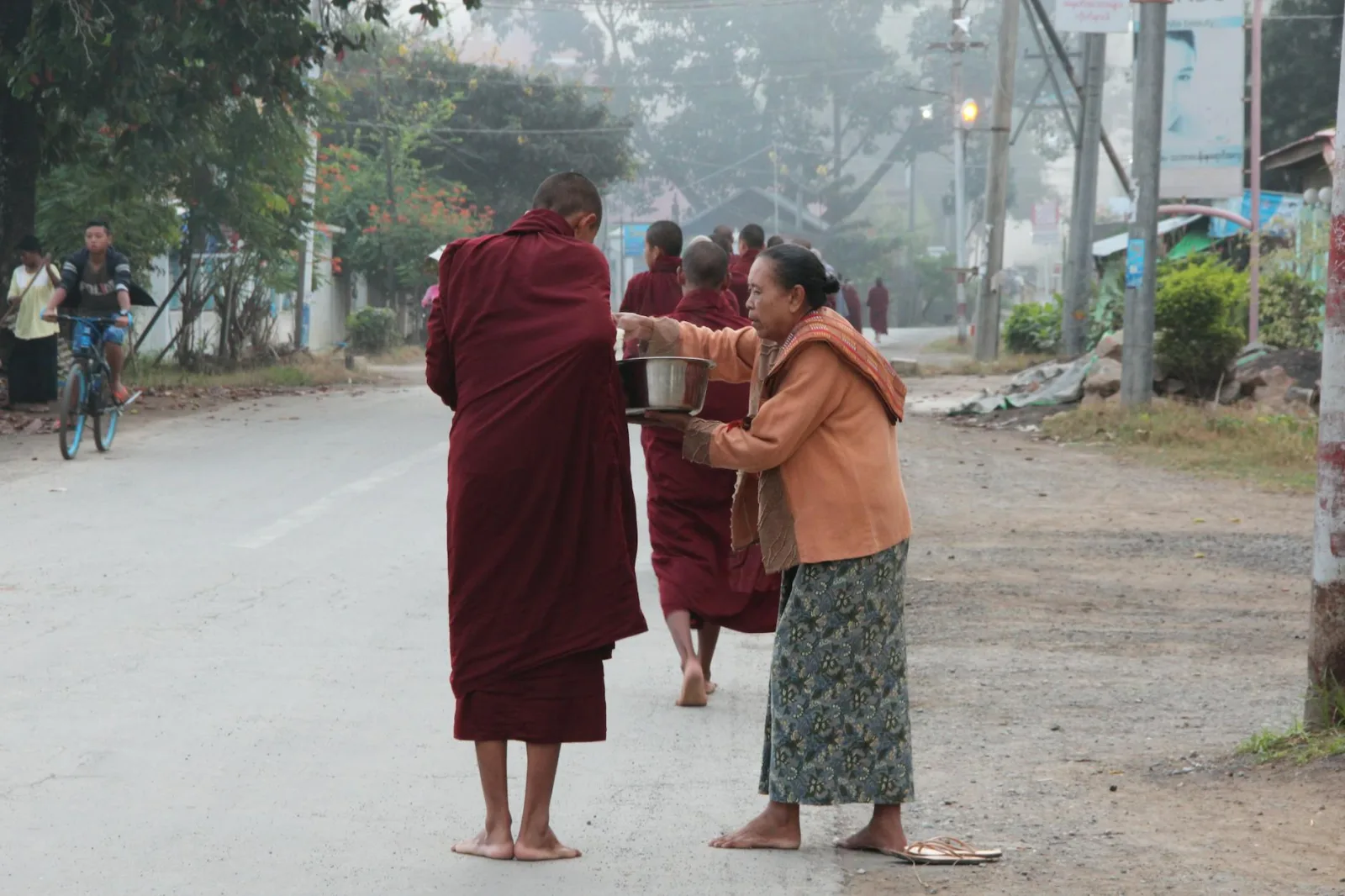
📷 Jue – – Pexels
Step 4: Dress Appropriately
Respecting local dress codes is another vital aspect of cultural sensitivity. Research what is considered appropriate attire in various settings, especially in religious or conservative areas. For example, when visiting temples in Thailand, it’s customary to wear clothing that covers your shoulders and knees.
Important Note:
When in doubt, observe how locals dress and follow their lead. Adhering to local dress codes demonstrates your respect for their culture and traditions.
Step 5: Engage with Locals Mindfully
When engaging with locals, approach conversations with curiosity and openness. Ask questions about their culture, traditions, or daily life. This not only enriches your travel experience but also shows that you value their perspective.
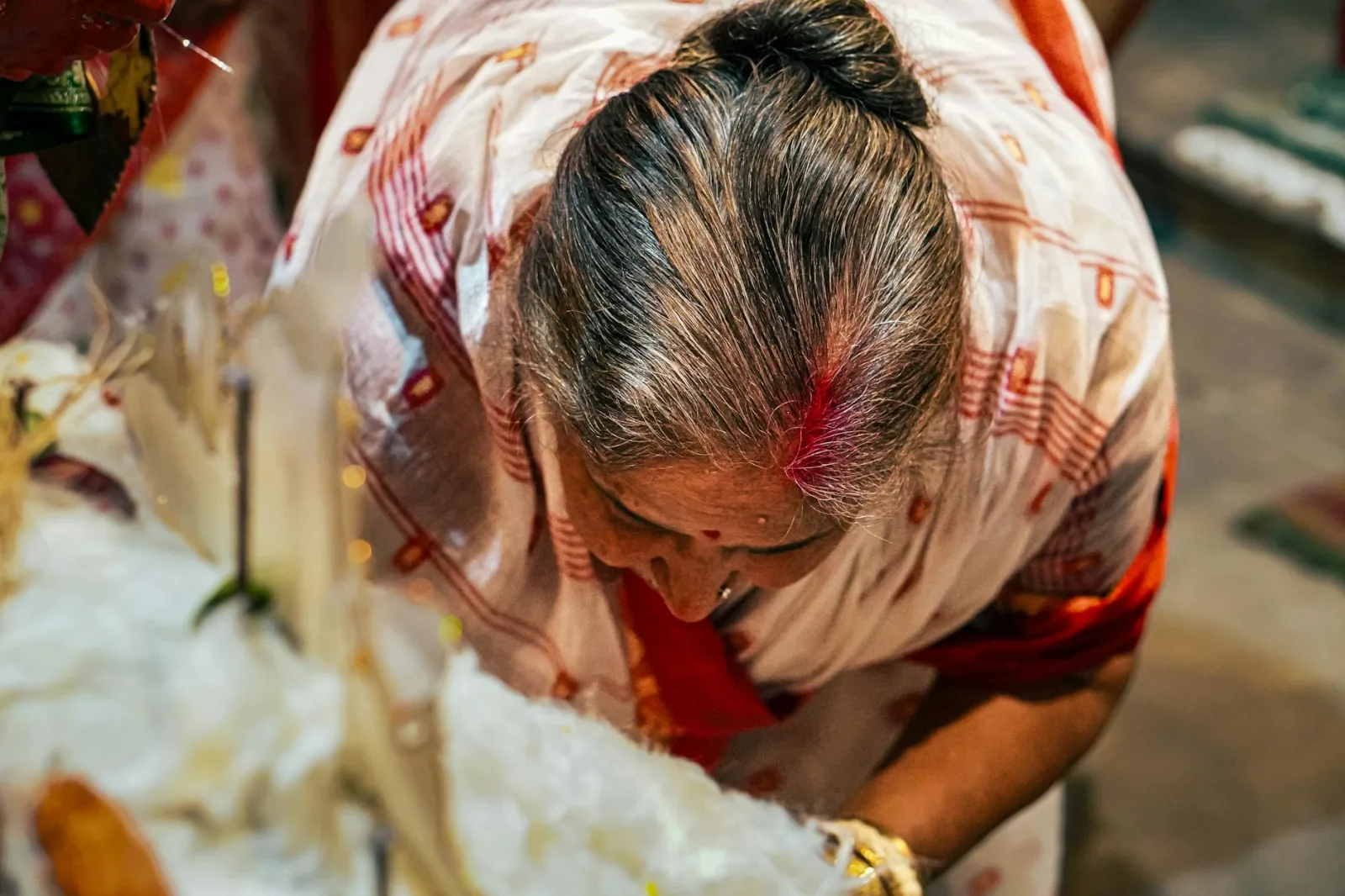
📷 Trishik Bose – Pexels
Example:
If you’re invited to a local ceremony or event, ask the host about its significance. This shows genuine interest and respect for their customs.
Step 6: Be Aware of Non-Verbal Communication
Non-verbal cues can vary significantly across cultures. For instance, while a thumbs-up gesture is seen as positive in many Western cultures, it can be offensive in parts of the Middle East. Understanding these differences is crucial to avoiding miscommunication.
Warning:
Be mindful of your body language and facial expressions. What may seem harmless to you could be interpreted differently by locals.
Conclusion: Embrace Respectful Travel
Navigating cultural sensitivities is essential for fostering respectful interactions during your travels. By researching local customs, observing behaviors, learning the language, dressing appropriately, engaging mindfully, and being aware of non-verbal communication, you can significantly enhance your travel experience while respecting the cultures you encounter.
In summary, as you plan your next trip, remember these key takeaways:
Do your homework on local customs.
Observe before acting.
Learn basic phrases to communicate.
Dress suitably for the context.
Engage with locals respectfully.
Be aware of non-verbal cues.
For more tips on creating meaningful travel experiences, consider reading about cultural immersion and how to connect with locals.