





Understanding Egypt’s Local Markets
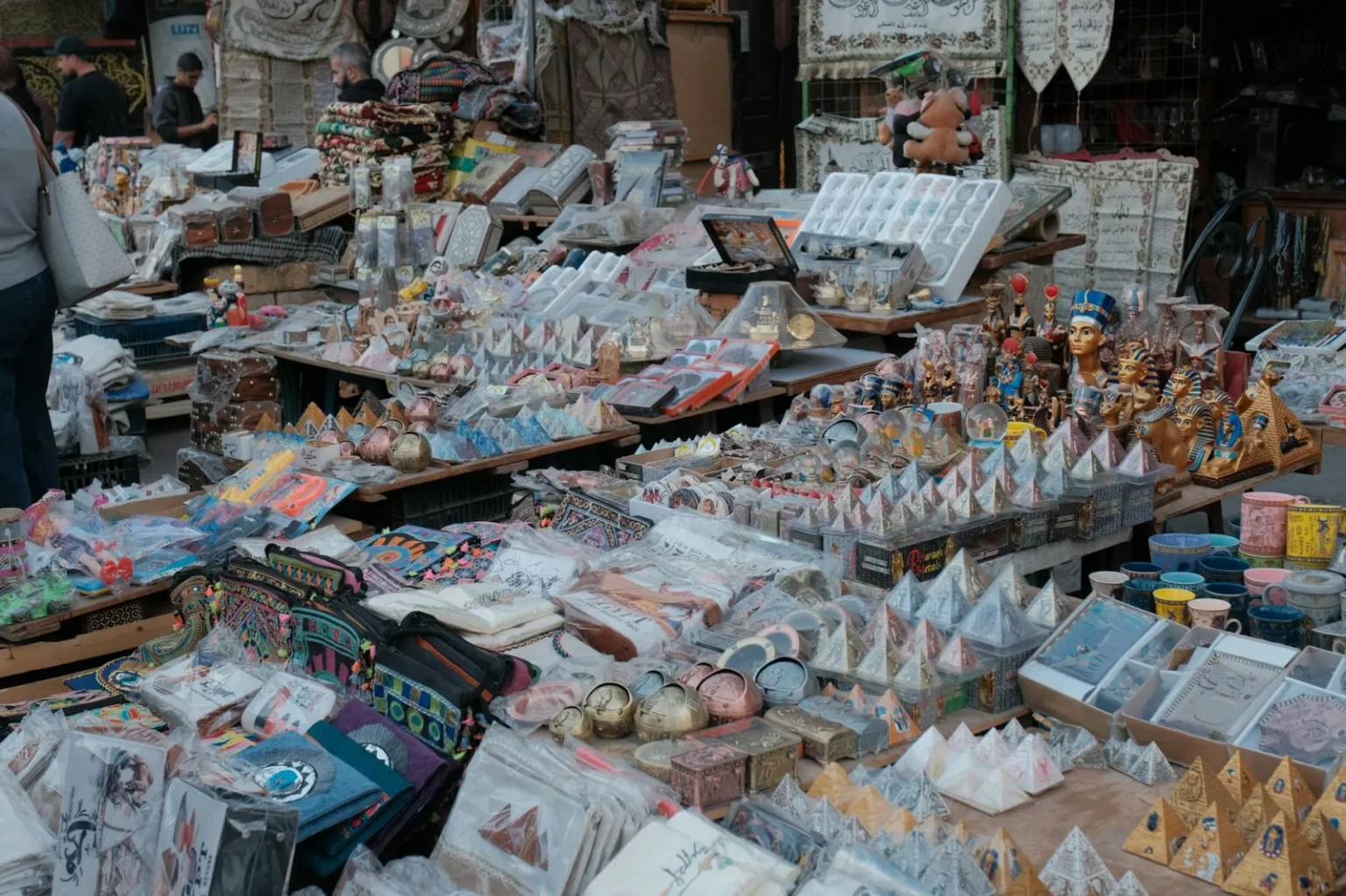
Egypt’s local markets, known as souks, are vibrant spaces where culture, history, and commerce converge. They offer more than just shopping; they provide a sensory experience filled with the aromas of spices, the colors of textiles, and the sounds of bargaining. As a first-time visitor, navigating these markets can feel overwhelming, yet it can also be one of the most rewarding aspects of your trip. In this guide, we will explore essential tips for authentic shopping experiences, ensuring you leave with genuine souvenirs and unforgettable memories.
1. Research Before You Go
Before stepping into a local market, it’s beneficial to familiarize yourself with the main markets in Egypt. Some of the most famous include:
- Khan El Khalili in Cairo: A historic bazaar known for its wide array of handicrafts, spices, and jewelry.
- Luxor Souq: A more laid-back market that offers local crafts and souvenirs near Luxor’s temples.
- Aswan Souk: Known for its unique Nubian crafts and spices.
Understanding the specialties of each market will help you set your expectations and focus your shopping efforts. For example, Khan El Khalili is particularly known for gold and silver jewelry, while Luxor’s market excels in alabaster products. This preparation allows you to make informed decisions, maximizing your shopping experience.
2. Timing Your Visit
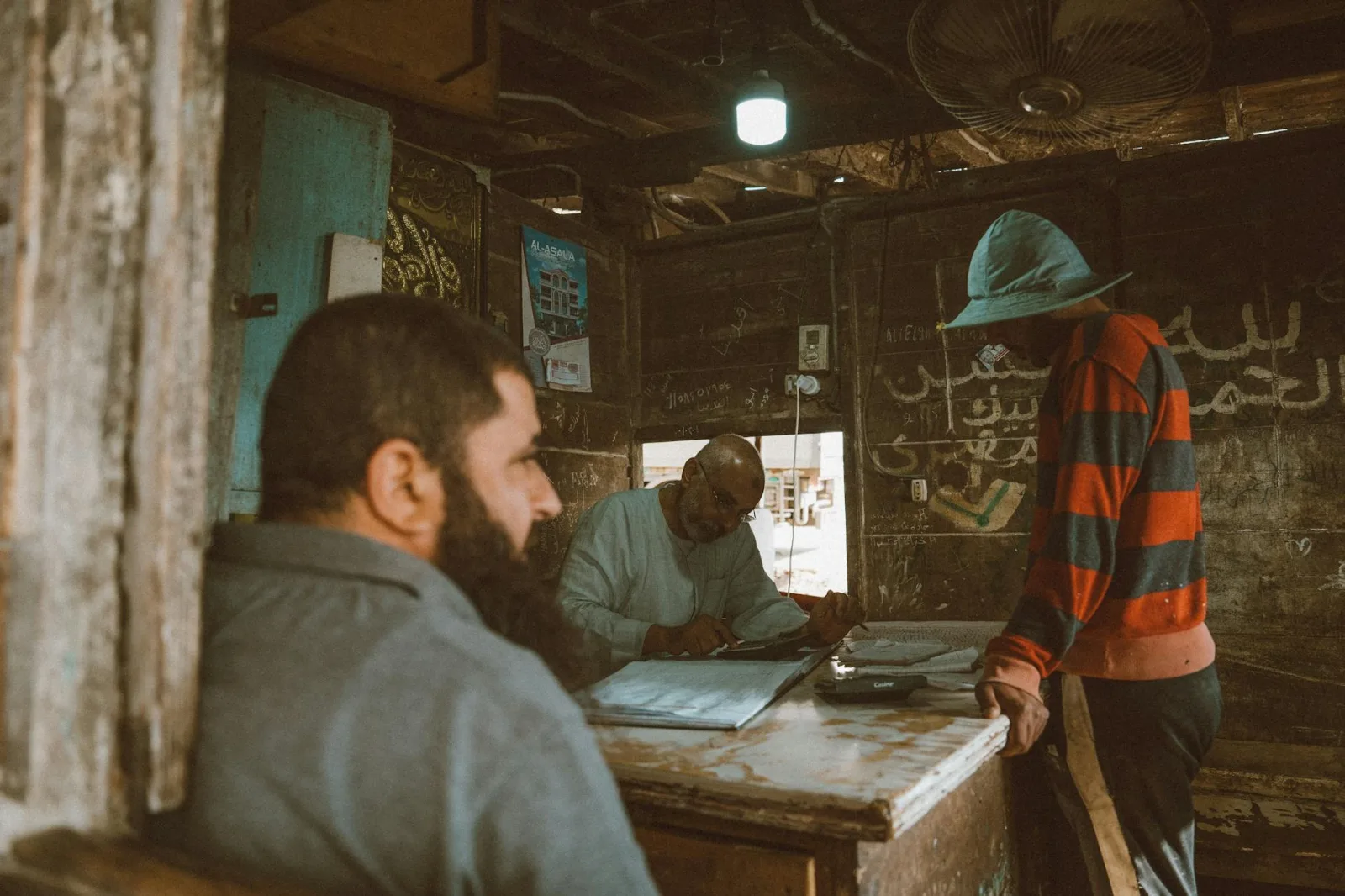
Choosing the right time to visit local markets can significantly enhance your experience. Early mornings or late afternoons are ideal as they are less crowded, allowing for a more relaxed atmosphere. Additionally, the temperatures are cooler, making it more comfortable for walking and browsing.
Important note: Midday can be particularly hot, especially during summer months, which can lead to fatigue and discomfort. If you plan to visit in the summer, aim for early morning visits to avoid the heat.
3. Embrace the Art of Bargaining
Bargaining is a fundamental part of shopping in Egypt’s local markets. It’s not only acceptable but expected. Here’s a step-by-step approach to effective bargaining:
- Start Low: Begin by offering about half of the vendor’s initial price. This gives you room to negotiate.
- Stay Polite: Approach the conversation with respect and friendliness. A genuine smile goes a long way.
- Know When to Walk Away: If the price doesn’t meet your budget, politely thank the vendor and walk away. Often, they will call you back with a better offer.
- Be Prepared to Walk: If you’re not satisfied with the price, walking away can prompt the vendor to lower it further.
This process is not just about getting a good deal; it’s also part of the cultural experience. Engaging in this way helps build rapport with local vendors, making your shopping experience more enjoyable.
4. Know What to Buy
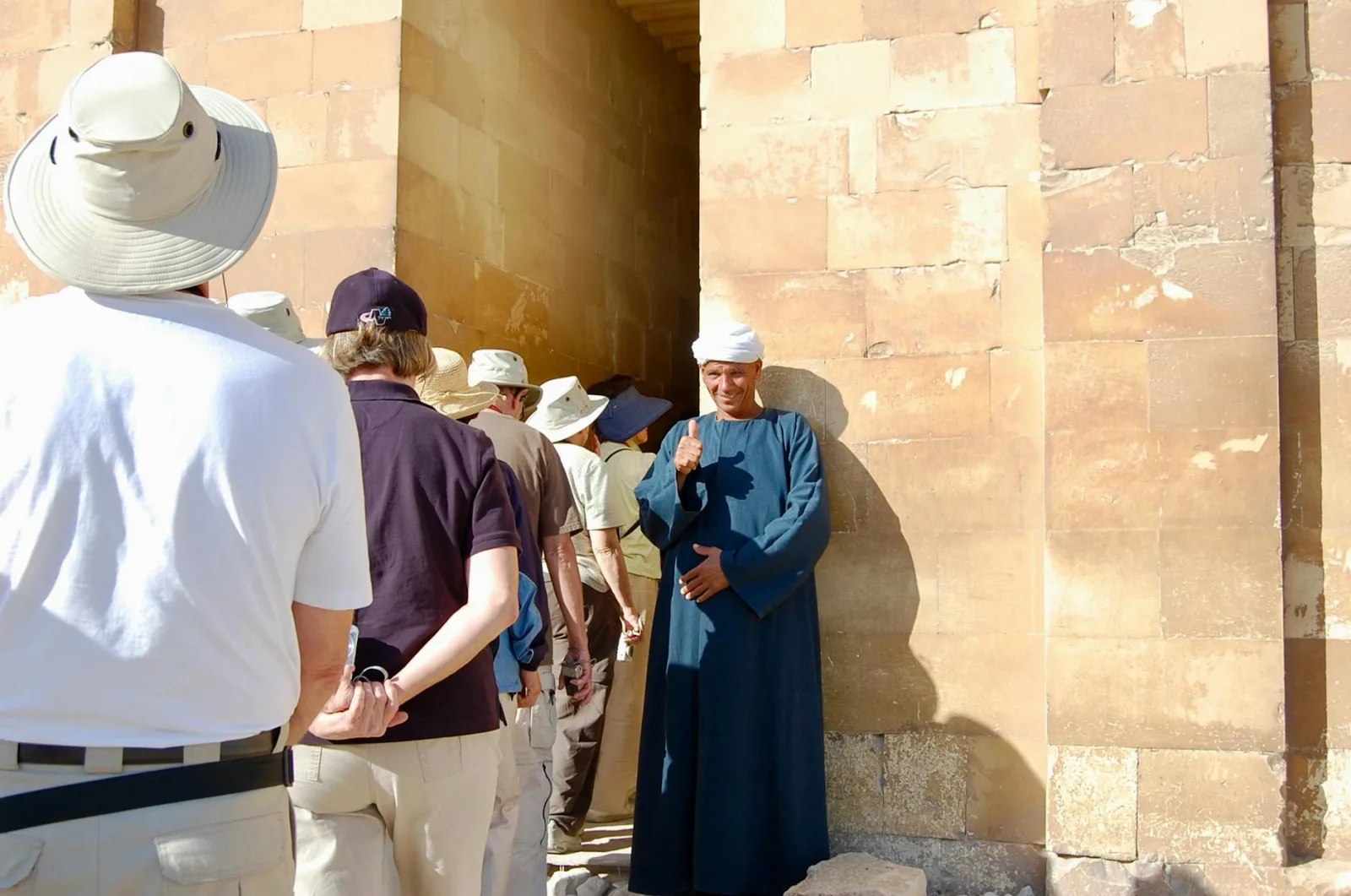
While wandering through the markets, it’s easy to get distracted by the myriad of products available. To ensure you leave with authentic souvenirs, focus on items that represent Egyptian culture. Here are some popular items to consider:
- Handcrafted Jewelry: Look for unique pieces made from gold or silver, often adorned with traditional designs.
- Spices: Bring home the flavors of Egypt with spices like saffron, cumin, and hibiscus.
- Alabaster Products: Luxor is renowned for its beautifully crafted alabaster vases and figurines.
- Textiles: Handwoven carpets, shawls, and other textiles make for beautiful and practical souvenirs.
- Perfumes: Traditional Egyptian perfumes in ornate bottles offer a unique scent of the region.
By focusing on these authentic items, you not only support local artisans but also ensure that your souvenirs carry cultural significance.
5. Cultural Etiquette and Respect
Understanding local customs is vital for a positive shopping experience in Egypt’s markets. Here are some key etiquette tips:
- Respect Personal Space: While markets can be crowded, try to maintain respectful distances from vendors and other shoppers.
- Ask Permission: Before photographing people or their stalls, always ask for permission. Some may decline.
- Dress Modestly: While Egypt is generally welcoming, dressing modestly shows respect for local customs and traditions.
By adhering to these cultural norms, you can create a more harmonious experience for yourself and those around you. For additional insights on navigating local customs, consider checking out our guide on understanding local customs for solo travelers.

6. Stay Safe While Shopping
While Egypt is a relatively safe travel destination, it’s important to remain vigilant, particularly in crowded areas. Here are some safety tips to keep in mind:
- Keep Valuables Secure: Use a money belt or a secure bag to protect your valuables from pickpockets.
- Travel in Groups: If possible, shop with a friend or in a group. There’s safety in numbers.
- Beware of Scams: Be cautious of overly aggressive vendors or individuals offering unsolicited help, as they may expect a tip.
By following these precautions, you can enjoy your shopping experience while minimizing risks.
7. Connecting with Local Artisans
One of the most rewarding aspects of shopping in Egypt’s markets is the opportunity to connect with local artisans. Engaging with them not only supports their craft but also enriches your understanding of Egyptian culture. Here are ways to foster these connections:
- Ask Questions: Inquire about the crafting process, the materials used, and the history behind the products. Most artisans are happy to share their stories.
- Purchase Directly: Whenever possible, buy directly from the artisans to ensure they receive a fair price for their work.
- Attend Workshops: Some markets offer workshops where you can learn traditional crafting techniques. Participating in these can deepen your appreciation for the art.
Connecting with artisans adds a personal touch to your shopping experience and can lead to meaningful interactions.
Conclusion: Key Takeaways
Navigating Egypt’s local markets can feel daunting at first, but with the right knowledge and preparation, it transforms into an authentic shopping experience. Here are the key takeaways:
- Research the markets to understand their specialties and plan your visits accordingly.
- Visit during off-peak hours to enjoy a more relaxed atmosphere.
- Master the art of bargaining as a cultural norm and a practical skill.
- Focus on authentic items that reflect Egyptian culture and craftsmanship.
- Respect local customs and stay safe while shopping.
- Engage with artisans to enrich your experience and support their work.
By following these guidelines, you will not only enhance your shopping adventures but also create lasting memories of your time in Egypt. Happy shopping!