




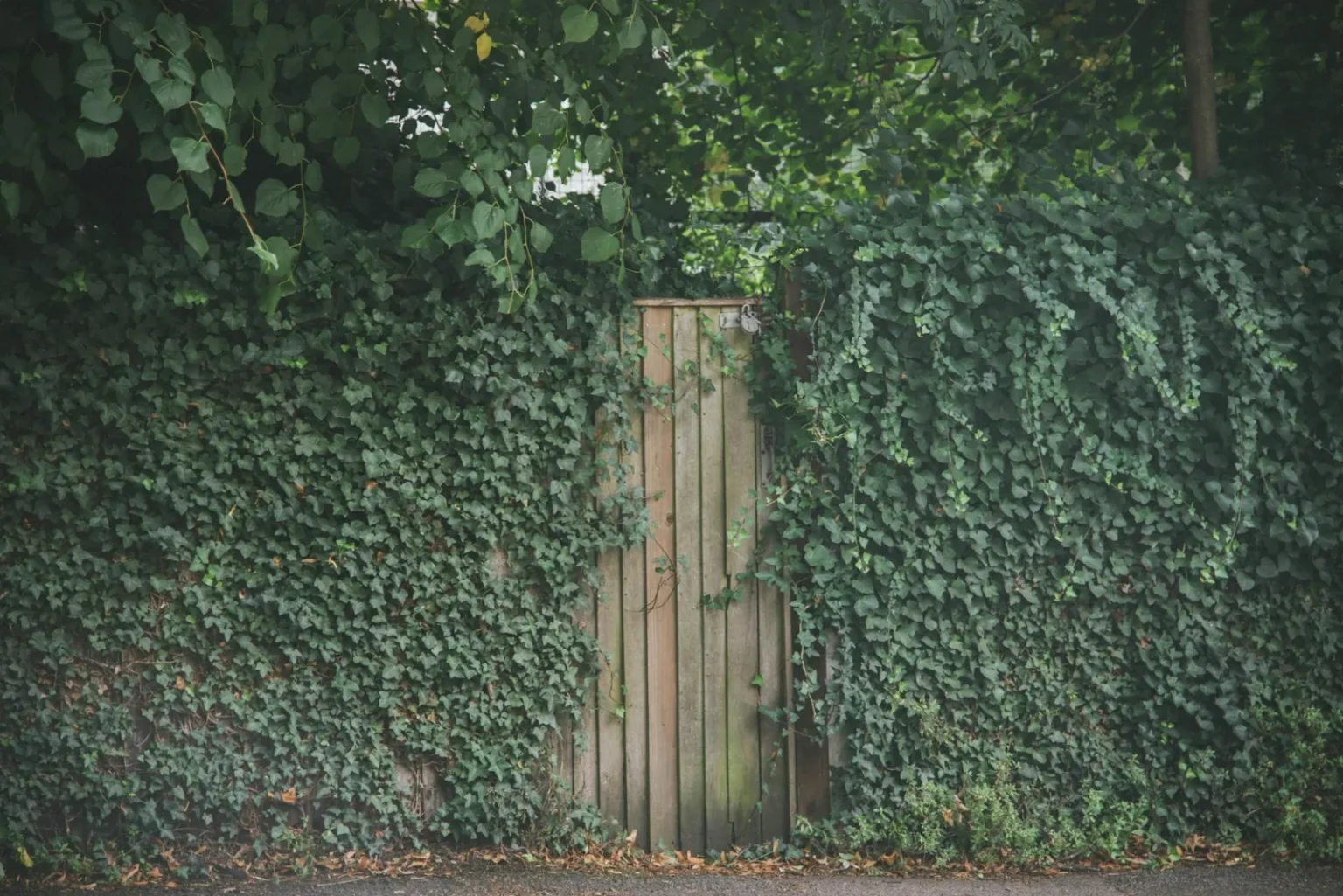

Understanding Hidden Springs in Saudi Arabia
Hidden springs, often nestled within remote oases, are natural water sources that emerge from the ground, providing life-sustaining water in arid environments. In Saudi Arabia, these springs play a crucial role in sustaining local ecosystems and supporting agriculture. This guide will take you through the fascinating world of Saudi Arabia’s hidden springs, highlighting their significance, locations, and the unique experiences they offer.
The Importance of Natural Oases
Natural oases are fertile areas in deserts where water sources allow for vegetation and wildlife to thrive. They serve not only as vital resources for local communities but also as biodiversity hotspots. Understanding the ecological role of these oases is essential to appreciating the hidden springs that feed them. For instance, the Al Ahsa Oasis, a UNESCO World Heritage site, is renowned for its extensive date palm farms and numerous natural springs, making it a perfect example of how hidden springs contribute to the environment.
Exploring the Types of Hidden Springs
In Saudi Arabia, hidden springs can be categorized into two main types: natural springs and hot springs. Natural springs are typically cooler and suitable for drinking, while hot springs are often rich in minerals and are known for their therapeutic properties.
For example, the Najim Spring in Al Ahsa is famous for its warm, sulfur-rich waters that are believed to help with rheumatic diseases. Meanwhile, the springs in the Wadi Disah area in Tabuk province provide cooler water and are surrounded by breathtaking landscapes, making them a popular spot for both locals and travelers.
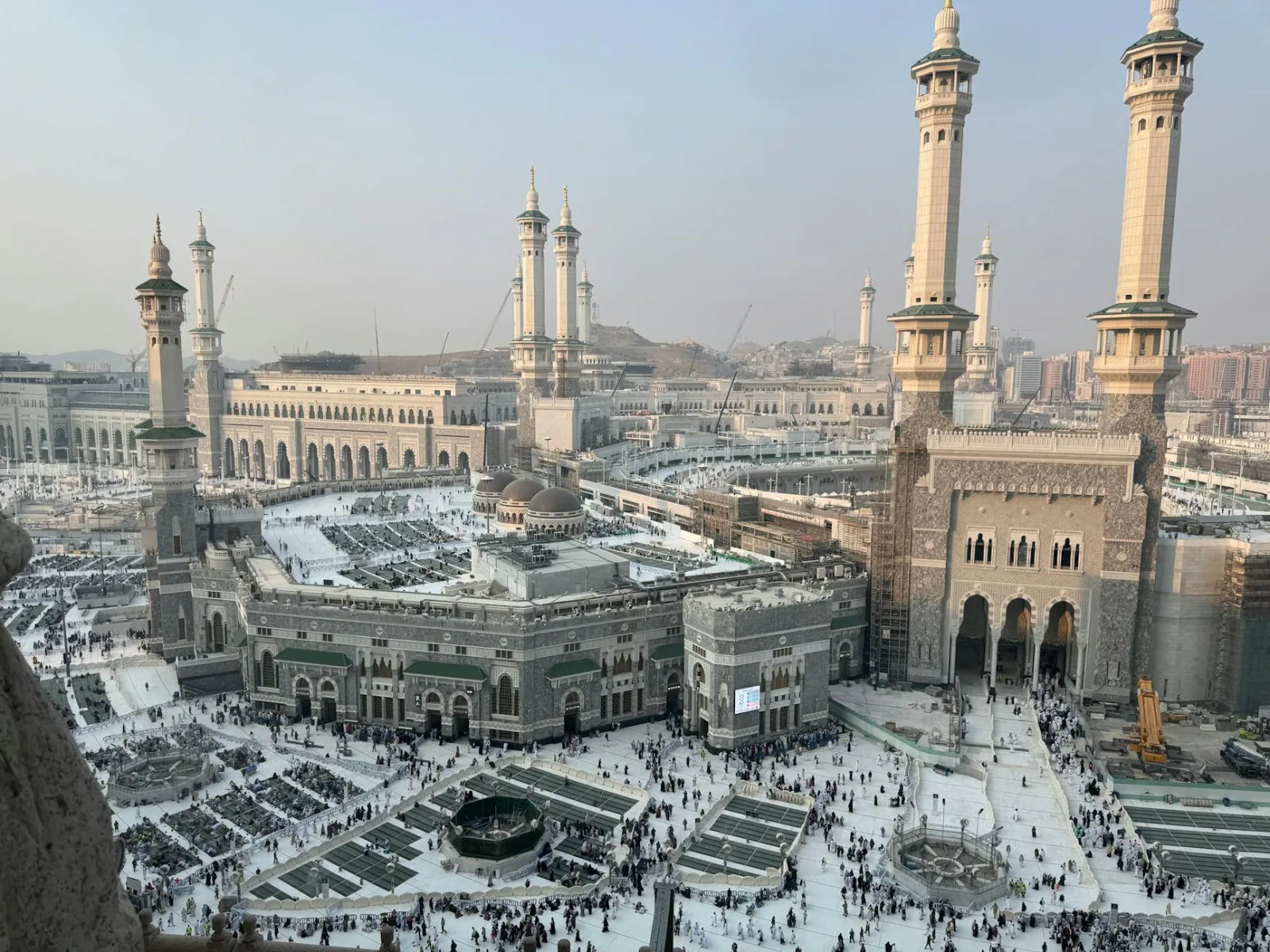
Top Hidden Springs to Discover
Here are some of the most remarkable hidden springs in Saudi Arabia that you should consider exploring:
- Wadi Disah Spring: Located in the Tabuk region, Wadi Disah is famous for its stunning scenery, red cliffs, and lush palm trees. A hike through this area not only leads you to the hidden spring but also offers an unforgettable experience of the natural beauty of Saudi Arabia.
- Al Ahsa Springs: As mentioned earlier, Al Ahsa is home to over sixty springs, including the well-known Al-Haqel and Al-Harra springs. The area is rich in agriculture, primarily due to these springs, which support vast date palm groves.
- Ain Al Jawharia: This spring, near Al Mubaraz, is notable for its crystal-clear water and is a popular spot for both locals and tourists seeking a refreshing dip.
- Al Khadoud Spring: Another vital water source in the Al Ahsa region, Al Khadoud Spring is essential for irrigation and sustains the surrounding agricultural lands.
- Al Hufuf Spring: Situated in the heart of Al Ahsa, this spring boasts extensive water flow that nourishes nearby orchards and rice fields.
How to Visit These Hidden Springs
Visiting hidden springs can be a rewarding experience, but it requires some planning. Here’s how you can make the most of your journey:
1. Research Your Destination
Before embarking on your trip, gather information about the springs you wish to visit. Check local resources, travel blogs, or even forums to find tips from fellow travelers.
2. Plan Your Route
Many hidden springs are located in remote areas. Ensure you have a reliable map or GPS service. It’s advisable to travel during daylight hours to avoid getting lost in unfamiliar terrain.
3. Prepare for the Environment
Saudi Arabia’s climate can be extreme. Bring ample water, sunscreen, and appropriate clothing to protect yourself from the sun. Additionally, consider bringing a first-aid kit, especially if you plan to hike.
4. Engage with Local Communities
When visiting these springs, try to engage with local communities. They can offer valuable insights and recommendations on the best spots to visit and local customs to observe.
5. Respect Nature
Always practice responsible tourism. Avoid littering, and follow local guidelines to protect the delicate ecosystems surrounding these hidden springs.
Experiencing the Springs: Activities and Attractions
Beyond just visiting hidden springs, there are various activities you can engage in to enhance your experience:
- Photography: The stunning landscapes surrounding many springs provide excellent opportunities for photography. Capture the natural beauty of the area, from the flowing water to the surrounding flora.
- Hiking: Many hidden springs, like those in Wadi Disah, are accessible via hiking trails. These trails often offer breathtaking views and a chance to connect with nature.
- Cultural Exploration: Learn about the history and culture of the regions you visit. Many springs are steeped in local legends and historical significance.
- Wellness Retreats: Consider visiting hot springs for their therapeutic benefits. These waters can provide relaxation and relief from stress.
Important Tips and Warnings
When exploring hidden springs, keep these essential tips in mind:
- Important Note: Always check the accessibility of springs before visiting, as some may be seasonal or difficult to reach.
- Warning: Be cautious of wildlife in rural areas. Certain regions may have snakes or other animals that can pose risks.
- Common Mistake: Don’t underestimate the time it takes to reach remote locations. Always allow extra time for travel to avoid rushing your experience.
- Pro Tip: Consider visiting during off-peak seasons to enjoy a quieter experience away from crowds.
Conclusion: Key Takeaways
Exploring Saudi Arabia’s hidden springs offers a unique opportunity to connect with nature and understand the vital role these water sources play in the ecosystem. From the lush oases of Al Ahsa to the breathtaking Wadi Disah, each hidden spring provides a distinct experience that reflects the rich cultural and natural heritage of the region. Remember to plan your visits carefully, respect the environment, and immerse yourself in the local culture.
By following the guidelines outlined in this article, you can enjoy an enriching experience as you discover the forgotten natural springs of Saudi Arabia. Whether you seek adventure, relaxation, or cultural insights, these hidden gems will not disappoint.