





Understanding the Value of Local Farmers
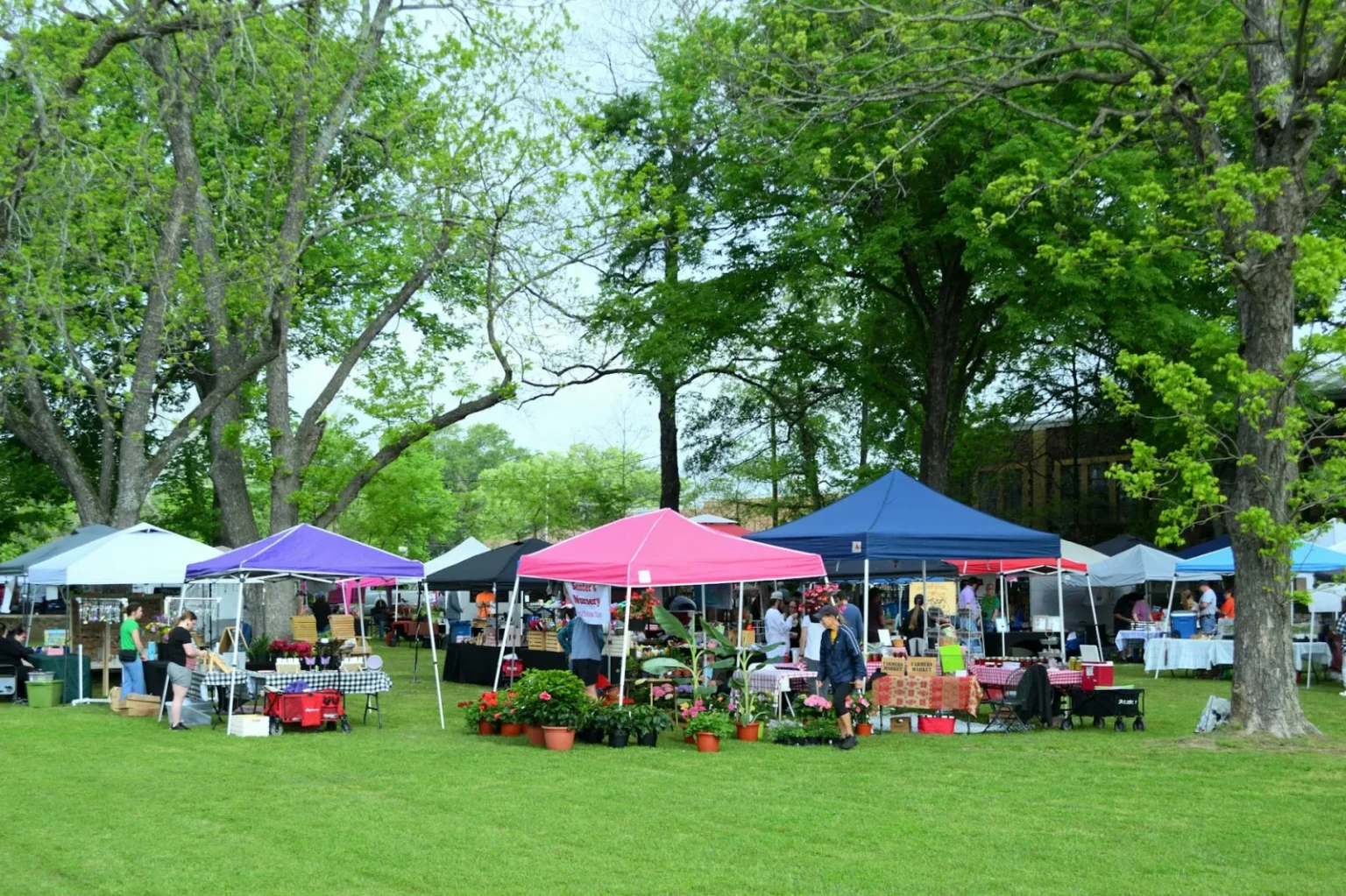
Connecting with local farmers is crucial for anyone interested in sourcing fresh, high-quality ingredients. Local farmers are more than just suppliers; they are the backbone of your community’s food ecosystem. They provide not only fresh produce but also contribute to the local economy, enhance food security, and preserve agricultural heritage. By supporting local farmers, you’re investing in the freshness and flavor of your meals while fostering sustainable practices.
- Understanding the Value of Local Farmers
- Step 1: Research Local Agricultural Resources
- Step 2: Attend Local Food Events
- Step 3: Join Community Supported Agriculture (CSA) Programs
- Step 4: Volunteer at Local Farms
- Step 5: Explore Local Artisan Food Producers
- Step 6: Utilize Social Media and Online Platforms
- Step 7: Establish a Personal Connection
- Conclusion: The Rich Rewards of Local Connections
Step 1: Research Local Agricultural Resources
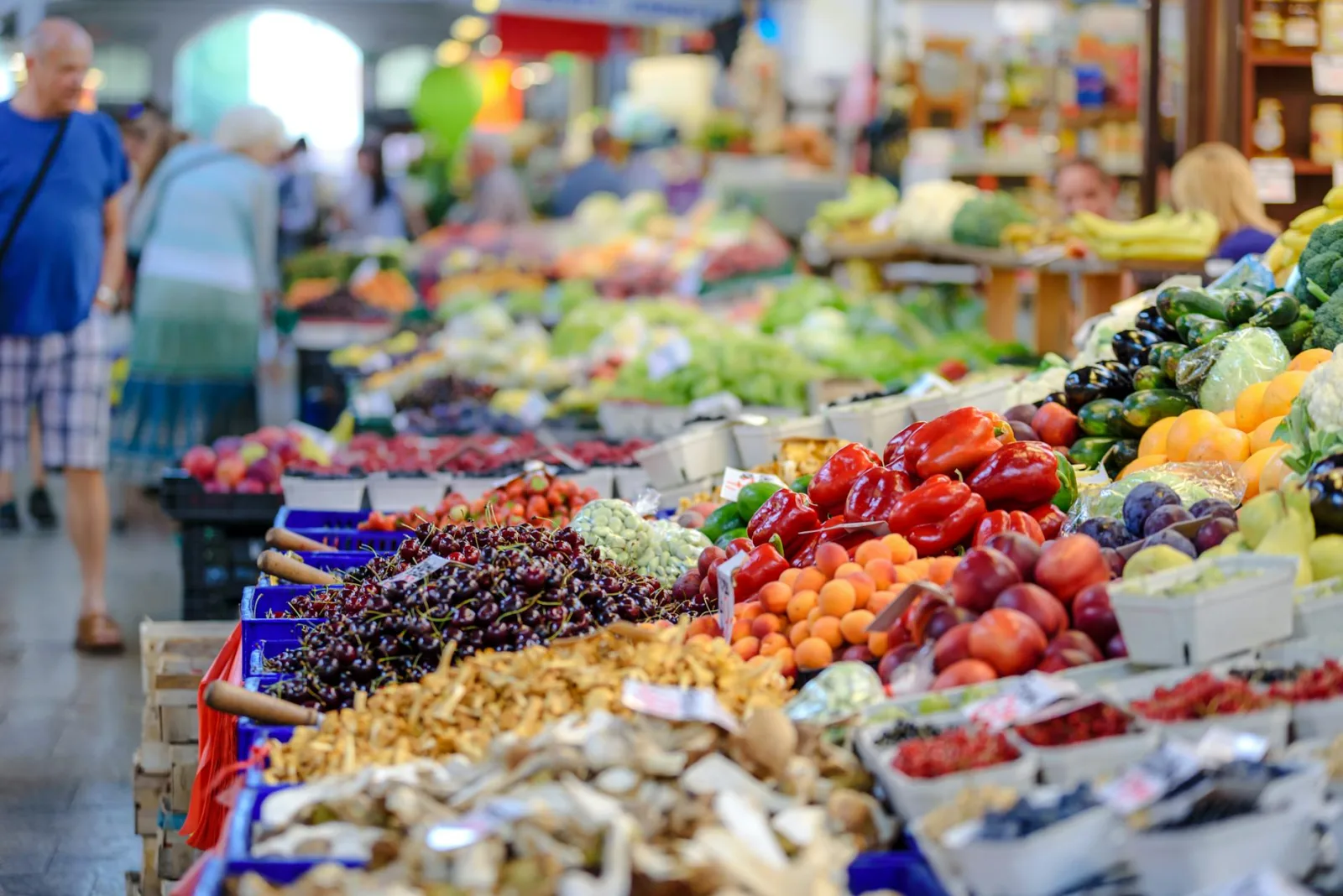
Firstly, start your journey by researching local agricultural resources in your area. This could involve visiting farmers’ markets, where you can find a variety of vendors under one roof. Websites like LocalHarvest.org or your local cooperative extension office can also provide valuable information on farms near you.
Important note: When you visit a farmers’ market, take the time to talk to the vendors. Ask about their farming practices, the seasonal produce they offer, and any unique artisan foods they might create. This is not just about shopping; it’s about building relationships.

Step 2: Attend Local Food Events
Attending local food events is another effective way to connect with farmers and artisan food producers. These events can range from food festivals to tasting events or farm-to-table dinners. Not only do these gatherings allow you to sample local products, but they also provide networking opportunities to engage with producers directly.
For example, if you attend a cheese-making workshop at a local dairy farm, you can learn about the artisanal techniques used and even form a rapport with the cheesemaker. This connection can lead to future purchasing opportunities or collaborations.
Step 3: Join Community Supported Agriculture (CSA) Programs
Community Supported Agriculture (CSA) programs are a fantastic way to establish a direct connection with local farmers. By purchasing a seasonal share, you receive regular deliveries of fresh, seasonal produce directly from the farm. This not only supports the farmers financially but also fosters a deeper relationship between you and the food you consume.
Pro tip: Research different CSA programs in your area. Look for those that align with your dietary preferences, such as organic or heirloom varieties, and consider visiting the farm for a tour. This will help you understand their farming practices better.
Step 4: Volunteer at Local Farms
Volunteering at local farms is another effective way to connect with farmers and gain hands-on experience. Many farms welcome volunteers to help with planting, harvesting, or even processing food. This experience not only gives you insight into the hard work that goes into producing food but also allows you to build lasting relationships with the farmers.
Warning: Make sure to communicate any allergies or physical limitations before volunteering. Farms can have varying levels of physical demands, so it’s important to find a role that suits your abilities.
Step 5: Explore Local Artisan Food Producers
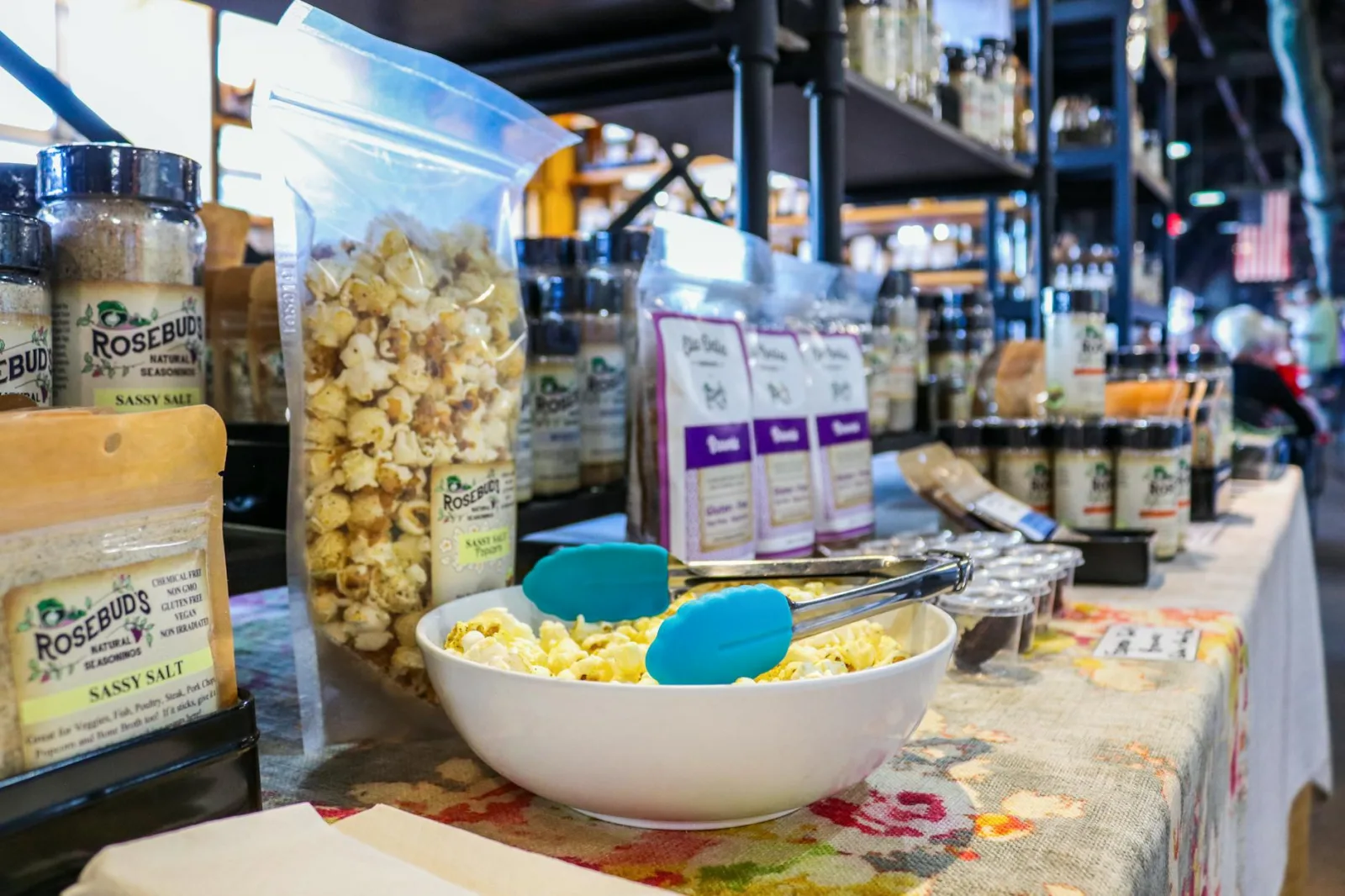
In addition to connecting with local farmers, don’t overlook artisan food producers. These small-scale makers produce everything from cheese and bread to fermented foods and preserves. They often use traditional methods and high-quality ingredients, offering unique flavors that large-scale manufacturers cannot replicate.
Common mistake: Many people assume they need to travel far to find high-quality artisan foods. In reality, many are available right in your local area. Look for local shops or online directories that specialize in sourcing artisan products.
Step 6: Utilize Social Media and Online Platforms
Social media platforms can be a powerful tool for connecting with local farmers and food producers. Many farmers maintain social media profiles where they share updates on their produce, farming practices, and special events. By following them, you can stay informed about what’s in season and any unique offerings they may have.
Additionally, platforms like Instagram and Facebook often host local food groups where members share recommendations and experiences. Engaging in these communities can lead to new connections and opportunities to support local food initiatives.
Step 7: Establish a Personal Connection
Finally, once you’ve made initial connections with local farmers and food producers, focus on building personal relationships. This could mean frequenting the same stalls at farmers’ markets or visiting the farms regularly. Ask questions about their farming practices, share your own cooking experiences, and even offer to share recipes that use their products.
Important note: Relationship building takes time. Show genuine interest and commitment to the producers you connect with, and you may find they are willing to go above and beyond to meet your needs.
Conclusion: The Rich Rewards of Local Connections
In summary, connecting with local farmers and artisan food producers enriches your culinary experience and strengthens your community. Each step you take—from researching local resources to volunteering—brings you closer to understanding the origins of your food and the people behind it.
Key takeaways include:
- Research local agricultural resources and markets.
- Attend local food events for networking opportunities.
- Join CSA programs for direct connections with farmers.
- Volunteer at farms to gain hands-on experience.
- Explore artisan food producers for unique culinary offerings.
- Utilize social media to stay connected and informed.
- Focus on building personal relationships with producers.
By engaging with your local food community, you’re not just enhancing your meals; you’re also contributing to a sustainable and resilient local economy.