





Understanding the Landscape of International Travel
International travel has always been an adventure, offering the chance to explore new cultures, cuisines, and landscapes. However, in recent times, global events have introduced uncertainties such as health crises, political instability, and natural disasters. This makes the preparation for international travel more critical than ever.
1. Assessing Your Destination
Your first step in travel preparation is to conduct a thorough assessment of your intended destination. This involves researching current travel advisories, which are often issued by government agencies. For example, the U.S. Department of State provides a [travel advisory] system that categorizes countries based on safety risks. Understanding these advisories can help you make informed decisions about your travel plans.
Important note: Pay attention to specific regions within a country, as safety conditions may vary significantly. For instance, while one area might be safe for tourists, another could be under a travel warning.
2. Getting the Right Documentation
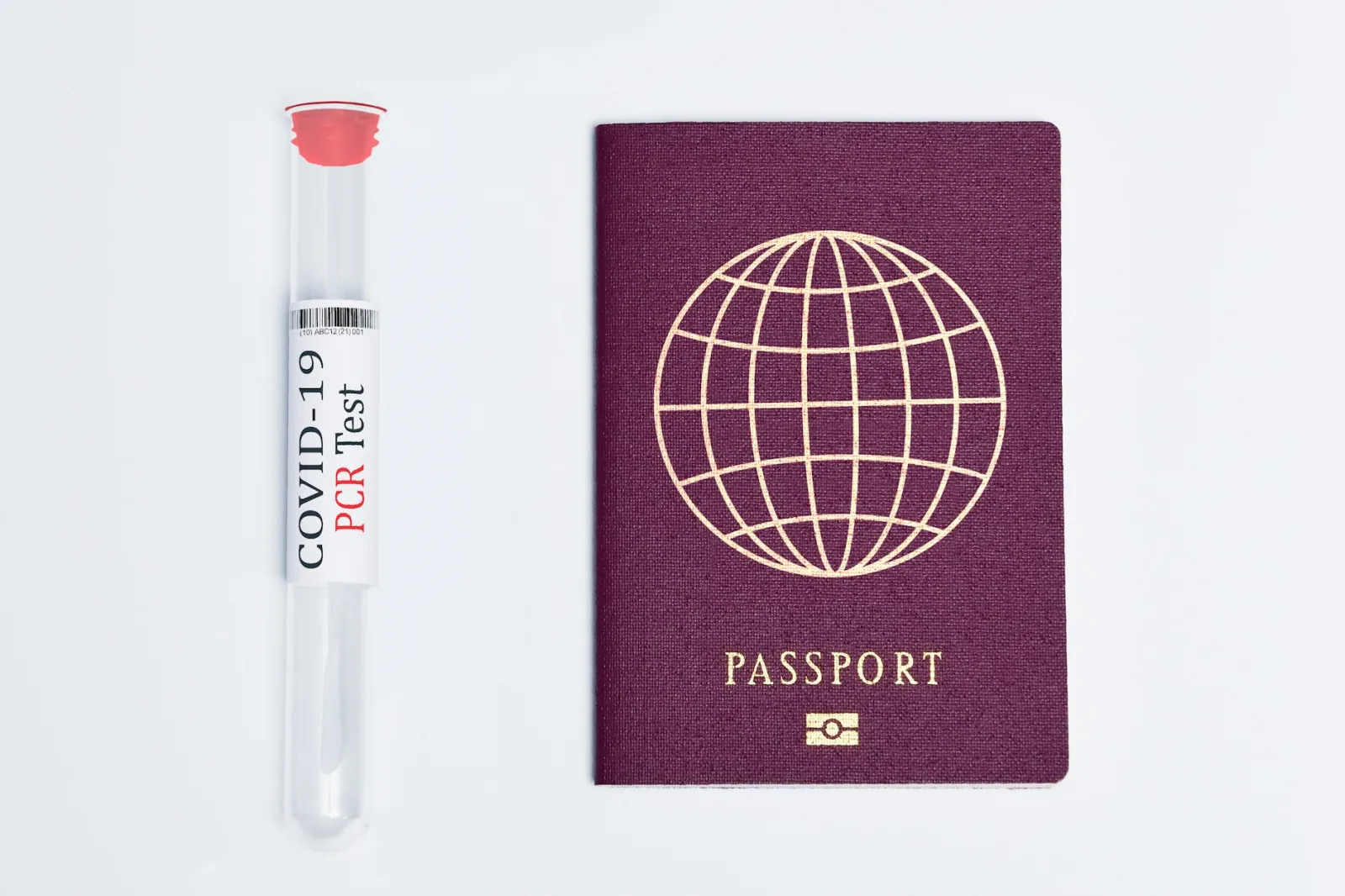
Next, ensure your travel documents are in order. This means checking the validity of your passport and understanding visa requirements. Many countries require that your passport is valid for at least six months beyond your departure date. Additionally, some destinations may mandate a visa or electronic travel authorization. For example, travelers to Canada need an Electronic Travel Authorization (eTA) if arriving by air.
Common mistake: Failing to apply for necessary visas in advance can lead to denied boarding or entry at your destination.
3. Health Considerations
Your health should be a priority during travel preparation. Research any vaccinations or health precautions recommended for your destination. The Centers for Disease Control and Prevention (CDC) and the World Health Organization (WHO) provide valuable resources on health advisories based on your destination.
Additionally, consider scheduling a pre-travel health consultation. This allows you to discuss specific health risks related to your trip. For instance, if you’re traveling to areas with malaria, a healthcare professional might recommend antimalarial medications.
4. Travel Safety Protocols
Safety is a vital component of travel preparation. Familiarize yourself with local laws and customs to avoid misunderstandings. You can do this by reading guides or using resources like [Navigating Cultural Nuances].
Pro tip: Enroll in the Smart Traveler Enrollment Program (STEP) offered by the U.S. State Department. This service allows you to receive important updates about your destination and is a helpful way for the embassy to contact you in emergencies.
5. Financial Preparation
Handling finances wisely is crucial when traveling internationally. Notify your bank of your travel plans to avoid having your accounts frozen due to suspicious activity. Additionally, consider carrying a mix of cash and credit cards. Some places may not accept cards, especially in rural areas.
Warning: Be cautious with your cash and avoid carrying large amounts. Utilize hotel safes for valuables and consider using a money belt when exploring busy areas.

6. Packing Essentials
Packing should be strategic and tailored to your destination’s climate and culture. Research local weather conditions leading up to your trip to ensure appropriate clothing choices. For example, if you’re traveling to Europe in the winter, layers are essential. You can learn more about this in our guide on [choosing the right clothing for different seasons in Europe].
Additionally, pack a small first aid kit with essentials like band-aids, antiseptic wipes, and any personal medications. This can save you time and hassle if you encounter minor injuries or ailments.
7. Staying Informed During Your Trip
Once you’ve arrived at your destination, stay informed about local news and any changes to travel advisories. Use apps or subscribe to local news feeds to remain updated on health alerts, weather conditions, or political changes. This practice is vital in uncertain times when situations can change rapidly.
Important note: Always have a plan for emergencies. Keep a list of local emergency contacts, including the nearest embassy, local hospitals, and emergency services.
Conclusion: Key Takeaways for Your Journey
Preparing for international travel during uncertain times requires diligence and careful planning. By assessing your destination, ensuring proper documentation, prioritizing health, understanding safety protocols, managing finances wisely, packing appropriately, and staying informed, you can navigate potential challenges effectively.
Remember, the goal is to enhance your travel experience while minimizing risks. Each step you take in preparation contributes to a smoother journey. Therefore, the next time you plan an international trip, consider these guidelines to ensure a safe and enjoyable adventure.
In summary, preparation is your best ally in international travel. Equip yourself with knowledge, stay adaptable, and embrace the experience with confidence.