






Understanding Cultural Festivals in Italy
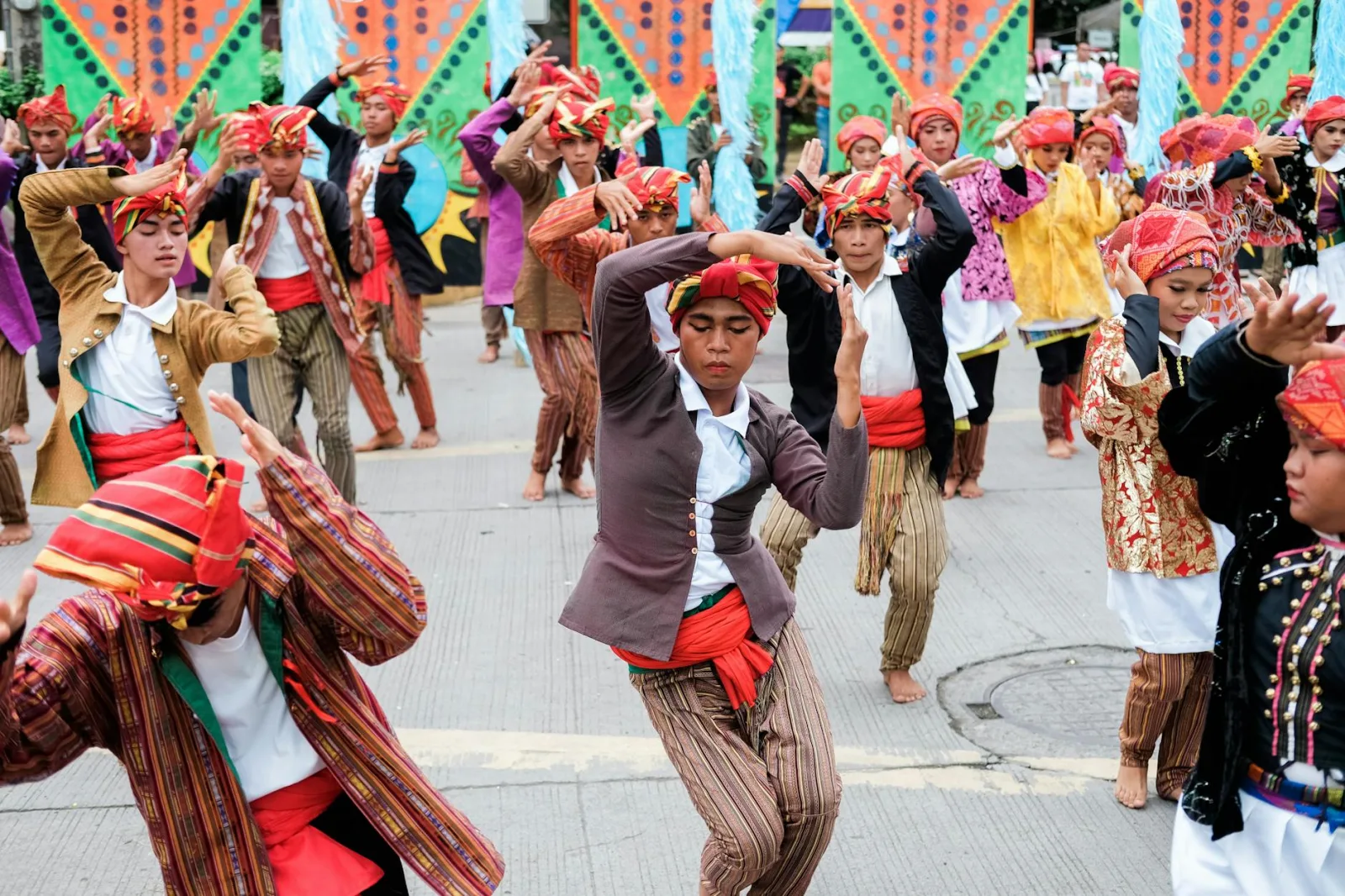
Cultural festivals in Italy are a vital part of the nation’s heritage, showcasing the rich tapestry of regional traditions, food, and art. These events can range from ancient historical reenactments to contemporary art fairs. Understanding these festivals is crucial for travelers who wish to immerse themselves in the local culture.
Types of Cultural Festivals
Firstly, it’s important to recognize the variety of cultural festivals Italy offers. They can be broadly categorized into three main types: historical festivals, religious celebrations, and food festivals. Each type provides a unique glimpse into the local culture.
1. Historical Festivals
Historical festivals often celebrate significant events or figures from the past. For example, the Palio di Siena, held twice a year in Siena, is a thrilling horse race that dates back to the 17th century. Participants represent different contrade, or districts, competing fiercely for glory. If you attend, prepare for a day filled with pageantry, tradition, and excitement.
2. Religious Celebrations
Religious festivals are rooted in the Catholic faith, which is predominant in Italy. One of the most famous is the Feast of San Gennaro in Naples, celebrated every September. It commemorates the patron saint of Naples, featuring a blood miracle where the saint’s blood is said to liquefy. Witnessing this event offers insight into the deep spiritual connections held by the locals.
3. Food Festivals
Italy is renowned for its culinary delights, making food festivals a must-visit. The Sagra del Tartufo (Truffle Festival) in Alba celebrates the region’s prized truffles. Visitors can enjoy tastings, cooking demonstrations, and local markets filled with delicacies. This festival is an excellent opportunity for food lovers to explore Italy’s gastronomic culture.
When to Plan Your Visit
Timing your visit is essential to fully experience these local celebrations. Many festivals occur during specific months or seasons, often tied to agricultural cycles or historical dates.
1. Seasonal Considerations
Spring and summer are popular times for festivals, given the pleasant weather. For example, the Venice Carnival takes place in February, while the Infiorata di Spello, a flower festival, occurs in June. Be sure to check the festival dates ahead of time to avoid missing out.
2. Regional Differences
Italy’s diverse regions host their own unique festivals at different times. The Festa della Madonna Bruna in Matera happens in July, while the famous Carnevale di Viareggio is celebrated in February. Understanding the regional calendar will enhance your travel planning.
How to Prepare for Cultural Festivals
Preparation is key for enjoying cultural festivals. Here are some practical tips to ensure a smooth experience:
1. Research the Festival
Prior to your visit, research the festival you want to attend. Understanding its history, significance, and schedule helps you navigate the festivities better. For example, knowing the best viewing spots for the Palio di Siena can enhance your experience.
2. Dress Appropriately
Italy’s festivals can vary in formality. Some, like the Venice Carnival, invite elaborate costumes, while others may be more casual. Check the festival’s guidelines and dress accordingly to blend in with the locals.
3. Arrive Early
Arriving early can mean a better spot for viewing parades or events. For larger festivals, crowds can swell quickly, so securing a good position early is beneficial. It also provides a chance to soak in the atmosphere before the main events begin.
Engaging with the Local Culture
One of the best parts of attending cultural festivals in Italy is the opportunity to engage with locals. Here’s how you can connect more deeply:
1. Participate in Activities
Many festivals offer workshops or interactive experiences. Whether it’s learning to make traditional pasta or participating in a local dance, engaging in these activities fosters a deeper understanding of the culture.
2. Taste Local Cuisine
Food is a central theme in most Italian festivals. Don’t miss the chance to try local dishes that reflect the region’s culinary traditions. For instance, at the Sagra dell’Uva (Grape Festival) in Marino, you can indulge in local wines and grape-based dishes.

3. Speak with Locals
Don’t hesitate to strike up conversations with locals. They often have personal stories or insights about the festival that can enrich your experience. A simple “Ciao” can open doors to new friendships and recommendations.
Tips for Navigating Festival Crowds
Cultural festivals can attract large crowds, which may be overwhelming. Here are some strategies to navigate effectively:
1. Stay Hydrated and Nourished
Festivals can be exhausting. Make sure to drink plenty of water and eat regularly to keep your energy levels up. Local food stalls often offer delicious options, so take advantage of them!
2. Familiarize Yourself with the Venue
Before the festivities start, take some time to familiarize yourself with the layout of the venue. Identify information booths, restrooms, and emergency exits. This knowledge can save time and reduce stress.
3. Keep Your Belongings Secure
With large crowds, the risk of pickpockets increases. Keep your belongings secure and consider using anti-theft bags or money belts. Important documents should be stored safely to avoid loss.
Conclusion: Embrace the Experience
Navigating cultural festivals in Italy is not just about witnessing the events; it’s about embracing the entire experience. From understanding the significance of each festival to engaging with locals, every aspect adds richness to your travel. By planning your visit thoughtfully, preparing adequately, and immersing yourself in the festivities, you can create lasting memories.
In summary, remember these key takeaways:
- Research the festival and its regional significance.
- Dress appropriately and arrive early.
- Engage with locals and participate in activities.
- Stay hydrated and navigate crowds carefully.
With these tips, your journey through Italy’s cultural festivals will be rewarding and unforgettable. For additional travel tips, consider reading about navigating travel insurance or exploring Italy’s abandoned villages for a different perspective on this beautiful country.