





1. The Art of Coffee: A Cultural Ritual
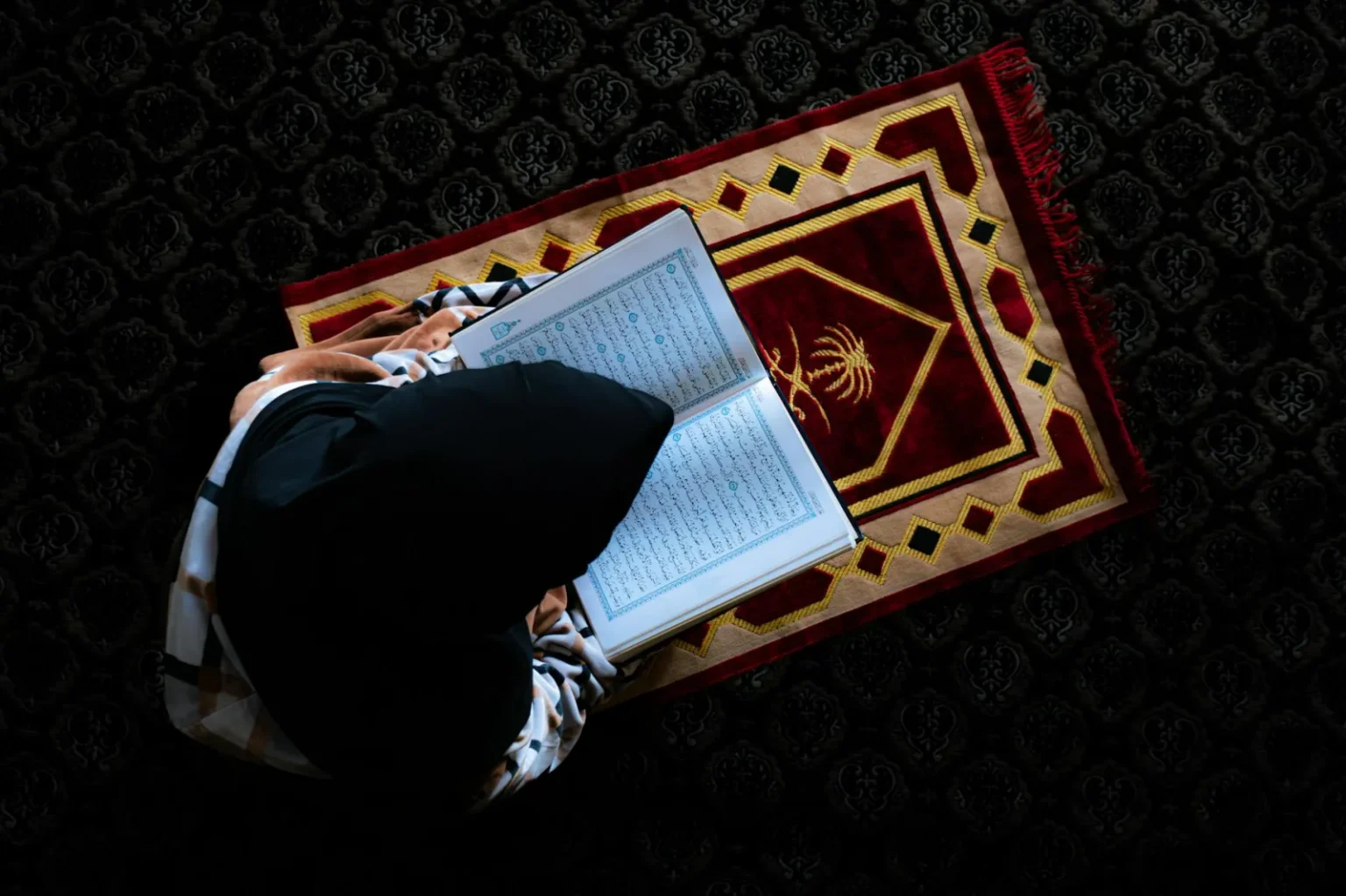
Cairo’s coffee culture extends beyond mere consumption; it embodies a rich tradition. Coffee is often served in small cups, accompanied by dates or sweets. This practice is not just about the beverage; it symbolizes hospitality. When you visit a local’s home, you may notice they serve coffee three times, each time with a different level of sweetness. The first cup is usually the sweetest, and as you progress, it becomes less so. This ritual represents a journey of flavors and a chance for deeper conversation.
- 1. The Art of Coffee: A Cultural Ritual
- 2. The Whirling Dervishes: A Spiritual Experience
- 3. Traditional Festivals: A Community Affair
- 4. The Art of Storytelling: Oral Traditions
- 5. The Importance of Family: Daily Customs
- 6. Local Crafts: Preserving Heritage
- 7. Culinary Traditions: Tasting History
- Conclusion: Embracing Cairo’s Cultural Practices
2. The Whirling Dervishes: A Spiritual Experience
One of the most mesmerizing cultural practices in Cairo is the performance of the Whirling Dervishes. These spiritual dancers, often seen in religious ceremonies, perform a form of meditation through dance. The act of spinning symbolizes the journey of the soul’s ascent to perfection. If you attend a performance, observe how the dancers wear long, flowing robes that expand as they twirl, creating a visual spectacle. This experience is not just entertainment; it’s a glimpse into Sufi mysticism and spirituality.
3. Traditional Festivals: A Community Affair
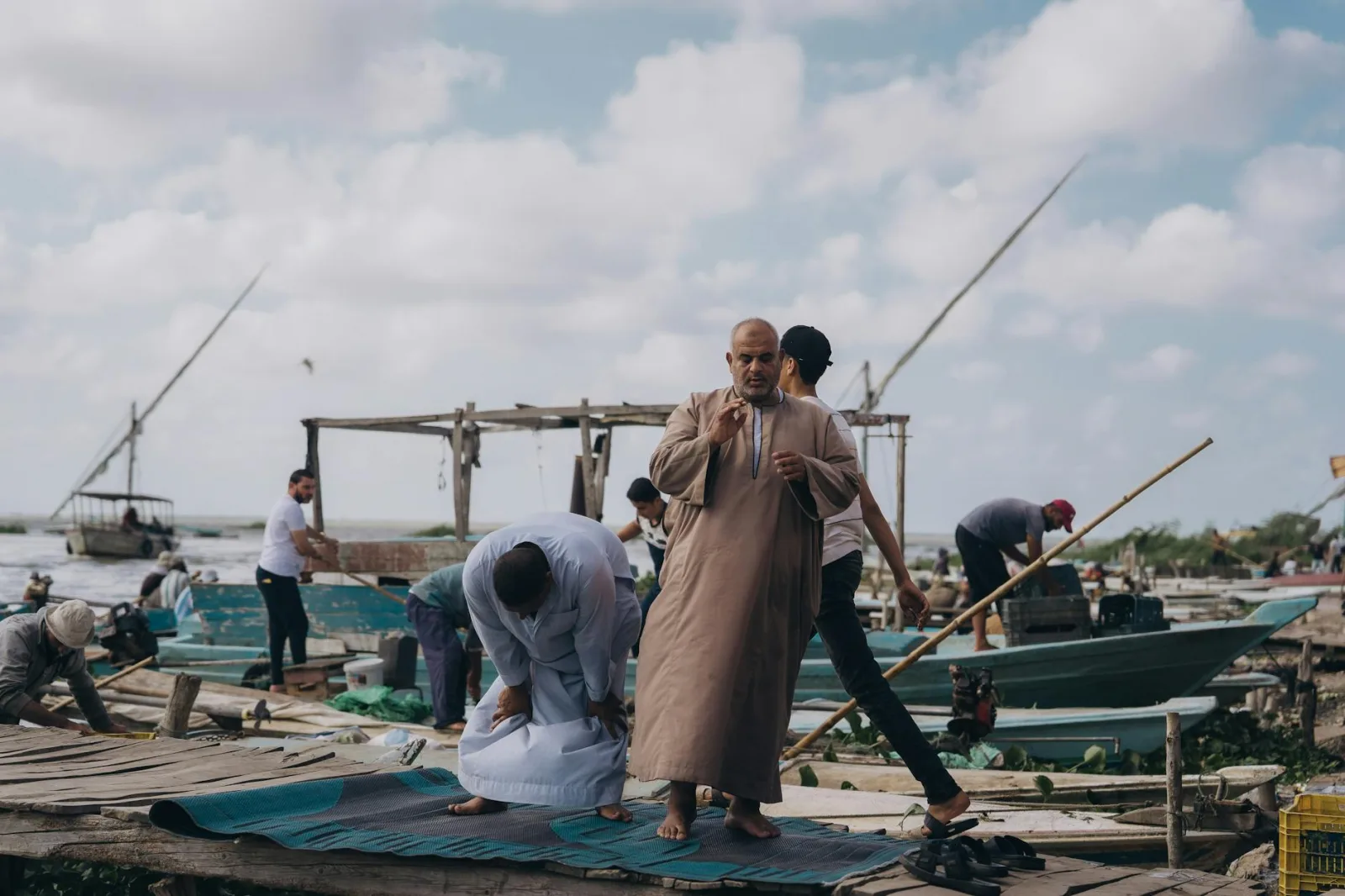
Cairo comes alive during various local festivals that showcase its traditions. One notable event is the **Moulid al-Nabi**, celebrating the birth of the Prophet Muhammad. During this festival, the streets are filled with processions, traditional music, and colorful decorations. Locals often prepare special dishes, such as **koshari** and **basbousa**, to share with family and friends. Participating in such festivals allows you to witness the collective joy and communal spirit of Cairo.
4. The Art of Storytelling: Oral Traditions
In Cairo, storytelling is more than a form of entertainment; it’s a vital part of cultural heritage. You may find local storytellers, known as **hakawatis**, in cafes or public squares, sharing tales that blend history, folklore, and moral lessons. This practice fosters a sense of community and keeps traditions alive. To fully appreciate this art, pay attention to the storyteller’s delivery, as they use gestures, facial expressions, and voice modulation to engage the audience. This experience is a beautiful reminder of the power of words.
5. The Importance of Family: Daily Customs
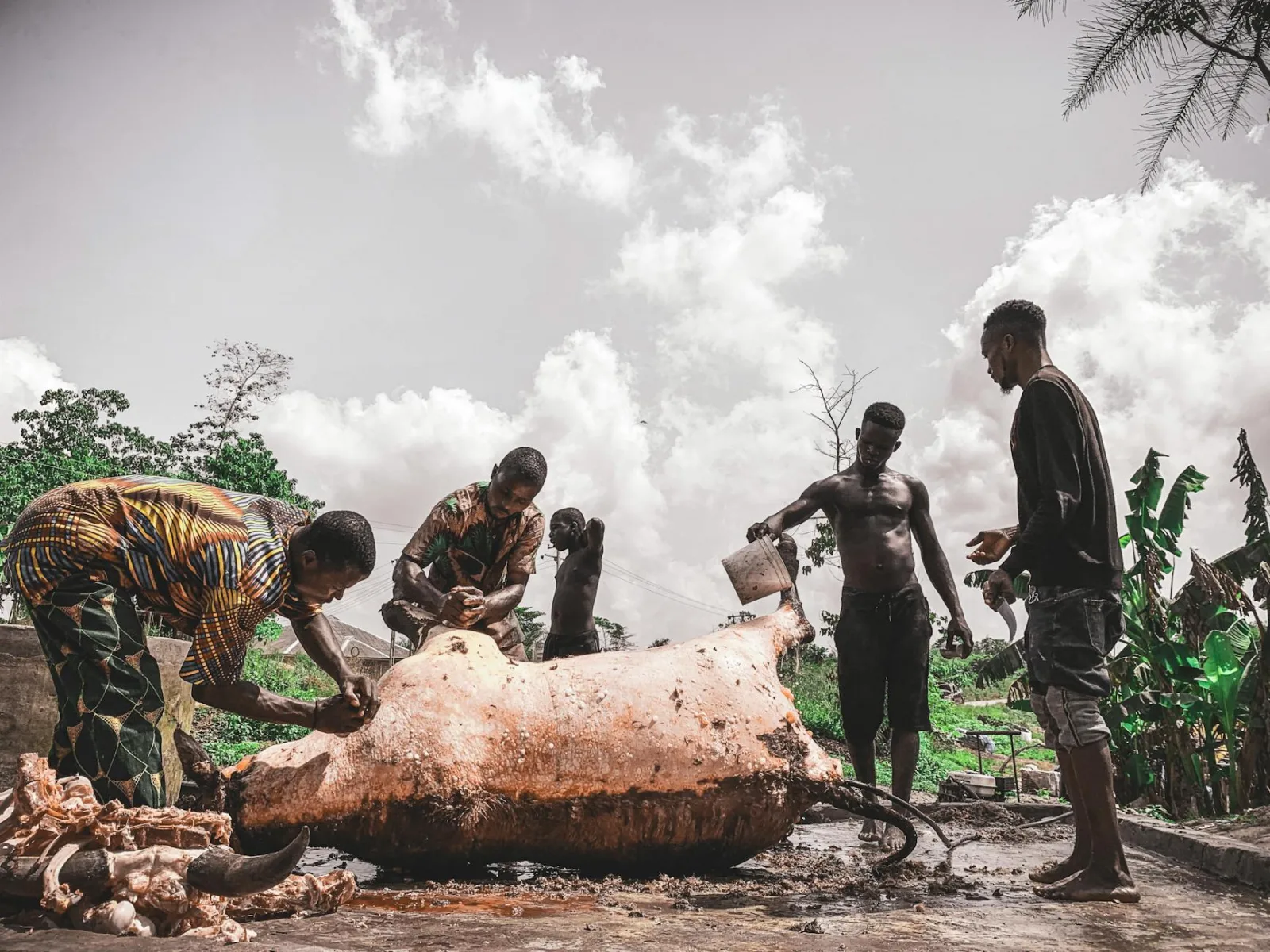
Family plays a central role in Cairo’s culture, influencing daily customs and interactions. Meals are often shared among extended family, emphasizing togetherness. If you’re invited to a family gathering, expect a feast where dishes are served in abundance. Important note: It’s considered polite to try a little of everything offered to you. This practice of sharing not only strengthens family bonds but also creates a sense of belonging. Remember, family dynamics in Cairo can be complex, so it’s essential to approach interactions with respect and curiosity.
6. Local Crafts: Preserving Heritage
Cairo is home to a vibrant artisan scene that reflects its rich history. Traditional crafts, such as pottery, weaving, and metalwork, are still practiced today. You can visit local workshops where artisans create stunning pieces using techniques passed down through generations. Engaging with these craftsmen allows you to appreciate the skill and dedication involved in their work. For a more immersive experience, consider a visit to our article on Experiencing Artisan Craftsmanship, which delves deeper into the local handicrafts.
7. Culinary Traditions: Tasting History
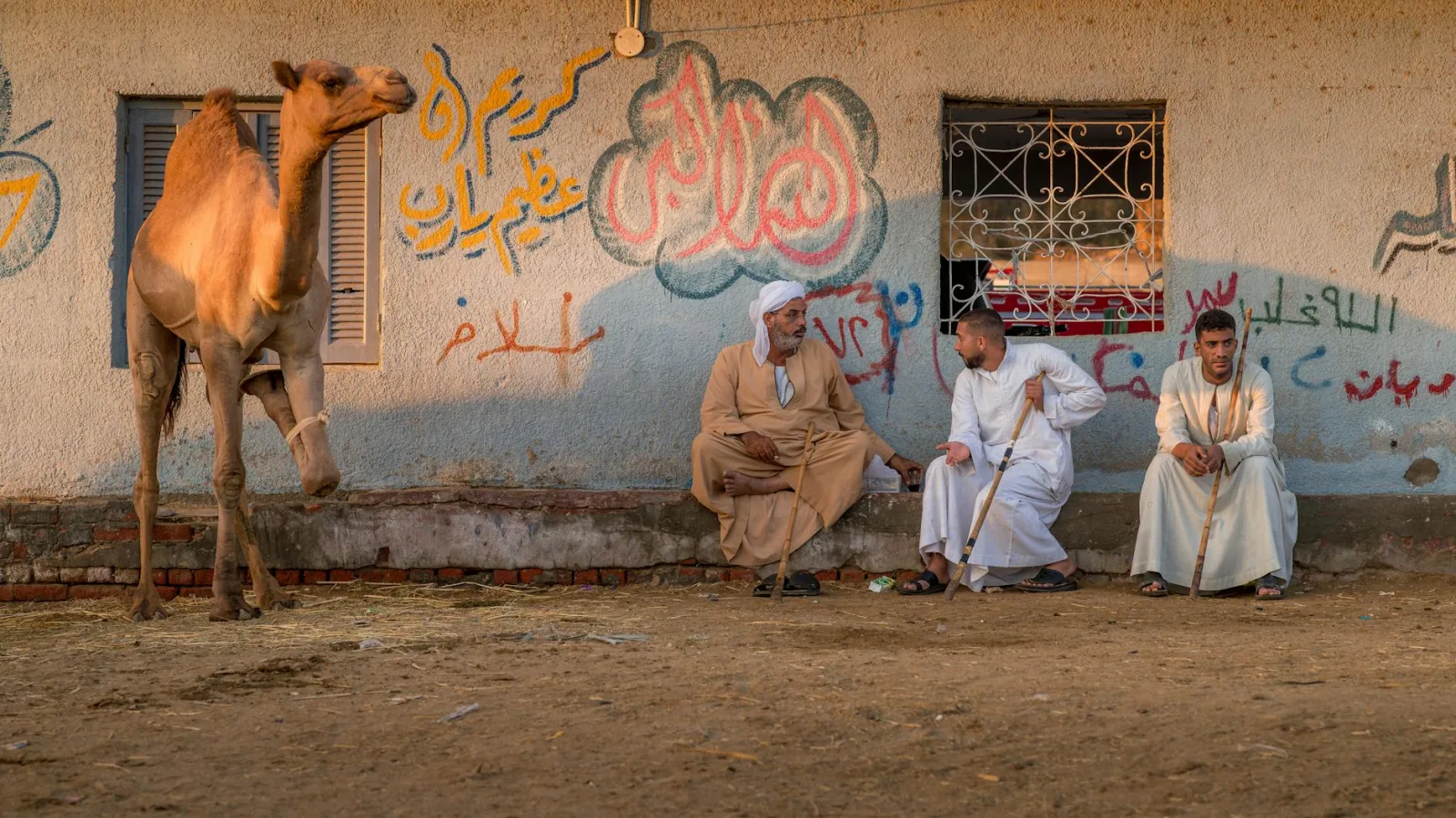
Cairo’s culinary scene is a tapestry of flavors, influenced by various cultures over centuries. Local dishes often tell the story of the city’s history and its diverse population. For example, **falafel** and **shawarma** have become staples, yet their origins trace back to different regions. Participating in an immersive culinary tour can provide you with a deeper understanding of these dishes and the traditions surrounding them. You can explore this in our article Immersive Culinary Tour, which highlights authentic flavors you shouldn’t miss.
Conclusion: Embracing Cairo’s Cultural Practices
Cairo’s traditions encompass a rich tapestry of cultural practices that reflect the city’s history and the warmth of its people. By engaging with these practices—such as the coffee ritual, the Whirling Dervishes, and local festivals—you gain a deeper understanding of the everyday life in Cairo. Remember, every experience you have contributes to a more authentic view of this vibrant city. Embrace the customs, participate in the celebrations, and you’ll find that Cairo’s heart beats in its traditions and the stories they tell.