





Understanding Italian Cuisine
Italian cuisine is renowned for its regional diversity, rich flavors, and emphasis on fresh, high-quality ingredients. Each region boasts unique dishes that reflect local traditions and agricultural practices. Therefore, when planning your food travel in Italy, understanding these regional differences is crucial for a fulfilling experience.
- Understanding Italian Cuisine
- 1. Northern Italy: A Palette of Flavors
- 2. Central Italy: The Heart of Tradition
- 3. Southern Italy: Bold and Vibrant
- 4. The Islands: Sicily and Sardinia
- 5. Food Markets and Local Experiences
- 6. Cooking Classes: Hands-On Learning
- 7. Wine Pairing: Enhancing Your Meal
- Conclusion: Embrace the Journey
1. Northern Italy: A Palette of Flavors
In Northern Italy, the cuisine is heavily influenced by the Alps and the proximity to Switzerland. Dishes often feature butter instead of olive oil, and polenta is a staple. For instance, in Lombardy, you might encounter Ossobuco, a braised veal dish served with Risotto alla Milanese, which is flavored with saffron. This combination showcases the region’s affinity for hearty, comforting meals.
2. Central Italy: The Heart of Tradition
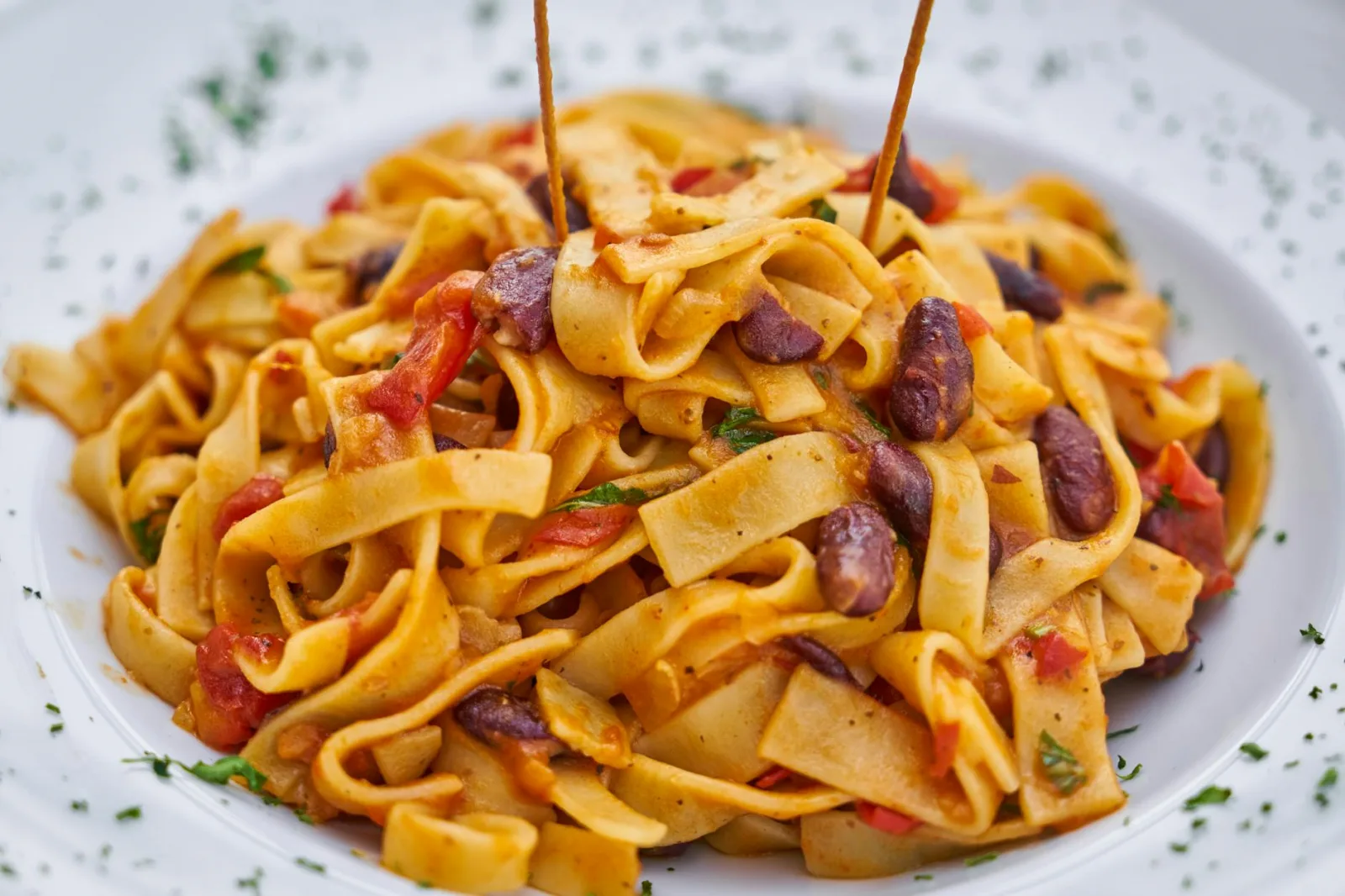
Central Italy, encompassing regions like Tuscany and Umbria, is famous for its rustic flavors and farm-to-table philosophy. Here, you’ll find Ribollita, a thick vegetable soup that embodies the region’s agricultural heritage. Additionally, Tuscan bread is unsalted, which may seem unusual, but it complements the rich flavors of local dishes like Pici cacio e pepe, a simple pasta with cheese and pepper. Understanding these regional intricacies can enhance your culinary journey.
3. Southern Italy: Bold and Vibrant
Moving south, the cuisine becomes bolder, with an emphasis on tomatoes, olives, and seafood. In Naples, the birthplace of pizza, you must try the classic Margherita Pizza, made with fresh mozzarella, basil, and San Marzano tomatoes. The experience of enjoying this dish in its city of origin is unparalleled, as it connects you with the local culture and passion for food.
4. The Islands: Sicily and Sardinia
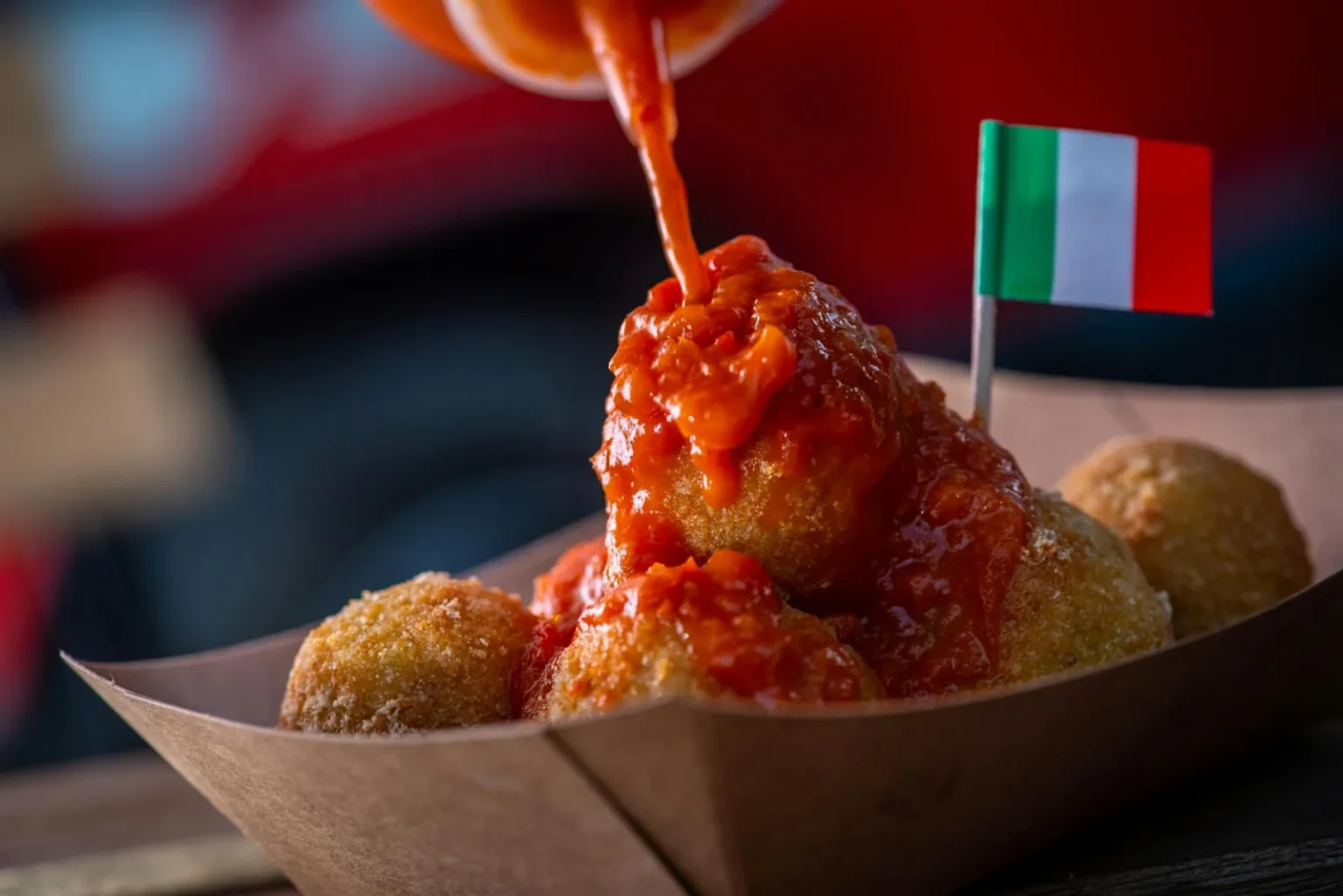
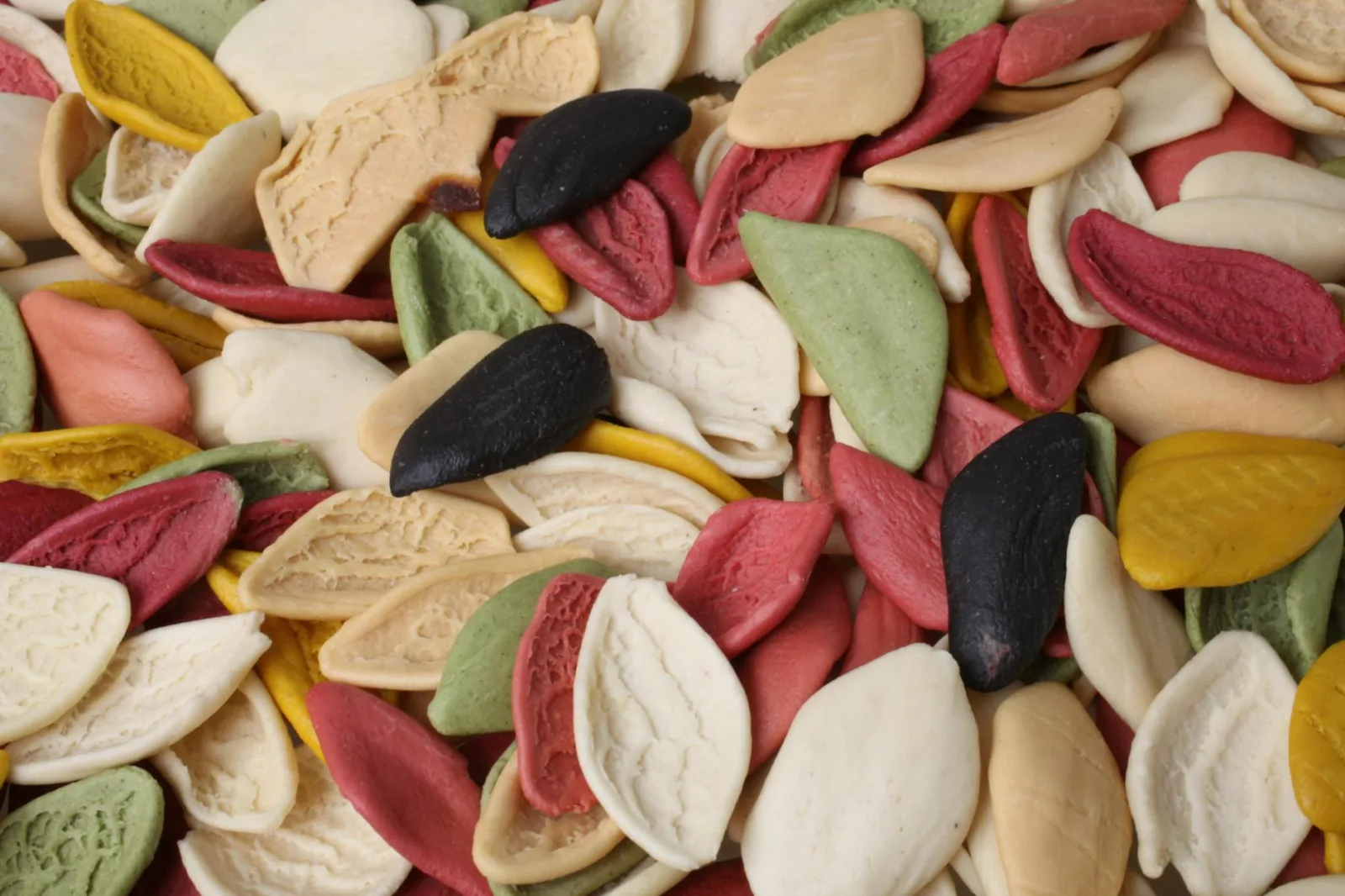
Sicilian cuisine is a melting pot of cultures, influenced by Arab, Greek, and Spanish flavors. Dishes like Arancini (stuffed rice balls) and Caponata (a sweet and sour eggplant dish) exemplify this diverse heritage. On the other hand, Sardinian cuisine is characterized by its use of unique ingredients such as Pane Carasau and Pecorino Sardo, a sheep’s milk cheese. Exploring these islands offers a glimpse into Italy’s rich history through its food.
5. Food Markets and Local Experiences
To truly immerse yourself in Italian cuisine, visiting local food markets is a must. Markets like the Mercato di San Lorenzo in Florence or the Ballarò Market in Palermo provide an authentic glimpse into daily Italian life. Here, you can sample local cheeses, cured meats, and fresh produce while engaging with passionate vendors. Pro tip: don’t hesitate to ask for recommendations; locals are often eager to share their culinary secrets.
6. Cooking Classes: Hands-On Learning
Participating in a cooking class can deepen your appreciation for Italian cuisine. These classes often focus on regional dishes and provide insight into traditional cooking techniques. For example, a pasta-making class in Bologna can teach you the art of crafting Tagliatelle al Ragù, allowing you to connect with the culture on a personal level. Important note: research and book classes in advance, as they can fill up quickly during peak travel seasons.
7. Wine Pairing: Enhancing Your Meal
Italy is synonymous with wine, and understanding local pairings can elevate your dining experience. Each region produces specific wines that complement its culinary offerings. For instance, pairing a Chianti with Tuscan dishes enhances the flavors, while a Barolo from Piedmont is perfect for rich meat dishes. Therefore, consider asking for wine suggestions when dining out to experience the full spectrum of Italian flavors.
Conclusion: Embrace the Journey
Navigating Italy’s culinary regions is not just about tasting food; it’s about experiencing a culture that deeply values its culinary heritage. From the rich flavors of the north to the bold tastes of the south, every dish tells a story. Be curious, explore local markets, engage with chefs, and don’t shy away from trying new things. Remember, the best way to learn about Italian cuisine is to savor every bite.
As you plan your culinary adventure, consider integrating some off-the-beaten-path experiences. For example, exploring Italy’s abandoned villages can lead to discovering hidden culinary gems. Happy eating!