





1. Understand the Italian Train System
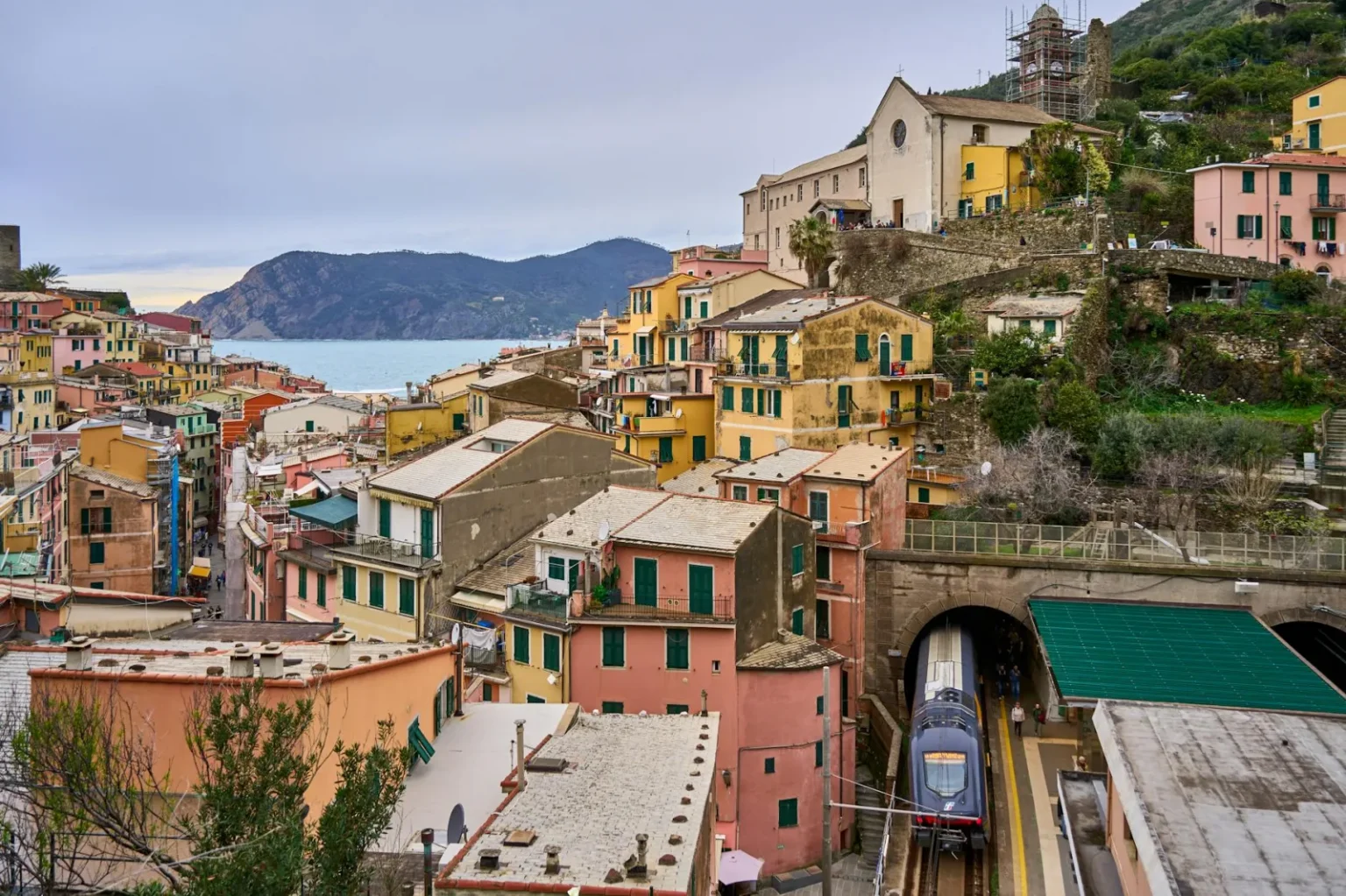
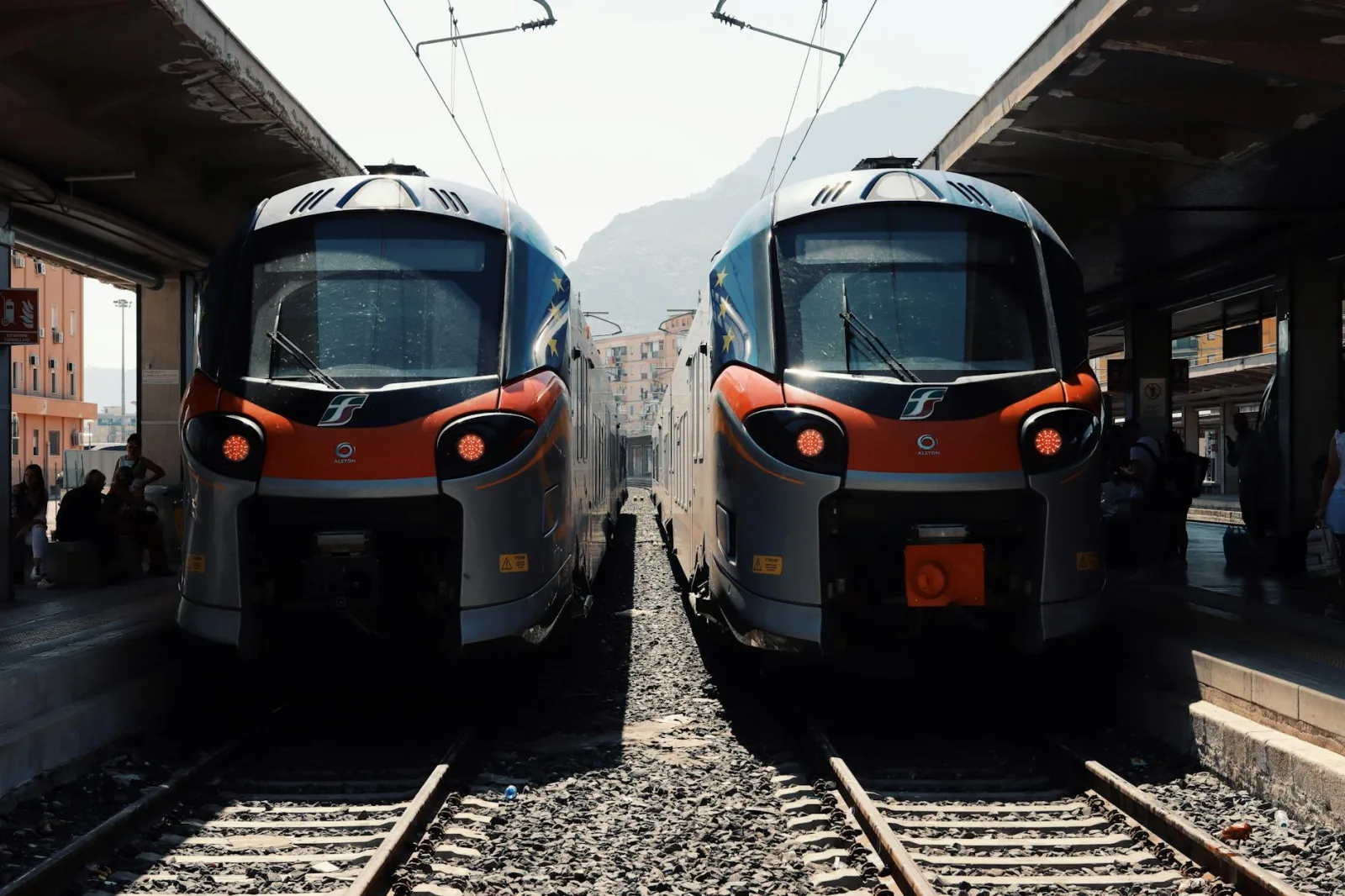
To navigate Italy’s enchanting villages, first familiarize yourself with the national train system, Ferrovie dello Stato (FS). Italy’s train network is extensive, connecting major cities to remote villages. For instance, the Trenitalia website offers schedules and routes, making it a vital resource when planning your journey. Understanding the train categories—Frecciarossa, Frecciargento, and Intercity—can help you choose the best option for your travel needs.
2. Plan Your Routes Wisely
When traveling through Italy’s villages by train, planning your routes is crucial. Certain Italian train routes, like the ones connecting Florence to Siena or Venice to Verona, are not only scenic but also efficient. Additionally, consider the travel duration; for example, the ride from Rome to Assisi takes about two hours, providing ample time to explore. Utilize resources like Google Maps or the Trenitalia app to visualize your journey and connections.
3. Purchase Tickets in Advance
Buying your train tickets in advance can save you both time and money. While tickets are available at stations, purchasing online often allows you to secure discounts. For instance, if you plan to visit the Amalfi Coast, booking tickets from Naples to Sorrento ahead of time ensures you avoid last-minute price hikes. Always check for available promotions on the Trenitalia website, as they frequently offer deals for early bookings.
4. Know the Best Times to Travel
Traveling during peak hours can lead to crowded trains and less enjoyable experiences. Generally, trains between 10 AM and 3 PM tend to be less busy. Additionally, consider traveling during off-peak months, such as November or March, when you can enjoy Italy’s villages with fewer tourists. For more insights into off-season travel, check out The Ultimate Guide to Off-Season Travel in Italy.
5. Pack Light and Smart
When exploring the picturesque villages, packing light is essential. Most trains have limited luggage space, and navigating cobblestone streets with heavy bags can be cumbersome. Aim for a weekender bag or a small suitcase that you can easily handle. Additionally, packing smart means including travel essentials—such as portable chargers, a reusable water bottle, and quick snacks—ensures a comfortable journey.
6. Embrace the Journey, Not Just the Destination
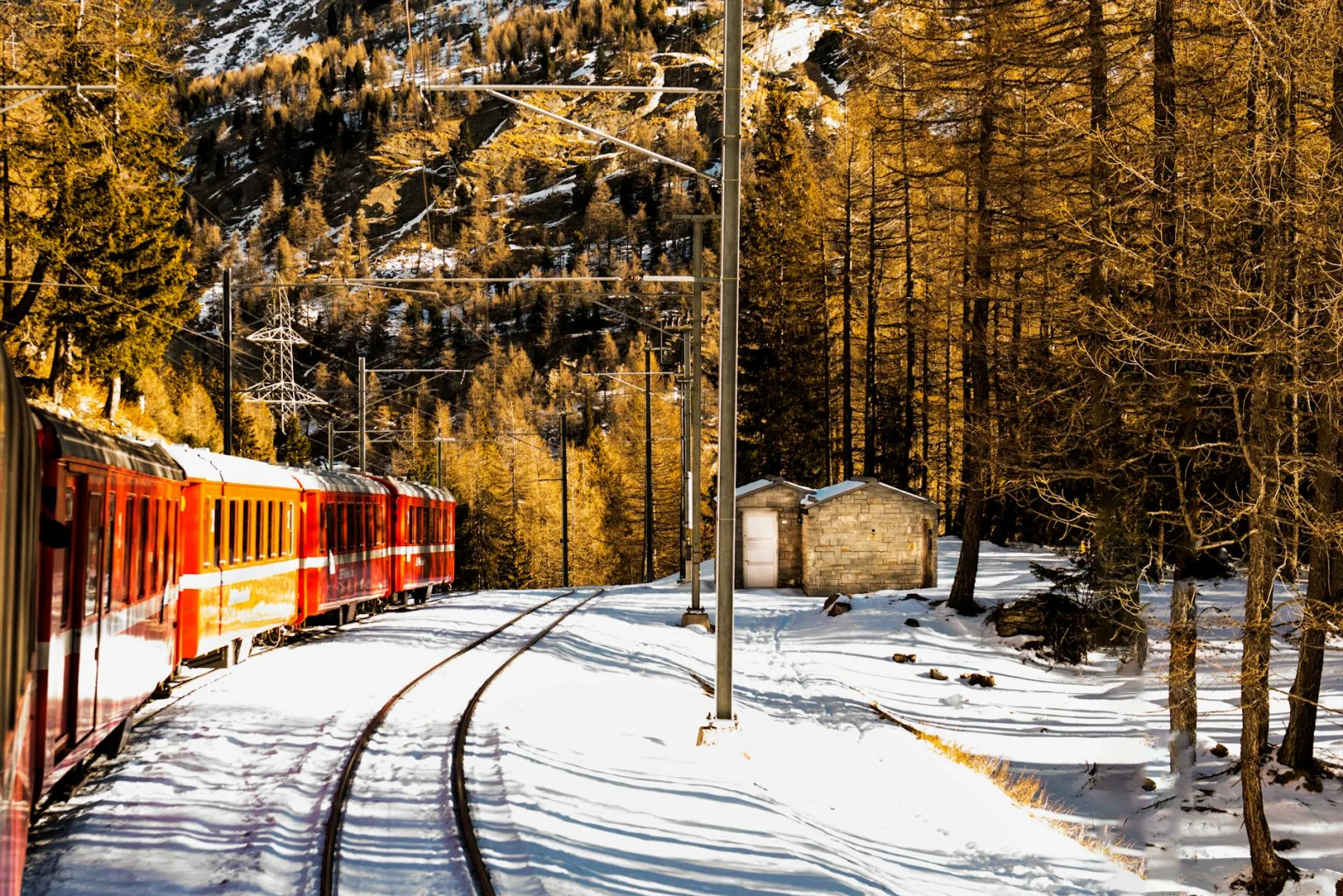
Traveling by train in Italy is an experience unto itself. The landscapes rolling past your window can be breathtaking. For example, the journey from Florence to the Tuscan countryside offers stunning views of vineyards and rolling hills. Embrace this time by relaxing and enjoying the scenery. You might even meet fellow travelers or locals who share their stories and recommendations.

7. Be Aware of Local Etiquette
Understanding local customs can enhance your travel experience. For instance, it’s customary to greet fellow passengers with a simple “buongiorno” when you enter a train compartment. Additionally, remember to validate your ticket before boarding; failing to do so may incur a fine. Important note: if you are traveling with children, ensure they are aware of train rules regarding behavior and safety. This knowledge helps everyone enjoy the journey.
Conclusion
Exploring Italy’s enchanting villages by train offers a unique and fulfilling way to experience the country’s rich culture and stunning scenery. By understanding the train system, planning your routes, purchasing tickets in advance, traveling at optimal times, packing appropriately, enjoying the journey, and respecting local etiquette, you can maximize your travel experience. As you prepare for your adventure, keep these tips in mind to ensure a memorable journey through Italy’s charming landscapes.