




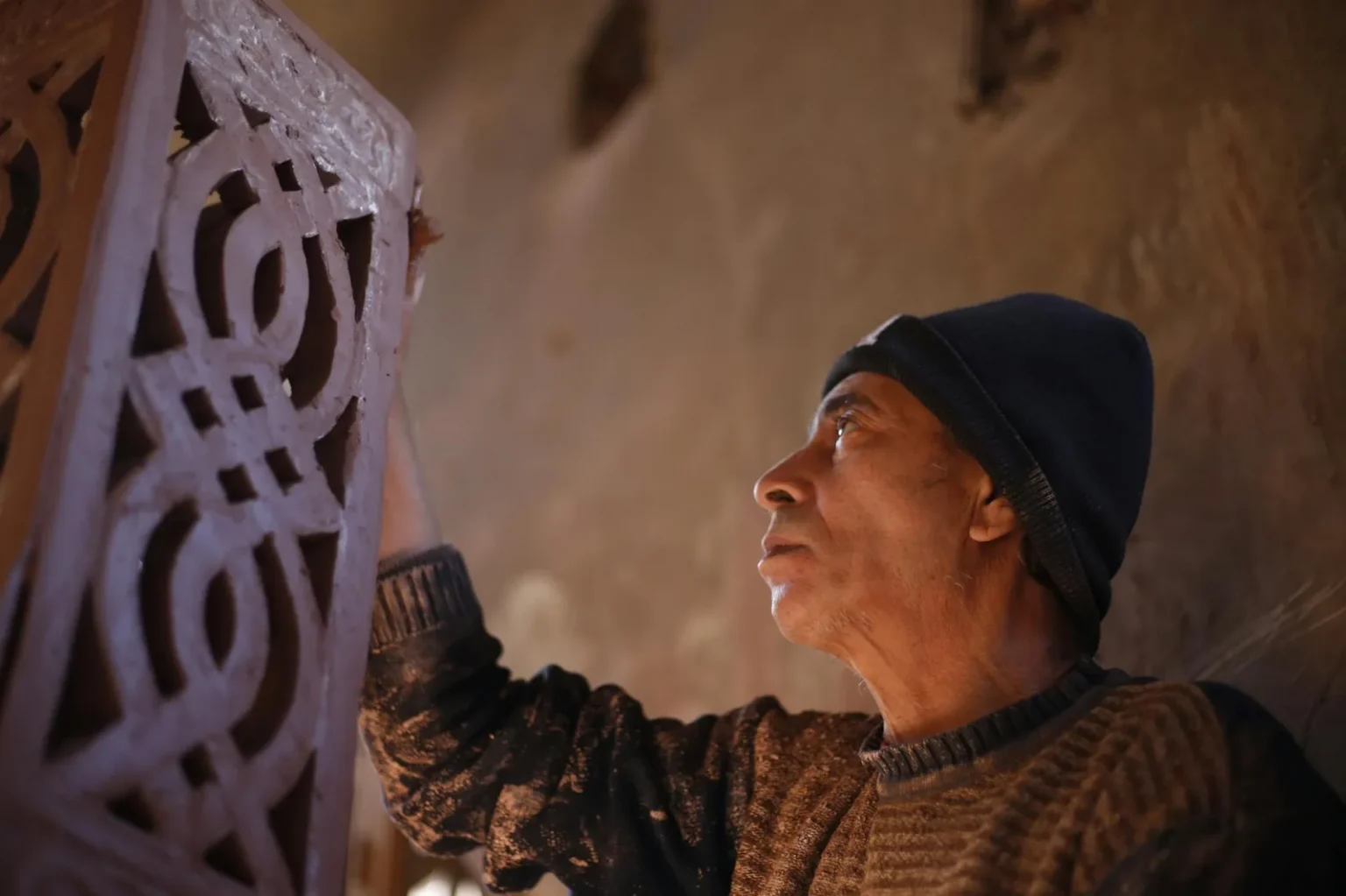

The Resurgence of Egyptian Crafts
In recent years, Egypt has witnessed a notable revival in its traditional crafts. This resurgence is largely attributed to a new generation of artisans who have embraced their cultural heritage while infusing modern techniques. The revival is crucial for preserving Egypt’s rich artistic legacy, which has faced threats from globalization and mass production.
Understanding Artisan Revival
The term ‘artisan revival’ refers to the renewed interest in handmade crafts. This movement emphasizes quality, individuality, and sustainability over mass-produced alternatives. Recent studies indicate that local artisans are increasingly sought after for their unique creations, which often tell stories of their cultural origins. According to a report by the Egyptian Ministry of Culture, over 1,000 small enterprises emerged in the past five years, focusing on traditional crafts.
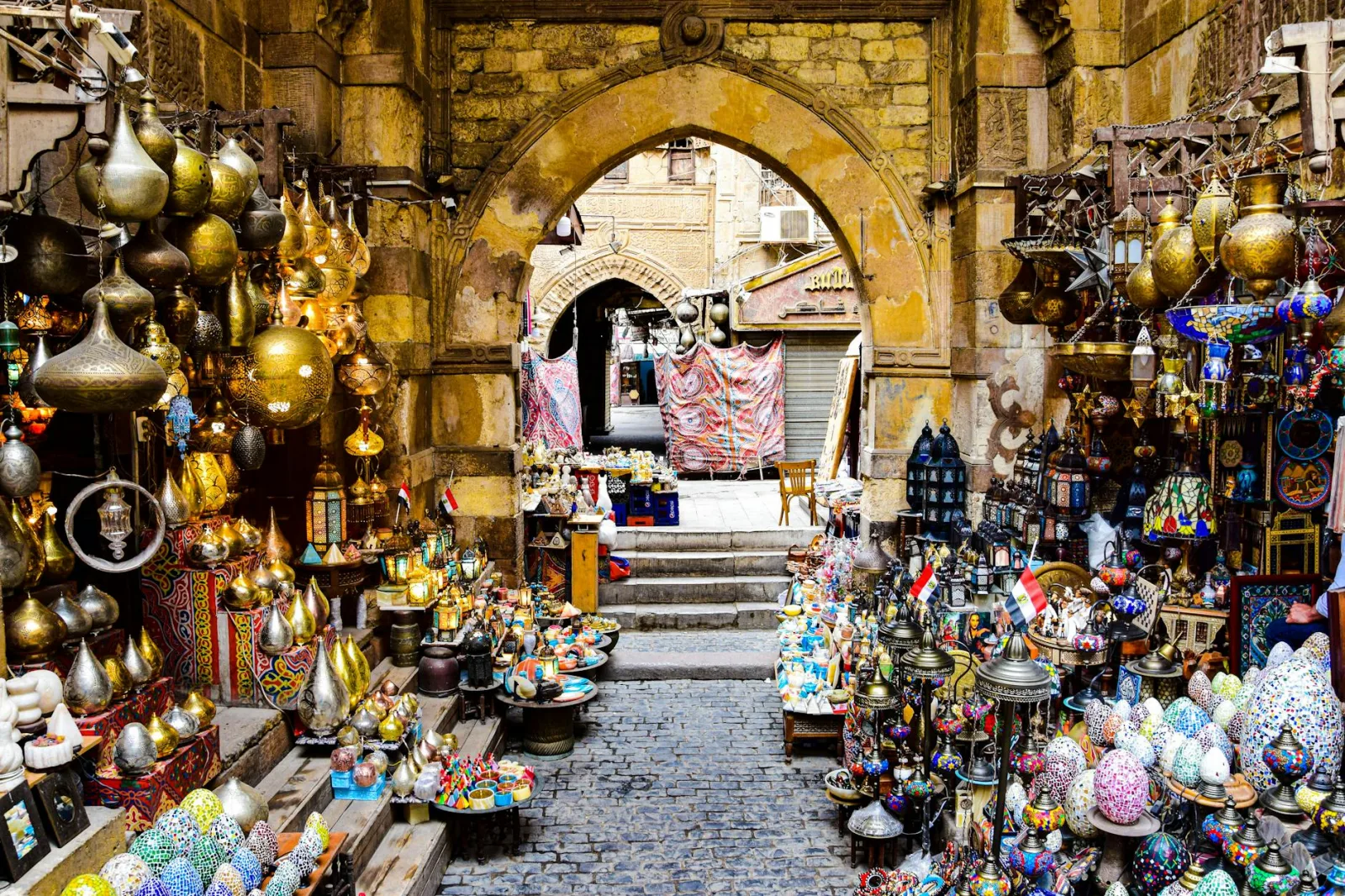
Key Areas of Craftsmanship
Egyptian crafts encompass a wide array of disciplines, including pottery, textiles, jewelry making, and woodworking. Each discipline offers a glimpse into the diverse cultural influences that have shaped the nation over millennia. For instance, pottery in the Nile Delta region often features motifs inspired by ancient Egyptian symbols, connecting contemporary artisans to their ancestral roots.
The Role of Local Artisans
Local artisans play a pivotal role in the craft revival. They not only create products but also serve as cultural ambassadors. Many are involved in workshops and community initiatives that educate the public about traditional techniques. For example, artisans in Cairo have established workshops that teach the art of khayamiya, or tent making, a craft that dates back to the Mamluk period. These workshops often attract both locals and tourists, fostering an appreciation for Egyptian heritage.
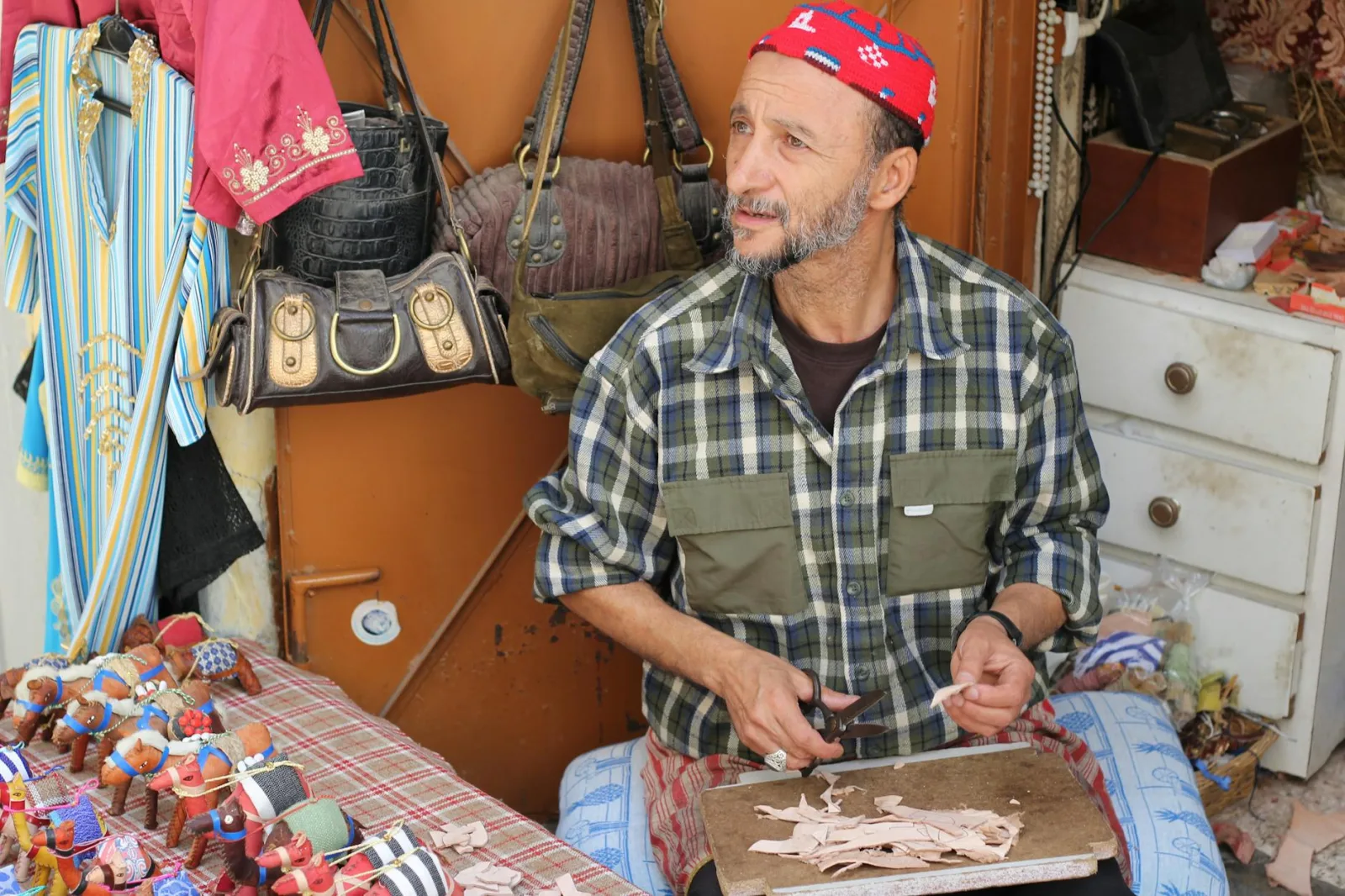
Challenges Facing Artisans
Despite the positive trends, artisans face several challenges. The competition from mass-produced goods remains fierce. Many consumers prioritize cost over craftsmanship, leading to a decline in sales for handmade products. Additionally, the lack of marketing knowledge among artisans limits their ability to reach broader audiences. Reports suggest that training in business and digital marketing could significantly enhance their visibility.
Government and NGO Support
To counter these challenges, various government initiatives and non-governmental organizations (NGOs) have stepped in. Programs aimed at supporting artisans through grants, training, and marketing assistance have emerged. For instance, the Egyptian Ministry of Trade and Industry launched a project in 2021 to promote handicrafts at international trade fairs. Such initiatives not only bolster the artisans’ economic prospects but also elevate Egypt’s cultural profile on the global stage.
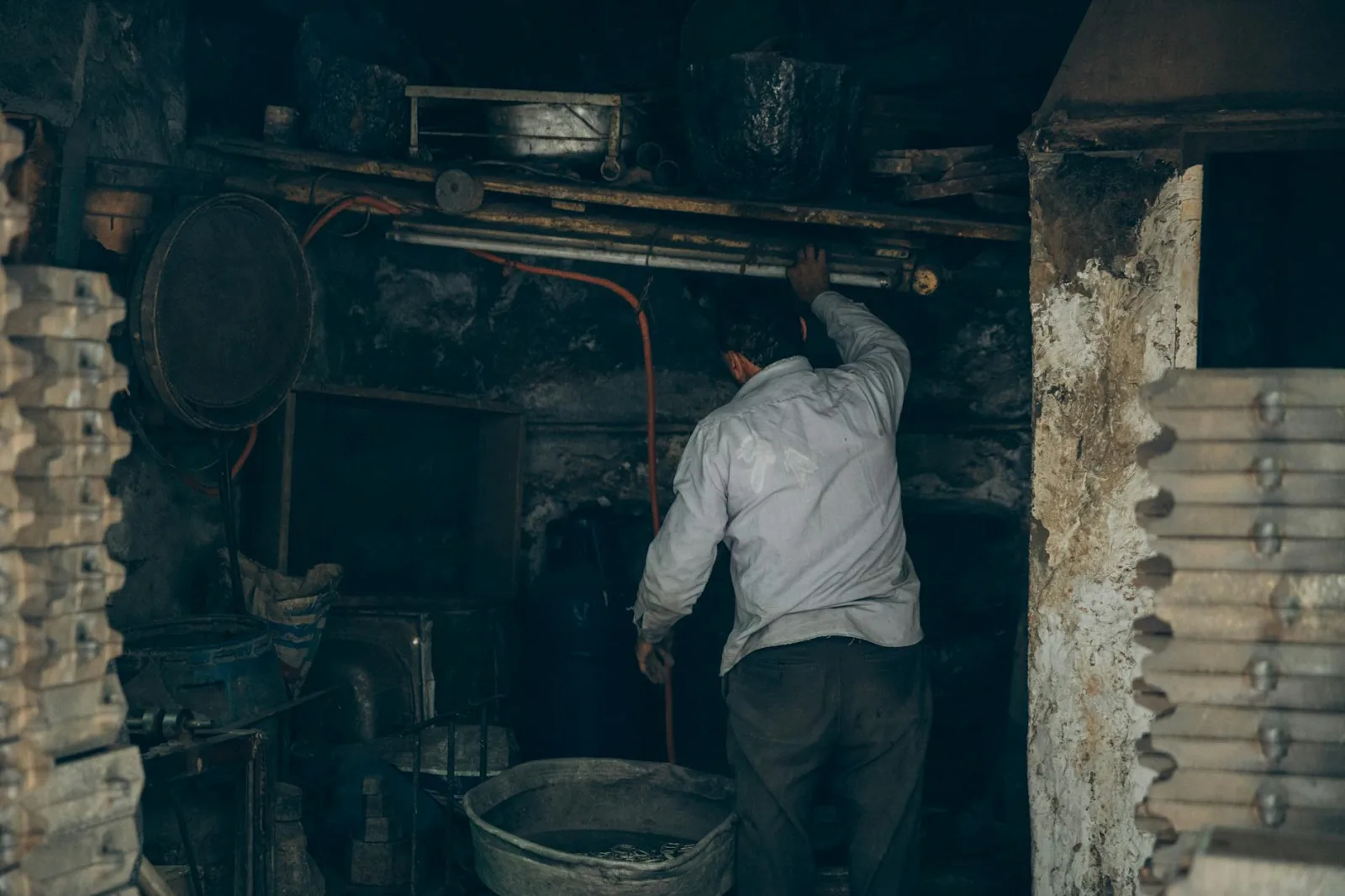
Impact of Digital Platforms
The advent of digital platforms has transformed how artisans market their products. Online marketplaces provide artisans with the tools to showcase their crafts to a global audience. Social media platforms facilitate the sharing of stories behind the crafts, enhancing customer engagement. Artisans have reported significant increases in sales through these channels. The growing trend of e-commerce is likely to sustain the craft revival, making it easier for consumers to access authentic Egyptian products.
Conclusion: A Promising Future
The craft revival in Egypt, driven by a new generation of artisans, signifies a hopeful future for traditional craftsmanship. As the balance between tradition and modernity continues to evolve, the dedication of local artisans ensures that these age-old practices will not only survive but thrive. This ongoing movement invites both locals and tourists to engage with the rich tapestry of Egyptian culture. For those seeking to explore authentic experiences, engaging with local artisans offers a meaningful way to appreciate Egypt’s heritage. For more insights on traditional experiences, visit 10 Must-Try Traditional Experiences for an Authentic Destination Trip.