




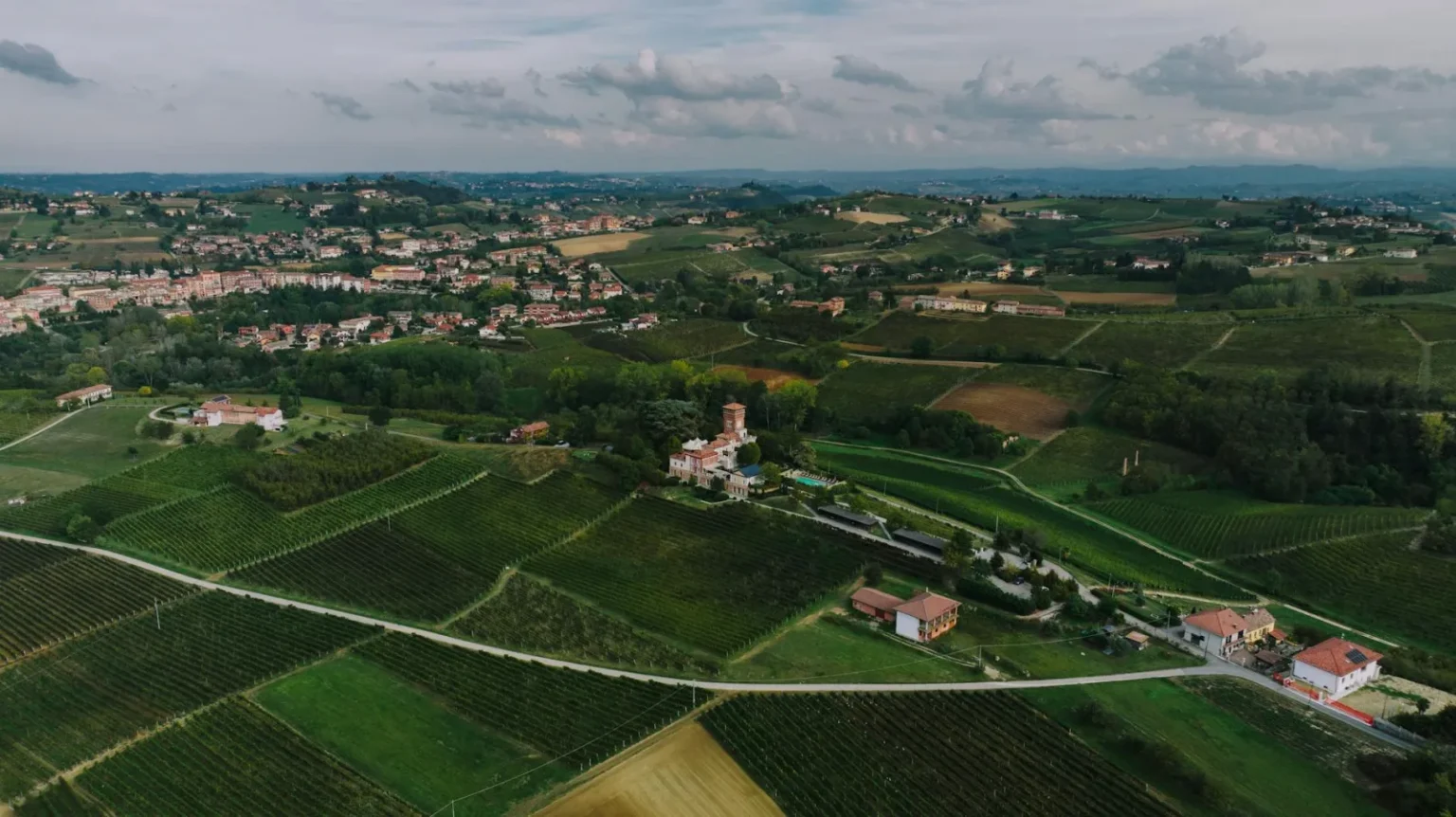

The Landscape of Italian Dialects
Italy is not just a single language; it’s a vibrant mosaic of dialects that reflect its diverse cultural heritage. Each region has its own unique dialect, influenced by history, geography, and local customs. Understanding these dialects can significantly enhance your travel experience. For instance, a traveler in Sicily might hear Sicilian, while in Tuscany, one might encounter the Florentine dialect. This variety can be both fascinating and challenging for visitors.
Why Dialects Matter
Diving into Italian dialects enriches your interactions with locals. Dialects often carry cultural significance, embodying traditions and identities. When you greet someone in their dialect, you’re not just saying hello; you’re showing respect for their culture. For example, saying “Ciao” in Venice might be met with a smile, but using the local Venetian term “Bona” could lead to a more genuine connection.

Key Italian Dialects to Know
1. **Sicilian**: Spoken in Sicily, this dialect has influences from Arabic, Spanish, and Greek due to the island’s history. You’ll find unique words and phrases that differ greatly from standard Italian.
2. **Neapolitan**: In Naples and surrounding areas, Neapolitan is characterized by its musical intonation and rich vocabulary. Using terms like “Guaglione” (boy) can help you blend in more smoothly.
3. **Romanesco**: The dialect of Rome has its quirks, such as using “er” instead of “il” for masculine articles. It’s a blend of traditional and modern expressions.
4. **Tuscany’s Florentine**: This dialect is often considered the basis of standard Italian. However, it still has its local flair, especially in pronunciation.
Understanding Regional Accents
Besides dialects, regional accents also play a vital role in how Italian is spoken. Accents can vary even within the same dialect. For example, a Milanese accent differs from a Bergamasque one, even though both are in Lombardy. This can affect how you perceive and understand conversations. Listening to local speakers or media can help you attune your ear to these nuances.

Practical Language Tips
Here are some practical language tips to navigate Italian dialects and accents effectively:
1. **Listen Actively**: Pay attention to how locals speak. Whether in cafes or markets, observe their expressions and intonations.
2. **Practice Key Phrases**: Learn a few phrases in local dialects to break the ice. Simple greetings or expressions of gratitude can go a long way. For example, saying “Grazie mille” (thank you very much) in any dialect is appreciated.
3. **Use Translation Apps**: While not perfect, apps can aid communication. Download language apps that focus on dialects to enhance your understanding.
4. **Engage with Locals**: Don’t hesitate to ask locals about their dialect. Most will be happy to share insights and teach you a few words.
Common Mistakes to Avoid
While exploring Italian dialects, be mindful of common pitfalls:
1. **Assuming Uniformity**: Many travelers mistakenly believe that Italian is spoken the same way everywhere. Each region has distinct variations; embracing this can enrich your experience.
2. **Over-Reliance on Standard Italian**: If you only speak standard Italian, you might miss out on local expressions and humor. Try to adapt to your surroundings.
3. **Not Practicing Enough**: Language skills improve with practice. Engage in conversations whenever possible, even if you make mistakes.

Immersive Experiences to Enhance Understanding
To truly understand Italian dialects, immersive experiences are invaluable:
1. **Join Local Tours**: Participate in guided tours that emphasize local culture and language. This often includes interaction with residents and firsthand exposure to dialects.
2. **Attend Local Events**: Festivals or community gatherings provide opportunities to hear and practice dialects in a lively setting.
3. **Culinary Classes**: Consider taking cooking classes focused on regional cuisine. These classes often incorporate local dialects as instructors share culinary terminology and stories. For more on food experiences, check out our guide on Navigating Italy’s Culinary Regions.
Final Thoughts on Navigating Dialects
Understanding Italian dialects and regional accents can profoundly enhance your travel experience. By actively engaging with locals and being open to learning, you can foster deeper connections and insights into Italy’s rich cultural tapestry. Remember, the journey of learning is just as important as the destination. Embrace the dialects, and you may find that they reveal stories and traditions that bring Italy to life in unexpected ways. In summary, immerse yourself in the language, practice regularly, and don’t shy away from mistakes—they’re part of the process. Happy travels!