




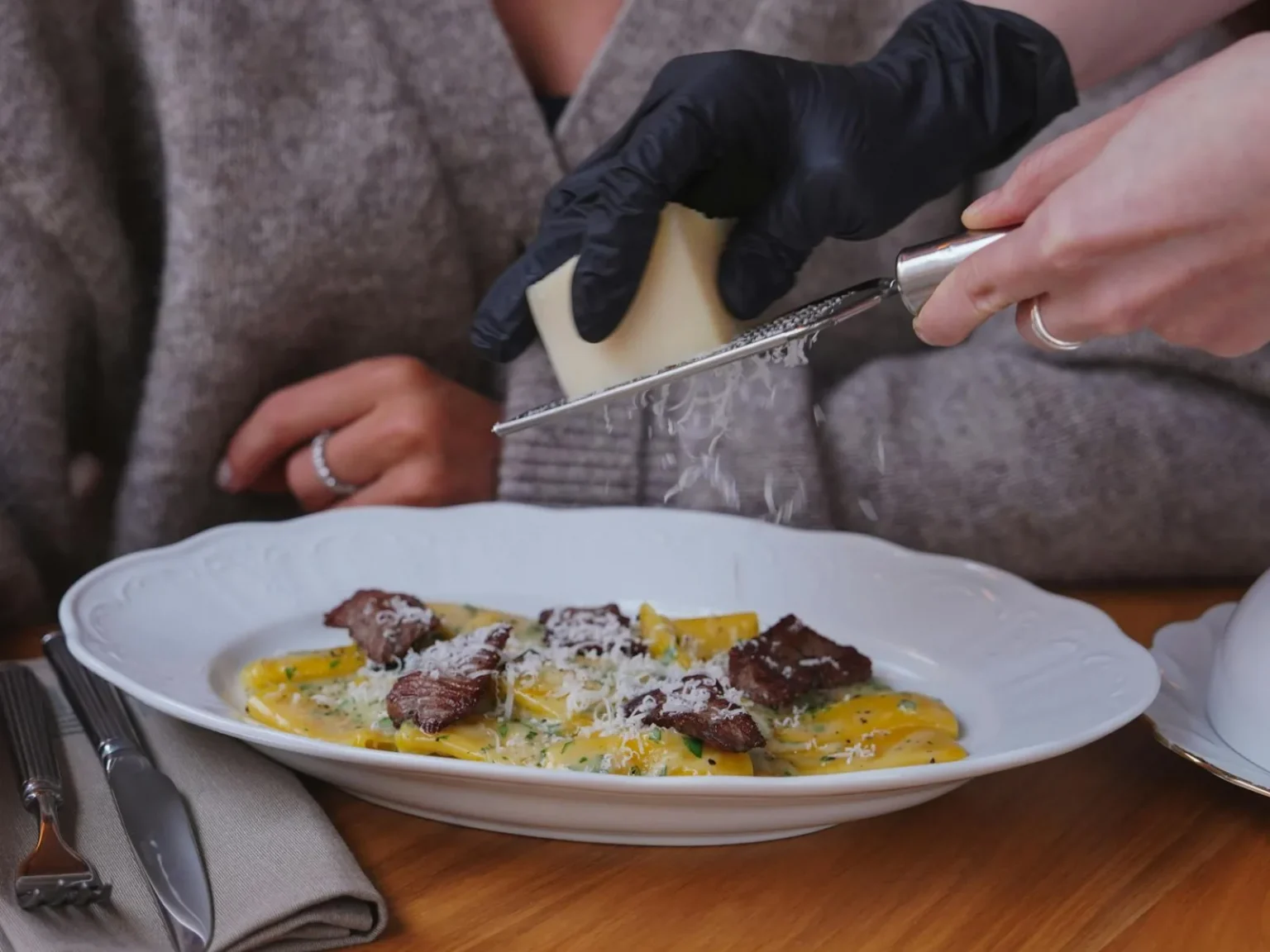

Understanding Italian Dining Etiquette
Italian dining etiquette encompasses a range of customs and practices that reflect the country’s rich culinary heritage. By understanding these principles, you can enjoy meals more fully and show respect for local traditions. This guide will help you navigate through various dining scenarios, making your experience in Italy truly enriching.
1. The Structure of Italian Meals
Italian meals are typically structured into several courses. A traditional meal consists of:
- Antipasto: Appetizers that may include cured meats, cheeses, and marinated vegetables.
- Primo: The first course, usually a pasta or rice dish.
- Secondo: The main course, generally comprising meat or fish.
- Contorno: Side dishes often consisting of vegetables or salads.
- Dolce: Dessert, which rounds off the meal.
Understanding this structure can enhance your dining experience. For instance, knowing that pasta is served before the meat helps you appreciate the flow of the meal. You wouldn’t want to order a meat dish as your first course, as it may seem out of place.
2. Table Manners: Do’s and Don’ts
Following proper food manners is crucial in Italy. Here are some essential do’s and don’ts:
Do’s
- Keep Your Hands on the Table: Unlike in some cultures, it’s polite to keep your hands visible on the table, but not elbows.
- Use Utensils Properly: Always use a fork and knife for nearly everything, including pizza.
- Chew with Your Mouth Closed: This basic rule is universally appreciated and especially important in formal settings.
Don’ts
- Don’t Rush: Meals are leisurely affairs. Enjoy your food and the company.
- Don’t Ask for Modifications: It’s considered rude to ask for changes to traditional dishes. Accept them as they are meant to be enjoyed.
- Don’t Use Your Phone: Keep your phone away during meals to show respect to your dining companions.
By adhering to these simple rules, you’ll blend seamlessly into the dining atmosphere.
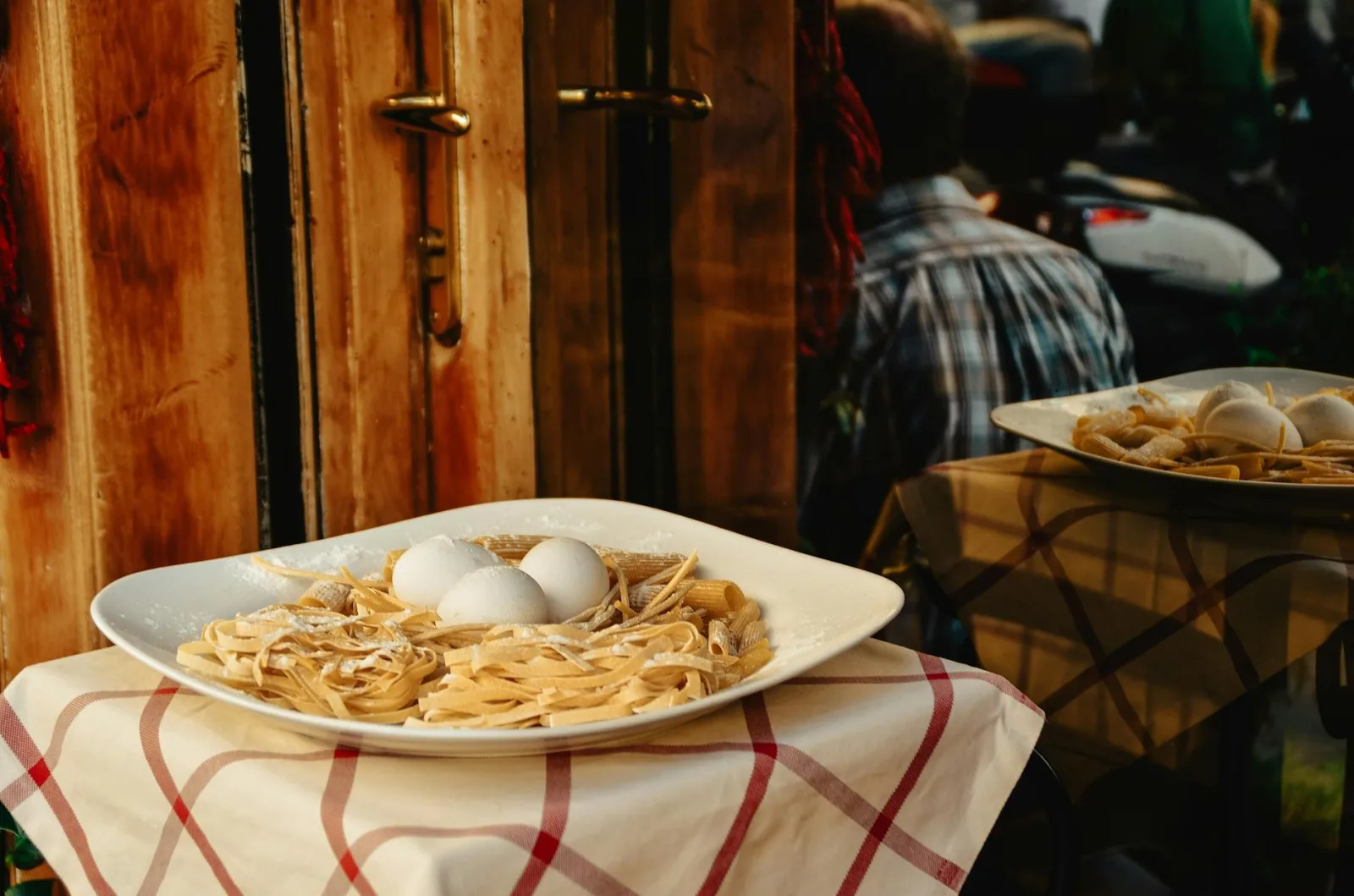
3. Restaurant Tips for Dining Like a Local
When you step into an Italian restaurant, there are a few tips that can enhance your experience:
Choosing the Right Restaurant
Opt for places that are busy with locals. A bustling restaurant often indicates quality food. For instance, if you see a long queue outside, it’s a good sign that the establishment is reputable.
Understanding the Menu
Menus can vary significantly across regions. For example, in Northern Italy, you might find more rice dishes, while Southern Italy favors pasta. Familiarize yourself with local specialties to make informed choices.
Ordering Wine
When ordering wine, it’s common to ask for a local option. Italians take pride in their regional wines, and you can enhance your meal by pairing it with the local fare. A pro tip: never order a cappuccino after a meal, as it’s generally reserved for breakfast.
4. Tipping Etiquette in Italy
Tipping in Italy can be a bit different from what you might be used to. Here are the basics:
Service Included
Most restaurants include a service charge in the bill (called “coperto”). This charge usually ranges from €1 to €3 per person. If you’re pleased with the service, leaving a small tip (5-10%) is appreciated but not obligatory.
Cash is King
It’s often best to leave tips in cash, even if you pay the bill with a credit card. This practice ensures that your server receives the tip directly.
5. Special Occasions and Celebrations
Dining etiquette may vary during special occasions, such as weddings or holidays. Here are some points to keep in mind:
Dress Appropriately
For formal events, dressing well is expected. Think smart-casual at a minimum, as Italians value fashion and presentation.
Participating in Traditions
During celebrations, you may encounter specific customs, such as toasting with “Salute!” before a meal. Engaging in these traditions, even if you are unsure, shows your appreciation for the culture.

6. Common Mistakes to Avoid
Here are some common mistakes that travelers make regarding Italian dining etiquette:
Misunderstanding Course Order
As mentioned before, understanding the course order is vital. Avoid skipping ahead to dessert or ordering a second course before the first.
Ignoring Local Customs
Each region has its food customs. For instance, in Naples, it’s common to eat pizza with your hands, while in Florence, it’s more acceptable to use utensils. Observing how locals eat can provide valuable cues.
Over-Ordering
Italian meals are filling, and over-ordering can lead to food waste. It’s better to order a few dishes and share them as this encourages interaction and allows you to sample more flavors.
7. Conclusion: Dining with Respect and Joy
Understanding and practicing Italian dining etiquette can greatly enhance your culinary journey. By respecting local traditions, you not only show appreciation for the culture but also open yourself to a richer dining experience. Remember to take your time, enjoy the food, and savor each moment with your dining companions. In Italy, meals are not just about eating; they are about connections, conversations, and creating memories. So, the next time you sit down for a meal in Italy, keep these tips in mind to dine like a true local.
By embracing these etiquette guidelines, you ensure that your dining experiences in Italy are both respectful and enjoyable. For further insights into Italian culture, consider exploring The 7 Marvels of the Old Globe: Classic Lessons or The Ultimate Guide to Off-Season Travel in Italy.