





Understanding the Historical Landscape of the Arabian Peninsula
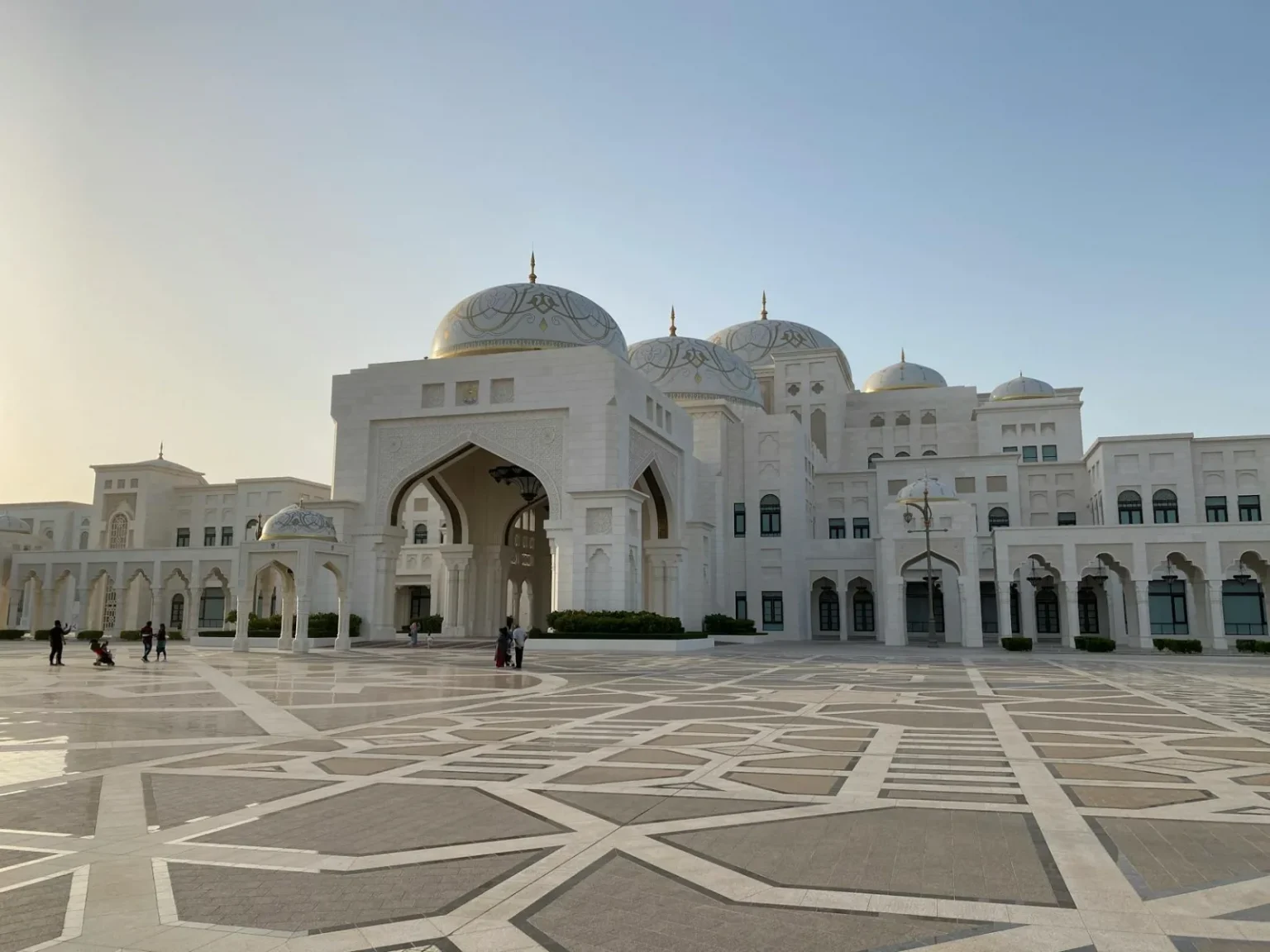
The Arabian Peninsula is often celebrated for its vast deserts and modern cities, but it also holds a wealth of hidden historical landmarks that tell the story of its rich past. To appreciate these sites, it’s essential to understand the region’s historical context, which dates back thousands of years. The Arabian Peninsula has been a crossroads for trade, culture, and religion, influencing various civilizations.
- Understanding the Historical Landscape of the Arabian Peninsula
- 1. Exploring AlUla: An Ancient Oasis
- 2. The Forts of Oman: A Testament to Resilience
- 3. Discovering the Ruins of Ubar: The Atlantis of the Sands
- 4. The Ancient City of Qal’at al-Bahrain: A Cultural Crossroad
- 5. The Hidden Village of Khasab: A Journey Back in Time
- 6. Visiting the Tombs of the Kings at Al Jazeera: A Dive into Pre-Islamic History
- 7. Cultural Exploration: Engaging with Local Histories
- Conclusion: Key Takeaways from Your Journey
1. Exploring AlUla: An Ancient Oasis
One of the most remarkable hidden historical landmarks is AlUla in Saudi Arabia. This ancient oasis is home to stunning rock formations and archaeological sites, including the UNESCO-listed Madain Saleh, often referred to as the “Arabian Petra.” Here, you’ll find tombs carved into the rock, dating back to the Nabataean civilization. It’s crucial to plan your visit in advance as access may be restricted to preserve the site. The best time to go is during the cooler months, from October to March.

2. The Forts of Oman: A Testament to Resilience
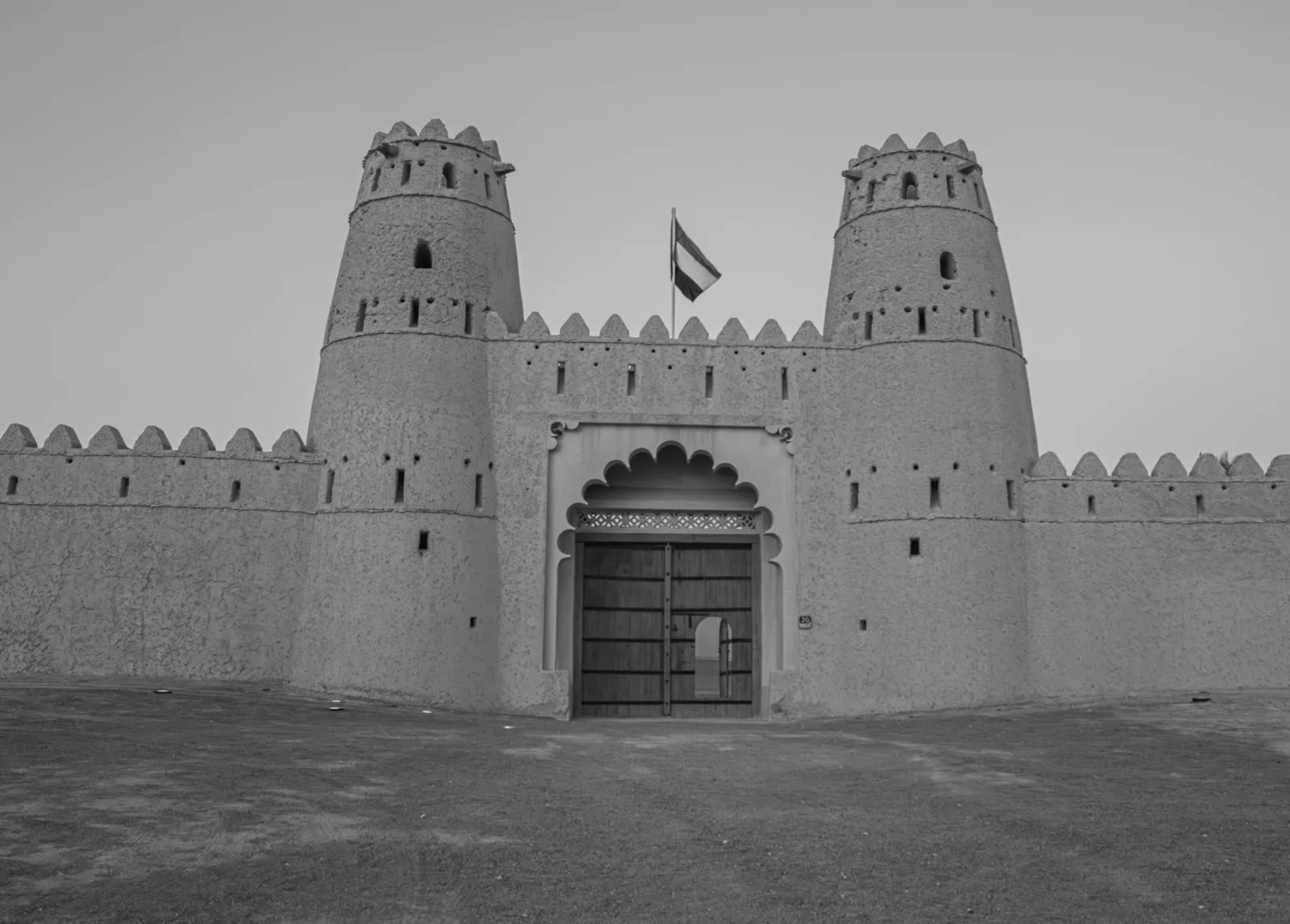
In Oman, the numerous forts scattered across the landscape are a testament to the country’s historical significance. These forts, such as the Nizwa Fort and Bahla Fort, reflect the architectural styles and defensive strategies of the region. When visiting, take time to appreciate the intricate designs and the stories they hold. A pro tip is to engage with local guides who can provide deeper insights into the forts’ histories and their roles in Oman’s past.
3. Discovering the Ruins of Ubar: The Atlantis of the Sands
Legend has it that Ubar, also known as the Atlantis of the Sands, is buried beneath the sands of Oman. Although its exact location remains a mystery, the search for this ancient city is a captivating journey. Some believe that the remnants can be found near the Empty Quarter. If you choose to embark on this quest, ensure you’re well-prepared for the desert environment. Always travel with adequate supplies and consider joining a guided tour for safety and expert knowledge.
4. The Ancient City of Qal’at al-Bahrain: A Cultural Crossroad
The ancient city of Qal’at al-Bahrain, a UNESCO World Heritage Site, offers a glimpse into the region’s early civilization. Located on the island of Bahrain, this site features impressive archaeological layers that span over 4,000 years. You can explore the remnants of the ancient harbor, which was once a trading hub. When visiting, pay attention to the museum nearby, which houses artifacts that explain the significance of the site in trade and culture.
5. The Hidden Village of Khasab: A Journey Back in Time
Located in Musandam, Oman, Khasab is often overlooked by travelers. However, it boasts a rich history and stunning scenery. The Khasab Castle, built in the 17th century, offers an insight into the region’s past. While exploring, you may also come across ancient petroglyphs etched into the rocks, depicting scenes from daily life in the past. Important note: Respect these sites by not touching or defacing the carvings.

6. Visiting the Tombs of the Kings at Al Jazeera: A Dive into Pre-Islamic History
The Tombs of the Kings at Al Jazeera in Oman are another lesser-known landmark that offers insight into pre-Islamic history. These tombs, believed to date back to the 3rd century BC, are significant for understanding the burial traditions of ancient Omanis. The location is remote, so it’s advisable to travel with a knowledgeable guide who can provide context and ensure a respectful visit.
7. Cultural Exploration: Engaging with Local Histories
As you explore these hidden historical landmarks, engaging with local communities enhances your understanding of their significance. Participate in local tours, attend cultural events, or visit small museums that showcase artifacts and stories relevant to the sites. This interaction not only enriches your experience but also supports the preservation of these historical treasures.
Conclusion: Key Takeaways from Your Journey
Exploring the hidden historical landmarks of the Arabian Peninsula is not just a journey through time; it’s an opportunity to connect with the rich cultural tapestry of the region. Here are the key takeaways for your exploration:
- Prioritize planning your visits, especially to sites like AlUla and Ubar.
- Engage with local guides to deepen your understanding of historical contexts.
- Respect the integrity of archaeological sites and artifacts.
- Explore beyond mainstream attractions to uncover the region’s hidden gems.
By embracing the lesser-known historical sites, you contribute to their preservation and ensure that these stories continue to be told for generations to come.