




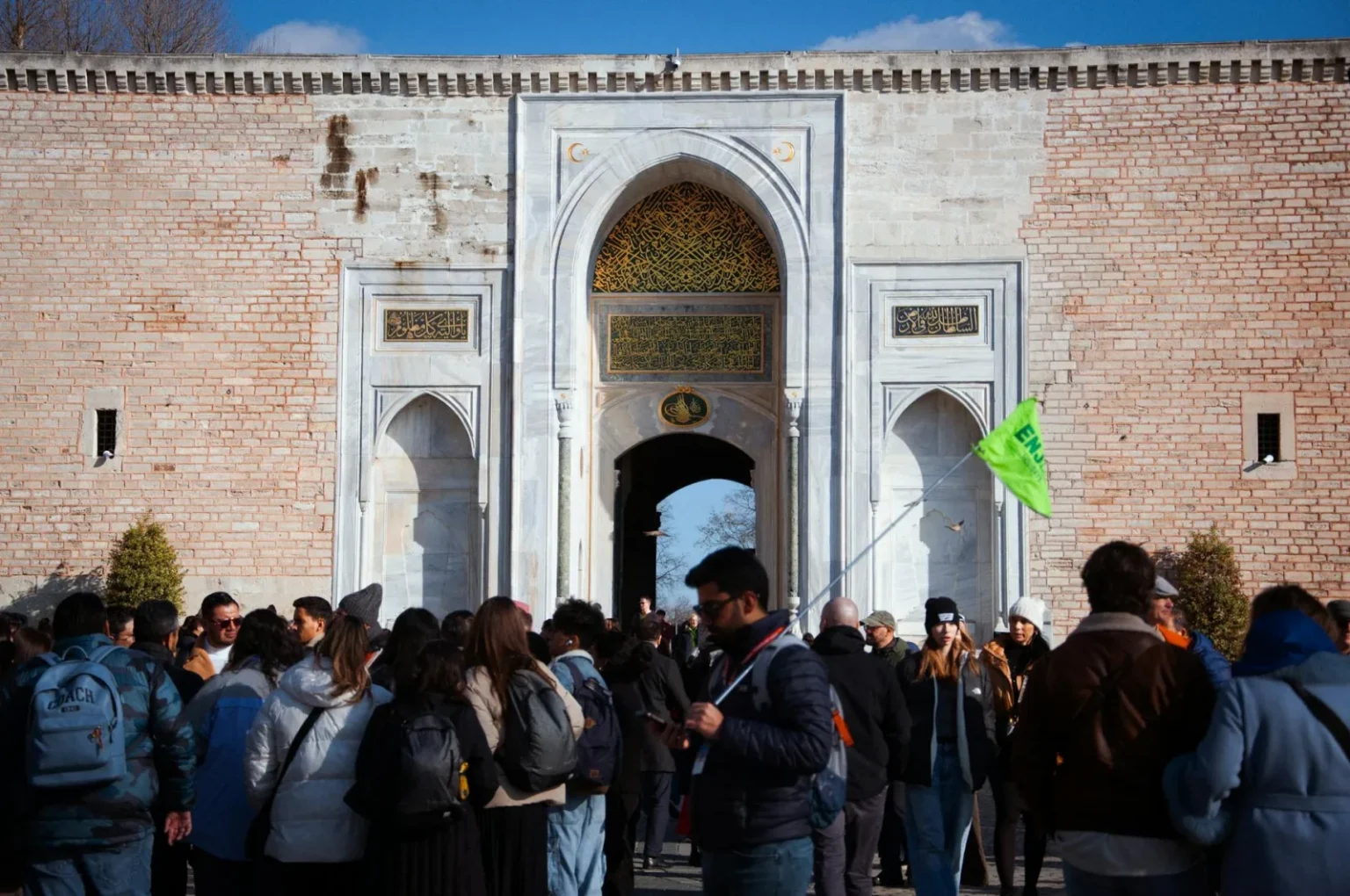

1. Discover the Art of Ukrainian Pysanky
In Ukraine, the intricate craft of pysanky, or egg decorating, is a revered tradition. This practice is typically seen during Easter, where artisans use a wax-resist method to create stunning designs. You can participate in a workshop, especially in regions like Western Ukraine, where local artisans are eager to share their skills. When you create a pysanka, you’re not just painting; you’re engaging with centuries of history and symbolism. Important note: Always ask the artisan about the meanings behind the designs to deepen your understanding of this cultural experience.
- 1. Discover the Art of Ukrainian Pysanky
- 2. Experience the Folklore of the Carpathian Mountains
- 3. Attend a Traditional Slovak Wedding
- 4. Explore the Craftsmanship of Polish Wycinanki
- 5. Visit the Lesser-Known Jewish Heritage Sites in Eastern Europe
- 6. Participate in Bulgarian Nestinarstvo
- 7. Discover the Tasting Traditions of Moldovan Wine
- Conclusion: Embrace the Hidden Cultural Treasures of Eastern Europe
2. Experience the Folklore of the Carpathian Mountains
The Carpathian Mountains, stretching across several Eastern European countries, are rich in folklore. In Romania, for example, you can attend local festivals that celebrate traditional music and dance. Villagers often perform age-old songs accompanied by instruments like the pan flute. To immerse yourself fully, consider staying with a local family in a rural village. They often provide meals made from local ingredients and share stories of their ancestors. Pro tip: Learn a few basic Romanian phrases to show appreciation; locals often respond warmly to visitors who make the effort.
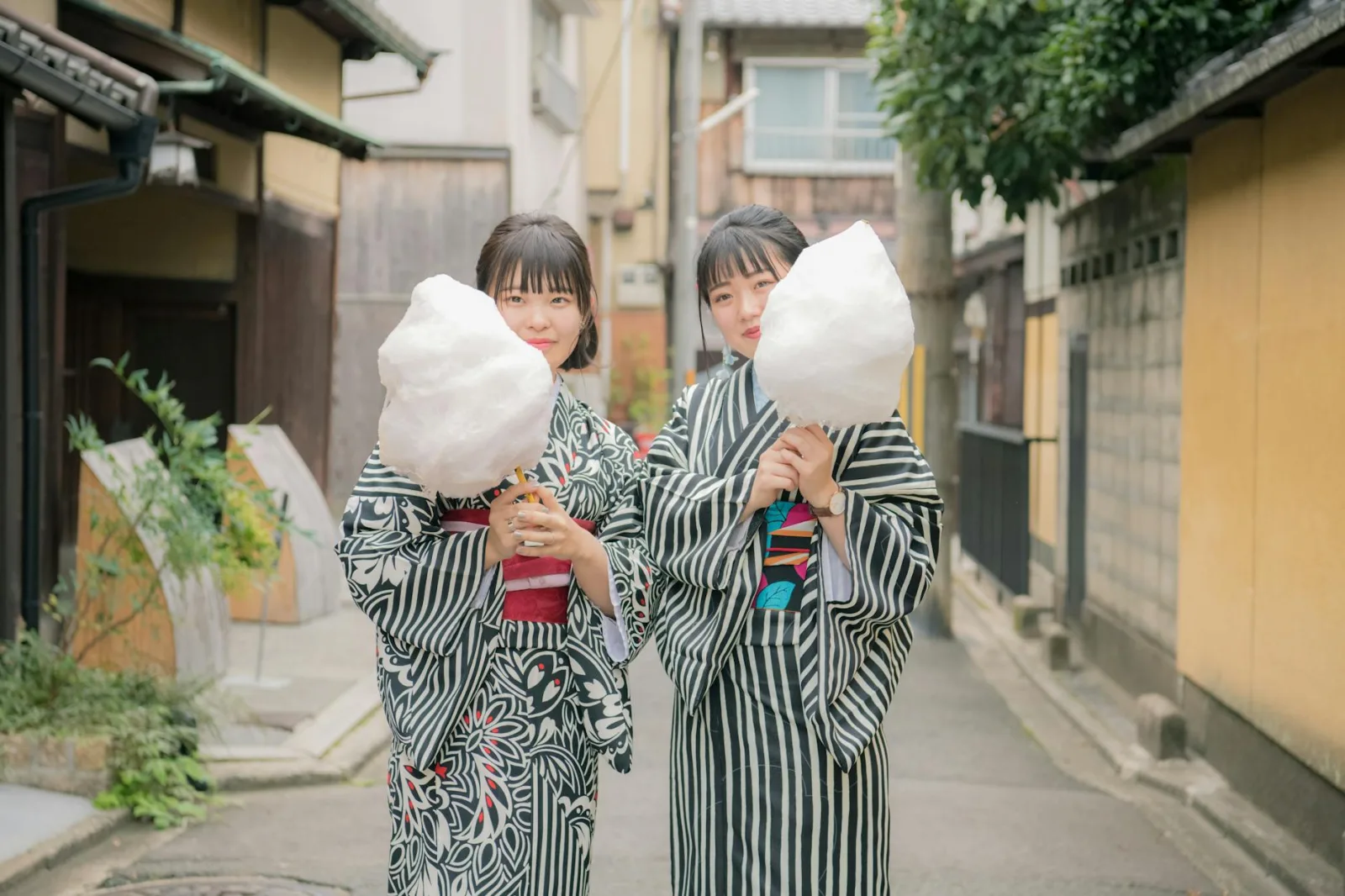
3. Attend a Traditional Slovak Wedding
Slovakia’s weddings are vibrant affairs filled with rich traditions, from folk costumes to lively music. If you’re lucky enough to be invited to one, observe how the community comes together to celebrate. The ceremony may include unique rituals such as the “breaking of bread,” symbolizing the couple’s commitment. If you can’t attend a wedding, check out local cultural centers for performances that showcase wedding customs. Warning: Respect the customs and traditions; these events are deeply significant to local communities.
4. Explore the Craftsmanship of Polish Wycinanki
In Poland, wycinanki is the art of paper-cutting, often featuring intricate designs inspired by nature and folklore. You can find workshops in small towns like Łowicz, where artisans teach the basics of creating these colorful decorations. Engaging in this craft connects you to Polish heritage and local stories. While crafting, take the time to ask about the history of wycinanki and its significance in Polish culture. Common mistake: Don’t rush the learning process; each cut tells a story, so pay attention to the details.
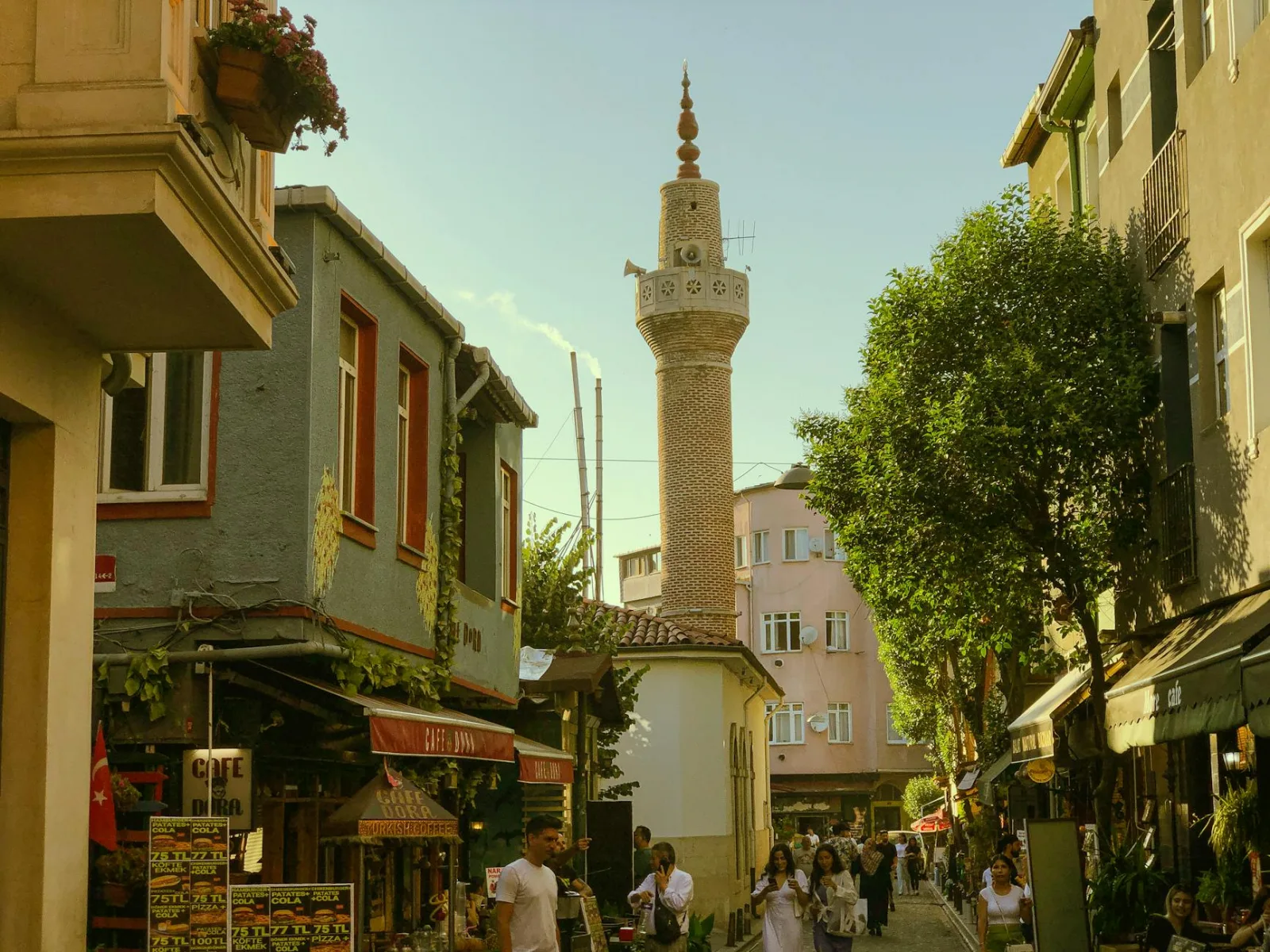
5. Visit the Lesser-Known Jewish Heritage Sites in Eastern Europe
While cities like Krakow and Prague are known for their Jewish heritage, many smaller towns possess rich, often overlooked histories. For example, the town of Tykocin in Poland features a beautifully preserved synagogue and offers guided tours that delve into local Jewish history. Engage with local historians or community members who can provide firsthand accounts of life before World War II. This experience can be both enlightening and poignant, reminding you of the resilience of culture. Important note: Always approach these sites with sensitivity, as they often hold deep emotional significance.
6. Participate in Bulgarian Nestinarstvo
Nestinarstvo, or fire-dancing, is a unique Bulgarian ritual performed during the feast day of Saints Constantine and Helena. This traditional dance involves walking barefoot over hot coals, and it’s believed to bring blessings. While it’s rare to witness in larger cities, you can find celebrations in rural areas like the village of Balgari. If you attend, remember that safety is crucial; only experienced dancers perform this ritual. Understanding the cultural context will enhance your experience, as this tradition has roots in ancient Thracian beliefs.
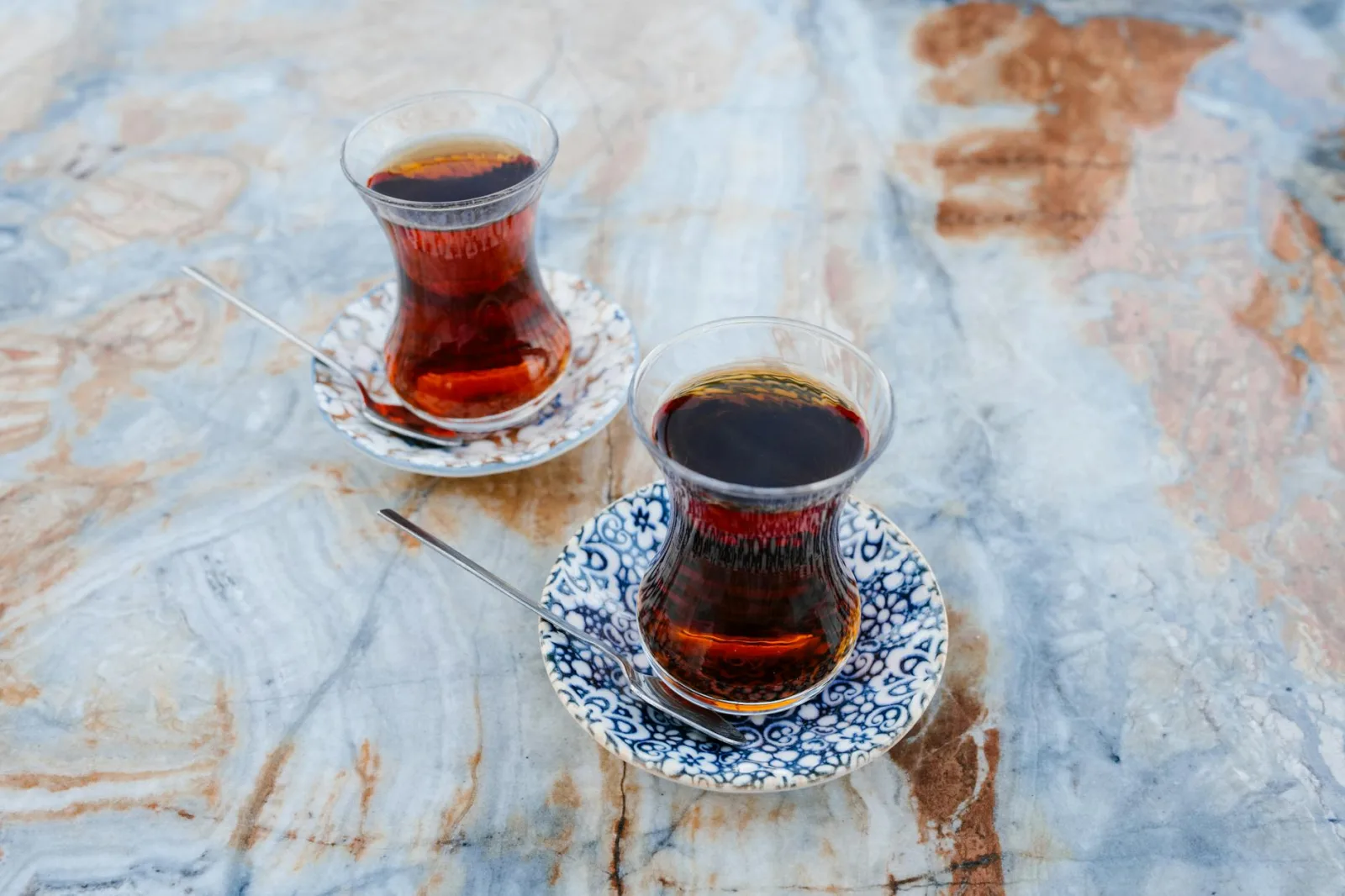
7. Discover the Tasting Traditions of Moldovan Wine
Moldova, often overshadowed by more famous wine regions, offers rich viticulture experiences. You can visit wineries like Mileștii Mici, which boasts the world’s largest wine cellar. Here, you can engage in tastings that showcase local grape varieties and traditional pairing with Moldovan cuisine. Participating in a wine tour allows you to learn about the local winemaking process and the historical significance of wine in Moldovan culture. Pro tip: Don’t hesitate to ask the sommelier about the stories behind each wine; they often have fascinating anecdotes that enhance the tasting experience.
Conclusion: Embrace the Hidden Cultural Treasures of Eastern Europe
Eastern Europe is filled with cultural experiences that go beyond the usual tourist trail. By engaging with local traditions—from the art of pysanky in Ukraine to the fire-dancing rituals in Bulgaria—you not only enrich your travel experience but also contribute to the preservation of these unique customs. Remember to approach each experience with respect and curiosity. The key takeaway is that authentic cultural engagement often leads to the most memorable journeys. So, when planning your next trip, consider exploring these hidden gems in Eastern Europe.