





Understanding Travel Photography
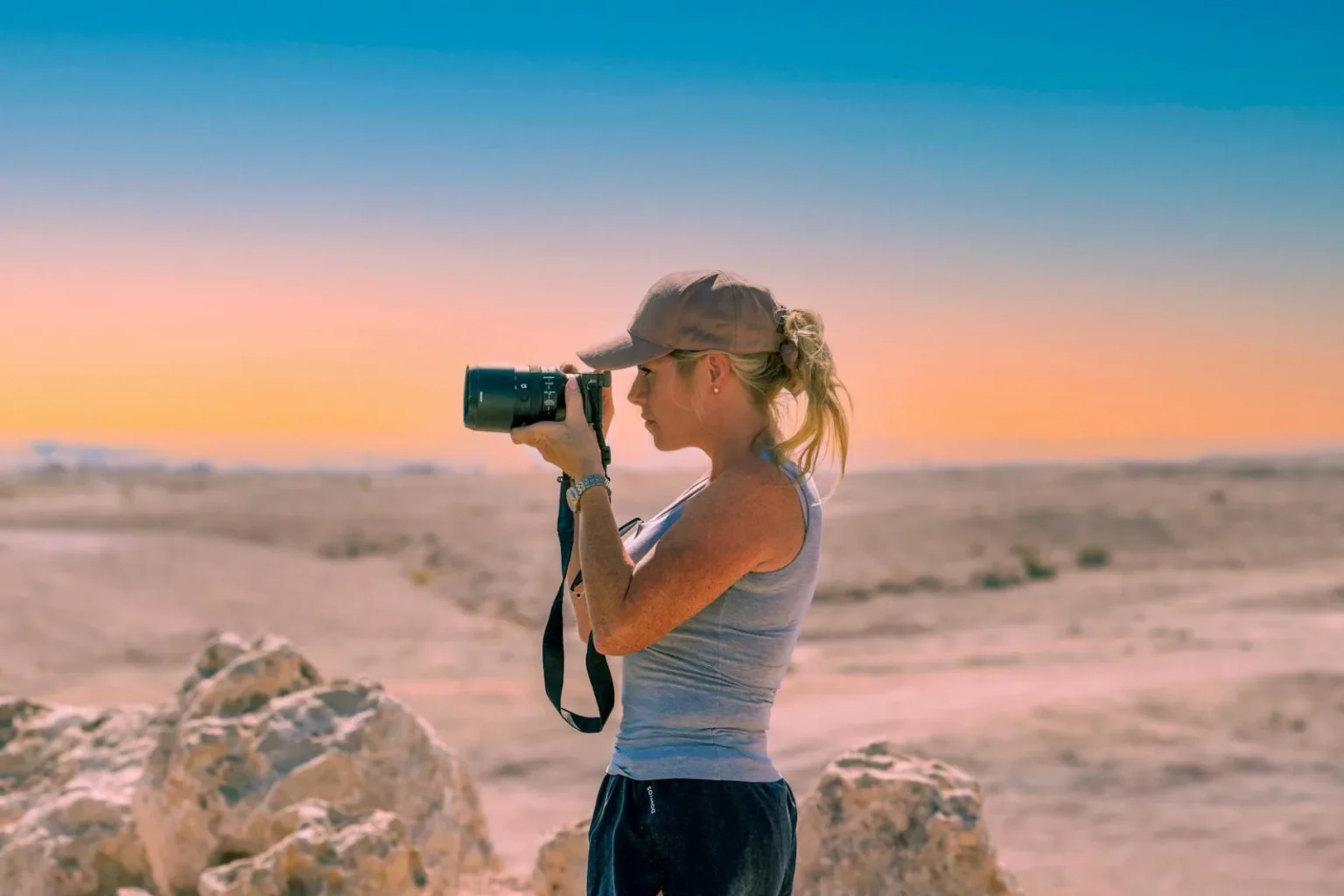
Travel photography is more than just snapping pictures; it’s about telling a story through your lens. It captures the essence of a destination, the emotions of its people, and the beauty of its landscapes. To effectively convey these narratives, you need to embrace both technical skills and a creative vision. This guide will help you navigate the intricacies of travel photography, enabling you to capture moments that resonate.
- Understanding Travel Photography
- 1. Know Your Gear
- 2. Master Composition Techniques
- 3. Capture the Essence of Culture
- 4. Timing is Everything
- 5. Experiment with Different Perspectives
- 6. Post-Processing: Enhancing Your Images
- 7. Reflect and Share Your Journey
- Conclusion: Key Takeaways for Memorable Travel Photography
1. Know Your Gear
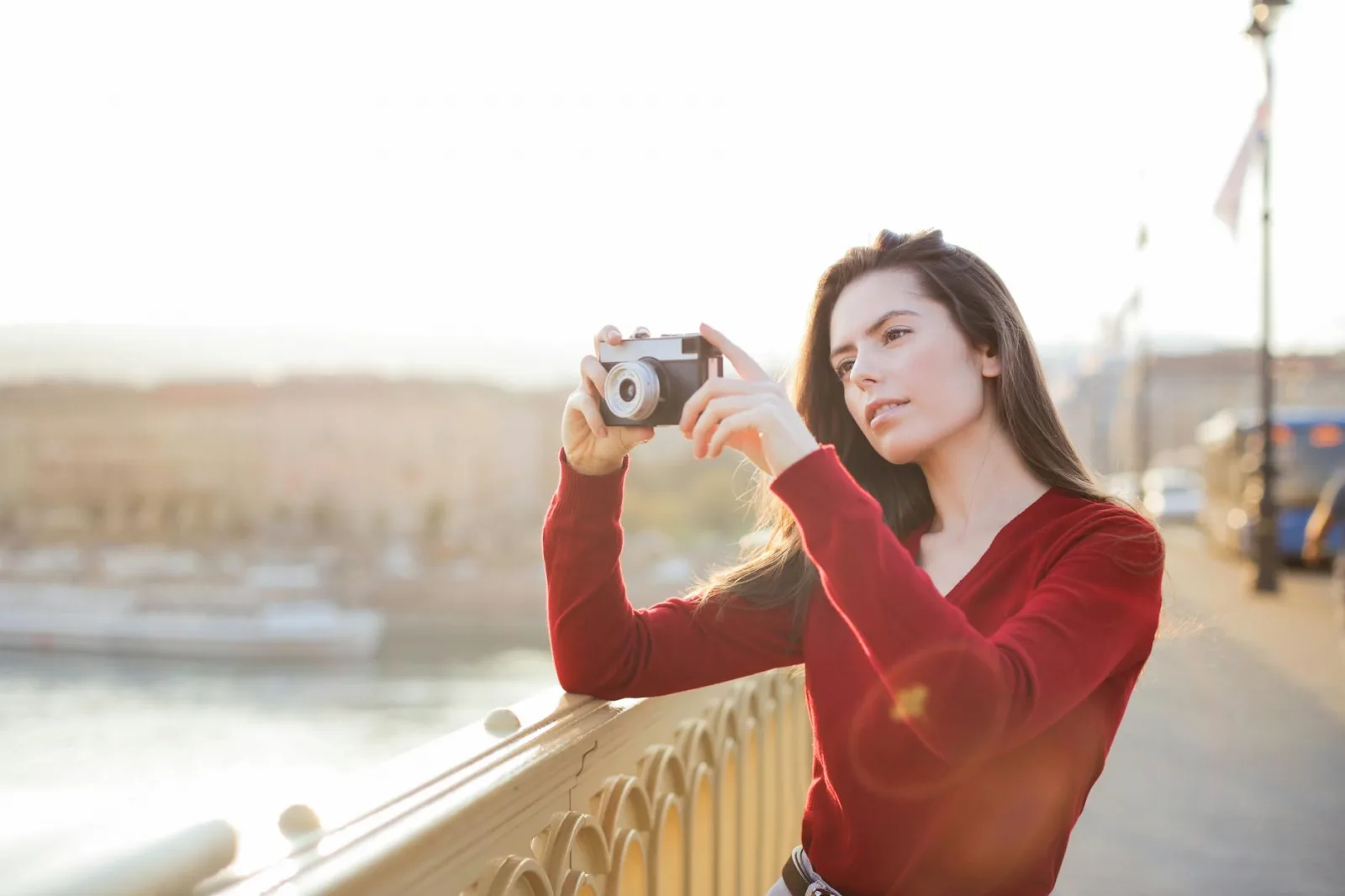
Your camera is a tool that can either enhance or limit your creativity. Whether you’re using a DSLR, mirrorless camera, or even a smartphone, understanding your gear is crucial. Start by familiarizing yourself with the settings and features of your camera. For instance, knowing how to adjust the aperture can drastically change the depth of field in your images.
Important note: Carry spare batteries and memory cards. You wouldn’t want to miss capturing a stunning sunset due to a dead battery or full card.
2. Master Composition Techniques
Composition is the backbone of great photography. Here are some key techniques to consider:
- Rule of Thirds: Imagine your image divided into nine equal sections. Positioning your subject along these lines or at their intersections can create a more balanced and engaging photo.
- Leading Lines: Use natural lines in your environment, like roads or rivers, to guide the viewer’s eye toward the focal point.
- Framing: Incorporate elements in your surroundings to frame your subject, adding depth and context.
For example, when photographing an ancient temple, you might use tree branches in the foreground to frame the structure. This adds a layer of interest to your shot.
3. Capture the Essence of Culture
Travel photography thrives on cultural immersion. Engage with locals and capture their daily lives. This not only enriches your photography but also deepens your travel experience. Attend festivals, visit markets, and explore local traditions.
For instance, if you’re in Italy, consider documenting a cultural festival. Navigating Cultural Festivals: A Comprehensive Guide to Local Celebrations Across Italy can provide you with insights on when and where to find these vibrant events.
4. Timing is Everything
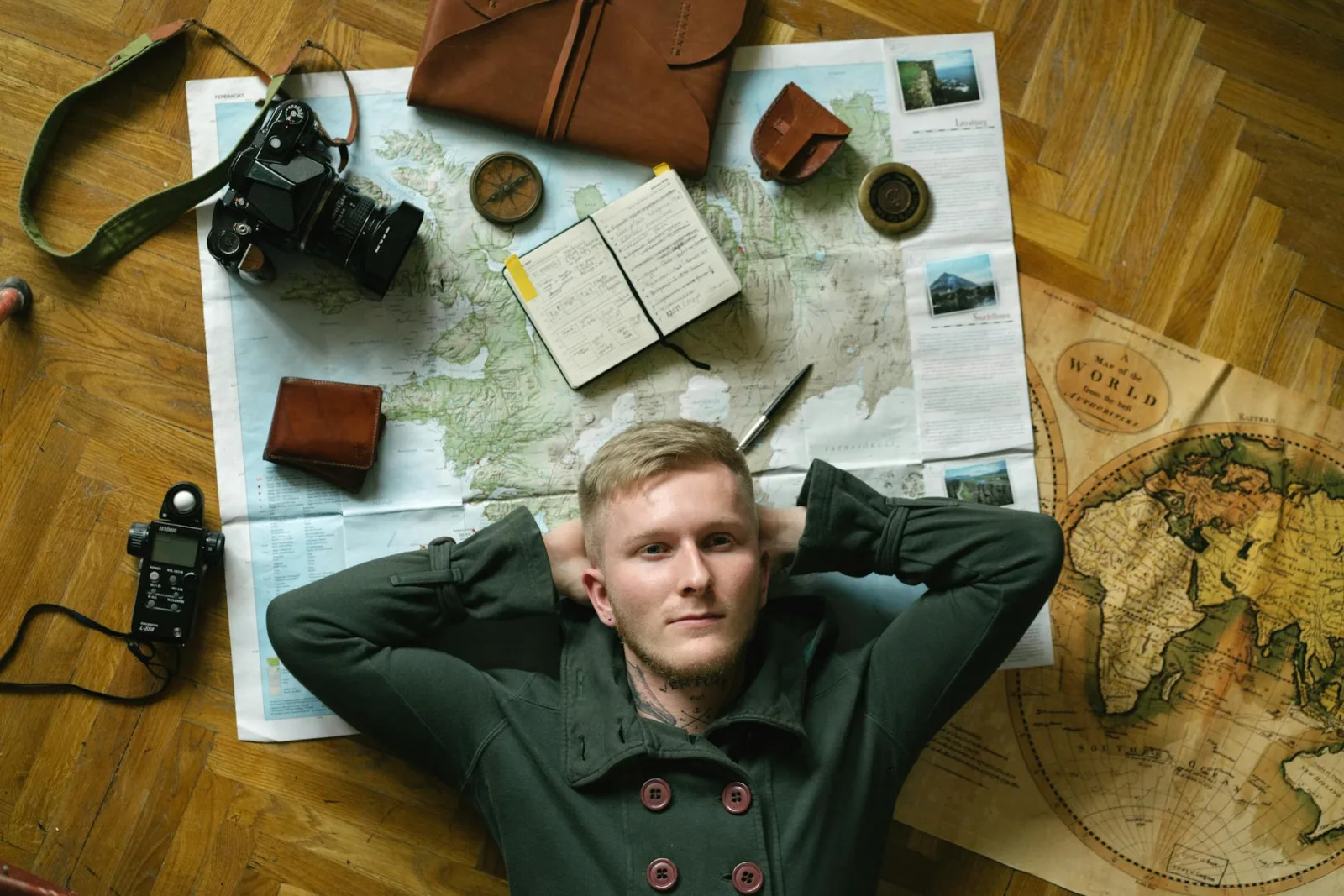
The best light for photography often occurs during the golden hours, shortly after sunrise and before sunset. This soft light enhances colors and reduces harsh shadows, creating a more pleasing image. Planning your shoots around these times can elevate your photography significantly.
Pro tip: Scout locations during the day to identify the best spots for sunrise or sunset shots, ensuring you’re in position when the light is just right.
5. Experiment with Different Perspectives
Changing your perspective can completely alter the impact of an image. Don’t be afraid to get low to the ground for a unique angle or climb to a vantage point for a broader view. This approach can lead to more dynamic and engaging photographs. For example, capturing a bustling market from above can convey the chaos and vibrancy of the scene, while a close-up of a vendor’s hands preparing food can offer an intimate glimpse into local life.
6. Post-Processing: Enhancing Your Images
Once you’ve captured your images, post-processing can enhance their quality. Familiarize yourself with software like Adobe Lightroom or Photoshop. Basic adjustments, such as cropping, exposure correction, and color balancing, can make a significant difference.
However, be cautious not to over-edit. The goal is to enhance your photograph while retaining its authenticity. Remember, the story behind the image is just as important as the image itself.
7. Reflect and Share Your Journey
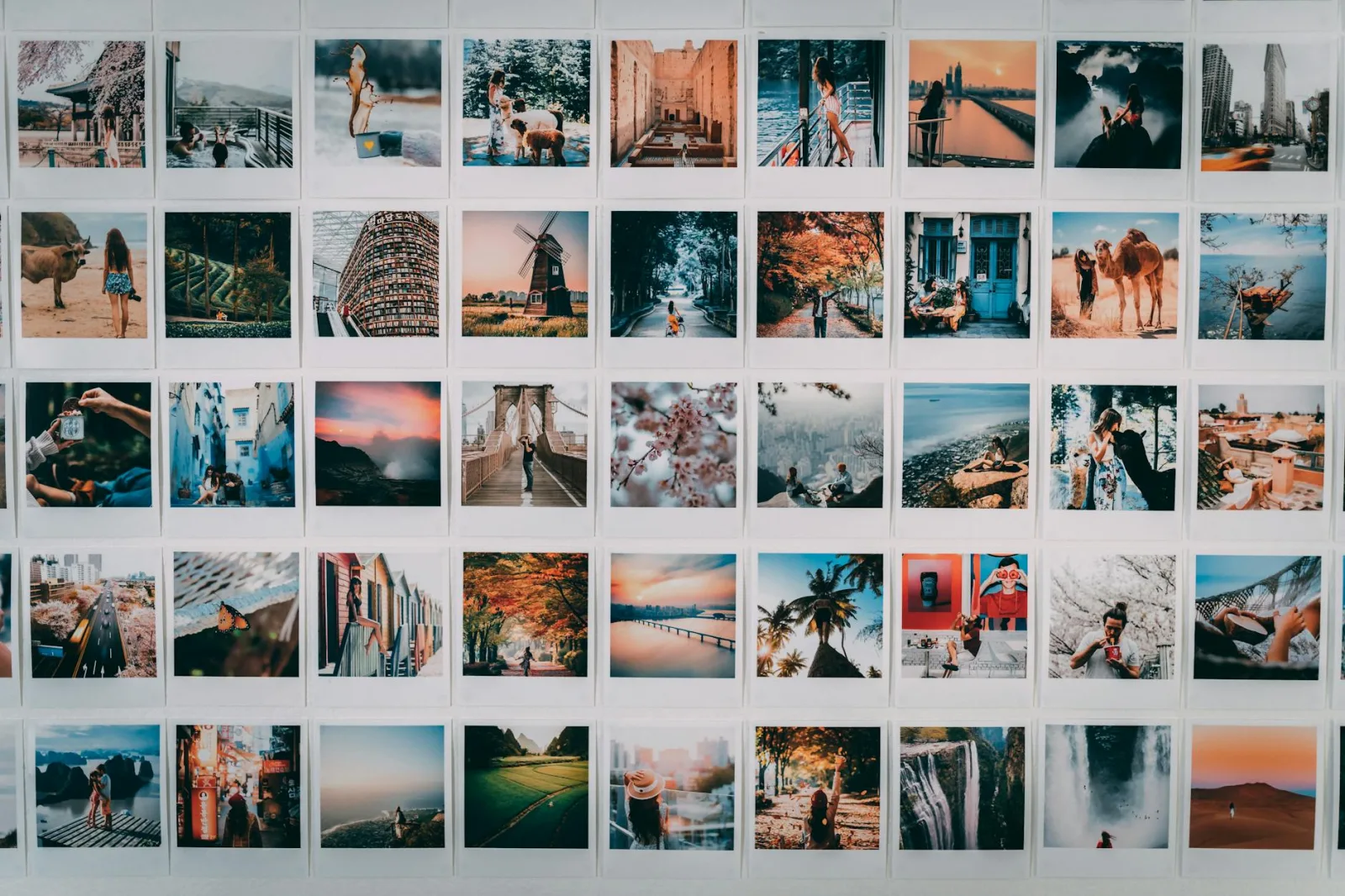
After your trip, take time to reflect on your experiences. Organize your photos and select the ones that resonate most with you. Consider sharing your journey through a blog or social media. Not only does this allow you to connect with fellow travelers, but it also invites feedback that can help you grow as a photographer.
Warning: Always respect the privacy of individuals in your photographs. If someone seems uncomfortable, it’s best to ask for permission or refrain from capturing their image.
Conclusion: Key Takeaways for Memorable Travel Photography
Travel photography is an art that requires practice, patience, and a willingness to experiment. By understanding your gear, mastering composition, engaging with culture, timing your shots, exploring perspectives, and enhancing your images, you can create memorable photographs that tell compelling stories. Embrace the journey of learning, and remember that every click of the shutter is a step toward mastering the art of travel photography.