





Understanding Local Cuisine
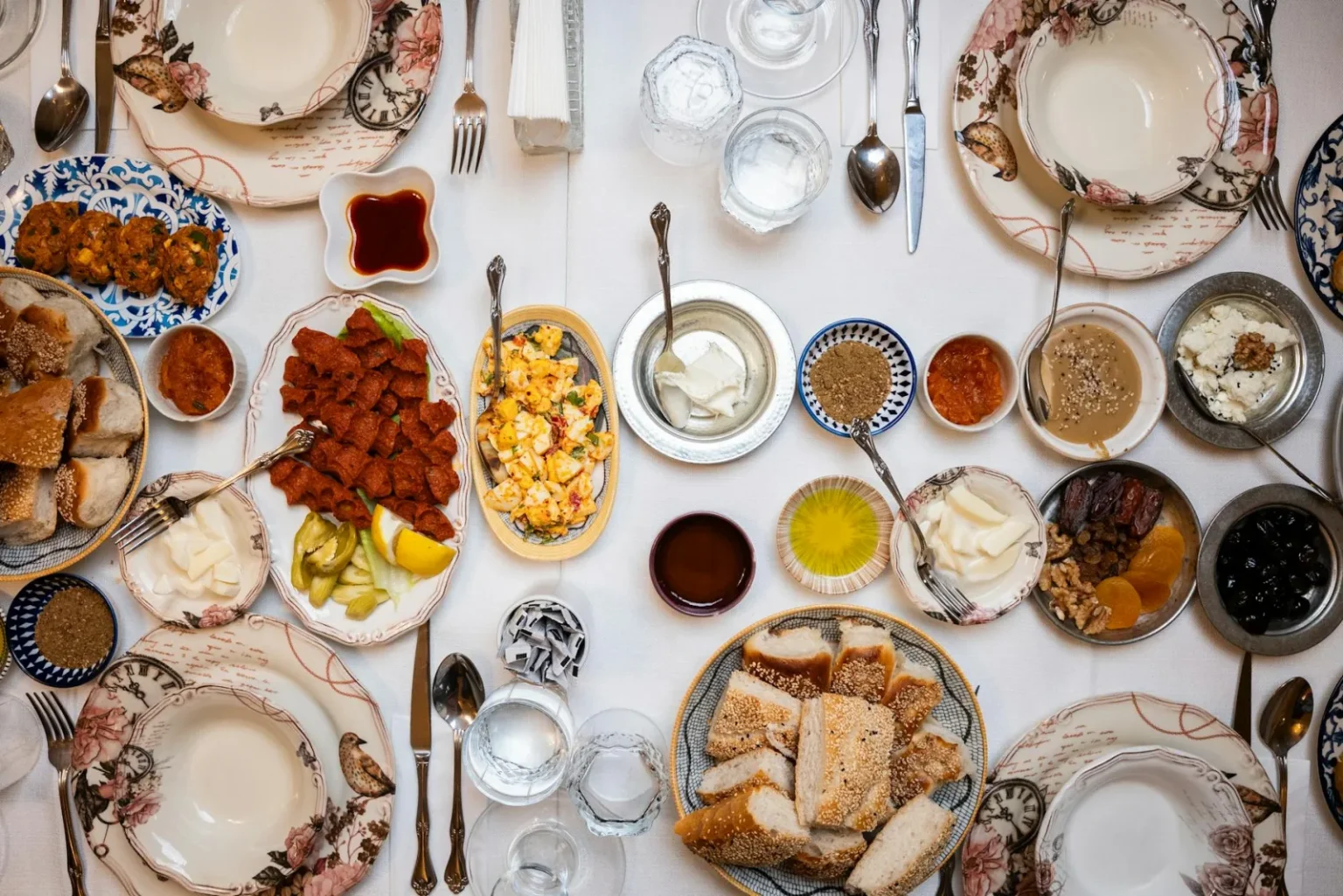
Local cuisine is more than just food; it’s an expression of culture, history, and community. When you approach a new destination, engaging with its local cuisine can enhance your travel experience significantly. Not only will you taste unique flavors, but you’ll also connect with the people and traditions of the place. This guide will help you navigate local dining experiences effectively.
1. Research Before You Go
Before you arrive at your destination, it’s wise to do some research on local dishes and dining etiquette. This knowledge will serve as your foundation. For instance, if you’re traveling to Italy, familiarize yourself with regional specialties like risotto in Milan or pizza in Naples. Additionally, understanding the dining customs—such as whether to tip or how to order—can prevent awkward situations.
2. Ask Locals for Recommendations
Once you’ve arrived, tap into the insights of local residents. They often know the best places to eat that may not appear in guidebooks or online reviews. You can approach shopkeepers, hotel staff, or even people you meet at cafes. A simple question like, “Where do you eat?” can lead you to hidden gems. Remember, the most authentic meals often come from small, family-run establishments.
3. Embrace Street Food
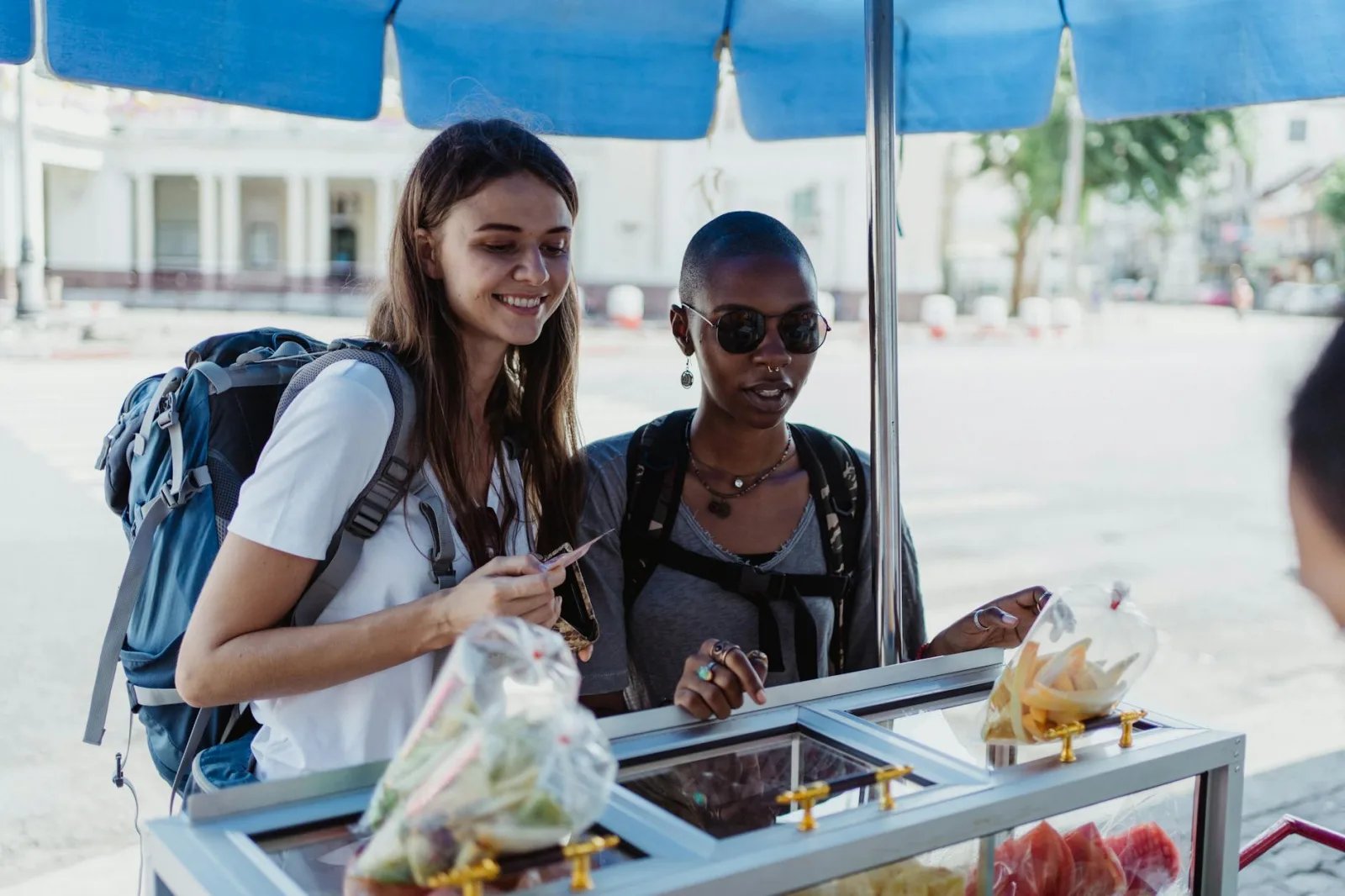
Street food is a crucial element of local cuisine in many cultures. It often reflects the everyday eating habits of locals. While some may hesitate due to hygiene concerns, many street vendors maintain high standards of cleanliness. Observe where locals are eating; long lines usually indicate quality. For example, in Thailand, trying pad thai from a street vendor can provide a genuine taste of the country’s culinary traditions.
4. Participate in Food Tours
Joining a food tour can be an excellent way to explore local cuisine. These tours often include tastings and provide context about the dishes, their origins, and cultural significance. They can also introduce you to various restaurants or markets you might not have discovered on your own. For example, if you’re in Barcelona, a tapas tour can give you a comprehensive overview of Catalan flavors.
5. Try Cooking Classes
Participating in a cooking class abroad can deepen your understanding of local cuisine. By learning to prepare traditional dishes, you gain insight into the ingredients and techniques that define the region’s food culture. This experience allows you to take a piece of that culture home with you. For instance, if you’re in Mexico, a cooking class can teach you how to make authentic mole sauce, providing a tactile connection to the cuisine.
6. Be Open to New Experiences
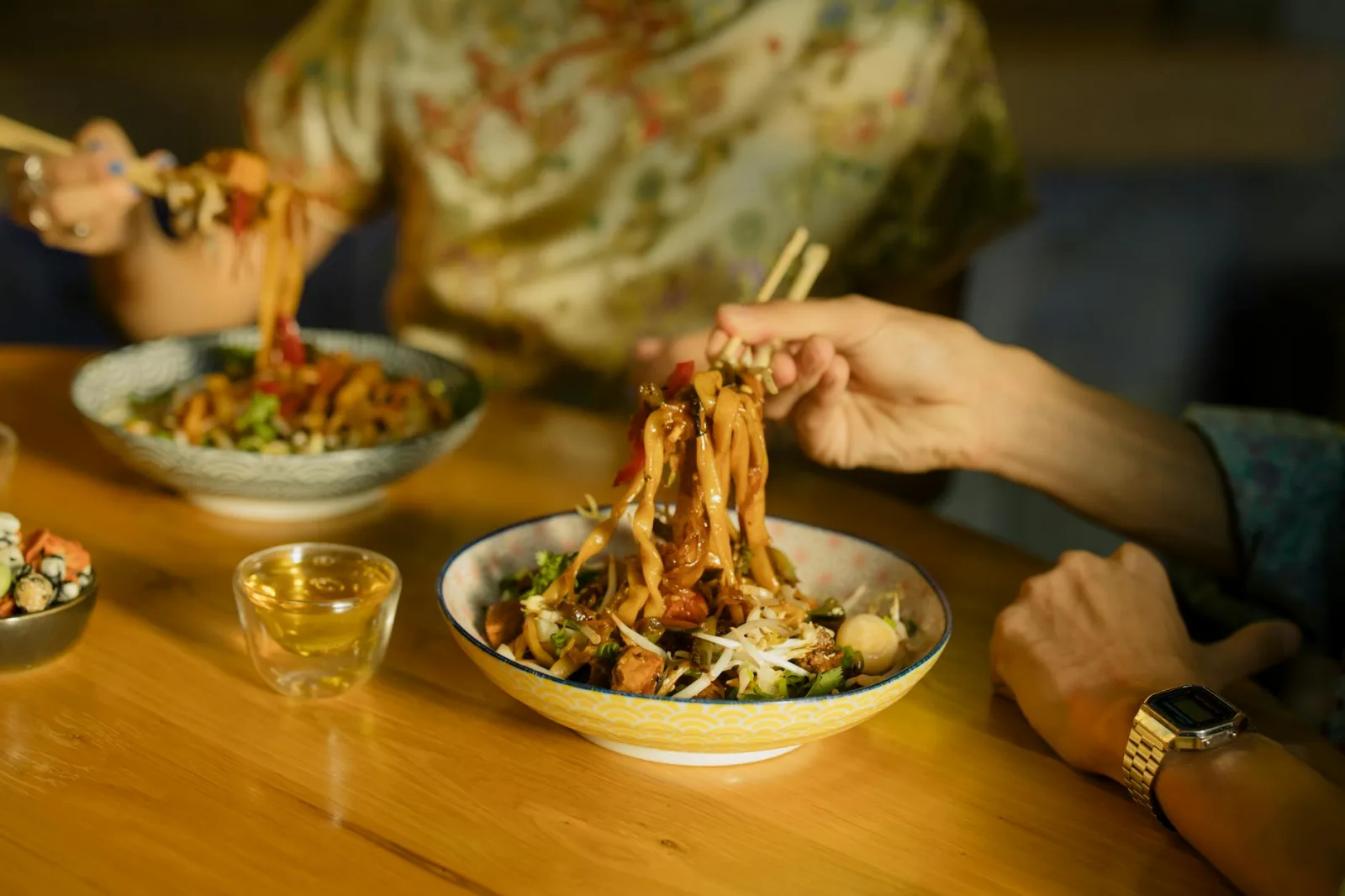
Travel is about stepping out of your comfort zone. While you may have favorite dishes from home, being open to trying new foods is essential. This could mean sampling unusual ingredients or dishes you’ve never encountered before. For example, in Japan, you might find yourself trying natto, fermented soybeans, which has a strong flavor and unique texture. Remember, what might seem strange at first could become a new favorite.
7. Respect Local Dining Customs
Understanding and respecting local dining customs can significantly enhance your experience. Each culture has its own dining etiquette, from the way food is served to how you should behave at the table. For instance, in many Asian countries, it’s customary to wait for the host to start eating before you dig in. Ignoring these customs could be seen as disrespectful. Therefore, take some time to learn about the dining etiquette of your destination.
Conclusion: Dine Like a Local
Navigating local cuisine is about more than just satisfying your hunger; it’s an opportunity to immerse yourself in a new culture. By researching beforehand, engaging with locals, embracing street food, participating in tours and classes, and respecting dining customs, you can create a richer travel experience. Remember, every meal you share is a story, and by dining like a local, you not only enjoy delicious food but also foster a deeper connection to the places you visit. So, pack your appetite and get ready for a culinary adventure!