




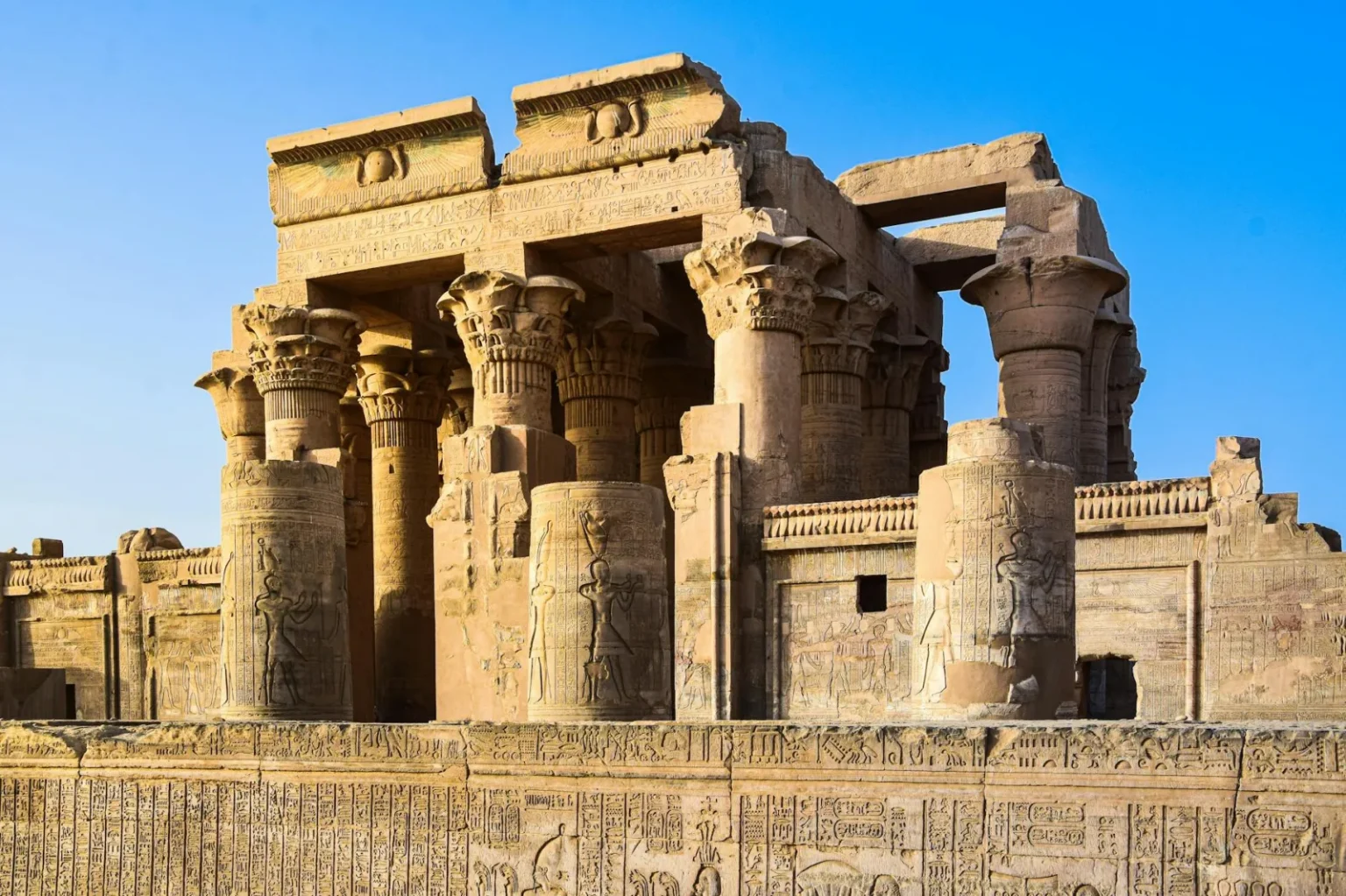

Understanding Egypt’s Ancient Landscape
When you think of Egypt, iconic monuments like the Pyramids of Giza and the Sphinx often come to mind. However, the country is peppered with lesser-known ancient sites that tell equally compelling stories. These hidden treasures not only enrich your understanding of Egypt’s history but also offer a more intimate experience away from the bustling tourist crowds.
1. The Importance of Off the Beaten Path Exploration
Exploring lesser-known sites can provide you with a more authentic perspective on Egypt’s rich culture. While the major attractions are undoubtedly impressive, the smaller sites allow you to engage more deeply with local history and customs. For instance, visiting a site like the Temple of Seti I in Abydos gives you insight into ancient Egyptian religious practices without the overwhelming presence of tourists.
2. Notable Lesser-Known Sites to Visit
Here are some ancient sites that you should consider visiting:
a. Abydos
Abydos is an archaeological site that served as a burial ground for many early pharaohs. The temple complex here is famous for its intricate carvings and hieroglyphics. To get the most out of your visit, take your time to explore the various chambers, and don’t miss the Osireion, which is believed to be the tomb of Osiris.
b. Dendera
Home to the Temple of Hathor, Dendera is a stunning site that showcases magnificent reliefs and a well-preserved zodiac ceiling. This site is less crowded than other temples, allowing you to fully appreciate the artistry without distraction. Plan your visit in the early morning or late afternoon to avoid the heat and enjoy the ambiance.
c. The White Desert
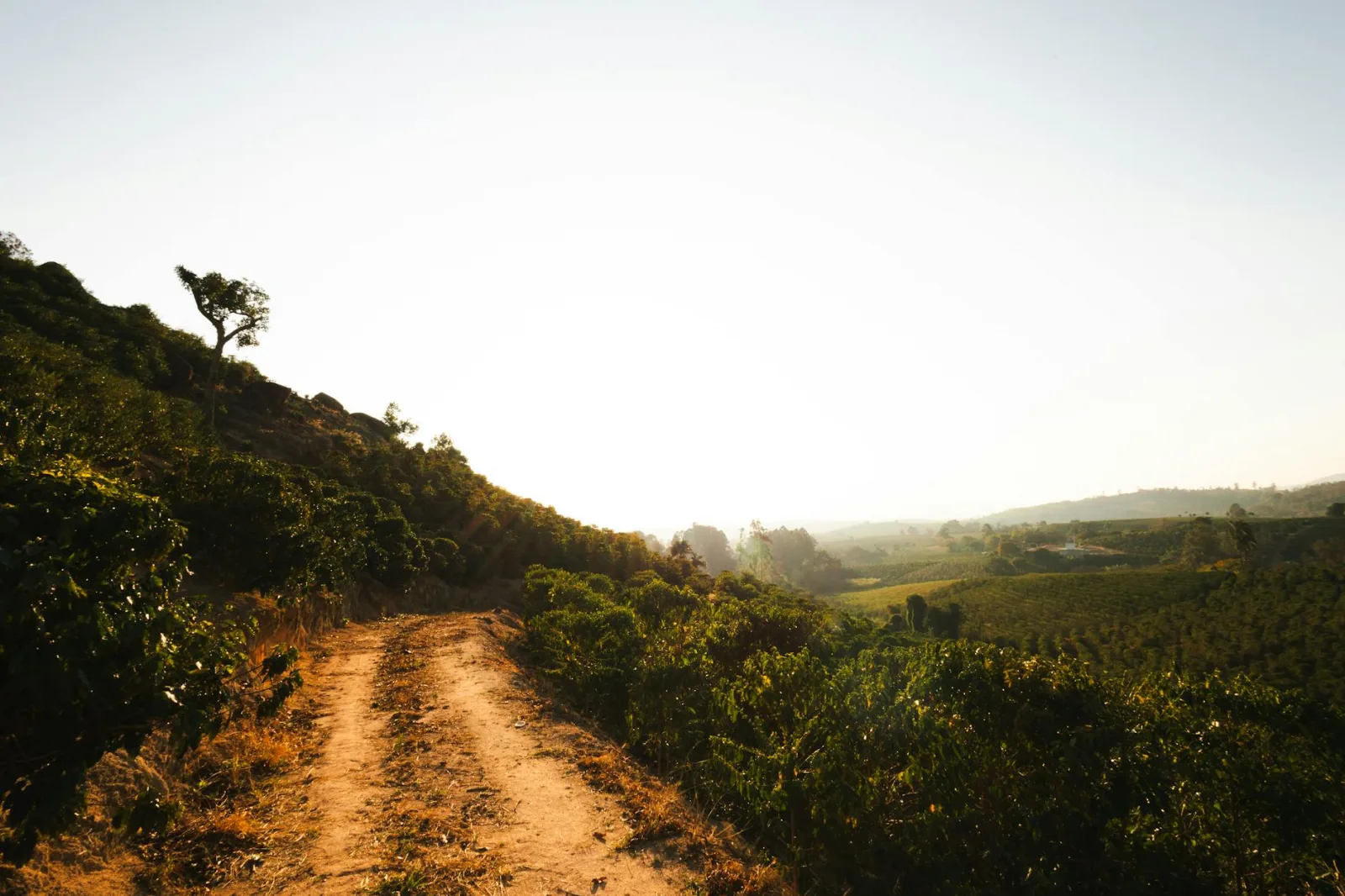
While not an ancient site per se, the White Desert offers a surreal landscape that has been shaped over millennia. You can find ancient rock formations and fossils here, along with the remnants of prehistoric life. Spending a night camping under the stars can be a truly magical experience.
d. Siwa Oasis
Located near the Libyan border, Siwa Oasis is steeped in history with ancient ruins such as the Temple of the Oracle, where Alexander the Great was proclaimed a divine figure. Engage with the local Berber culture, which is distinct from Egyptian culture, to gain a more rounded understanding of the region.
3. Planning Your Trip
To effectively navigate these sites, consider the following steps:
Step 1: Research
Before you travel, read up on the history and significance of each site. This background knowledge will enhance your appreciation of what you see. For instance, the Temple of Dendera is not just beautiful; its significance in the worship of Hathor and the afterlife is crucial to understanding Egyptian spirituality.
Step 2: Logistics
Check accessibility and transportation options. Some sites are remote and may require guided tours or special arrangements. For example, hiring a local driver can save you time and ensure you reach places that are otherwise hard to find.
Step 3: Timing
Visit during the shoulder seasons (spring and fall) to avoid the extreme heat of summer and the throngs of tourists typical during peak seasons. Additionally, early morning or late afternoon visits can provide the best light for photography and a more serene atmosphere.
4. Engaging with Local Culture
While exploring these hidden sites, it’s vital to immerse yourself in the local culture. Here are practical tips:
Be Respectful
When visiting temples or ancient sites, always dress modestly and follow local customs. Important note: certain sites may have restrictions on photography or require permission for guided tours.
Interact with Locals
Engaging with local residents can enrich your experience. Ask them about the history and significance of the site. This interaction not only provides deeper insight but also supports the local economy. For example, in Siwa, you can learn about traditional Berber crafts and even participate in workshops.
5. Common Mistakes to Avoid
While planning your journey, be mindful of these common mistakes:
Ignoring Local Customs
Familiarize yourself with cultural etiquette before your visit. For instance, greeting locals politely is essential, and understanding basic Arabic phrases can go a long way in building rapport.
Overlooking Safety Precautions
Always prioritize your safety. Some ancient sites may be in remote areas, so ensure you have reliable transportation and inform someone of your itinerary. Pro tip: consider joining a guided tour for added safety and context.
6. Making the Most of Your Experience
To truly enjoy your visit to Egypt’s lesser-known ancient sites, consider these additional tips:
Take Your Time
Don’t rush through the sites. Take the time to reflect and absorb the atmosphere. A leisurely pace allows you to appreciate the beauty and history behind the stones.
Document Your Journey
Keep a travel journal or take notes about what you learn at each site. This can be a valuable resource for future reference and enhances the overall experience.
Conclusion: Key Takeaways
Exploring Egypt’s lesser-known ancient sites can be a rewarding experience filled with hidden treasures. By taking the time to research, plan, and engage with local cultures, you can gain a deeper understanding of Egypt’s rich history beyond the well-trodden paths. Remember to be respectful of customs, prioritize safety, and savor each moment of your journey. Ultimately, these experiences will provide you with stories and memories that last a lifetime.