Navigating Cairo’s Hidden Culinary Traditions: A Flavorful Journey Through Local Family Recipes
By
Share
Understanding Cairo’s Culinary Landscape
Cairo’s culinary traditions are a vibrant tapestry woven from centuries of history, culture, and familial ties. These traditions often reflect the local ingredients and recipes passed down through generations. To truly appreciate Cairo’s culinary scene, you need to dive beyond the surface of popular dishes like koshari and falafel and explore the hidden gems that local families cherish.
Local family recipes in Cairo serve as a bridge connecting past and present. Each dish tells a story of cultural influences, seasonality, and personal history. For instance, a family might have a unique way of preparing molokhia (a green leafy stew) that incorporates spices or cooking techniques specific to their region. Understanding these nuances allows you to appreciate the dish beyond its ingredients.
Common Ingredients in Family Recipes
To navigate Cairo’s culinary traditions more effectively, familiarize yourself with common ingredients. Staples include:
Rice: Often used as a base for many dishes.
Pulses: Lentils and fava beans are frequently featured.
Spices: Cumin, coriander, and cinnamon enhance flavors.
Vegetables: Eggplants and tomatoes are popular choices.
Pro tip: Visit local markets to discover fresh ingredients and engage with vendors who can share anecdotes about their traditional uses.
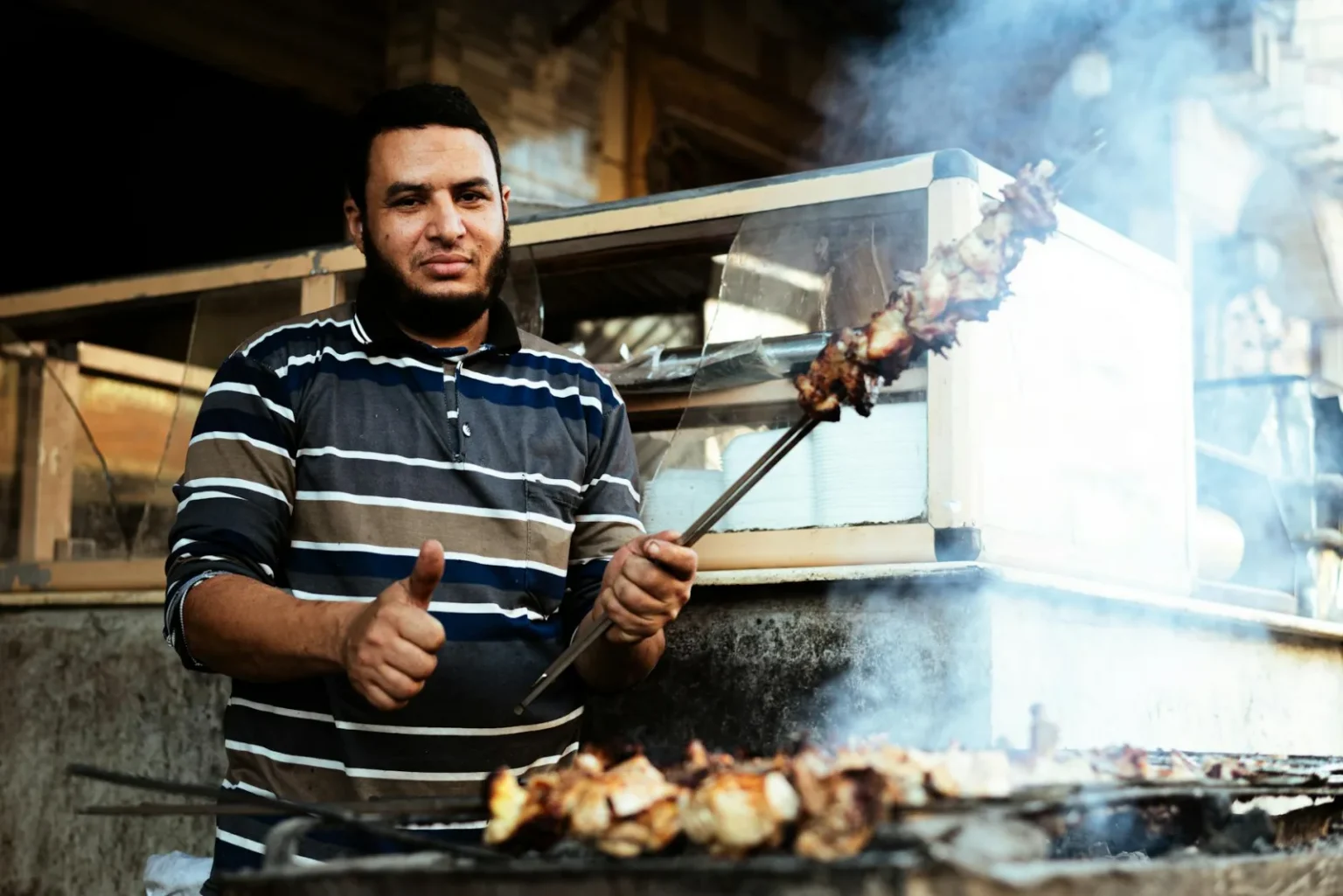
In Cairo, some of the best culinary experiences are found away from tourist hotspots. Seek out local eateries and family-run establishments, often referred to as ahwa (coffee shops) or foul stalls. Here, you can sample authentic dishes that aren’t typically found in mainstream restaurants.
How to Find Hidden Gems
To uncover these hidden culinary experiences, consider the following steps:
Ask Locals: Engage with residents about their favorite dining spots.
Leverage Social Media: Use platforms like Instagram or Facebook to discover food blogs focused on local cuisine.
Join Food Tours: Participate in guided tours that focus on local culinary traditions.
Warning: When selecting local eateries, be mindful of hygiene standards and choose busy places as they often indicate freshness.
3. Cooking with Locals: A Hands-On Approach
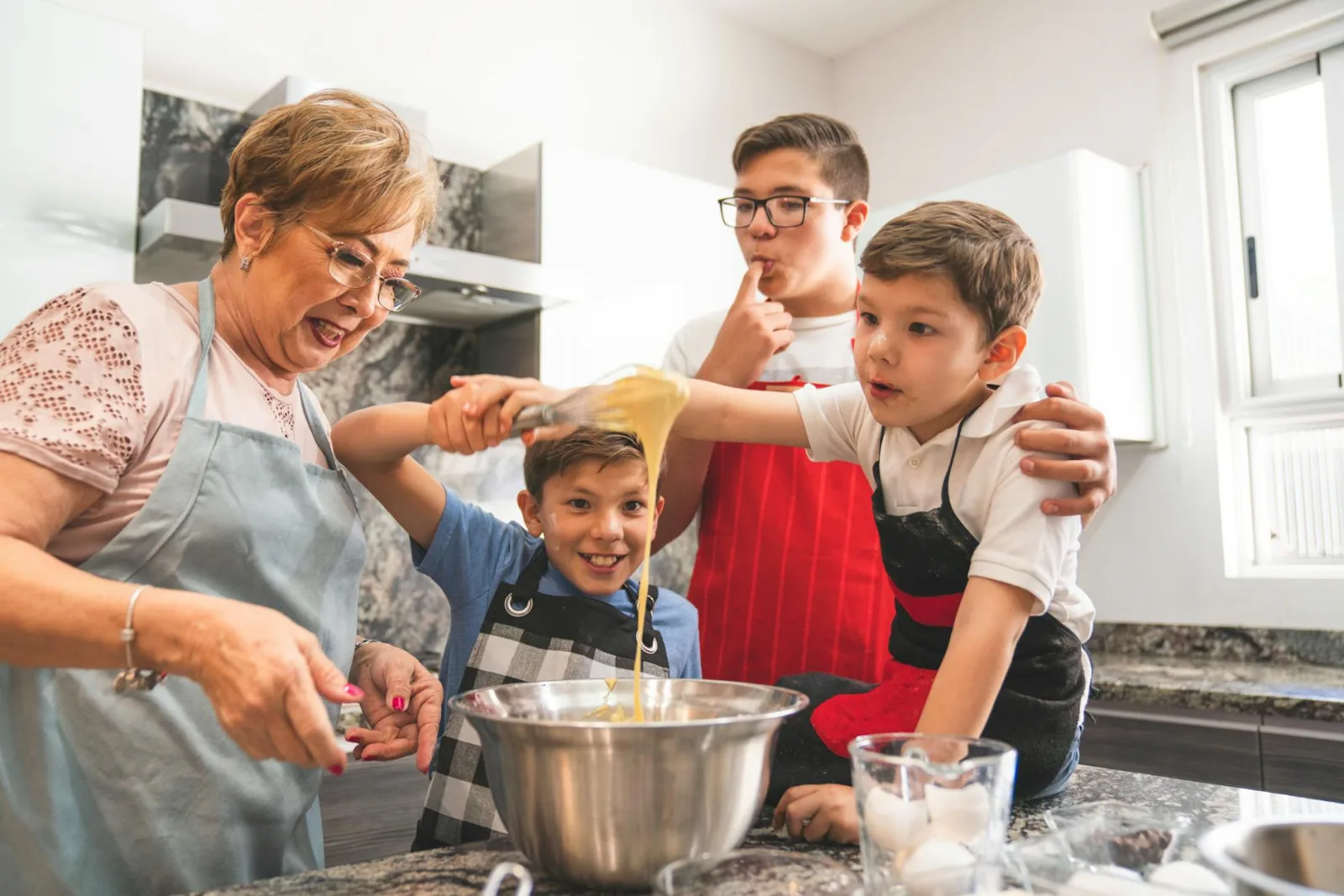
One of the most enriching ways to understand Cairo’s culinary traditions is through hands-on cooking experiences. Many local families are open to sharing their culinary secrets with visitors. Participating in a cooking class or a home-cooked meal can deepen your appreciation for the time and effort involved in traditional cooking.
Finding Cooking Classes
To find suitable cooking classes, look for options that emphasize family recipes. Here are some resources:
Local Cooking Schools: Research schools that offer classes in Egyptian cuisine.
Community Centers: Check out workshops available through local community centers.
Online Platforms: Websites like Airbnb Experiences often feature cooking classes hosted by locals.
Important note: Always communicate dietary restrictions or preferences beforehand to ensure a pleasant experience.
📷 Keegan Checks – Pexels
4. The Role of Festivals in Culinary Traditions
Cairo hosts various festivals that celebrate food and culture, providing an excellent opportunity to experience local culinary traditions. During these events, you can taste an array of dishes and learn about the significance behind them.
Notable Food Festivals
Here are a few festivals worth exploring:
Ramadan Iftar Festivals: Experience the breaking of the fast with traditional dishes.
Egyptian Heritage Day: A celebration of local cuisine and crafts.
Street Food Festivals: Featuring local vendors and their specialities.
On the other hand, attending these festivals can also help you connect with local artisans, as many showcase their culinary crafts at these events. For more on the artisan scene, check out Exploring Egypt’s Craft Revival: The New Generation of Artisans.
As you navigate through Cairo’s culinary traditions, consider documenting your experiences. Keeping a food journal can enhance your understanding and appreciation of the dishes you try. Jot down notes about flavors, textures, and the stories behind the recipes.
📷 Los Muertos Crew – Pexels
Tips for Effective Documentation
To make the most of your food journal, consider these tips:
Be Descriptive: Note not just what you ate, but how it made you feel.
Include Recipes: Ask locals for their family recipes to recreate at home.
Add Photos: Capture visuals to complement your notes.
Common mistake: Focusing solely on popular dishes can lead to missing out on lesser-known, yet equally delicious, culinary treasures.
6. Embracing Cultural Etiquette
Understanding cultural etiquette is essential when engaging in Cairo’s culinary traditions. Certain customs may dictate how meals are shared and enjoyed. For example, many Egyptians eat with their right hand, and it’s customary to share dishes among family and friends.
Key Etiquette Tips
Here are some important etiquette tips to keep in mind:
Accept Invitations: If a local invites you for a meal, it is polite to accept.
Compliment the Cook: Praise the meal to show appreciation for their effort.
Participate in Meal Preparation: Offering to help can foster a sense of community.
Pro tip: Observe local practices and follow their lead to show respect for their traditions.
Conclusion: Embracing Cairo’s Culinary Heritage
Cairo’s hidden culinary traditions offer a rich, flavorful journey into the heart of its culture. By exploring local family recipes and engaging with the community, you can uncover unique experiences that go beyond the ordinary tourist attractions. Remember to document your culinary journey, embrace local etiquette, and participate in cooking classes or festivals to deepen your connection to the city’s culinary heritage. As you navigate through the flavors of Cairo, you’ll not only satisfy your palate but also gain a profound appreciation for the stories and traditions that shape its culinary landscape.
Key takeaways:
Explore local family recipes to understand the cultural significance behind dishes.
Seek hidden culinary experiences away from touristy spots.
Engage in hands-on cooking and participate in food festivals.
Document your culinary journey and embrace local etiquette.