





Understanding Spiritual Festivals in Egypt
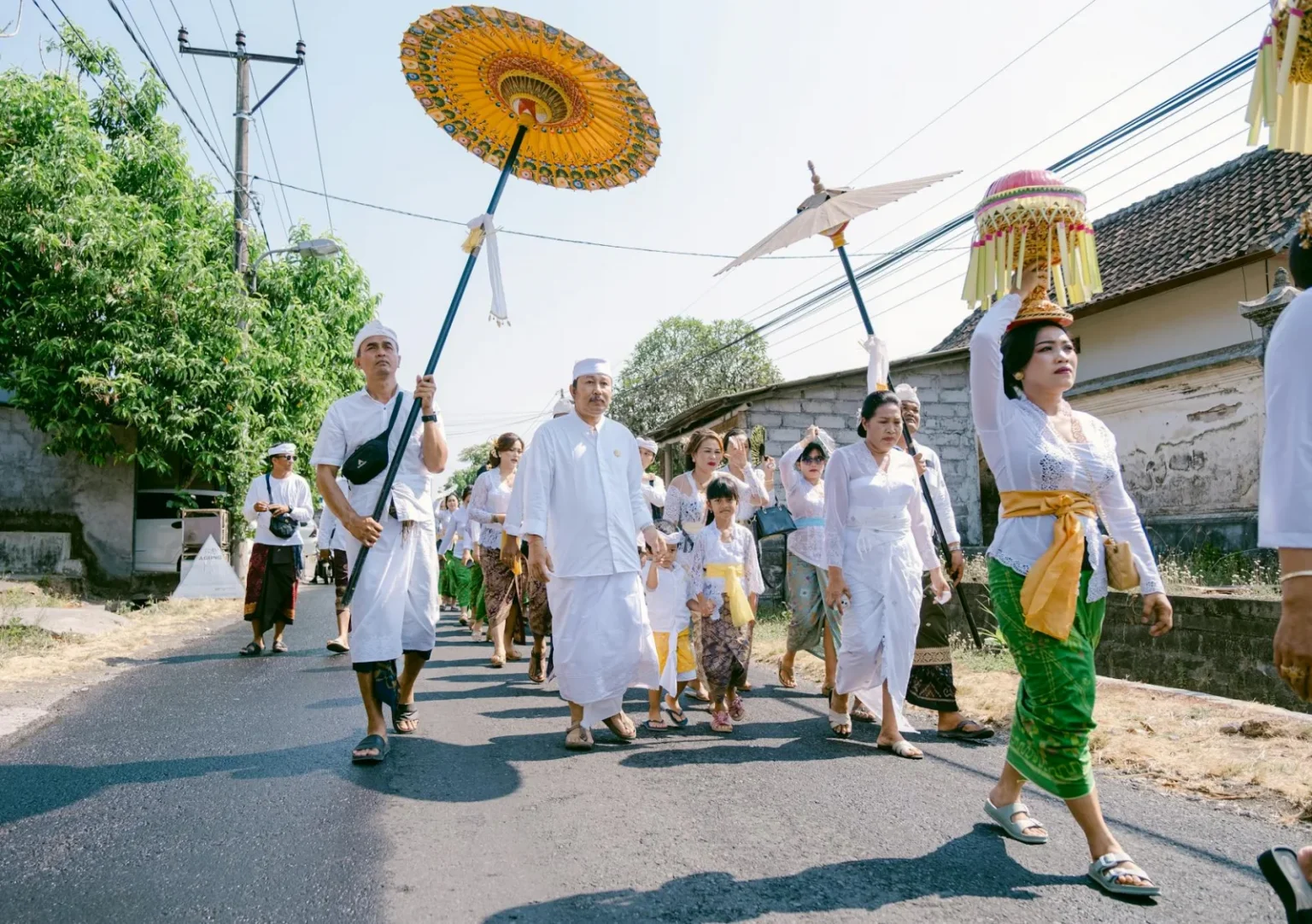
Spiritual festivals in Egypt are deeply rooted in the country’s rich historical and cultural tapestry. They often celebrate local traditions, connecting communities through shared beliefs and practices. While many tourists flock to well-known events like Ramadan and Coptic Christmas, numerous lesser-known festivals offer authentic cultural experiences that allow you to engage with local customs.
1. The Festival of Abu Simbel
This annual festival celebrates the relocation of the Abu Simbel temples, which were moved to avoid flooding from the Aswan High Dam. Typically held in mid-February, the event features music, dance, and a reenactment of the temple’s historical significance. This is a perfect opportunity to witness how locals pay homage to their heritage, blending spirituality with celebration.
2. The Mawlid al-Nabi
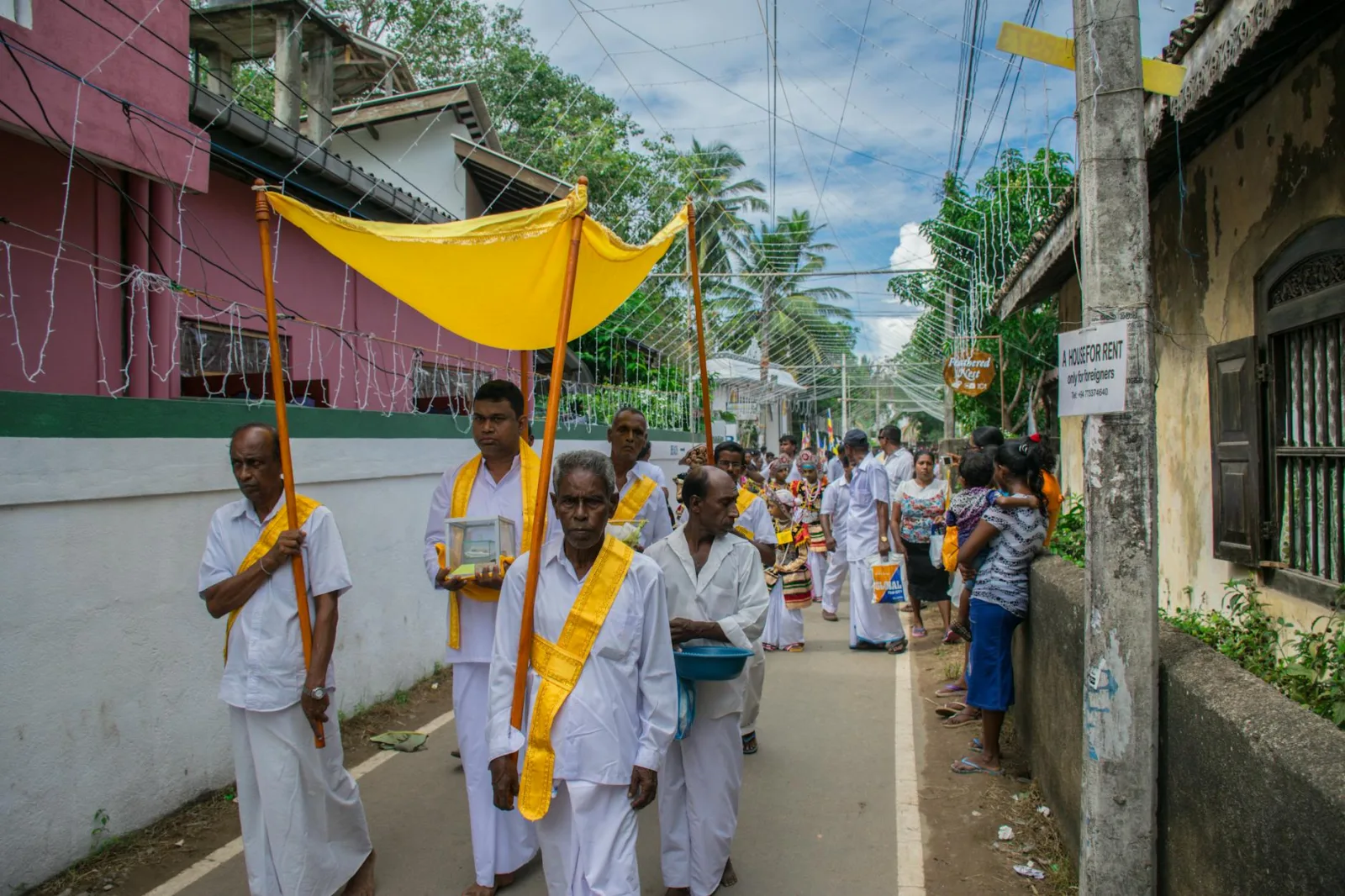
Mawlid al-Nabi marks the birthday of the Prophet Muhammad and is celebrated with great vigor in Egypt. Taking place in the third month of the Islamic lunar calendar, the festival is characterized by vibrant street processions, music, and communal meals. You may want to join local families in the streets to experience the jubilant atmosphere firsthand. Important note: Be mindful of local customs and etiquette during this observance, as it holds significant spiritual meaning for many.
3. The Wafaa al-Nil Festival
Wafaa al-Nil, or the “Loyalty of the Nile,” is a unique festival celebrated in mid-August. This event honors the Nile River, which is central to Egyptian life. During the festival, locals perform rituals to thank the river for its bounty and pray for its continued flow. You can engage with local traditions by joining in the riverbank celebrations, where you’ll find music, dance, and traditional food stalls. Pro tip: Bring a camera to capture the vibrant colors and joyous expressions on display.
4. The Festival of the Dead (Wafaa al-Mawlid)
This festival, often observed in the spring, is a time for honoring deceased loved ones. Families gather at cemeteries to pray, reminisce, and share meals. You might find it meaningful to participate in this intimate gathering, as it provides insight into the local customs surrounding life and death. Furthermore, you can ask locals about the significance of the rituals performed during this time.
5. The Feast of the Sacred Ram
Celebrated primarily by the Bedouin communities, this festival occurs during the Eid al-Adha. It involves the ritual sacrifice of a ram, followed by communal feasting. This event not only signifies obedience to religious practices but also fosters community bonds. If you’re fortunate enough to be invited to a local home during this time, it’s an excellent way to connect with the local culture. Warning: Always approach such invitations with respect and understanding of local customs.
6. Engaging with Local Traditions during Festivals
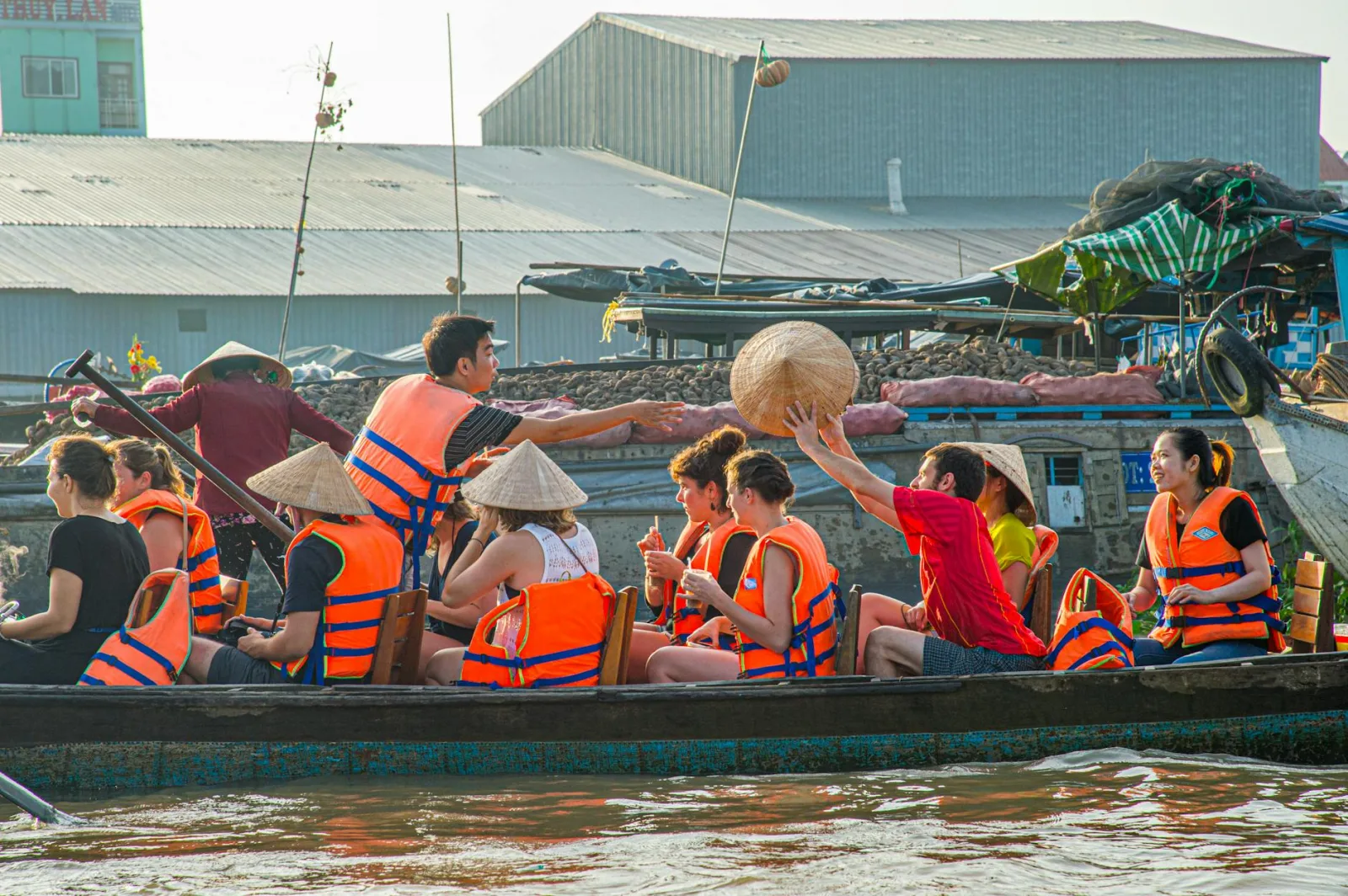
To truly connect with the festivals, consider immersing yourself in local traditions. Here are some steps to enhance your experience:
- Research the Festivals: Before attending, understand the significance and customs associated with each festival.
- Dress Appropriately: Wear modest clothing, especially in religious settings, to show respect for local customs.
- Participate Actively: Be open to joining in rituals and celebrations. Locals often appreciate genuine interest.
- Document Your Experience: Take notes or photos, but ensure you ask permission from participants before photographing them.
- Learn Basic Arabic Phrases: Knowing a few words can enhance your interactions and show respect for the culture.
Additionally, consider exploring other aspects of local life, such as the craft revival in Egypt. For more insights, check out our article on Exploring Egypt’s Craft Revival: The New Generation of Artisans.
7. Conclusion: Embracing the Spirit of Egypt
Engaging with the hidden spiritual festivals of Egypt offers a unique lens into the local culture and traditions. By participating in these events, you gain a deeper understanding of the community’s values and beliefs. Remember that each festival is not just an event but a reflection of the people’s connection to their history and spirituality. Key takeaways include: always show respect for local customs, immerse yourself fully in the experience, and seek to understand the deeper meanings behind the rituals. Your journey through Egypt’s spiritual landscape is sure to be enriching and transformative, enhancing your travel experience far beyond the usual tourist trails.