




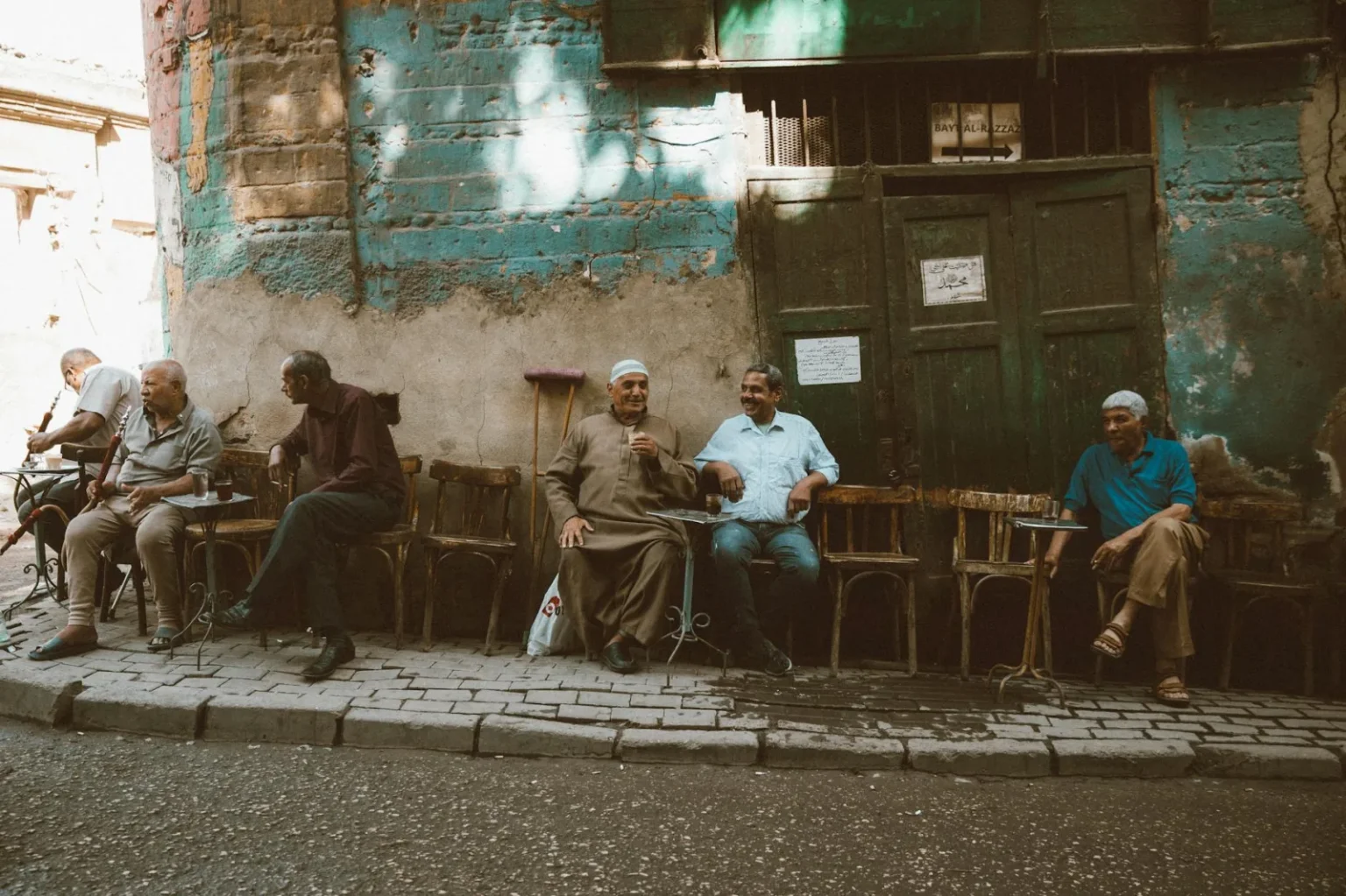

Understanding Cairo’s Historic Neighborhoods
Cairo is a city steeped in history, and its neighborhoods reflect the layers of culture that have developed over millennia. Each area offers a unique glimpse into the past, shaped by various civilizations. To fully appreciate Cairo, you must explore these neighborhoods, where local life thrives amid historical landmarks.
- Understanding Cairo’s Historic Neighborhoods
- 1. The Significance of Local History
- 2. Exploring Islamic Cairo
- 3. The Allure of Coptic Cairo
- 4. Discovering Zamalek’s Blend of Cultures
- 5. The Vibrancy of Al-Muizz Street
- 6. The Role of Local Food in Cultural Experiences
- 7. The Importance of Respecting Local Customs
- Conclusion: Key Takeaways for Your Journey
1. The Significance of Local History
Local history is not just about dates and events; it encompasses the stories and traditions that give life to a place. In Cairo, neighborhoods like Islamic Cairo, Coptic Cairo, and Zamalek showcase how different cultures intersected and evolved. For instance, Islamic Cairo is known for its stunning mosques and traditional markets, while Coptic Cairo preserves the city’s Christian heritage. Understanding these backgrounds enriches your experience.
2. Exploring Islamic Cairo
Islamic Cairo is a UNESCO World Heritage Site known for its medieval architecture and bustling bazaars. As you walk through its narrow streets, you’ll encounter the breathtaking Al-Azhar Mosque and the historic Khan el-Khalili market.
Important note: While exploring, be respectful of the local customs, especially when visiting mosques. Dress modestly and be aware of prayer times.
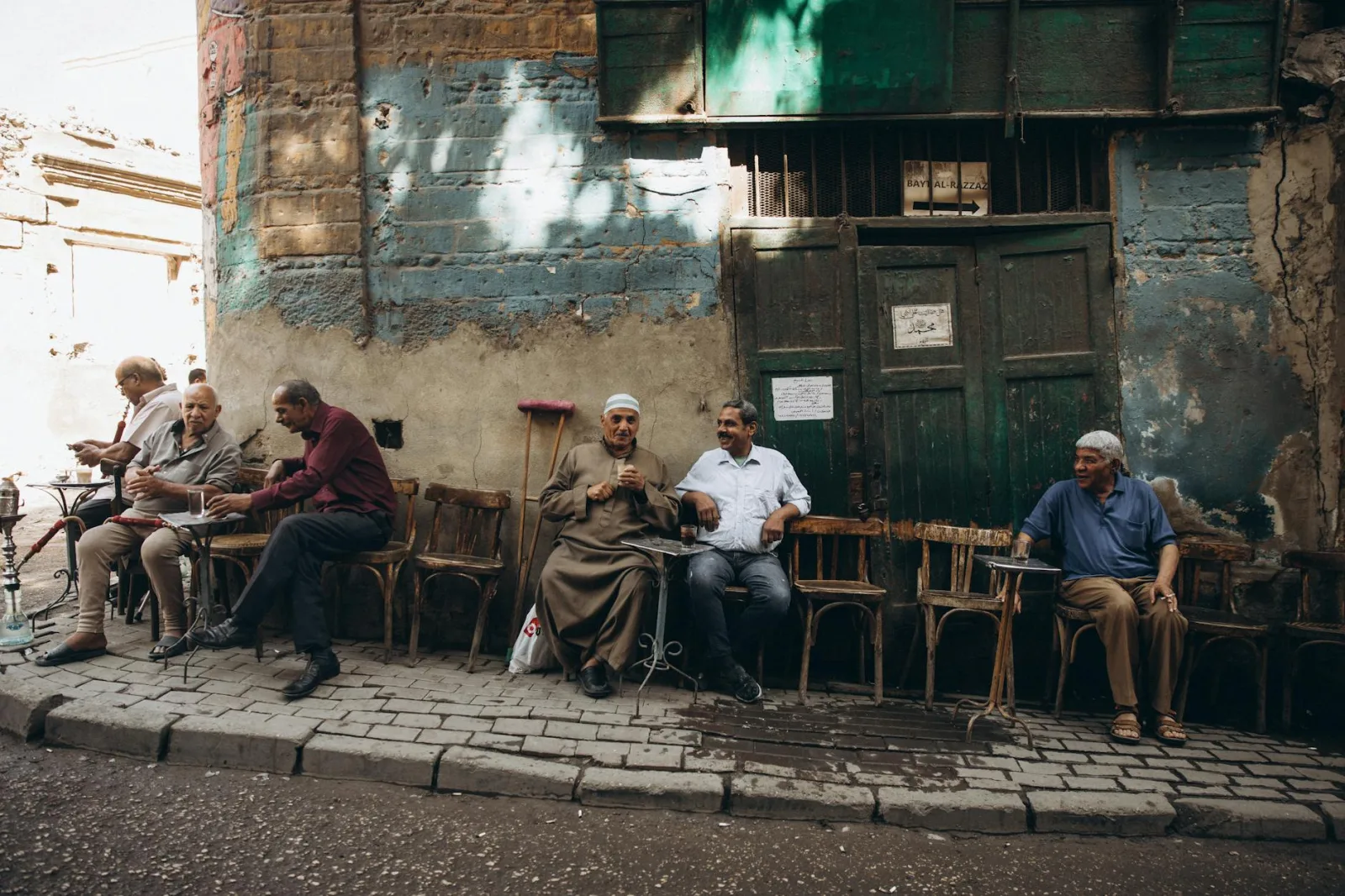
Why Visit Khan el-Khalili?
This market is not just a shopping venue; it’s a social hub where locals gather. You can find everything from spices to handcrafted jewelry. Engaging with local vendors offers a chance to learn about their crafts and stories. Therefore, don’t hesitate to ask questions; it’s a great way to connect.
3. The Allure of Coptic Cairo
Coptic Cairo is a hidden gem that highlights the Christian history of Egypt. Here, you can visit the Hanging Church, built on top of an ancient Roman fortress. Walking through this area feels like stepping back in time.
Warning: Some sites may have restricted access. Always check ahead to ensure you can visit the places that interest you.
Experiencing Local Traditions
In Coptic Cairo, you may encounter traditional celebrations, especially during Coptic holidays. Participating in these events allows you to experience the local culture firsthand. For example, during Christmas, the local community holds vibrant celebrations filled with music and food.
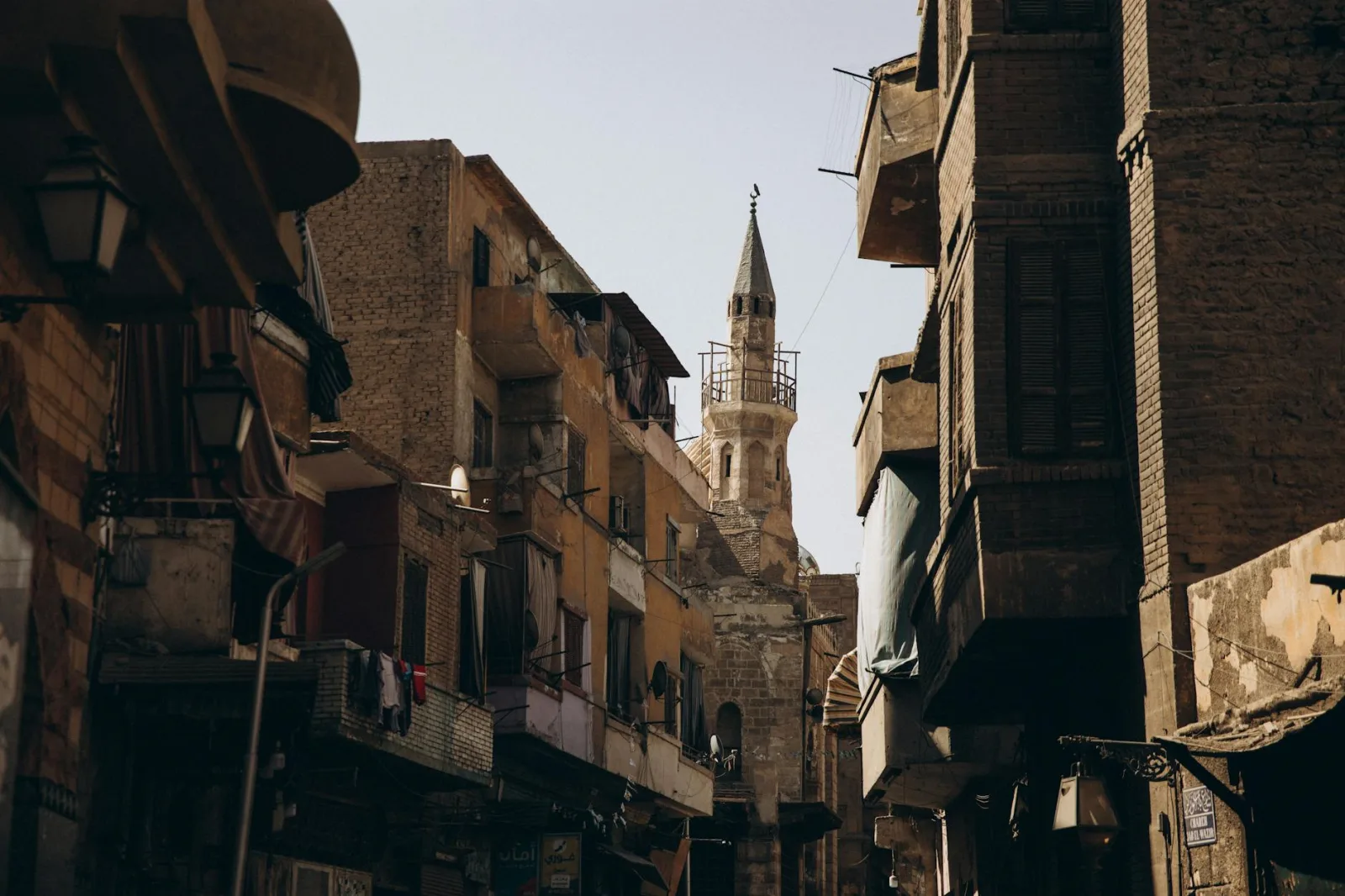
4. Discovering Zamalek’s Blend of Cultures
Zamalek, an island in the Nile, offers a different atmosphere with its lush gardens and colonial architecture. This neighborhood is home to many expatriates and artists, making it a cultural melting pot.
Pro tip: Visit the Cairo Opera House located in Zamalek. It offers a variety of performances and is a great place to immerse yourself in Egypt’s contemporary culture.
Participate in Local Workshops
Consider joining a local workshop, such as pottery or traditional music. These experiences can provide deeper insights into Egyptian culture. You can find opportunities through community centers or local agencies. Check out Crafting Connections: How Participating in Local Workshops Can Transform Your Travel Experience for more information.
5. The Vibrancy of Al-Muizz Street
Al-Muizz Street is another essential stop, showcasing some of the finest examples of Islamic architecture. As you stroll along, you’ll see beautifully restored buildings, many dating back to the Fatimid period.
This street is lively, with cafes and galleries that invite you to take a break and soak in the atmosphere. Look for local art exhibitions that often take place in the area.
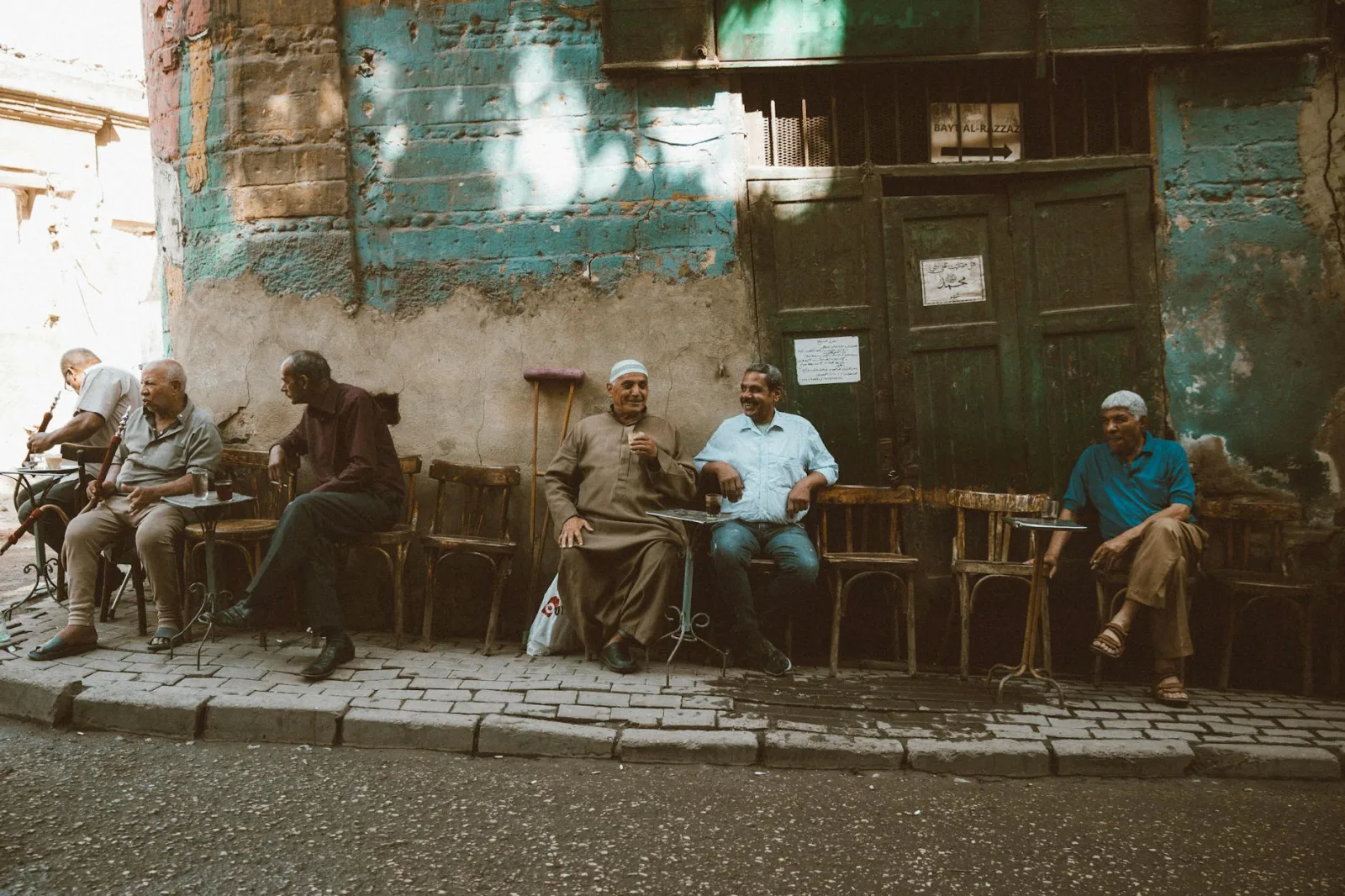
6. The Role of Local Food in Cultural Experiences
Food is a vital part of understanding any culture. In Cairo, street food is abundant and tells a story of its own. Try koshari, a local dish made of rice, lentils, and pasta, topped with a spicy tomato sauce. It’s widely available and a favorite among locals.
Common mistake: Many visitors stick to touristy restaurants. Instead, venture into local eateries to experience authentic flavors. For a guided experience, consider an immersive culinary tour that focuses on traditional Egyptian cuisine. You can find more details here: Immersive Culinary Tour: Tasting Authentic Flavors.
7. The Importance of Respecting Local Customs
As you navigate through Cairo’s neighborhoods, remember that respecting local customs is crucial. Egyptians are known for their hospitality, and showing appreciation for their traditions will enhance your interactions.
Important note: Always ask permission before taking photos of people, especially in rural areas. This simple act of respect can lead to more meaningful exchanges.
Conclusion: Key Takeaways for Your Journey
Exploring Cairo’s historic neighborhoods offers a rich tapestry of cultural experiences that delve deep into local history. Each neighborhood has its unique story, waiting to be discovered. Remember to engage with locals, participate in traditions, and respect customs. This approach not only enriches your travel experience but also fosters genuine connections.
In summary, whether you find yourself in the bustling markets of Islamic Cairo or the tranquil streets of Zamalek, embracing the local culture will transform your journey into an unforgettable adventure. So, pack your bags and prepare to explore the vibrant neighborhoods of Cairo!