





Understanding Spiritual Retreats
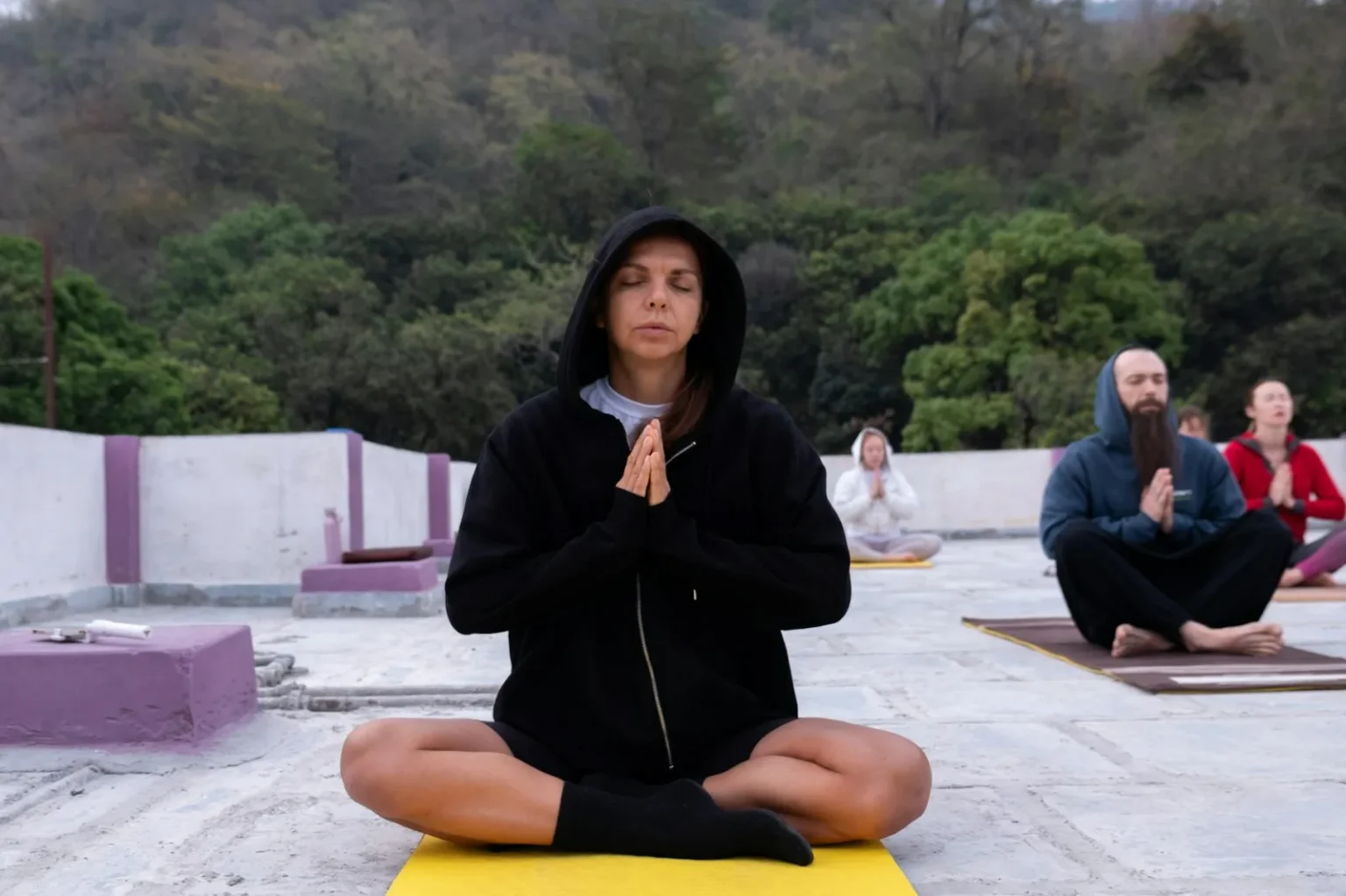
Spiritual retreats offer a unique opportunity to step away from your daily routines and connect with your inner self. These retreats typically combine mindfulness practices, wellness activities, and tranquil environments to help you rejuvenate both mind and body. Unlike regular vacations, a spiritual retreat focuses on personal growth and self-discovery, making it a powerful option for those seeking deeper meaning in their lives.
Why Choose a Spiritual Retreat?
The primary purpose of a spiritual retreat is to create a space for reflection and rejuvenation. Here are a few reasons why you might consider this type of getaway:
- Time for Reflection: In our fast-paced lives, we often neglect to take time for ourselves. A retreat provides the perfect environment for introspection.
- Connection with Nature: Many retreats are set in serene locations, surrounded by nature, which can enhance feelings of peace and tranquility.
- Guided Practices: Most spiritual retreats include guided meditation, yoga, or workshops that help you explore your inner thoughts and feelings.
- Community Support: Being surrounded by like-minded individuals can provide a sense of belonging and support, encouraging you to share and grow together.
Types of Spiritual Retreats
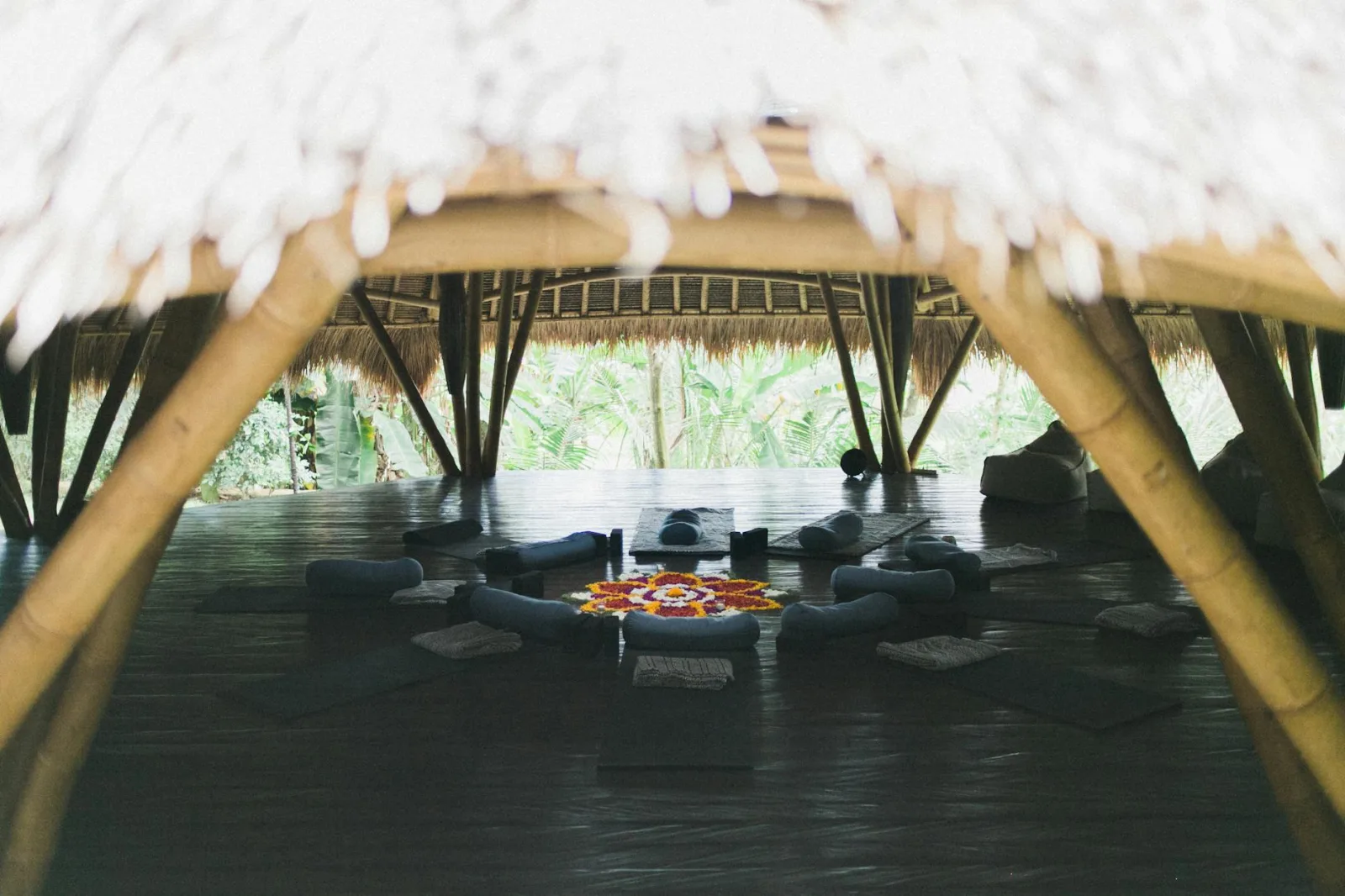
There are various types of spiritual retreats, each catering to different preferences and goals. Understanding these types can help you choose one that aligns with your needs:
- Yoga Retreats: Focus on physical and mental wellness through yoga practices, often accompanied by meditation and healthy meals.
- Meditation Retreats: Emphasize mindfulness and meditation techniques, allowing you to explore different practices in a supportive environment.
- Nature Retreats: Combine outdoor experiences with spiritual practices, promoting a connection with the natural world.
- Wellness Getaways: Incorporate various healing modalities, including nutrition, fitness, and holistic therapies, to support overall well-being.
Choosing the Right Spiritual Retreat
Selecting the right retreat can significantly impact your experience. Here are steps to guide you in making an informed choice:
- Define Your Intentions: Consider what you hope to achieve from the retreat. Are you looking for relaxation, self-discovery, or deepening your spiritual practice?
- Research Locations: Look for retreats that are set in peaceful environments, such as mountains, forests, or near water bodies. A tranquil setting is crucial for a rejuvenating experience.
- Check the Itinerary: Review the schedule to ensure it includes activities that resonate with you. A balanced mix of guided practices and personal time is ideal.
- Read Reviews: Look for testimonials from past participants to gauge the quality and atmosphere of the retreat.
- Consider Your Budget: Retreats can vary widely in cost. Be sure to factor in travel, accommodation, and any additional expenses.

Key Components of a Successful Retreat
Understanding what makes a spiritual retreat effective can enhance your experience. Here are some essential components:
- Mindfulness Practices: Engaging in meditation, breathing exercises, or yoga can help center your thoughts and enhance your emotional well-being.
- Healthy Eating: Many retreats offer nutritious meals that support your body during the restorative process. Focus on fresh, organic ingredients can boost your energy levels.
- Personal Reflection: Allocate some time for personal journaling or quiet contemplation. This practice can help clarify your thoughts and feelings.
- Community Interaction: Participate in group activities to foster connections with others. Sharing experiences can lead to new insights and friendships.
Examples of Notable Spiritual Retreats
Here are a few well-regarded spiritual retreats that you might consider for your next wellness getaway:
- Shambhala Mountain Center, Colorado: Nestled in the Rockies, this retreat center offers meditation programs, yoga classes, and workshops focused on mindfulness.
- Kripalu Center for Yoga & Health, Massachusetts: Known for its wide range of wellness programs, Kripalu offers opportunities to deepen your yoga practice while enjoying healthy meals.
- Esalen Institute, California: Located on the stunning Big Sur coast, Esalen offers retreats on personal growth, holistic health, and spiritual development.
- Spirit Rock Meditation Center, California: A peaceful refuge for mindfulness meditation, Spirit Rock hosts retreats focused on insight meditation and community support.
Planning Your Weekend Escape
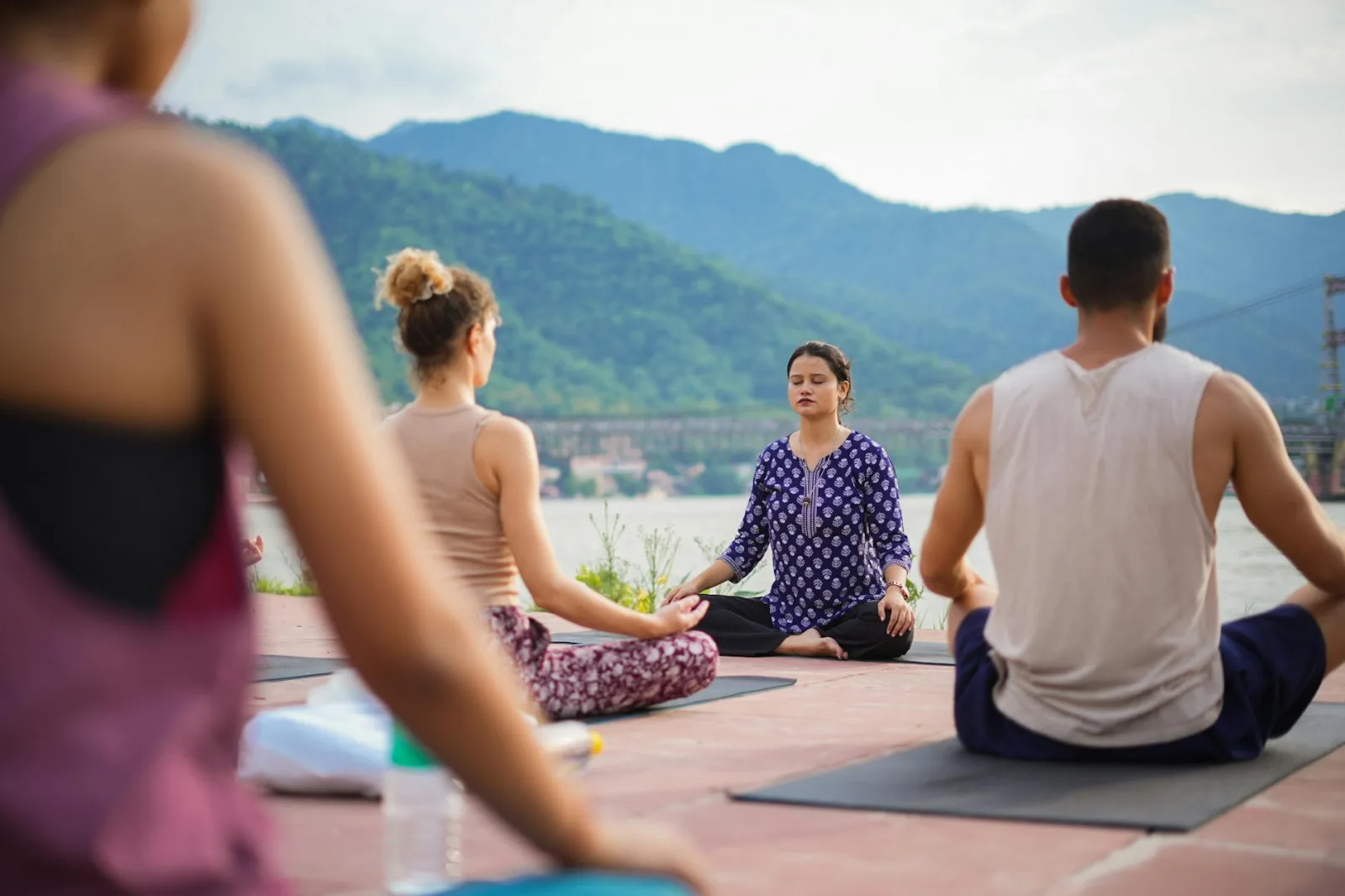
Once you’ve chosen a retreat, it’s time to plan your weekend escape. Here’s how to ensure a smooth experience:
- Pack Mindfully: Bring comfortable clothing suitable for yoga or meditation. Consider packing a journal for reflection and any personal items that help you feel at ease.
- Prepare Mentally: Enter your retreat with an open mind and heart. Allow yourself to disconnect from daily stresses and embrace the journey.
- Establish a Routine: During your retreat, try to maintain a schedule that includes time for practices, meals, and personal reflection.
- Stay Present: Focus on the experience as it unfolds. Avoid distractions from your phone or other digital devices to fully immerse yourself in the moment.
Key Takeaways
In summary, spiritual retreats provide a valuable opportunity to rejuvenate your mind and body. By stepping away from your daily routine, you can engage in mindfulness practices, connect with nature, and explore your inner self. Remember to choose a retreat that aligns with your intentions, and be open to the transformative experiences it offers. Whether you are seeking a yoga retreat, a meditation-focused getaway, or an eco-conscious escape, the journey will likely enhance your overall well-being.
For those interested in nature while supporting sustainability, consider exploring Eco-Conscious Weekend Getaways. If you’re looking to recharge without the distraction of technology, check out Tech-Free Weekend Getaways for Digital Detox.