




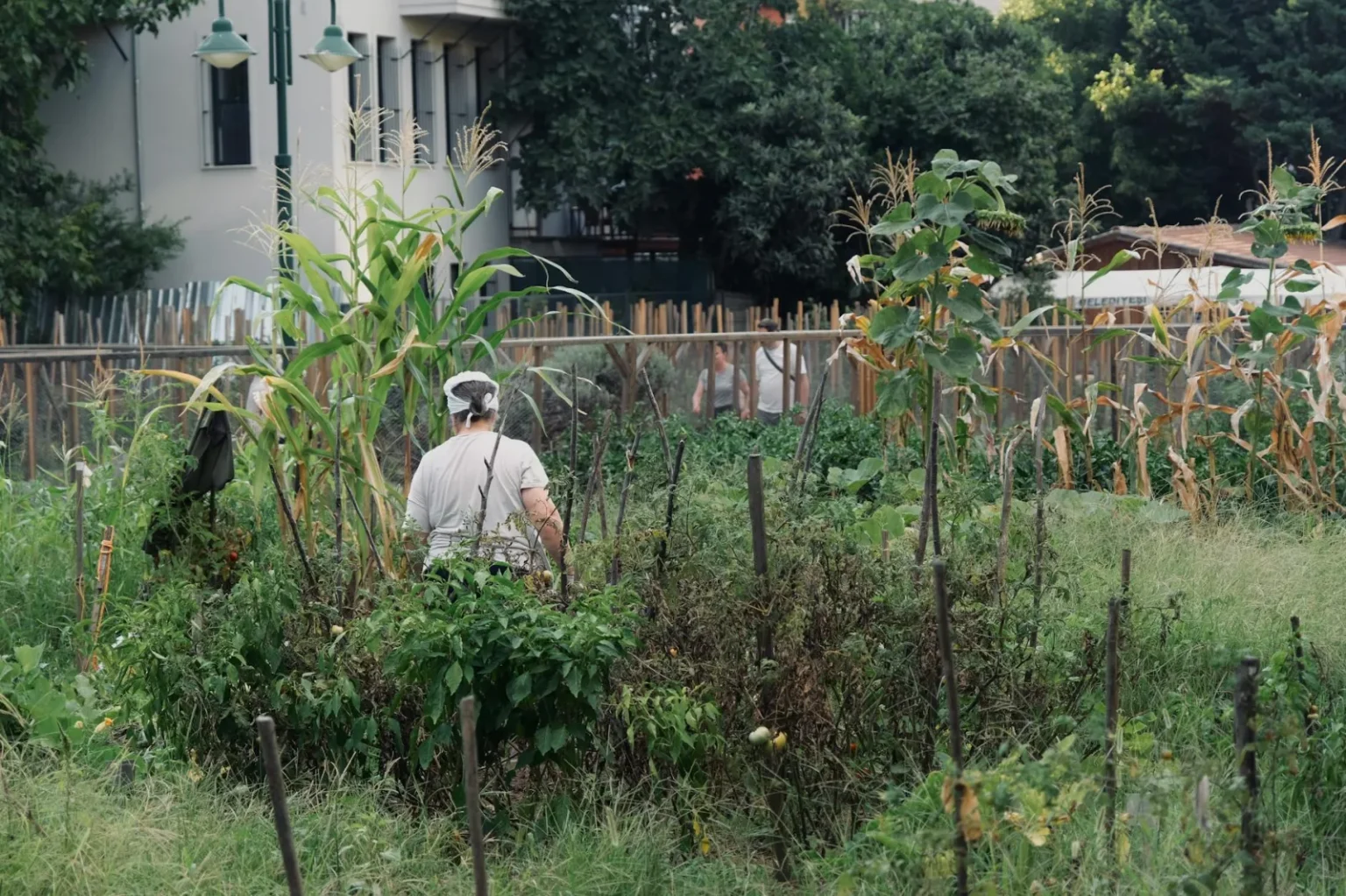

Understanding Cairo’s Community Gardens
Cairo’s community gardens serve as a green oasis amidst the bustling urban landscape. These gardens are more than just patches of greenery; they represent a collective effort to cultivate both crops and connections among local residents. By engaging in urban agriculture, community members not only grow food but also foster a sense of belonging and cultural identity.
- Understanding Cairo’s Community Gardens
- The Role of Community Gardens in Urban Agriculture
- Steps to Start Your Own Community Garden
- Cultural Significance of Community Gardens
- Challenges Facing Community Gardens
- Success Stories from Cairo’s Community Gardens
- Engaging with Local Sustainability
- Conclusion and Key Takeaways
The Role of Community Gardens in Urban Agriculture
Urban agriculture refers to the practice of cultivating, processing, and distributing food in or around urban areas. In Cairo, community gardens play a vital role in this movement. They provide fresh produce to neighborhoods, often in areas where access to such food is limited. This is essential for promoting local sustainability, as it reduces the carbon footprint associated with transporting food over long distances.
For example, a community garden in the downtown area may produce vegetables like tomatoes and cucumbers, which can be sold at local markets. Not only does this provide residents with fresh options, but it also supports local economies and reduces reliance on imported goods.
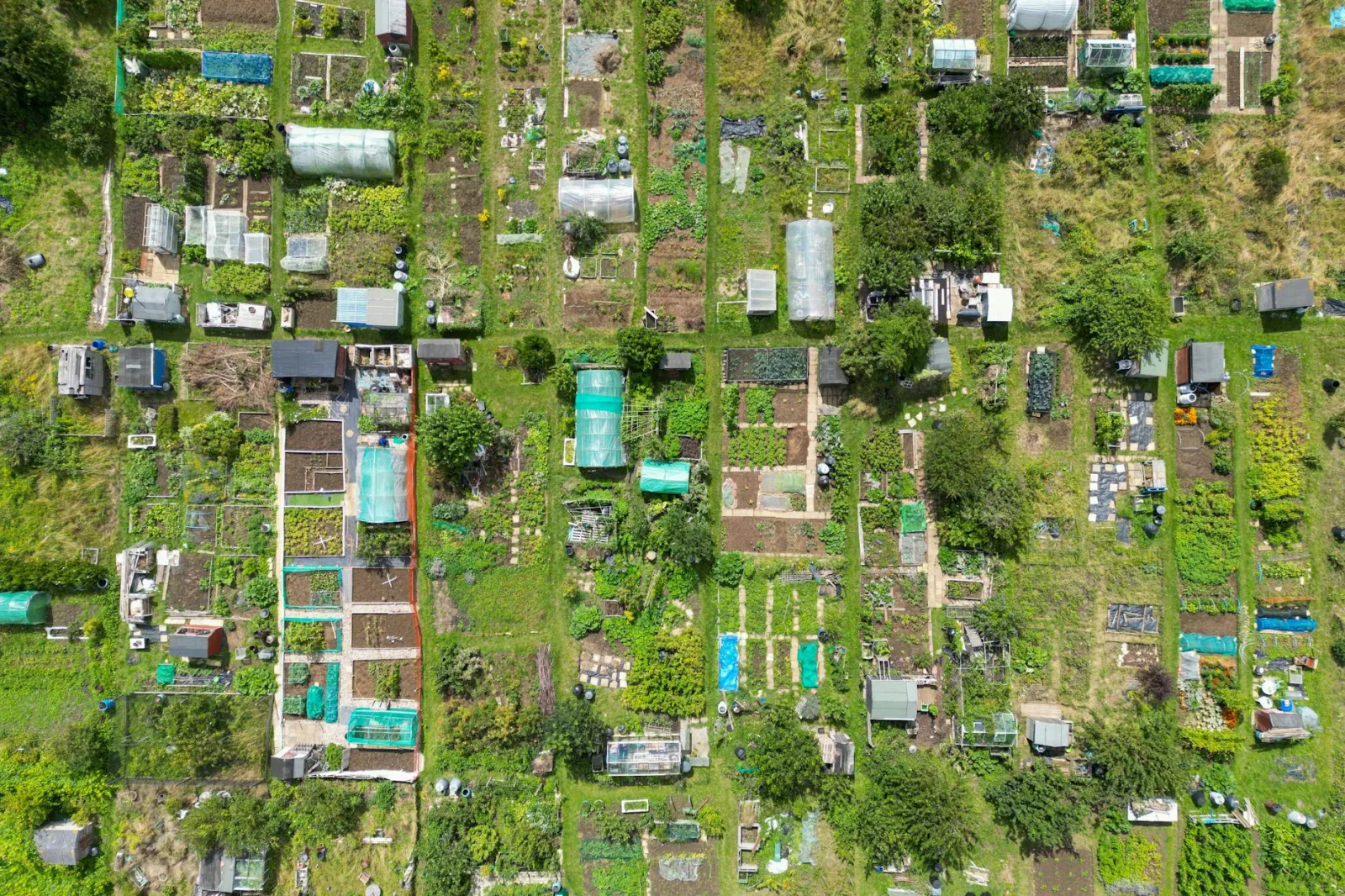
Steps to Start Your Own Community Garden
If you’re interested in creating a community garden in Cairo or any urban setting, here are some practical steps to consider:
- Gather Interest: Start by talking to your neighbors and local community members to gauge interest. Hosting a meeting can help bring people together and establish a shared vision.
- Choose a Location: Look for available land that is accessible and has adequate sunlight. In Cairo, some gardens are established in public parks or vacant lots.
- Plan the Layout: Design the garden layout based on the space available. Consider what crops are suitable for the climate and what the community prefers to grow.
- Secure Resources: You may need to gather tools, soil, and seeds. Consider reaching out to local businesses for donations or partnerships.
- Establish Rules: Create guidelines that promote cooperation and respect among participants. This can include how to share responsibilities and distribute harvested produce.
- Start Planting: Once everything is in place, begin planting! Encourage all members to get involved in the gardening process.
- Maintain the Garden: Regular maintenance is crucial. Schedule group workdays to ensure that the garden remains healthy and productive.
Important note: Always check for local regulations regarding land use and gardening in public spaces to avoid any legal issues.
Cultural Significance of Community Gardens
Community gardens in Cairo are not just about food; they also serve as a cultural hub where people from different backgrounds come together. This interaction fosters cultural exchange and understanding, as participants share traditional gardening techniques and recipes.
For instance, many gardeners in Cairo incorporate local herbs and spices unique to Egyptian cuisine, such as mint and coriander. This not only enhances the flavors of their cooking but also helps to preserve culinary traditions. Additionally, community gardens often host workshops and events that promote local art and music, creating a vibrant atmosphere. You can explore more about such cultural engagements in 10 Hidden Cultural Festivals in Cairo.
Challenges Facing Community Gardens
While community gardens offer numerous benefits, they also face challenges that can hinder their success. One significant issue is access to water, especially in a city like Cairo where water resources are limited. Gardeners must find sustainable ways to irrigate their plants, such as rainwater harvesting or drip irrigation systems.
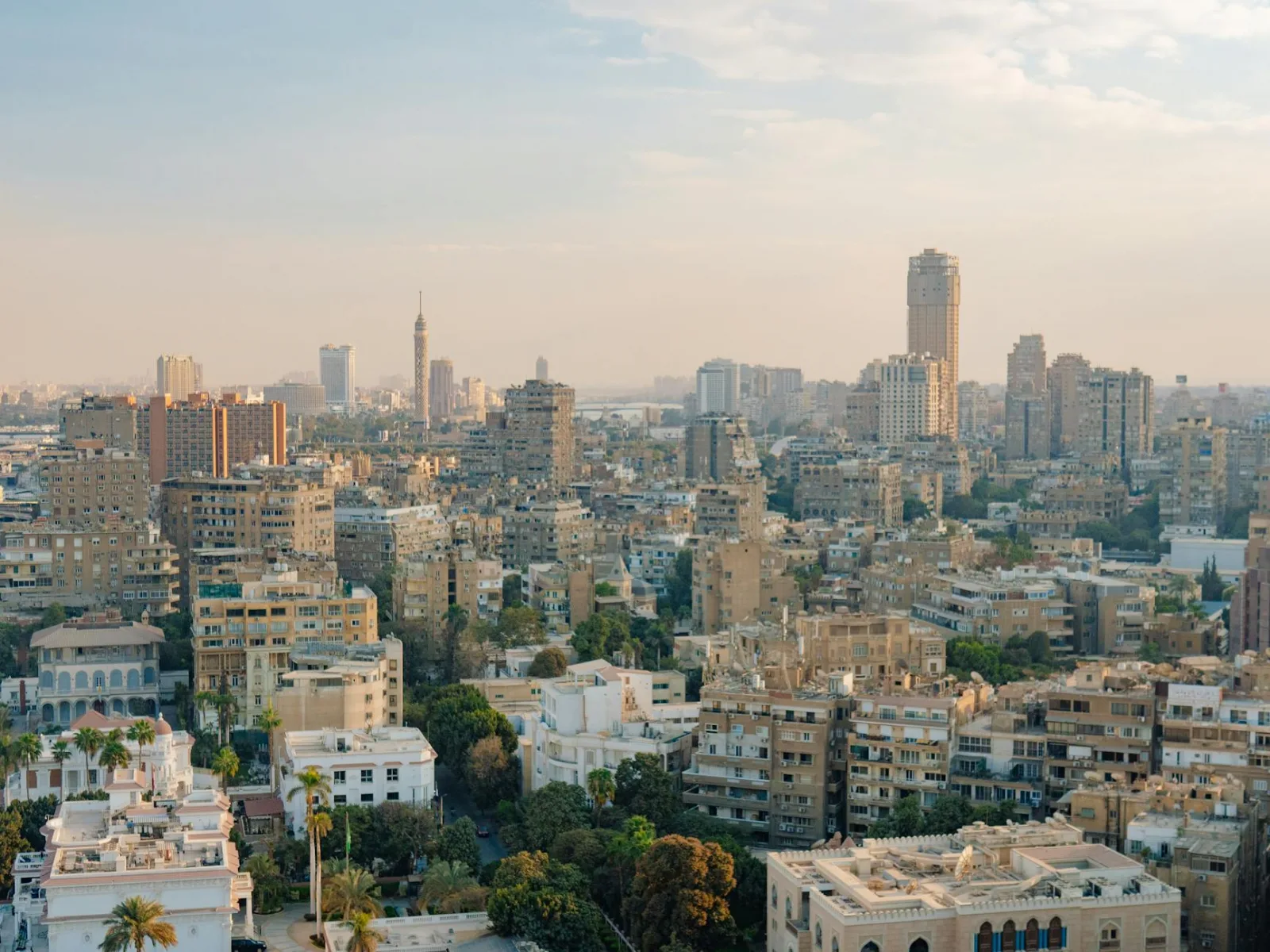
Another challenge is the potential for land development. Urban expansion can threaten the existence of community gardens, as land may be repurposed for construction. Therefore, advocates often need to engage with local authorities to secure the future of these green spaces.
Success Stories from Cairo’s Community Gardens
Several successful community gardens in Cairo showcase the positive impact of local sustainability initiatives. For example, the Al-Azhar Park Community Garden has become a model for urban agriculture. With its lush greenery and diverse crops, it attracts both residents and tourists. The garden hosts educational programs on sustainable gardening practices, encouraging participants to adopt eco-friendly methods.
Another notable example is the Giza Community Garden, where members grow a variety of vegetables and herbs. This garden operates on a cooperative model, allowing members to share both the labor and the harvest. Such initiatives demonstrate how community gardens can empower individuals and strengthen community ties.

Engaging with Local Sustainability
Community gardens contribute to local sustainability in various ways. They encourage biodiversity by providing habitats for local wildlife and promoting organic farming practices. Moreover, they reduce food waste by allowing gardeners to compost their organic scraps, turning waste into nutrient-rich soil.
Furthermore, these gardens create educational opportunities for both children and adults. Workshops on gardening, cooking, and sustainability practices help increase awareness of environmental issues and encourage more sustainable living habits. If you’re interested in hands-on learning, check out community art workshops that also emphasize sustainability, like those found in Crafting Memories: A Hands-On Guide to Local Art Workshops.
Conclusion and Key Takeaways
Cairo’s community gardens exemplify the intersection of culture, community, and sustainability. By engaging in urban agriculture, residents not only cultivate food but also foster a sense of belonging and cultural pride. If you’re considering starting a community garden, remember the essential steps: gather interest, choose a location, plan the layout, secure resources, establish rules, start planting, and maintain the garden.
As you explore these vibrant spaces, keep in mind the cultural significance and shared experiences that make them unique. Whether you’re a local or a visitor, participating in Cairo’s community gardens can deepen your understanding of the city and its people.
In summary, community gardens in Cairo offer valuable opportunities for sustainable living and cultural engagement. They are a testament to the power of community and the importance of nurturing both our environment and our connections with one another.