





The Essence of Cairo Street Art
Cairo street art is more than just a visual spectacle; it serves as a powerful medium for self-expression and social commentary. In a city rich with history, the urban landscape has transformed into a canvas where local artists convey their experiences and perspectives. This phenomenon plays a significant role in shaping local identity, reflecting the thoughts, struggles, and aspirations of the community.
The Historical Context of Street Art in Cairo
To understand the current state of street art, it’s essential to consider its historical backdrop. After the 2011 Egyptian Revolution, there was a surge in street art as a form of protest. Artists utilized walls to express dissent against political oppression and social injustices. This era marked a shift where art became a tool for engagement rather than mere decoration. Important note: The evolution of street art in Cairo mirrors the city’s dynamic socio-political landscape.
How Street Art Shapes Local Identity
Street art contributes significantly to the local identity in several ways:
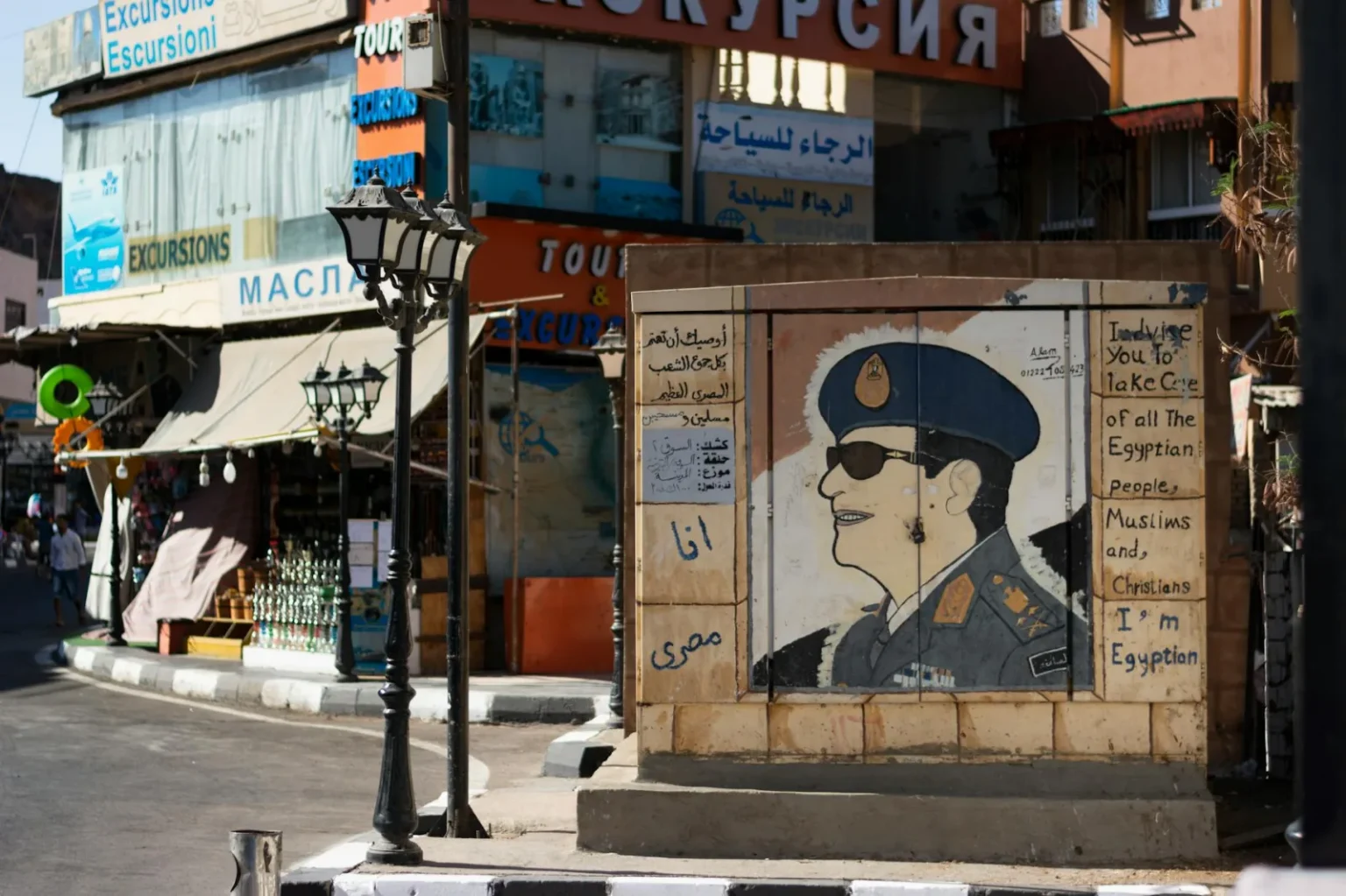
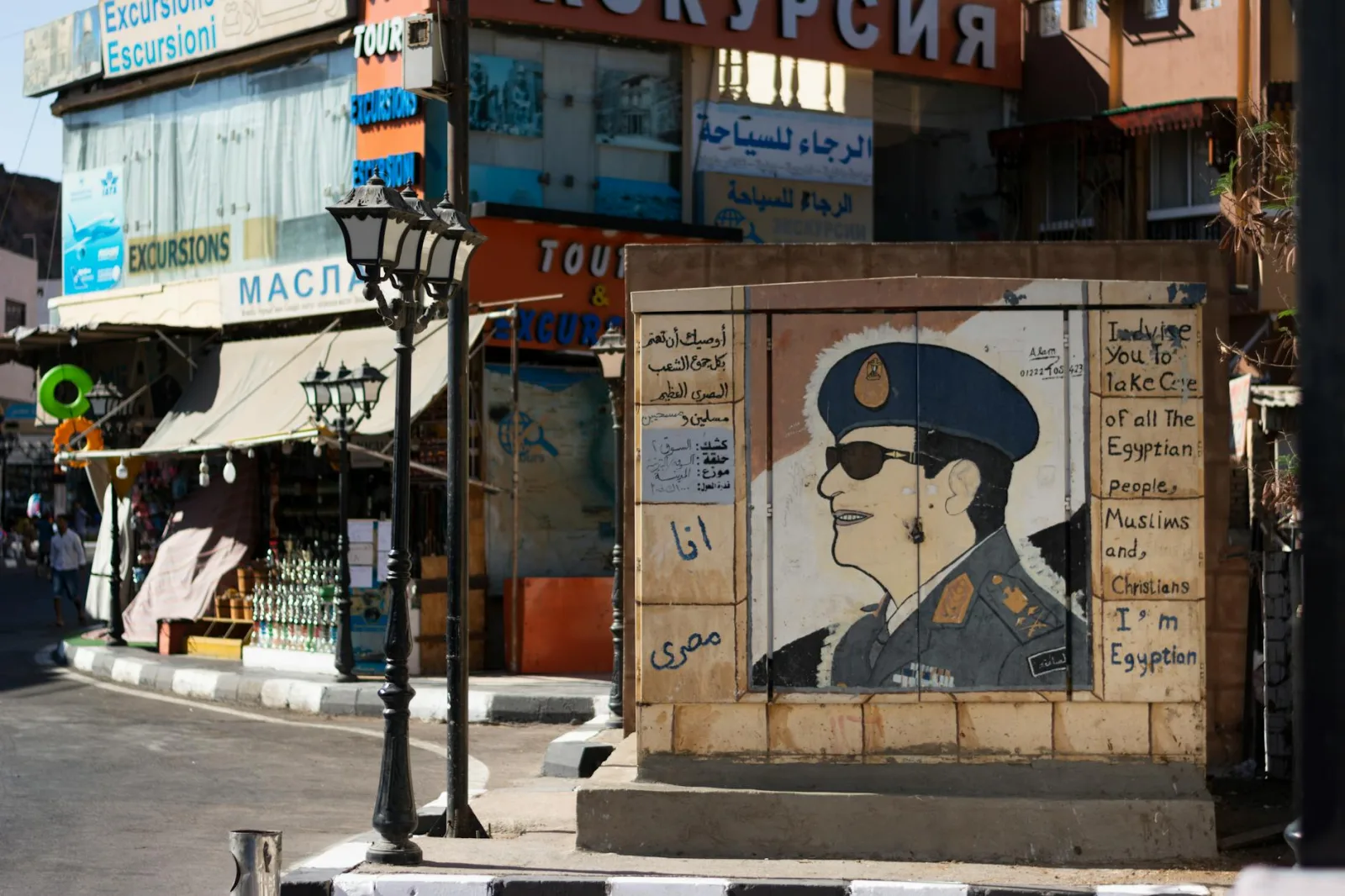
- Visual Representation: Murals often depict local heroes, historical events, or cultural symbols that resonate with the community. For instance, the depiction of historical figures like Nasser or symbols of the revolution helps instill a sense of pride and belonging among residents.
- Community Engagement: Many artists collaborate with local communities to create works that reflect collective experiences. This collaboration fosters a sense of ownership and connection, making the art more meaningful to locals.
- Urban Culture Reflection: Street art captures the essence of urban life, showcasing the daily struggles and joys of Cairo’s residents. It serves as a mirror to society, highlighting issues such as poverty, gender equality, and social justice.
Exploring Cairo’s Street Art Hotspots
If you’re keen to explore Cairo’s street art scene, several neighborhoods stand out:
- Zamalek: Known for its vibrant murals, Zamalek is a hub for artists. As you walk through its streets, you’ll encounter various styles, from abstract to political statements.
- Downtown Cairo: This area is home to some of the most significant pieces, often reflecting the socio-political atmosphere. The walls here tell stories of resistance and hope.
- Maadi: A quieter neighborhood, Maadi features murals that celebrate local culture and community life, providing a different perspective on urban identity.
Connecting Street Art with Urban Culture
Cairo’s street art is deeply intertwined with its urban culture. Understanding this connection requires recognizing how artists draw inspiration from their surroundings. For example, the bustling markets, daily life, and the sounds of the city often find their way into the art, creating a unique dialogue between the artist and their environment. Additionally, street art encourages dialogue among residents, fostering a community spirit.
The Role of Technology and Social Media
In this digital age, social media has transformed how street art is shared and perceived. Artists use platforms like Instagram to showcase their work, reach wider audiences, and communicate their messages. This has led to increased visibility and appreciation for local talent. On the other hand, it raises questions about authenticity and commercialization. Artists often grapple with maintaining their original intentions while catering to a broader audience.
Challenges Facing Street Artists in Cairo
Despite the vibrant scene, street artists in Cairo encounter numerous challenges:
- Legal Issues: Many murals are painted without permission, leading to potential legal repercussions. This adds an element of risk for artists who wish to express themselves publicly.
- Public Perception: While some view street art as a legitimate form of expression, others consider it vandalism. This divide can impact artists’ freedom to create.
- Resource Constraints: Limited access to materials and funding can hinder artistic expression. Many artists rely on community support or personal funds to realize their visions.
Key Takeaways
Cairo’s street art scene is a vibrant reflection of its urban culture and local identity. Through murals, artists convey powerful messages that resonate with the community. By exploring different neighborhoods, you can witness firsthand how street art shapes the city’s narrative. Remember, street art is not merely decoration; it is a living dialogue between the artist and the community.
To deepen your understanding of Cairo’s cultural landscape, consider exploring its culinary traditions through navigating hidden culinary traditions or engaging with local storytellers in the vibrant cultural scene. Street art, much like food and storytelling, is an integral part of what makes Cairo unique.