The Ultimate Guide to Traveling Egypt with Mobility Challenges: Accessible Destinations and Tips
By
Share
Understanding Accessibility in Egypt
Accessibility in travel refers to the ease with which people with mobility challenges can navigate a destination. This encompasses not only physical access to locations but also transportation options and accommodations. In Egypt, while many sites are rich in history and culture, not all are equipped with the necessary facilities to cater to travelers with mobility challenges. This guide aims to help you make informed decisions and enjoy your trip without unnecessary stress.
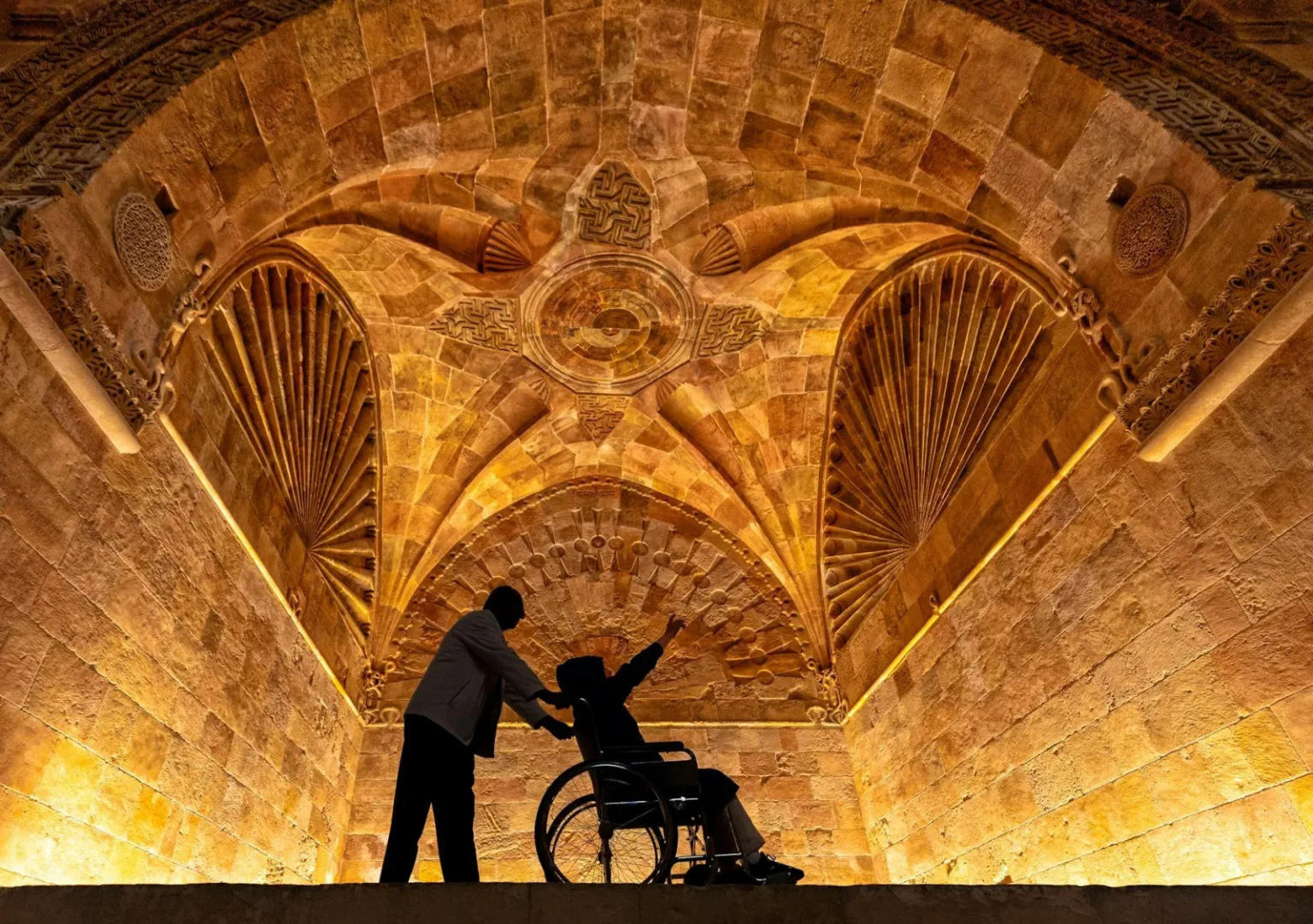
Before you travel, it’s crucial to identify destinations within Egypt that are known for being accessible. Some major cities, like Cairo and Alexandria, have made strides in improving accessibility. For example, the Egyptian Museum in Cairo has ramps and elevators, making it easier for visitors with mobility issues to explore its vast collection.
📷 Craig Adderley – Pexels
2. Plan Your Itinerary Wisely
When planning your trip, prioritize destinations that are known for their accessibility. For instance, Luxor, famous for its temples and tombs, has some sites that are more accessible than others. Karnak Temple, for example, provides wheelchair access, while others might require significant walking or navigating uneven terrain. Therefore, research each site beforehand to ensure it meets your mobility needs.
3. Choose the Right Accommodations
Booking hotels that cater to accessibility needs is essential for a comfortable stay. Many hotels in major cities now offer accessible rooms with features such as wider doorways, grab bars, and roll-in showers. Always confirm the availability of these features directly with the hotel before your stay. Websites like Booking.com allow you to filter accommodations based on accessibility needs, making your search easier.
4. Transportation Options in Egypt
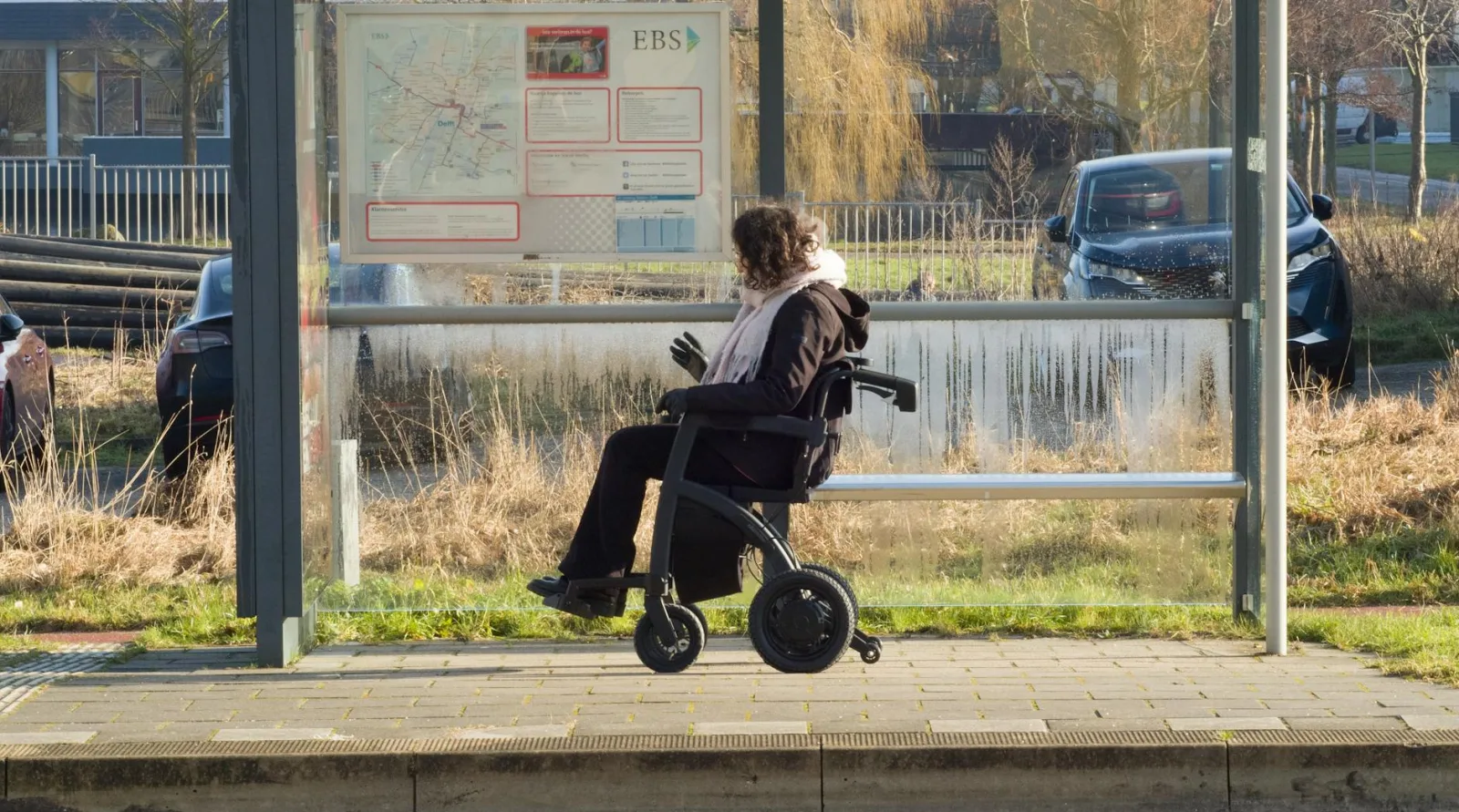
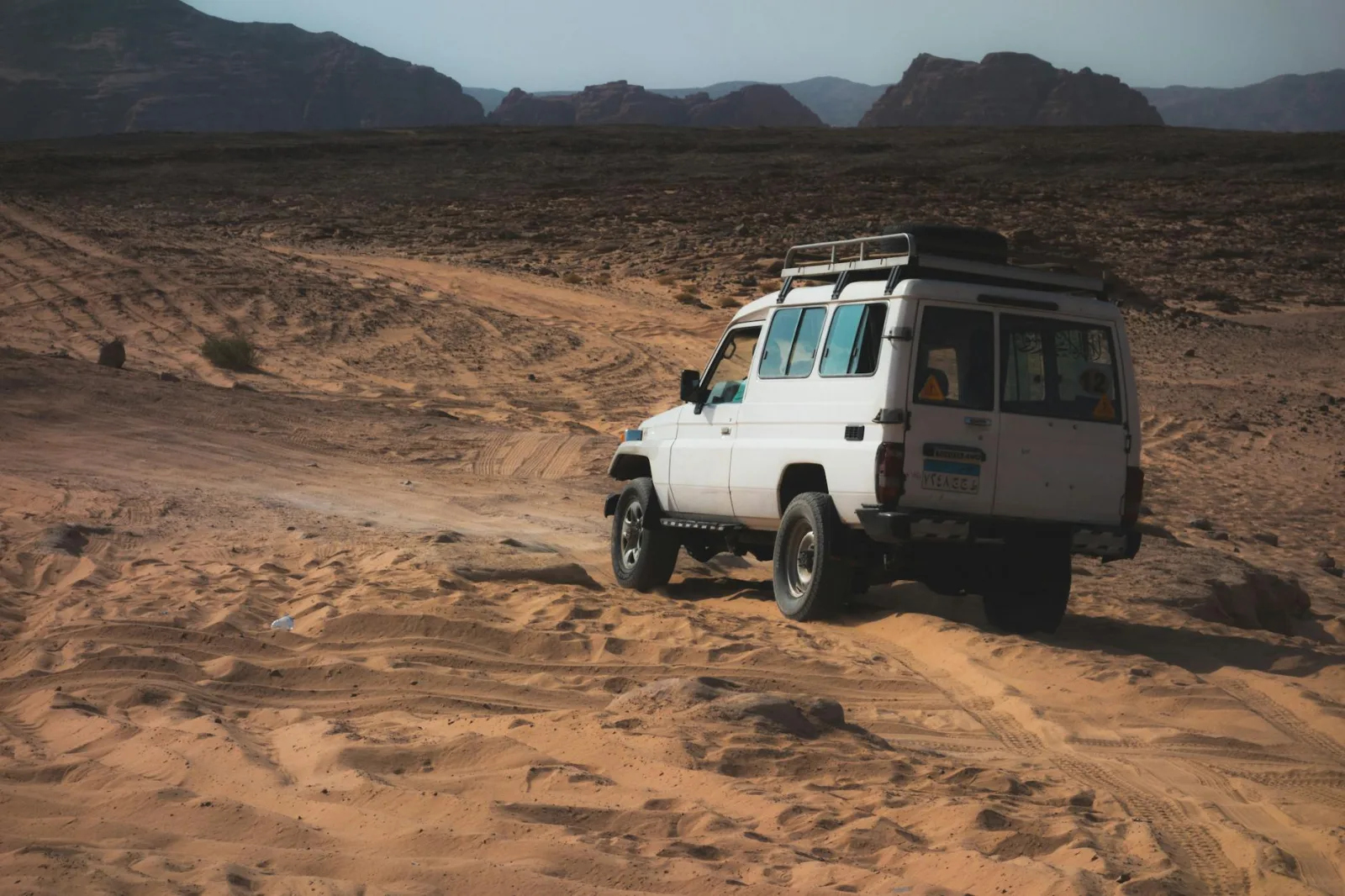
Transportation can be a significant hurdle for travelers with mobility challenges. While taxis are widely available, they may not always have the necessary accommodations. Opting for pre-arranged private transfers with accessible vehicles can alleviate potential issues. Additionally, consider using rideshare apps, which may provide vehicles that are better suited for your needs. Always confirm the vehicle type and accessibility features when booking.
📷 Rollz International – Pexels
5. Utilize Local Guides
Hiring a local guide can enhance your experience significantly. A knowledgeable guide can help navigate inaccessible areas and provide insights into accessible routes. They can also assist in finding alternate ways to enjoy cultural experiences without compromising on comfort. Look for guides who specialize in accessible travel; they will have the expertise to make your visit much smoother.
Pro Tips for Navigating Mobility Challenges
– **Stay Hydrated**: Egypt can be hot, especially during the summer months. Carry water with you and take breaks as needed. Keeping hydrated is essential for everyone, but particularly for those with mobility challenges.
– **Avoid Peak Hours**: Visiting popular sites during off-peak hours can reduce the crowds and make navigation easier. Early mornings or late afternoons are usually less crowded, allowing for a more pleasant experience.
– **Common Mistake**: Don’t assume all tourist sites are wheelchair-friendly. Always check reviews or contact sites in advance to confirm accessibility.
📷 Vintage Laka – Pexels
6. Consider Cultural Etiquette
Understanding and respecting local customs can enhance your experience in Egypt. For instance, it is common to greet locals with a smile and a friendly “salaam.” Engaging with the culture can open doors to more accessible experiences, such as local guided tours that prioritize inclusivity. Additionally, consider reading up on local customs to ensure you are respectful and aware of cultural norms.
7. Be Prepared for the Unexpected
Travel is often unpredictable. Having a backup plan can help you handle unexpected situations. Keep a list of alternative attractions or activities that are known for their accessibility. For example, if a particular temple is too challenging to navigate, visiting a nearby museum or cultural center may provide a similar experience without the physical strain. Flexibility is key to enjoying your trip.
Conclusion: Key Takeaways
Traveling in Egypt with mobility challenges requires careful planning and awareness of your surroundings. By researching accessible destinations, choosing the right accommodations, and utilizing local guides, you can create a fulfilling travel experience. Remember to stay hydrated, avoid peak hours, and be prepared for the unexpected. With the right preparation, you can enjoy the rich history and culture of Egypt while accommodating your mobility needs. For more tips on navigating local customs, check out our guide on Understanding Local Customs.