Savor the Journey: Weekend Getaways for Foodies on Culinary Trails
By
Share
Exploring Culinary Trails: What Are They?
Culinary trails are curated routes that guide food enthusiasts through diverse dining experiences, local markets, and food festivals. They allow you to explore a region’s unique flavors and culinary heritage, often highlighting local ingredients and traditional cooking methods. By embarking on these trails, you not only satisfy your taste buds but also learn about the culture behind the cuisine.
Firstly, select a destination known for its culinary richness. Research local cuisine experiences that resonate with your tastes. For example, if you enjoy seafood, a coastal town with a vibrant fishing industry could be an ideal choice. A good practice is to check local food blogs, tourism websites, and social media for current trends and popular spots.
📷 Joel Garcia – Pexels
Step 1: Identify Your Culinary Interests
Before diving into your getaway, outline what you want to explore. Here are some categories to consider:
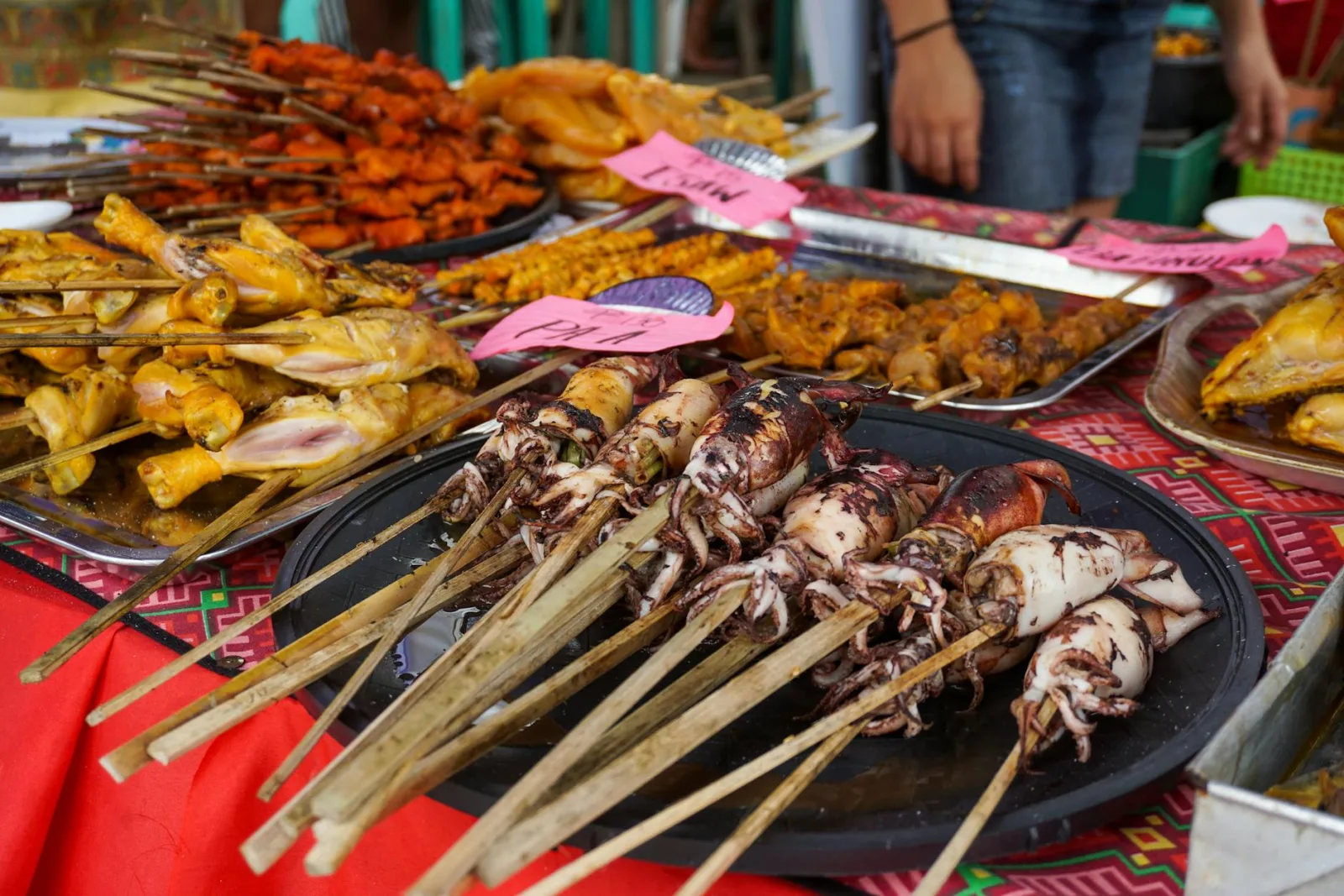
Street Food: Sample local delicacies from food trucks or market stalls.
Fine Dining: Treat yourself to a multi-course meal at a renowned restaurant.
Cooking Classes: Participate in a hands-on experience to learn local recipes.
Farm-to-Table Experiences: Visit local farms or markets to see where ingredients come from.
This step ensures your trip aligns with your culinary preferences, making the experience more enjoyable.
Step 2: Research Local Culinary Events
Keep an eye out for food festivals, farmers’ markets, or cooking competitions happening during your visit. These events often highlight the best local cuisine and provide opportunities to sample dishes you might not find in restaurants. Websites like local tourism boards usually list upcoming events. For example, the Ultimate Foodie Retreat offers guides to food festivals across various regions.
Step 3: Create an Itinerary
Once you’ve gathered information, outline a flexible itinerary. Here’s a sample structure:
Day 1: Arrive and explore local food markets; try street food for dinner.
Day 2: Attend a cooking class in the morning; visit a renowned restaurant for dinner.
Day 3: Participate in a local food festival, sampling various dishes before heading home.
This structure allows for spontaneity while ensuring you hit all your must-try spots.
📷 Ayşe İpek – Pexels
Popular Foodie Getaways to Consider
Here are a few destinations that exemplify the concept of foodie getaways:
Napa Valley, California: Known for its wine and farm-to-table dining, Napa offers vineyard tours and gourmet dining experiences.
New Orleans, Louisiana: Dive into Cajun and Creole cuisine with beignets, gumbo, and po’boys as must-tries.
Portland, Oregon: Enjoy the city’s thriving food truck scene and craft breweries, showcasing local ingredients and innovative dishes.
Charleston, South Carolina: Experience Lowcountry cuisine, featuring seafood and Southern comfort dishes.
Each of these destinations provides a unique culinary experience that showcases local flavors.
Step 4: Engage with Local Chefs and Artisans
Connecting with local chefs or artisans can greatly enhance your foodie getaway. Consider the following approaches:
Chef’s Table Experiences: Many restaurants offer exclusive dining experiences where you can interact with the chef and learn about the dishes you are enjoying.
Artisan Workshops: Participate in workshops for cheese-making, baking, or butchery to gain a deeper understanding of local food artisanship.
Engaging with locals not only enriches your experience but also fosters a greater appreciation for their culinary traditions.
📷 Yan Krukau – Pexels
Important Tips for a Successful Foodie Getaway
To maximize your experience, keep these tips in mind:
Book in Advance: Popular restaurants and events can fill up quickly, so make reservations ahead of time.
Be Open-Minded: You may encounter flavors or dishes you’re not familiar with; be willing to step out of your comfort zone.
Stay Hydrated:Tasting multiple dishes can be overwhelming; make sure to drink plenty of water.
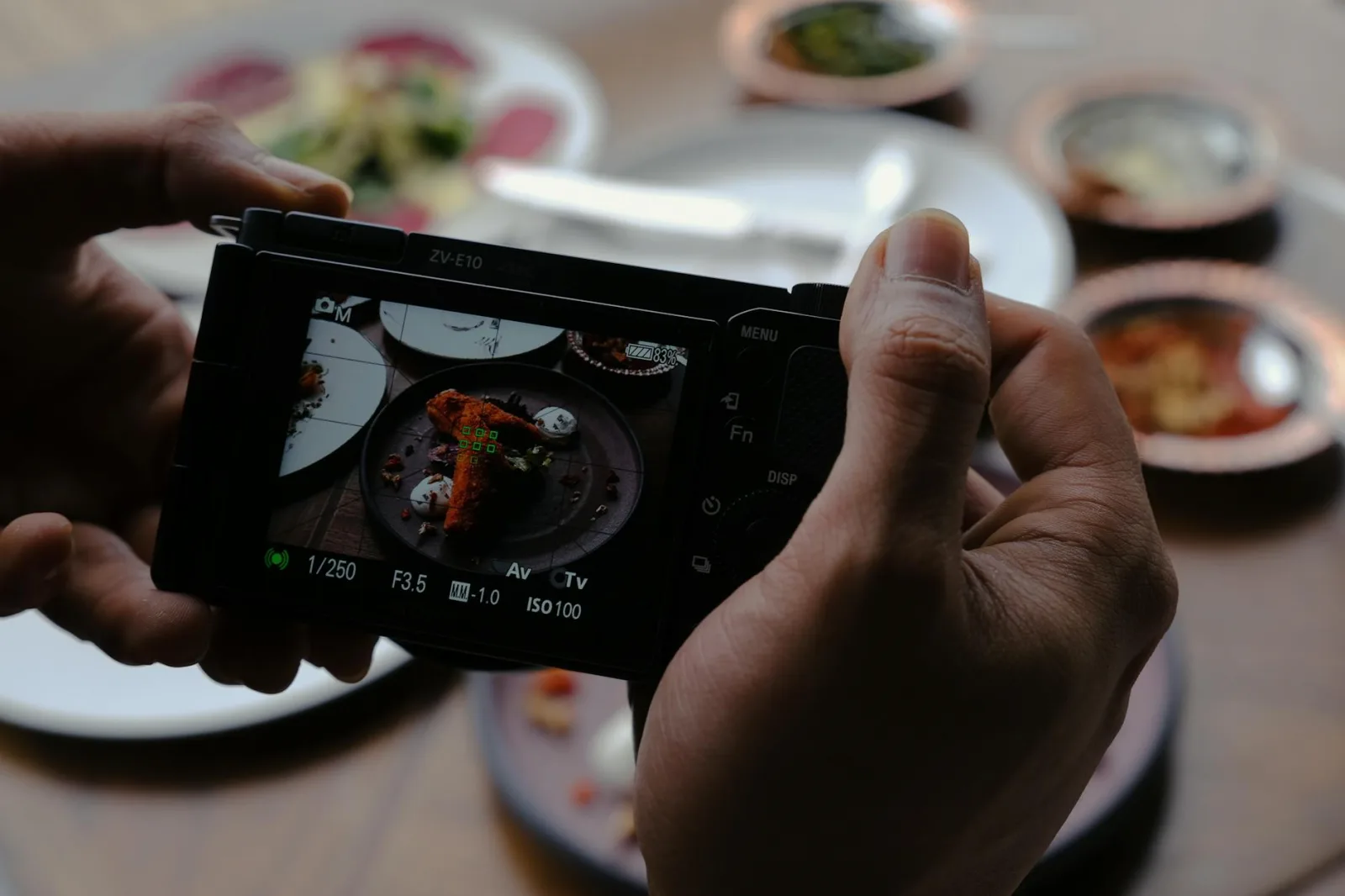
Document Your Journey: Take notes or photos to remember your favorite dishes and experiences for future reference.
These tips can help you navigate your culinary journey more effectively.
Step 5: Reflect and Share Your Experience
Upon returning, take the time to reflect on your getaway. What were the highlights? What did you learn? Sharing your experiences and recommending your favorite places can help others plan their own foodie getaways. Consider writing a blog post or sharing on social media. By doing so, you contribute to the community of food lovers and may inspire others to embark on their culinary adventures.
Summary of Key Takeaways
Foodie getaways offer an exciting opportunity to explore local cuisine experiences through culinary trails. By planning thoughtfully, engaging with local food culture, and keeping an open mind, you can create a memorable culinary adventure. Remember to document your experiences and share them with others to encourage the growth of culinary tourism. Happy eating!