






Understanding Nomadic Tribes
Nomadic tribes are groups of people who move from one place to another rather than settling permanently in one location. This lifestyle is often adapted to allow for the sustainable use of resources in harsh environments. In the Arabian Peninsula, nomadic tribes have a rich history that reflects their adaptability and resilience. You may wonder why these tribes continue to thrive in a region known for its arid landscapes. The answer lies in their ability to navigate the shifting sands of culture and environment.
The Arabian Peninsula: A Unique Landscape
The Arabian Peninsula comprises several countries, including Saudi Arabia, Oman, the United Arab Emirates, Qatar, Bahrain, and Yemen. This vast region features diverse landscapes, from expansive deserts to rugged mountains, making it an ideal setting for nomadic lifestyles. You’ll find that the harsh climate and limited water sources have shaped the cultures and traditions of these tribes.

Key Nomadic Tribes of the Arabian Peninsula
Several nomadic tribes have historically inhabited the Arabian Peninsula, each with unique customs and traditions. Here are a few prominent ones:
- The Bedouins: Perhaps the most well-known nomadic group, the Bedouins have traditionally roamed the deserts of Saudi Arabia and neighboring countries. Their social structure is based on clans, and they are known for their hospitality and strong oral traditions. Understanding Bedouin culture can give you insights into their relationship with the land and animals.
- The Al Murrah: This tribe primarily resides in the eastern region of Saudi Arabia. They are known for their traditional practices of herding camels and engaging in trade. Their lifestyle often revolves around seasonal migration patterns, which are dictated by water availability.
- The Al Azzazah: This lesser-known tribe inhabits the mountainous areas of Oman. They practice agriculture alongside their nomadic heritage, which makes their cultural exploration particularly fascinating. You may find that their blend of sedentary and nomadic practices provides a unique perspective on adaptation.
Cultural Practices and Traditions
Understanding the cultural practices of these tribes can enhance your appreciation for their way of life. Here are some key elements to consider:
- Language: Many nomadic tribes speak dialects that differ significantly from the official languages of their countries. These dialects carry rich histories and reflect the tribes’ unique identities.
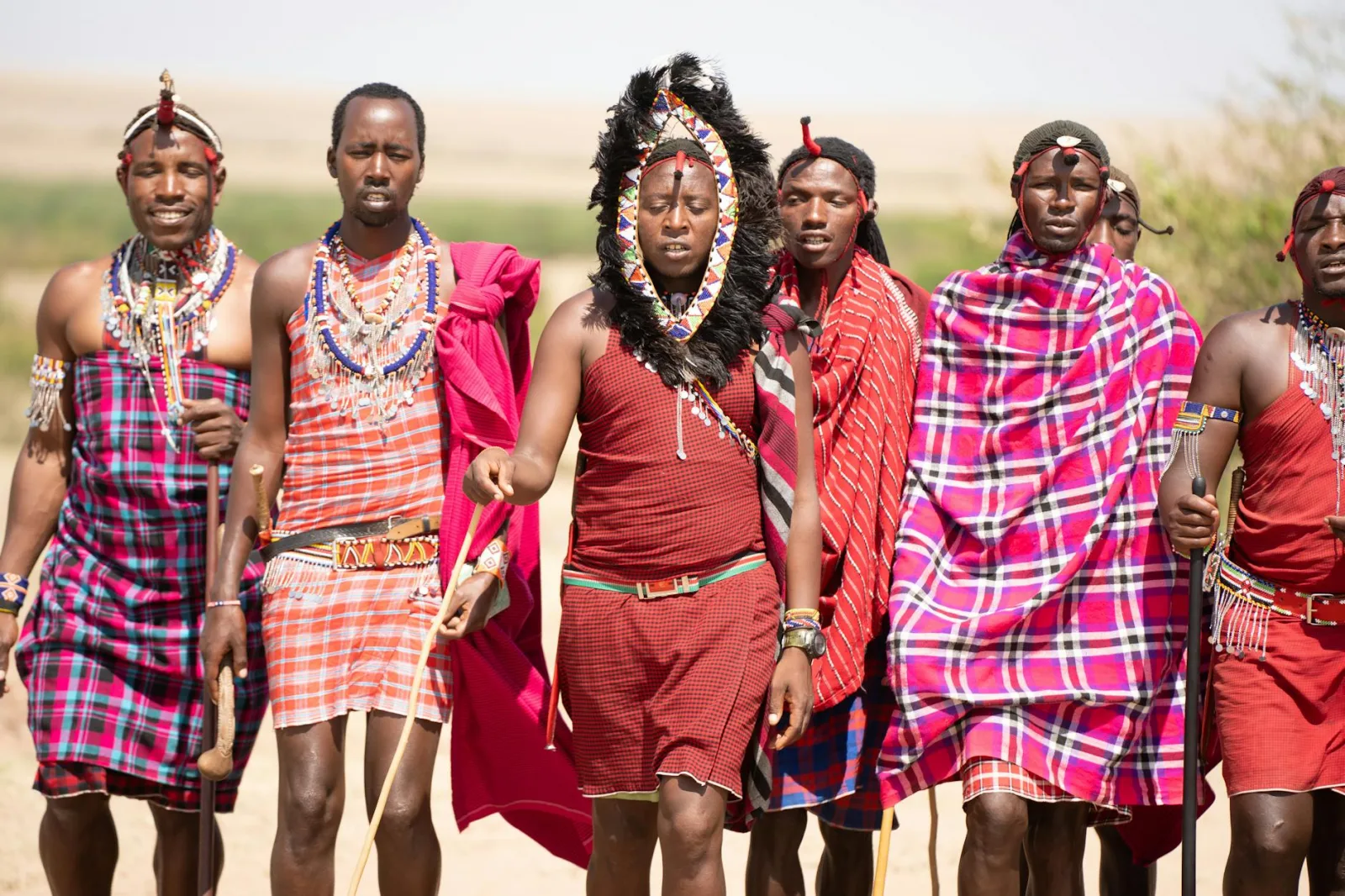
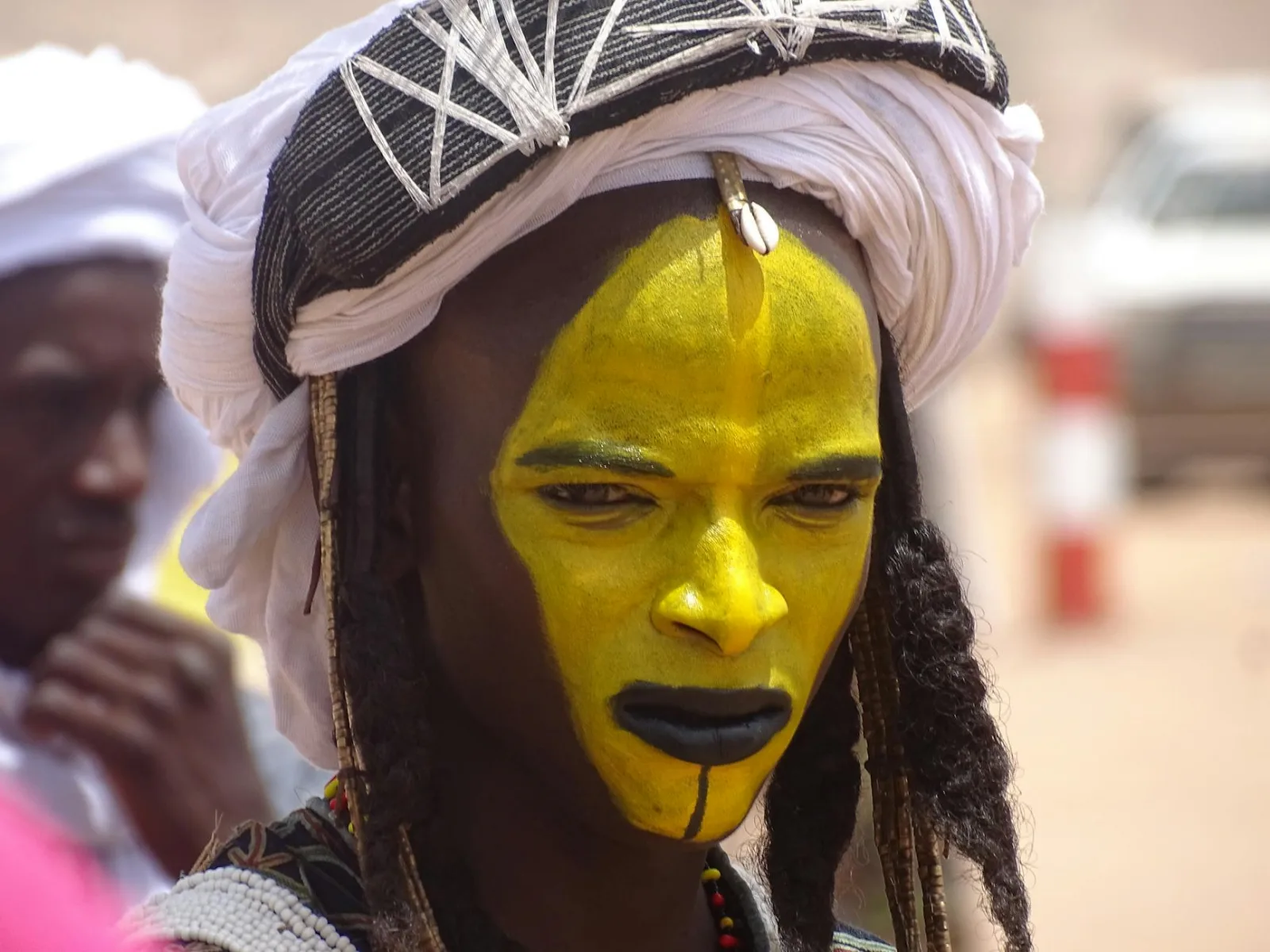
- Music and Dance: Music plays a vital role in tribal life, often used to celebrate events such as weddings and festivals. Traditional dances, performed in elaborate costumes, are also an integral part of their cultural heritage.
- Food: The nomadic diet often includes staple foods that are easy to prepare and carry. Dishes such as rice, lamb, and dates are common, and the method of cooking can vary widely among tribes. Understanding their culinary traditions will provide insights into their resourcefulness.
Challenges Facing Nomadic Tribes
While the nomadic lifestyle has many advantages, it also faces significant challenges. Changes in climate, urbanization, and government policies can threaten their way of life. For example, the expansion of infrastructure often reduces access to traditional grazing lands. Important note: If you’re planning to visit these tribes, be respectful of their customs and aware of these challenges. Engaging with them on their terms is essential for a meaningful experience.
How to Engage with Nomadic Cultures
If you’re interested in experiencing the rich traditions of these nomadic tribes, consider the following steps:
- Research: Familiarize yourself with the specific tribe you wish to engage with. Understanding their customs and history will help you approach them respectfully.
- Plan Your Visit: Timing is crucial. Many tribes have specific seasons for festivals and gatherings. Ensure you align your visit with these events for a more authentic experience.
- Seek Local Guides: Hiring a local guide can enhance your understanding and provide insights that you might not gain on your own. They can also help you navigate cultural sensitivities.
- Participate in Cultural Exchanges: Engage in activities like traditional cooking, music, or crafts. This interaction fosters mutual respect and appreciation.
Key Takeaways
Exploring the hidden nomadic tribes of the Arabian Peninsula offers a unique opportunity to delve into an untold world of culture and tradition. As you consider your journey, remember the following:
- Nomadic tribes have rich histories shaped by their environments and lifestyles.
- Each tribe has its own unique customs, languages, and traditions that reflect their identity.
- Challenges such as urbanization and climate change threaten their way of life.
- Approach cultural exploration with respect, awareness, and a willingness to learn.
In conclusion, the nomadic tribes of the Arabian Peninsula provide a fascinating glimpse into a way of life that has persisted for centuries. By understanding their cultures and challenges, you can engage meaningfully and contribute to the preservation of these rich traditions. For further exploration of the region’s hidden gems, consider reading about lesser-known archaeological sites in Saudi Arabia or the hidden artisans of Saudi Arabia.