





Understanding Cairo Crafts
Cairo is a vibrant city, rich in culture and history. The Cairo crafts scene is an integral part of this vibrancy, showcasing the skills of hidden artisans who weave their stories into every piece they create. Local craftsmanship often goes unnoticed amidst the bustling tourist attractions. However, understanding these crafts offers you a deeper connection to the city and its people.
- Understanding Cairo Crafts
- The Artisans Behind the Crafts
- Exploring Traditional Craft Techniques
- Finding Hidden Artisans in Cairo
- Stories That Shape the Crafts
- The Role of Local Craftsmanship in Community Identity
- Tips for Engaging with Artisans
- Conclusion: The Importance of Supporting Hidden Artisans
- Key Takeaways
The Artisans Behind the Crafts
Hidden artisans are the backbone of Cairo’s craft scene. They often work in small workshops or from their homes, passing down techniques through generations. You might meet a potter who learned from his grandmother or a textile artist inspired by her mother’s patterns. Each artisan has a unique story that shapes their work, and understanding these narratives can enhance your appreciation of their crafts.
Exploring Traditional Craft Techniques
To truly appreciate Cairo crafts, it’s essential to explore the different techniques used. Here are a few traditional crafts you might encounter:
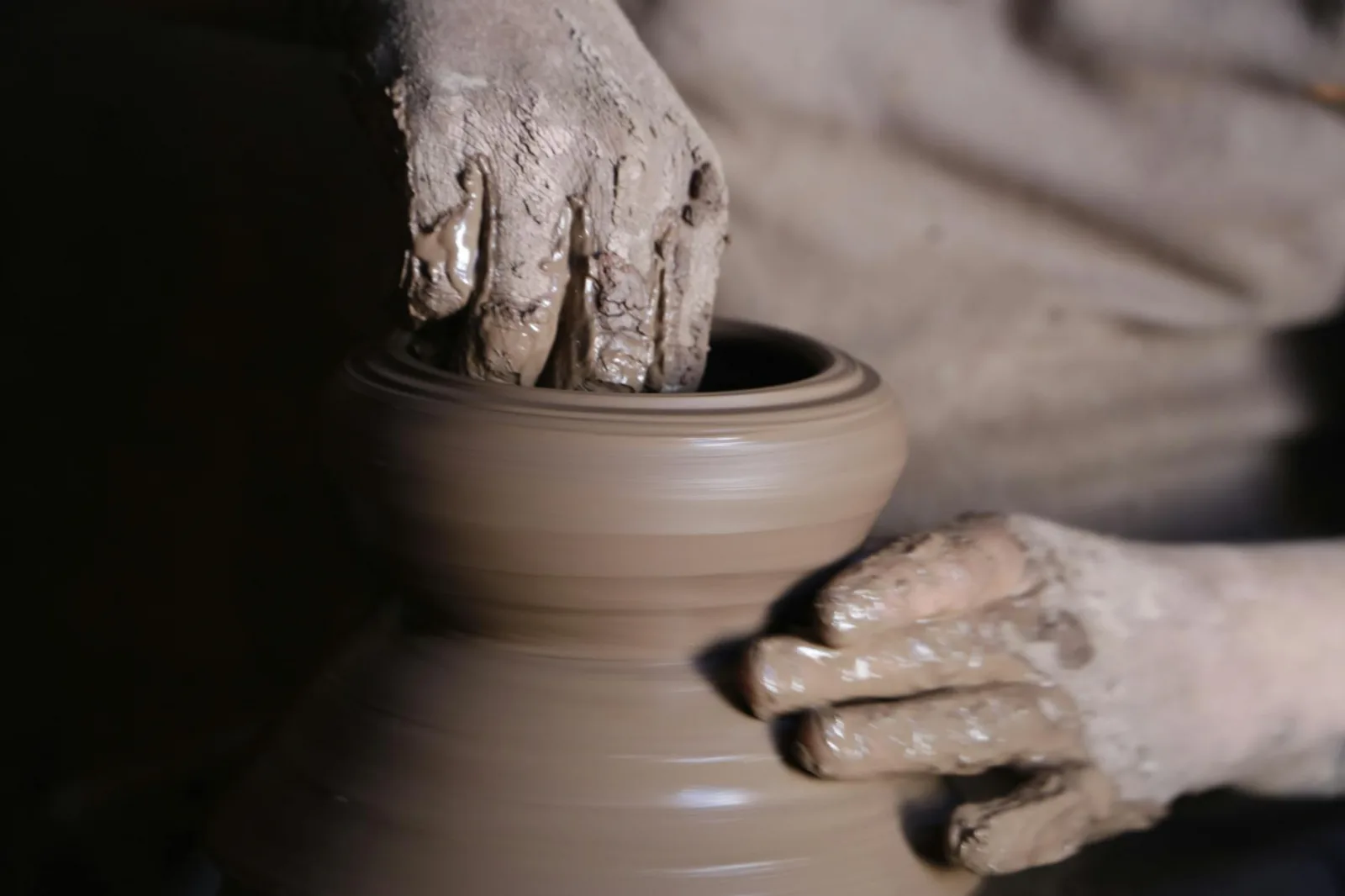
- Pottery: Often crafted from local clay, Cairo’s pottery is both functional and decorative. Artisans may use ancient techniques, such as wheel throwing and hand-coiling, to create unique pieces.
- Textiles: The art of weaving in Cairo dates back centuries. From intricate carpets to beautifully embroidered garments, textile artisans often use natural dyes and traditional patterns that tell a story.
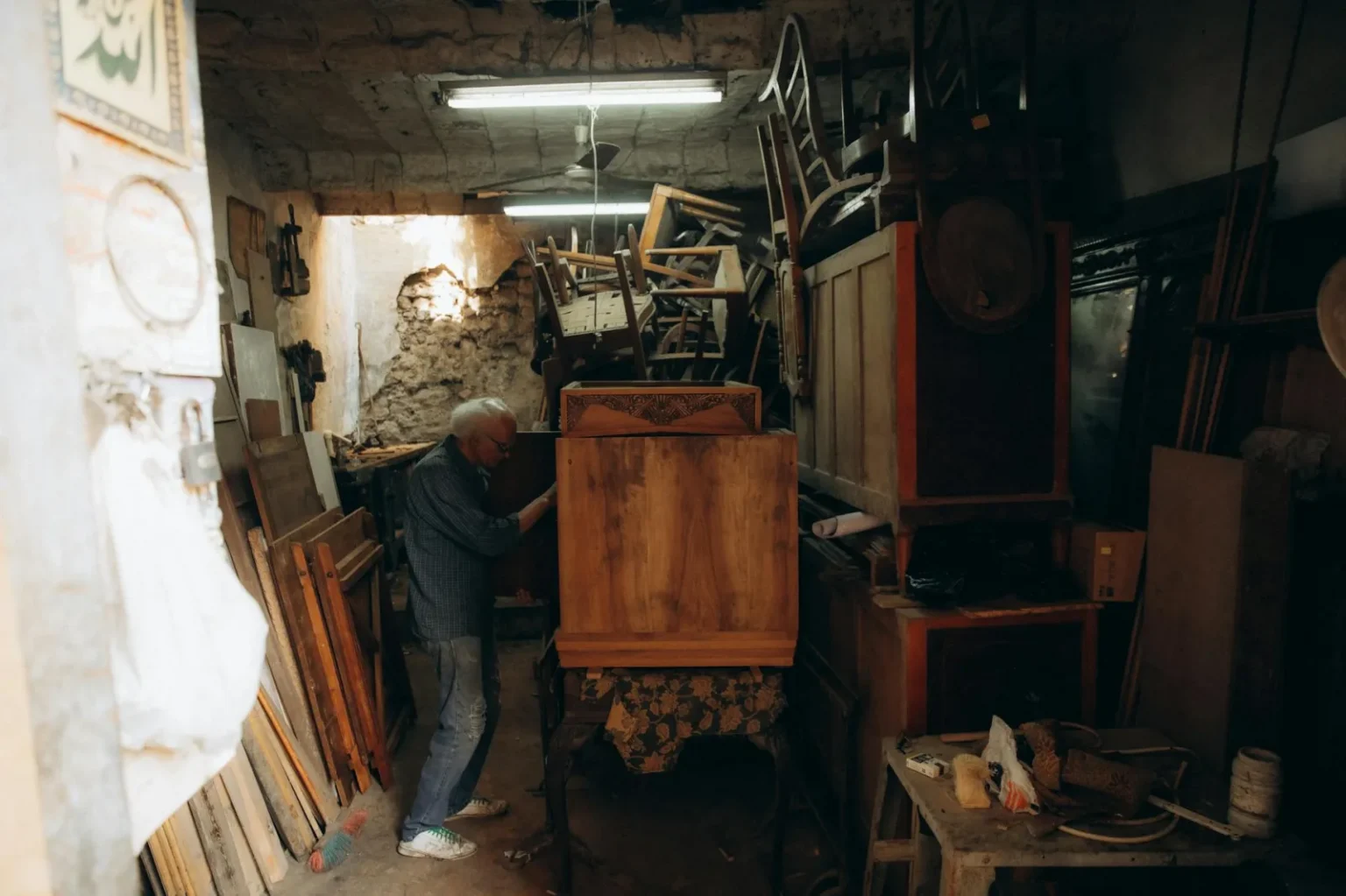
- Woodwork: Skilled woodworkers create stunning furniture and decorative items, often inlaid with intricate designs. This craft requires patience and precision, as artisans meticulously carve and assemble each piece.
Finding Hidden Artisans in Cairo
To discover these hidden artisans, you might consider taking a few practical steps:
- Explore Local Markets: Markets like Khan El Khalili are treasure troves of local craftsmanship. While some vendors may be more commercial, you can often find artisans selling their work directly.
- Take Guided Tours: Look for tours specifically focused on artisan crafts. These tours often lead you to workshops and studios where you can meet the artisans and see their processes firsthand.
- Engage with Community Projects: Many local initiatives aim to promote traditional crafts. By participating in workshops or community events, you can meet artisans and learn about their craft in a personal setting.
Stories That Shape the Crafts
Each artisan’s story enhances the value of their crafts. Understanding their struggles, triumphs, and inspirations can provide context to the pieces you admire. For example, a local potter may have faced challenges from modern manufacturing but remains committed to traditional methods. Their resilience often translates into the quality of their work, making it more meaningful for you as a buyer or admirer.
The Role of Local Craftsmanship in Community Identity
Local craftsmanship is not just about creating products; it plays a vital role in community identity. Crafts often reflect the cultural, historical, and social fabric of the area. For instance, a handcrafted carpet may incorporate symbols significant to the local community, serving as a reminder of their heritage. By supporting these artisans, you contribute to the preservation of cultural identity and the continuation of traditional practices.
Tips for Engaging with Artisans
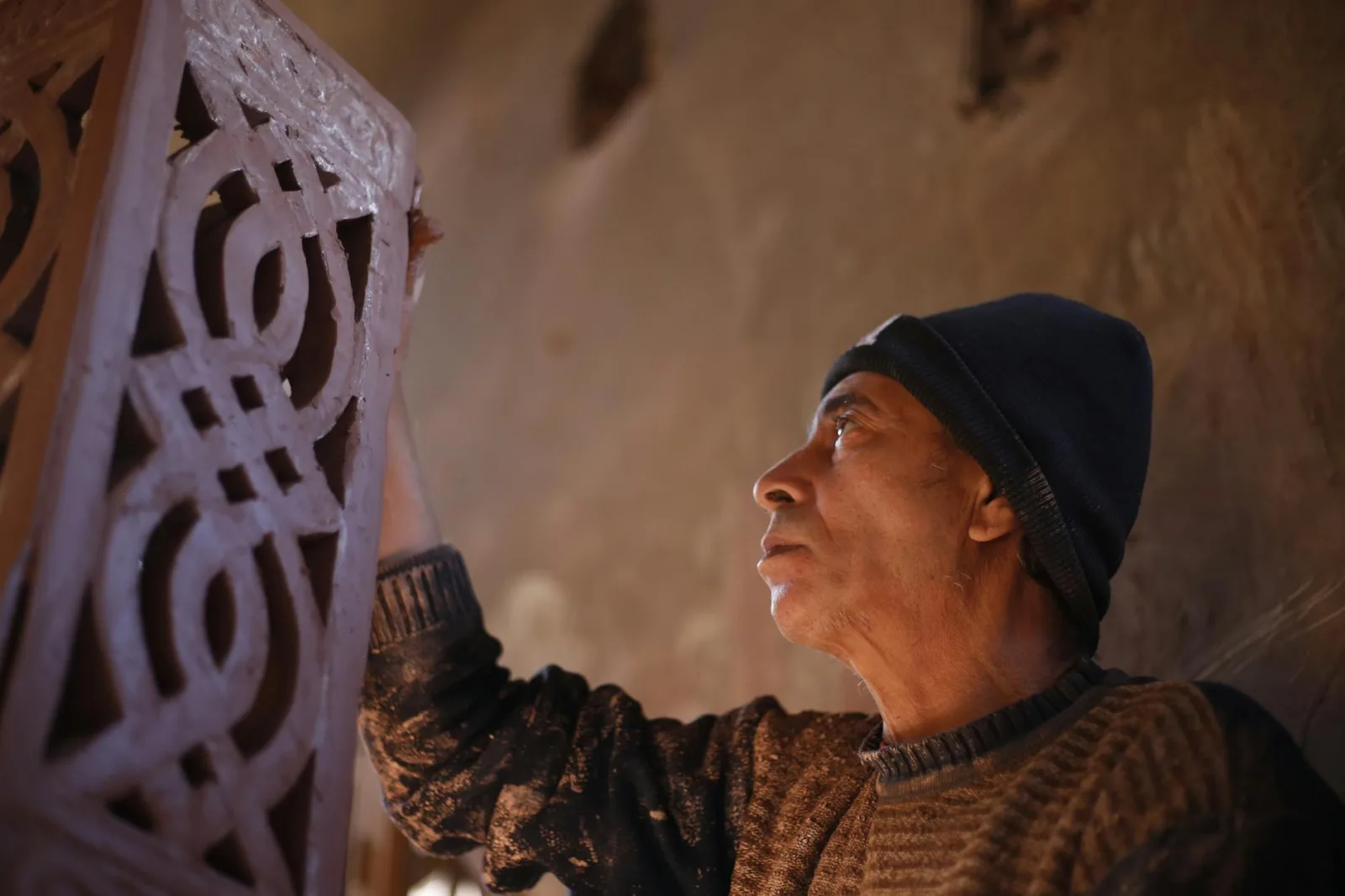
When you meet artisans, consider these tips to enhance your experience:
- Ask Questions: Don’t hesitate to inquire about their techniques, inspirations, and challenges. Most artisans appreciate genuine interest in their craft.
- Be Respectful: Understand that many artisans work in small, often family-run businesses. Respect their space and practices, and approach them with courtesy.
- Support Local Initiatives: Purchase directly from artisans when possible. This ensures that your money contributes to their livelihood and the continuation of their craft.
Conclusion: The Importance of Supporting Hidden Artisans
Discovering the unseen crafts of Cairo allows you to engage with the city on a deeper level. By exploring hidden artisans and understanding their stories, you not only appreciate their craftsmanship but also contribute to preserving cultural heritage. Remember that each piece you encounter carries a narrative, connecting you to the rich tapestry of Cairo’s local life. So next time you’re in Cairo, take a moment to seek out these hidden gems; they offer experiences that go beyond mere souvenirs.
Key Takeaways
1. Cairo crafts reflect the city’s rich cultural heritage and the stories of hidden artisans.
2. Traditional techniques like pottery, textiles, and woodwork showcase the skills passed down through generations.
3. Engaging with artisans helps preserve local craftsmanship and supports community identity.
4. Respectful engagement and direct support of artisans enhance your experience and contribute to their livelihood.