





Understanding Cairo’s Oral Histories
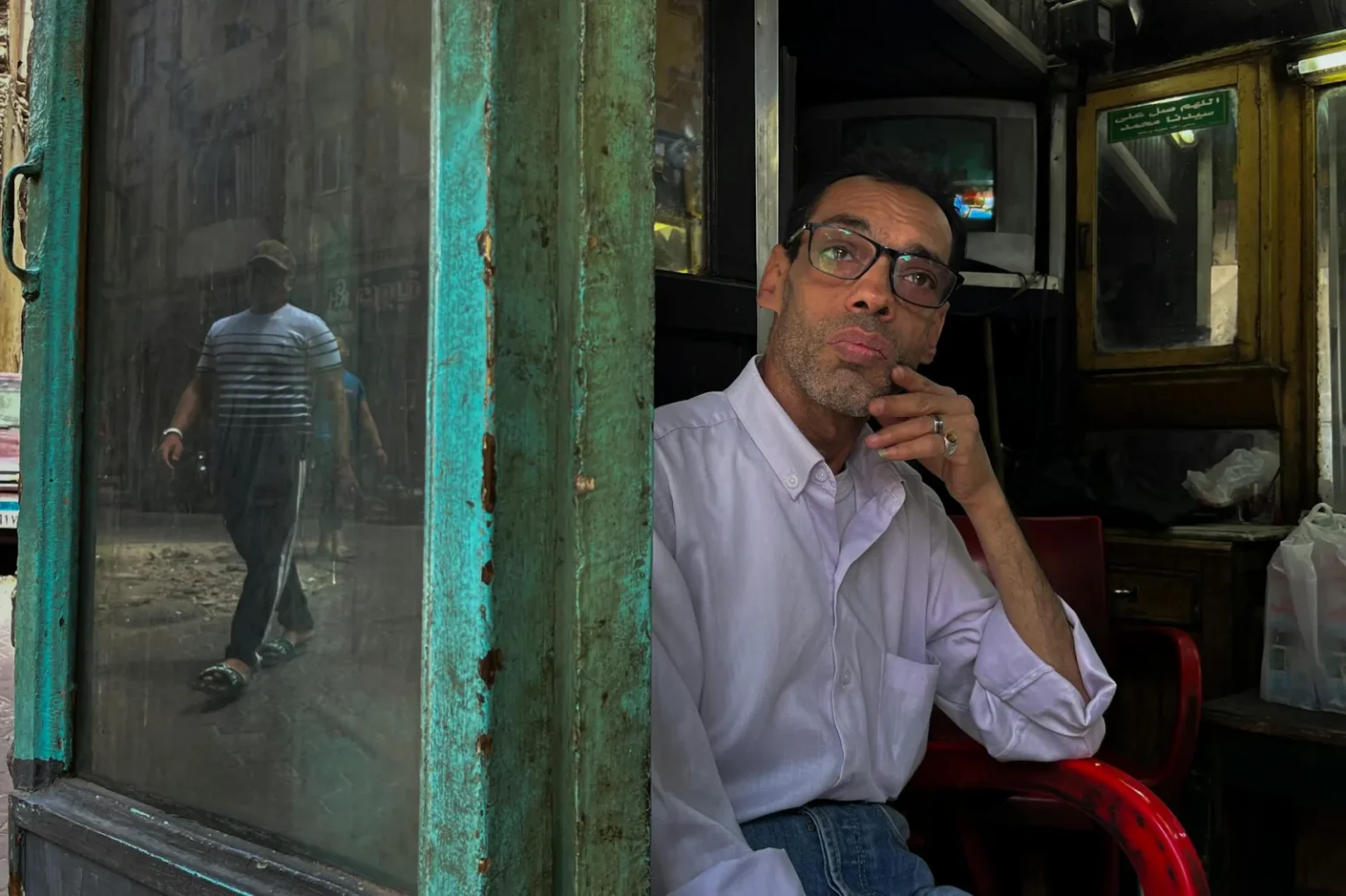
Cairo’s oral histories represent a tapestry of narratives that reflect the city’s rich diversity. These stories are not merely entertainment; they encapsulate the lived experiences, traditions, and values of the local culture. By engaging with these oral histories, you gain insights into the everyday lives of Cairo’s residents, their struggles, and their triumphs.
The Importance of Storytelling Traditions
Storytelling in Cairo transcends generations, serving as a vital means of preserving culture. This practice allows elders to pass down knowledge and experiences to younger generations. For example, you might find local storytellers in cafes recounting tales of historical events, folklore, or family histories. Such gatherings are essential for maintaining community ties and fostering a sense of belonging.

Where to Discover Oral Histories in Cairo
To truly experience Cairo’s oral histories, you need to know where to look. Here are some practical steps to guide you:
- Visit Local Cafes: Cafes like El Fishawy in Khan El Khalili are renowned for their storytelling ambiance. Here, you can listen to local storytellers share their narratives while enjoying a traditional mint tea.
- Attend Cultural Events: Look for events at community centers or cultural institutions where oral history workshops or storytelling nights are organized. These events often feature local historians and community members.
- Engage with Local Artisans: As discussed in our article on A Day in the Life of a Local Cairo Artisan, artisans often share stories about their craft, connecting you to the history behind their work.
The Role of Oral Histories in Shaping Identity
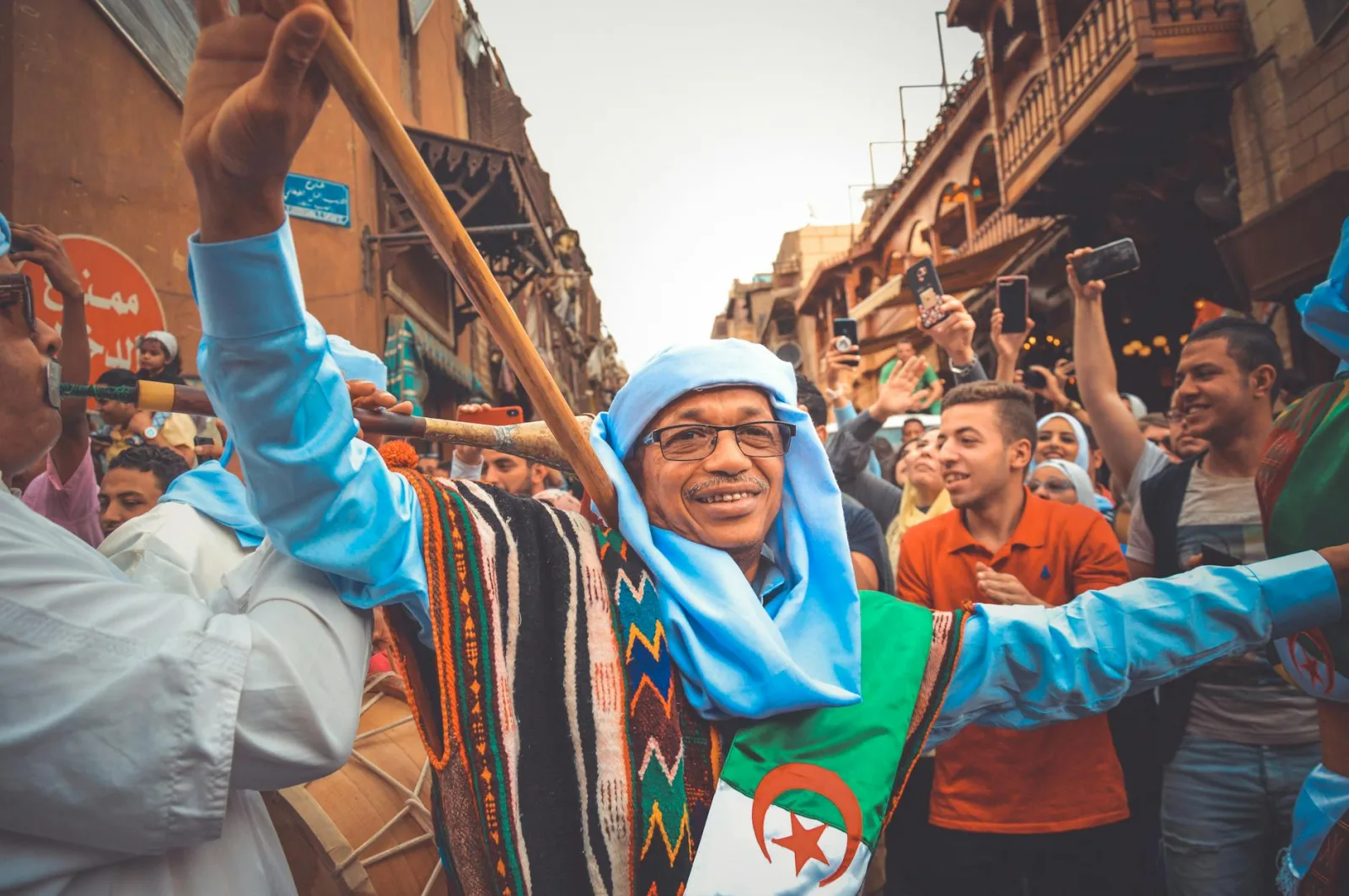
Oral histories play a significant role in shaping the identity of Cairo’s residents. They allow individuals to connect with their heritage and understand their place within the community. For instance, many families have their own unique stories that highlight their origins, traditions, and experiences living in Cairo. Recognizing these narratives fosters pride and a sense of belonging among community members.
Challenges in Preserving Oral Histories
Despite their importance, several challenges threaten the preservation of oral histories in Cairo. These include the rapid urbanization of the city, which can erode traditional storytelling venues and practices. Additionally, younger generations may be less interested in oral traditions, preferring digital mediums for entertainment. This shift can lead to a loss of valuable cultural narratives.
Preserving the Stories: How You Can Help
As a visitor or resident, there are several ways you can contribute to the preservation of Cairo’s oral histories:
- Document Stories: If you encounter a compelling story, consider recording it. You can use your smartphone to capture audio or video, ensuring that these narratives are not lost to time.
- Support Local Storytellers: Attend performances and purchase their books or recordings. Supporting local storytellers helps sustain their craft and encourages the sharing of more stories.
- Share Your Own Stories: Engage with locals by sharing your own experiences. This can create an exchange of narratives that enriches the community.
Conclusion: The Legacy of Oral Histories in Cairo
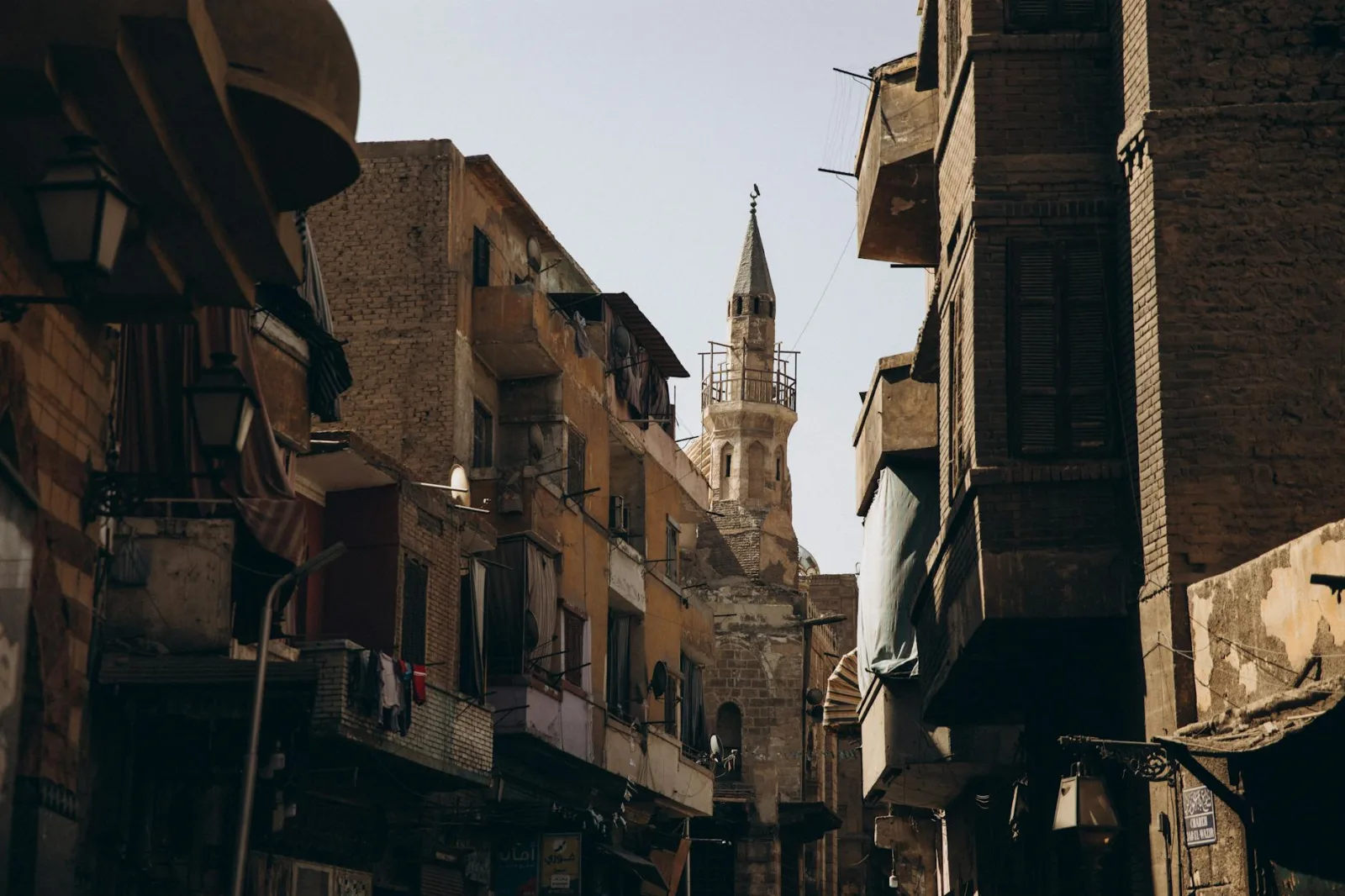
Cairo’s oral histories are a vital aspect of its local culture, offering a window into the lives of its people. By engaging with these stories, you not only enrich your own understanding of the city but also contribute to the preservation of its cultural heritage. Remember, each story you hear or share adds to the vibrant mosaic that is Cairo’s identity. In summary:
- Oral histories are essential to understanding local culture.
- Storytelling traditions foster community and identity.
- You can actively participate in preserving these narratives.
By immersing yourself in the hidden voices of Cairo, you will gain a deeper appreciation for the city’s complexities and its people’s resilience.