





The Significance of Historical Trade Routes
Historical trade routes were vital arteries for commerce, cultural exchange, and the spread of ideas across civilizations. In the Arabian Peninsula, these paths facilitated trade between the East and West, connecting merchants and travelers. Understanding the historical trade routes allows you to appreciate the rich tapestry of cultural heritage that still influences the region today.
1. Mapping the Ancient Paths
The Arabian Peninsula is home to several significant trade routes. The Incense Route, which traversed the region, was crucial for transporting frankincense and myrrh. This route linked the Arabian coast with Mediterranean markets. Similarly, the Silk Road also had branches that reached into the Arabian Peninsula, facilitating trade in silk, spices, and other luxury goods. When exploring these ancient paths, consider using historical maps for a visual representation of the routes and their connections.
2. Exploring the Incense Route
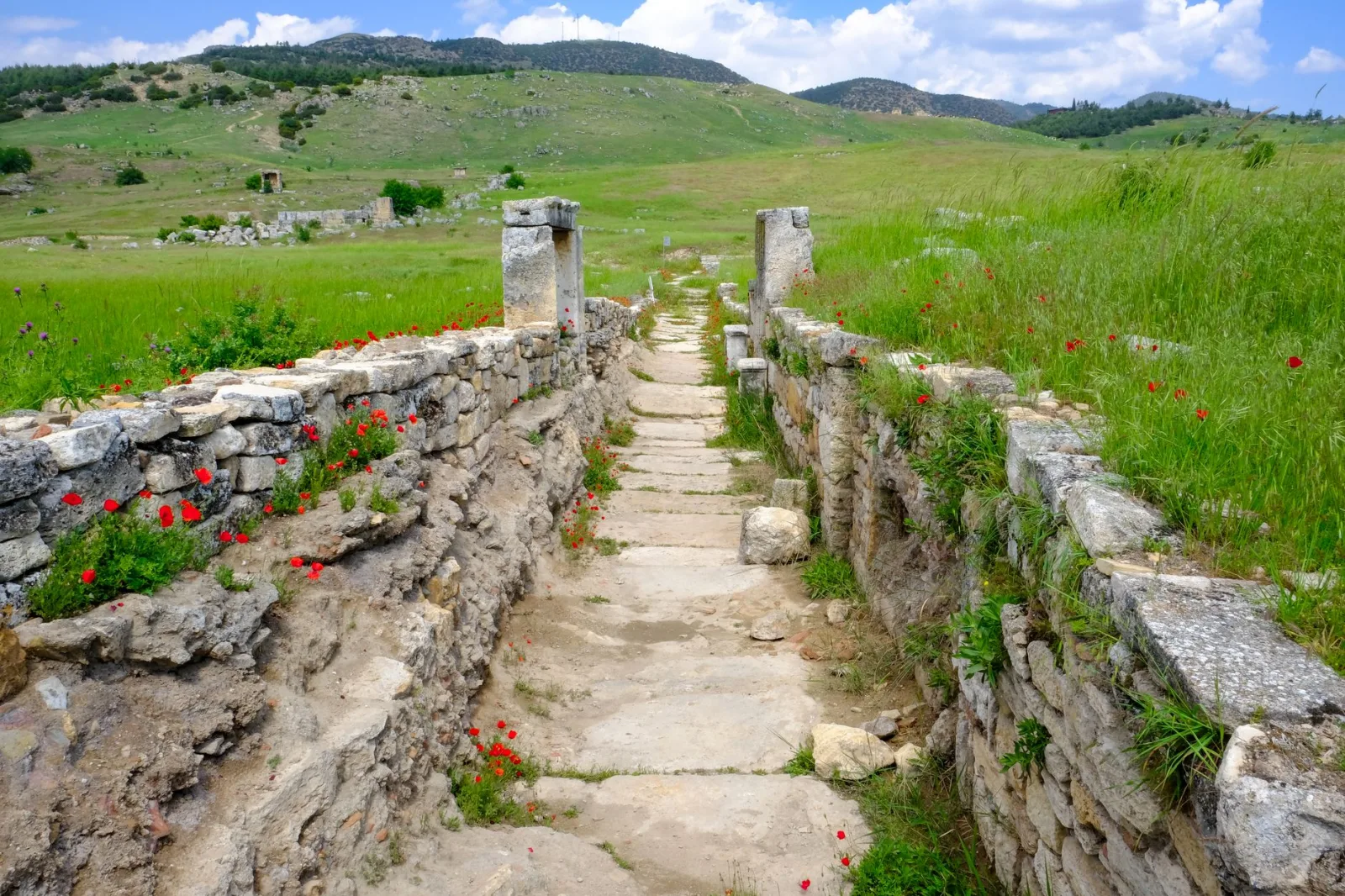
This ancient route was not just about trade; it was a conduit for cultural exchange. Starting from Yemen, it extended to Petra in Jordan. Key cities along the route, such as Marib and Dhofar, played significant roles in the trade of aromatic resins. You can visit these sites today to gain insight into their historical importance. Important note: When traveling, respect local customs and regulations, especially in archaeological sites.
3. The Role of Oases
Oases were crucial stops along trade routes, providing water and sustenance to travelers and their caravans. For instance, the oasis town of AlUla is rich in history, serving as a rest stop for traders. It’s essential to understand how these natural resources shaped trade dynamics. Pro tip: Plan a visit to AlUla to see its stunning rock formations and ancient tombs, which reflect its historical significance.
4. Cultural Heritage Along the Routes
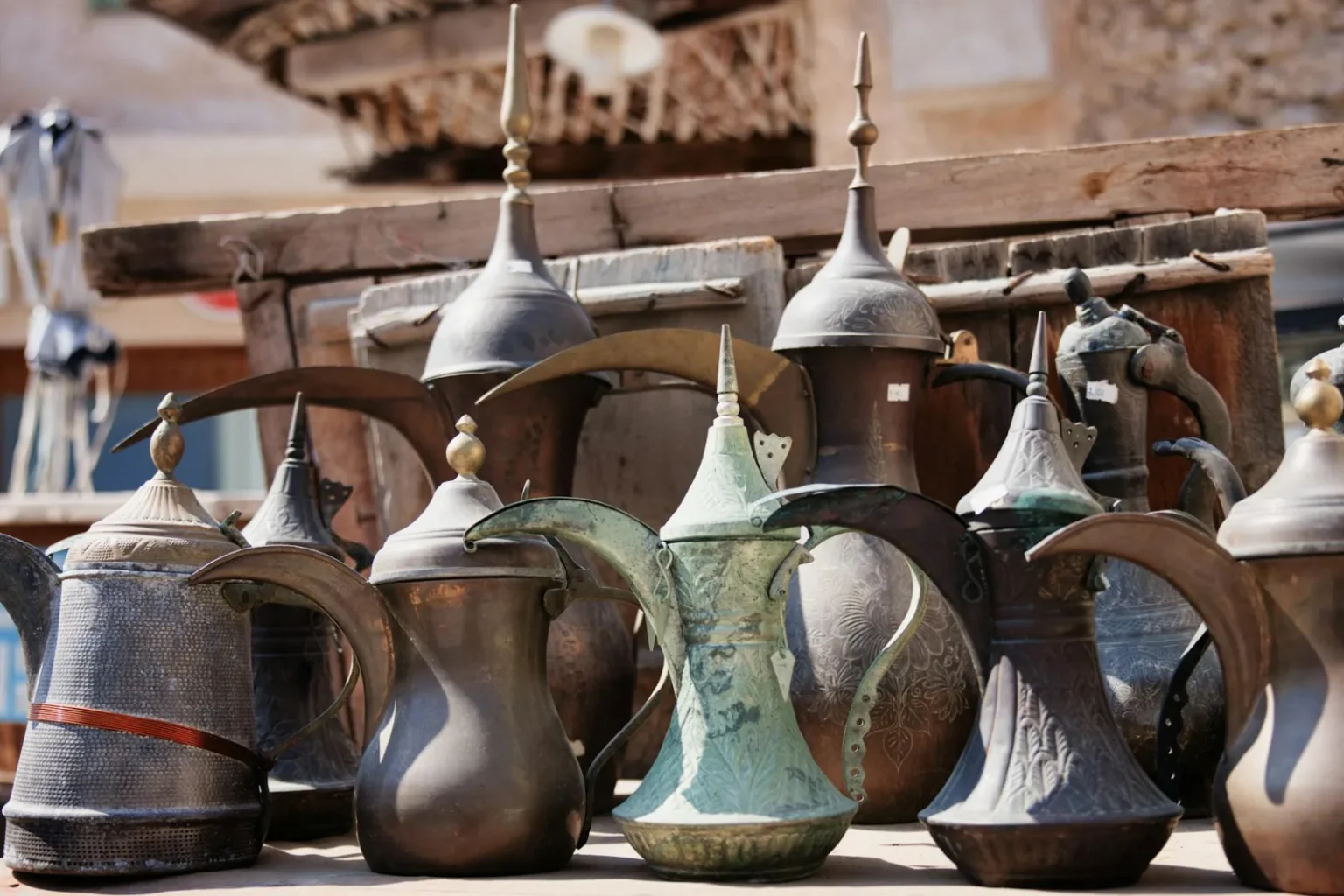
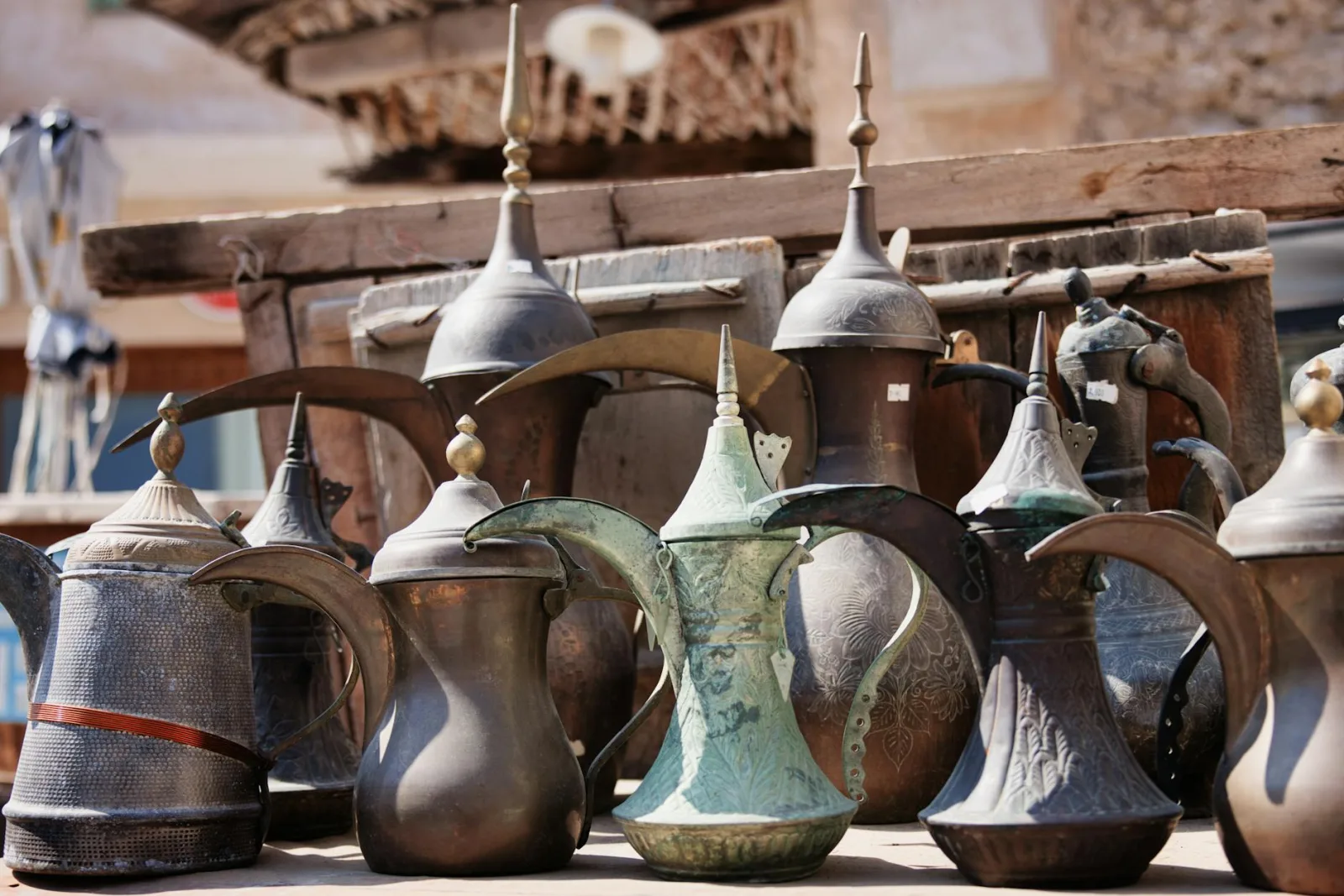
Trade routes were melting pots of cultures. The movement of people brought diverse traditions, languages, and cuisines. In cities like Jeddah, you can still find traces of this cultural amalgamation. Local markets offer a glimpse into the culinary secrets and practices that stem from centuries of trade. Common mistake: Many travelers overlook these markets, missing out on authentic experiences. Make sure to explore them to fully appreciate the local culture.
5. The Impact of Trade on Civilization
Trade routes significantly influenced the development of civilizations. They fostered the exchange of not only goods but also knowledge and innovation. For example, the spread of Islam was significantly aided by these routes, as ideas traveled alongside commodities. Understanding this context enriches your appreciation of the Arabian Peninsula’s cultural heritage.
6. Modern Connections to Historical Trade Routes
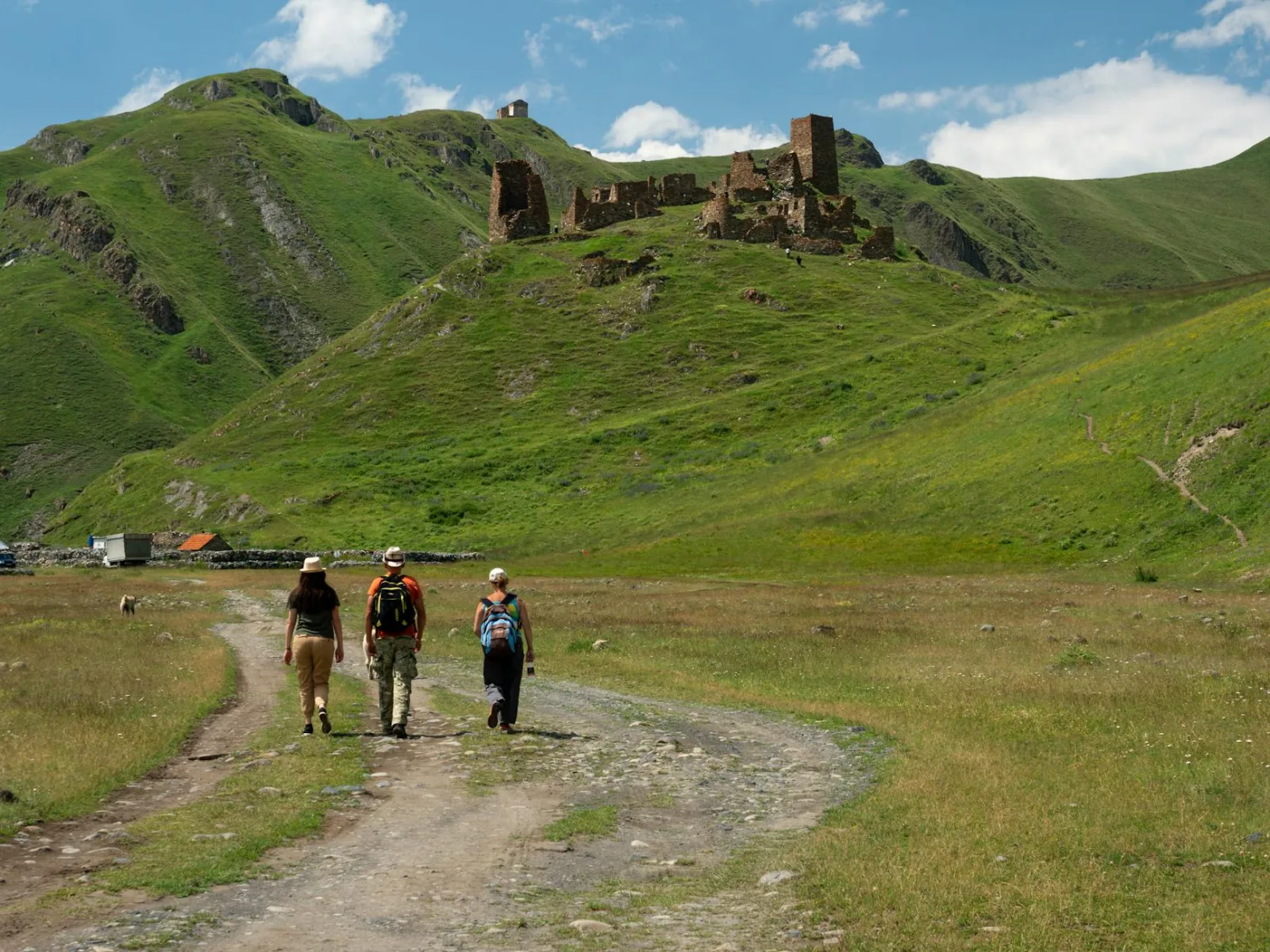
Today, the legacy of these ancient paths continues. Modern transportation networks often mirror historical trade routes, reinforcing their significance in contemporary society. Cities like Dubai have evolved into major trade hubs, reflecting this long-standing tradition. When visiting, observe how the past informs the present, especially in areas that maintain historical architecture.
7. Planning Your Journey
To explore these hidden historical trade routes effectively, consider these practical steps:
1. Research the specific routes you want to visit, focusing on their historical context.
2. Create a travel itinerary that includes key cities and sites.
3. Engage with local guides who can provide deeper insights into the cultural heritage of the region.
4. Be mindful of local customs and practices to enhance your experience.
5. Document your journey through photography and notes to reflect on the connections you discover.
Conclusion: Key Takeaways
Exploring the hidden historical trade routes of the Arabian Peninsula offers a unique glimpse into the past, revealing the intricate connections between trade, culture, and civilization. By following these ancient paths, you not only uncover the stories of those who traveled them but also gain a deeper appreciation for the rich cultural heritage of the region. As you plan your journey, remember to embrace the local customs and engage with the communities you visit. For more insights into the cultural aspects of the Arabian Peninsula, you might also enjoy articles on the hidden festivals or culinary secrets of the region.