Cairo’s culinary traditions are a tapestry woven from various influences, including Egyptian, Mediterranean, and Middle Eastern flavors. Each dish tells a story, often passed down through generations. Understanding these traditions requires an appreciation for the ingredients, cooking methods, and cultural significance behind the meals.
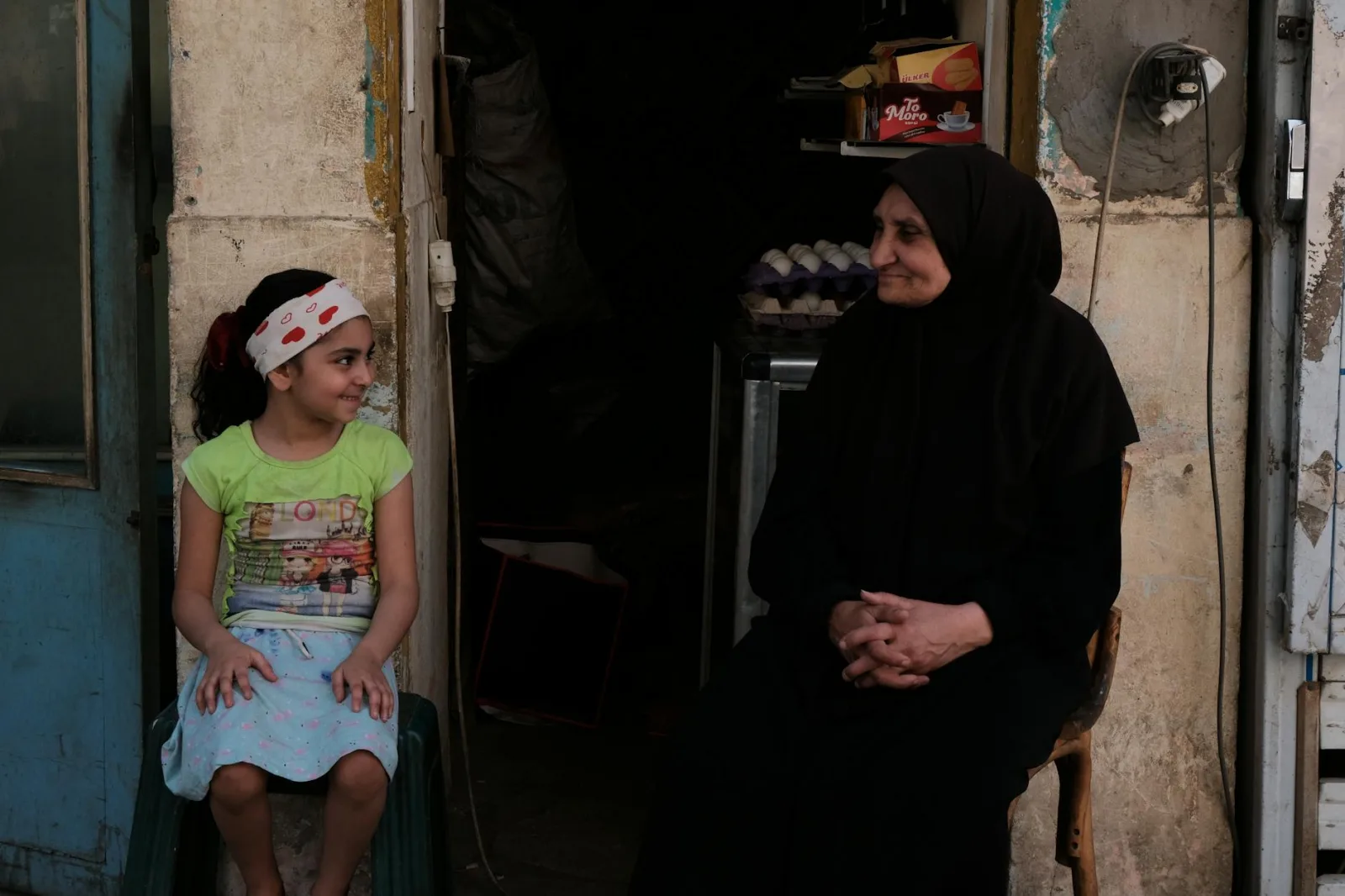
Family recipes are the heart of Cairo’s culinary landscape. Typically, these recipes are not just about food; they encapsulate memories, gatherings, and the love of those who prepare them. Many families have their own variations of popular dishes, adding personal touches that reflect their heritage.
2. Key Ingredients in Traditional Dishes
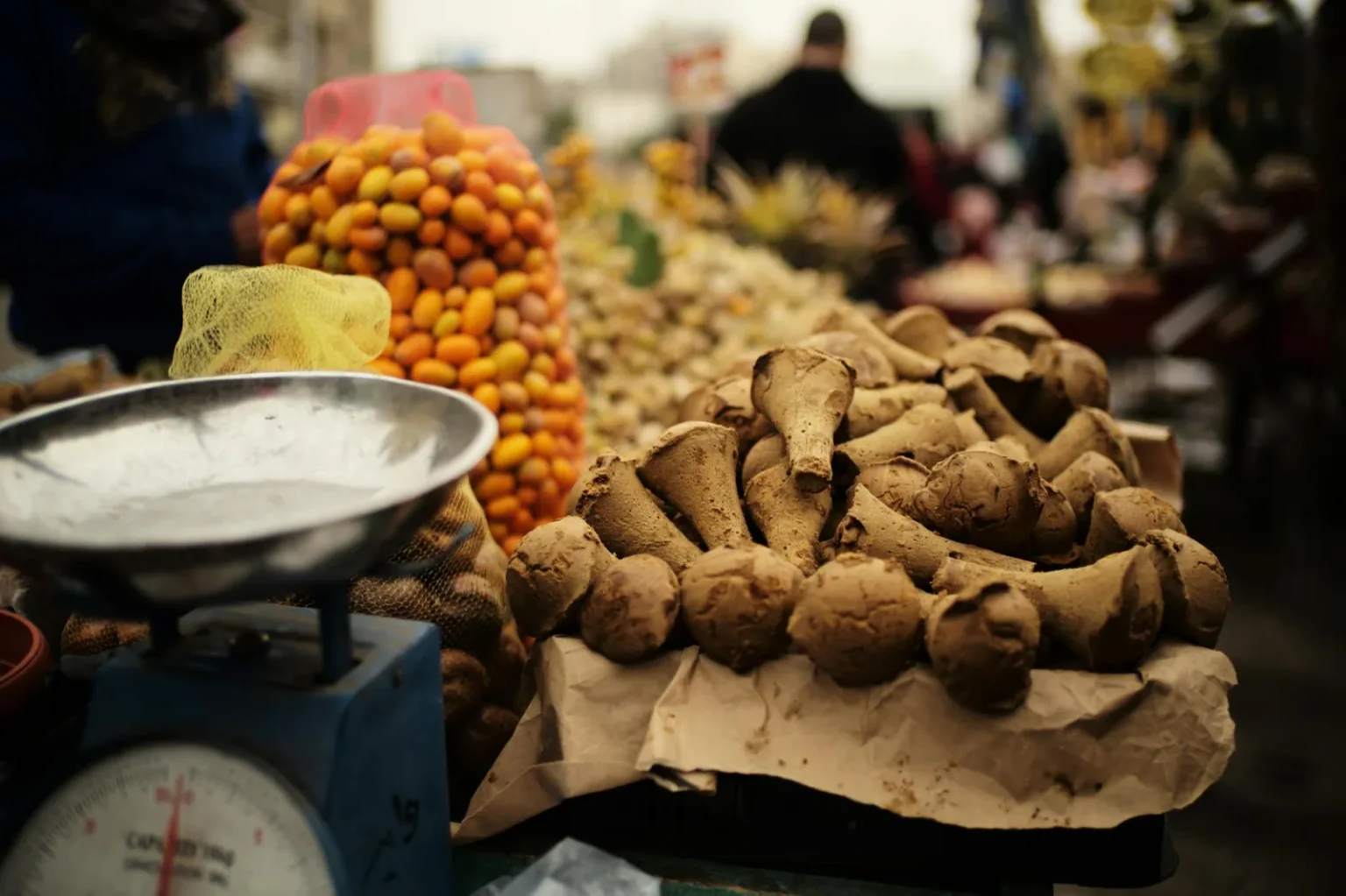
The foundation of Cairo’s local cuisine lies in its ingredients. Staple items include:
Fava Beans: Used in dishes like ful medames, a popular breakfast food.
Rice: Often served with stews or as part of koshari, a beloved street food.
Spices: Cumin, coriander, and cinnamon are frequently employed to enhance flavors.
Vegetables: Tomatoes, eggplants, and leafy greens are commonly found in many recipes.
These ingredients not only add flavor but also reflect the agricultural practices of the region. For instance, fava beans are a staple in Egyptian agriculture, making them a natural choice for local recipes.
📷 Ahmed Salama – Pexels
3. Iconic Dishes to Experience
As you explore Cairo’s culinary heritage, certain dishes stand out:
3.1 Ful Medames
This dish consists of stewed fava beans seasoned with olive oil, garlic, and lemon juice. It is often served with pita bread and is a breakfast staple. To experience it authentically, try it at a local eatery where the dish is served with a side of pickled vegetables.
3.2 Koshari
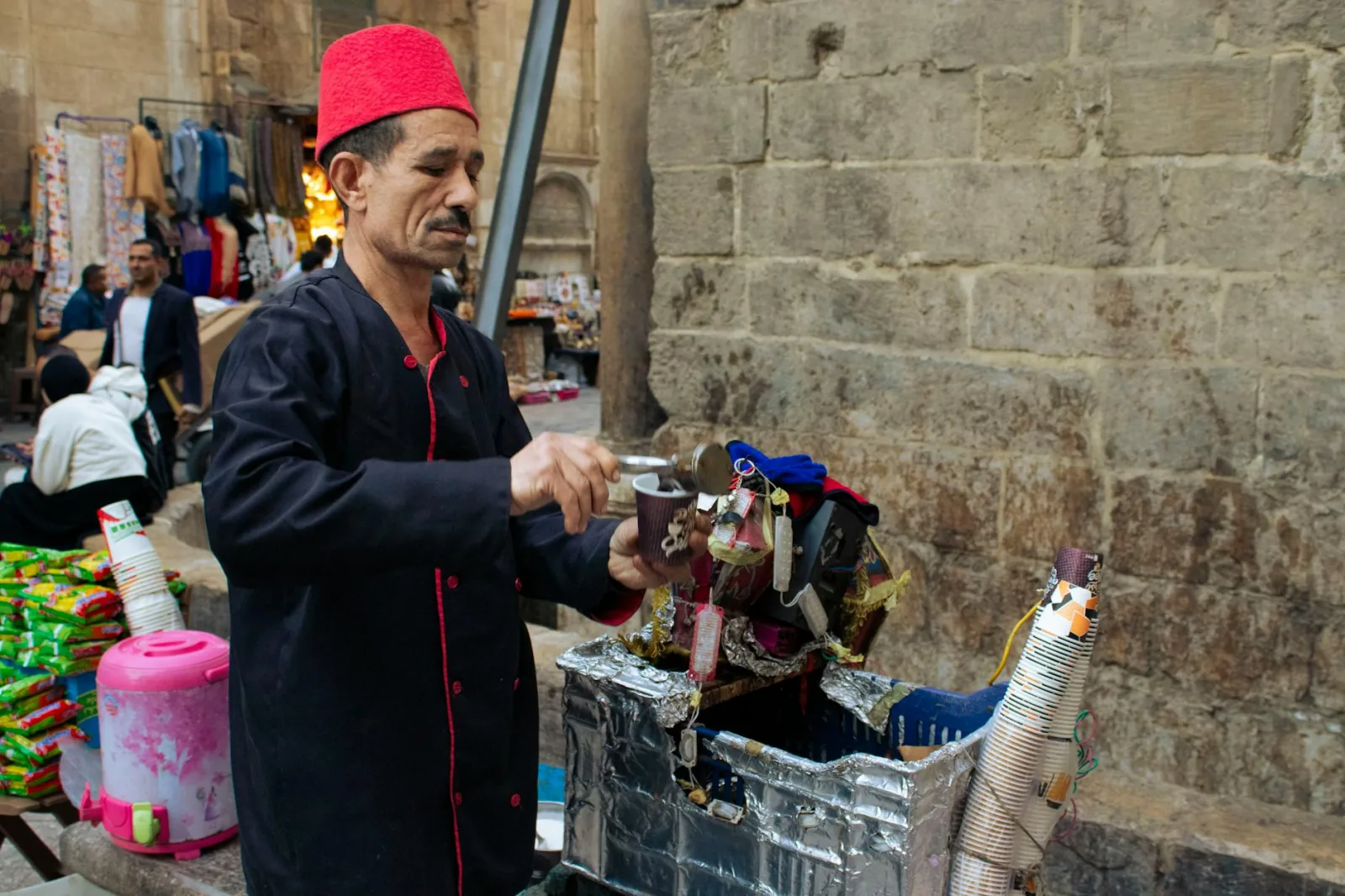
Koshari is a hearty mix of rice, lentils, and pasta topped with spicy tomato sauce and crispy onions. Often referred to as Egypt’s national dish, it reflects the country’s diverse cultural influences. Look for street vendors who specialize in this dish for an authentic taste.
3.3 Mahshi
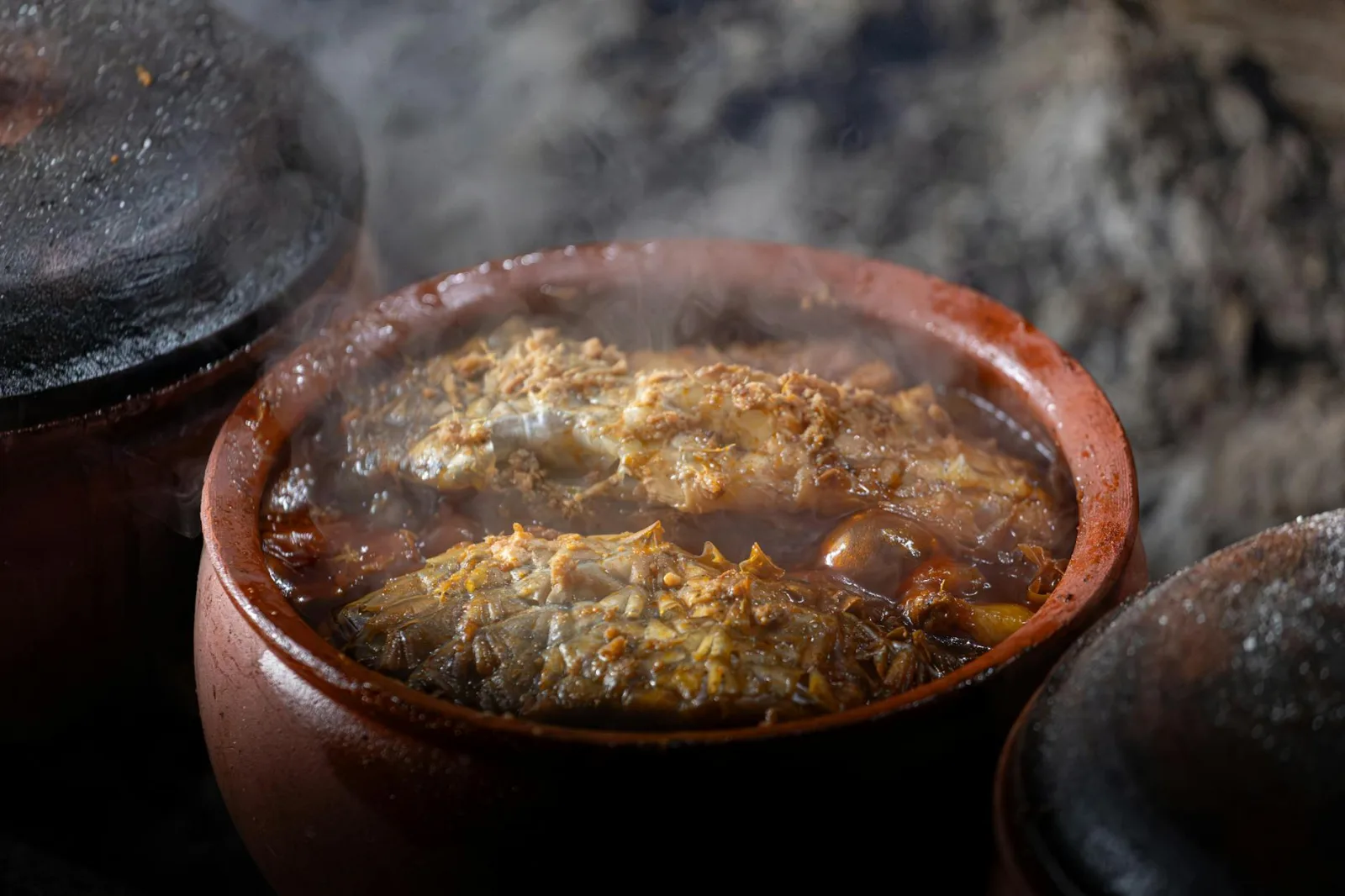
Mahshi refers to vegetables stuffed with a mixture of rice, herbs, and sometimes meat. Commonly used vegetables include zucchini and bell peppers. This dish is often prepared for special occasions, showcasing the significance of family gatherings in Egyptian culture.
📷 Farida Ashraf – Pexels
4. Cooking Techniques Passed Down Generations
Cooking methods in Cairo reflect both tradition and adaptation. Here are some notable techniques:
4.1 Slow Cooking
Many traditional dishes, like stews, benefit from slow cooking, allowing flavors to meld over time. This technique is often used in preparing molokhia, a green soup made from jute leaves.
4.2 Grilling
Grilling is popular for meats, particularly kebabs. The smoky flavor adds depth to dishes and is often accompanied by fresh salads and breads.
📷 Hồng Quang Official – Pexels
4.3 Frying
Frying, especially for appetizers like ta’ameya (Egyptian falafel), is another common method. The crispiness contrasts beautifully with the tender filling.
5. The Impact of Modern Influences
While traditional cooking remains strong, modern influences have also shaped Cairo’s culinary scene. You may notice:
Fusion Cuisine: Chefs are experimenting by combining Egyptian flavors with international dishes, creating unique dining experiences.
Health Trends: There is a growing interest in healthier options, leading to the incorporation of more fresh vegetables and grains.
Street Food Evolution: Street vendors are now offering gourmet versions of traditional dishes, appealing to both locals and tourists.
These changes reflect a dynamic food culture that respects its roots while embracing innovation.
6. Participating in Local Cooking Workshops
To truly appreciate Cairo’s culinary heritage, consider engaging in local cooking workshops. These experiences allow you to:
Learn Directly from Locals: Experienced cooks share their family recipes and cooking secrets, providing insights into the cultural significance of each dish.
Hands-On Experience: You get to prepare traditional meals, which enhances your understanding of the cooking techniques and ingredients.
Connect with the Community: Workshops often include discussions about local culinary traditions, fostering a deeper connection with the culture.
In Cairo, sharing meals is a symbol of hospitality and community. Meals are often enjoyed with family and friends, reinforcing social bonds. This practice is especially evident during special occasions and holidays when families gather to prepare and share traditional dishes.
Important note: If you’re invited to a local home, it is customary to bring a small gift, such as sweets or fruit, as a token of appreciation.
Conclusion: Embracing Cairo’s Culinary Heritage
Exploring Cairo’s culinary traditions through family recipes offers a rich and authentic experience. By understanding the significance of key ingredients, cooking techniques, and the cultural context of meals, you gain a deeper appreciation for the city’s vibrant culinary scene. Whether you indulge in local dishes at street vendors or participate in cooking workshops, each bite is a step into the heart of Cairo’s heritage. Remember, the essence of Cairo’s cuisine lies in its stories—stories of family, community, and the love of food.