Hidden Culinary Workshops in the Arabian Peninsula: Learn Traditional Cooking from Local Chefs
By
Share
Understanding Culinary Workshops
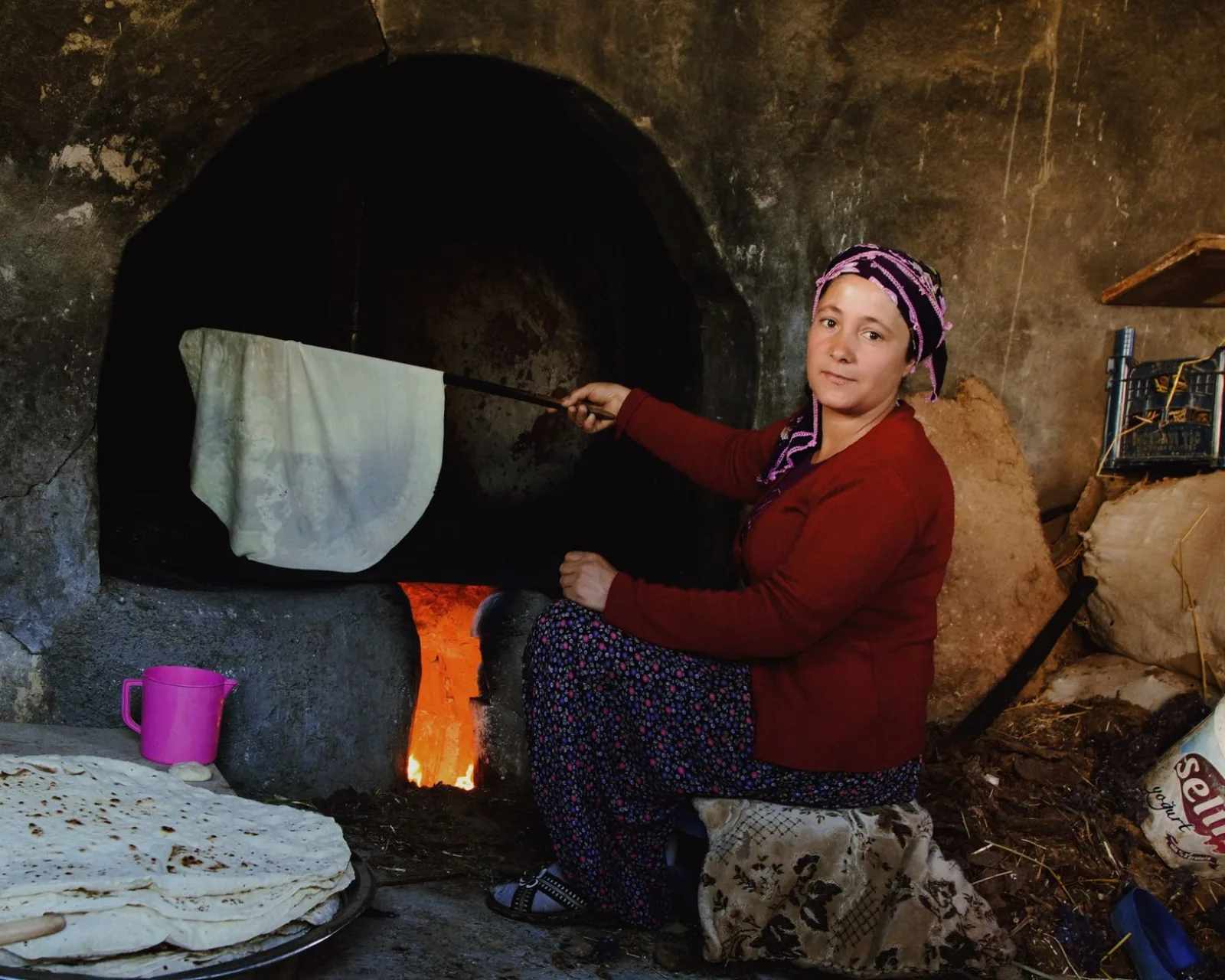
Culinary workshops are immersive experiences where you can learn about cooking directly from experienced chefs. In the Arabian Peninsula, these workshops not only focus on the techniques of cooking but also explore the rich cultural heritage behind each dish. The emphasis on traditional cooking allows you to appreciate the unique flavors and cooking methods that have been passed down through generations.
Traditional cooking goes beyond just preparing meals; it encompasses the stories and history behind each recipe. For instance, in the Arabian Peninsula, dishes like kabsa and mandi are not just food; they represent a blend of spices and cooking techniques influenced by the region’s diverse cultures. By participating in culinary workshops, you gain insight into these narratives, enriching your culinary skills while appreciating the deeper connection to the local heritage.
📷 Mehmet Turgut Kirkgoz – Pexels
Finding Hidden Culinary Workshops
Firstly, you should know where to look for these hidden gems. Culinary workshops can often be found in local neighborhoods, community centers, or even private homes. Here are some tips to help you discover these workshops:
Explore Local Markets: Visiting local souks and markets can lead you to workshops advertised by local chefs. Engage with vendors; they often have connections to culinary experiences.
Social Media Platforms: Check platforms like Instagram or Facebook where local chefs may showcase their workshops. Look for hashtags like #ArabianCulinary.
Travel Blogs: Read travel blogs that focus on authentic experiences in the Arabian Peninsula. These often highlight unique culinary workshops.
What to Expect in a Culinary Workshop
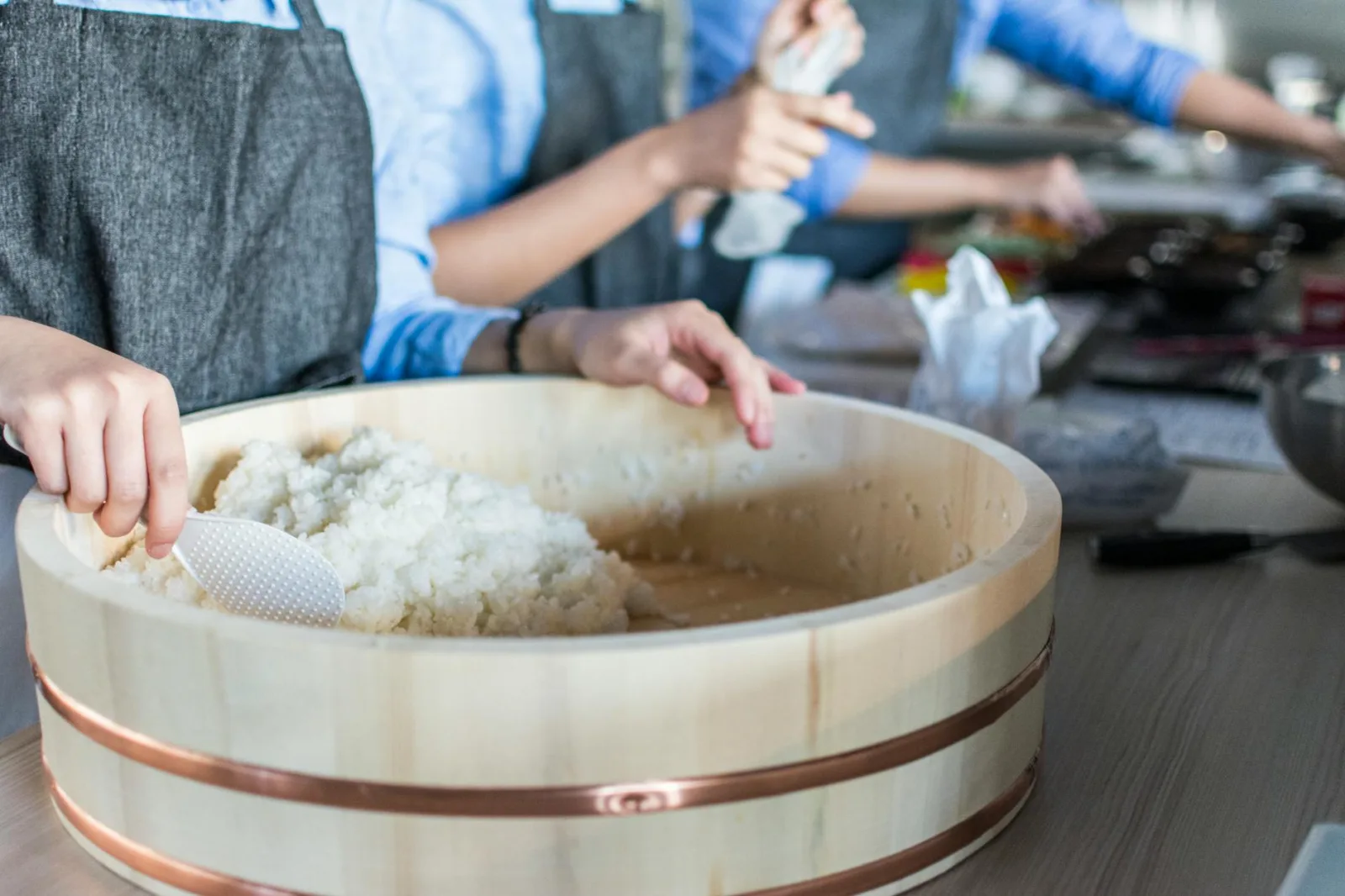
When you join a culinary workshop, prepare for an engaging and hands-on experience. Here’s what you can typically expect:
Ingredients Selection: You may start by selecting fresh ingredients from local markets, a vital aspect of traditional cooking that emphasizes the use of seasonal and local produce.
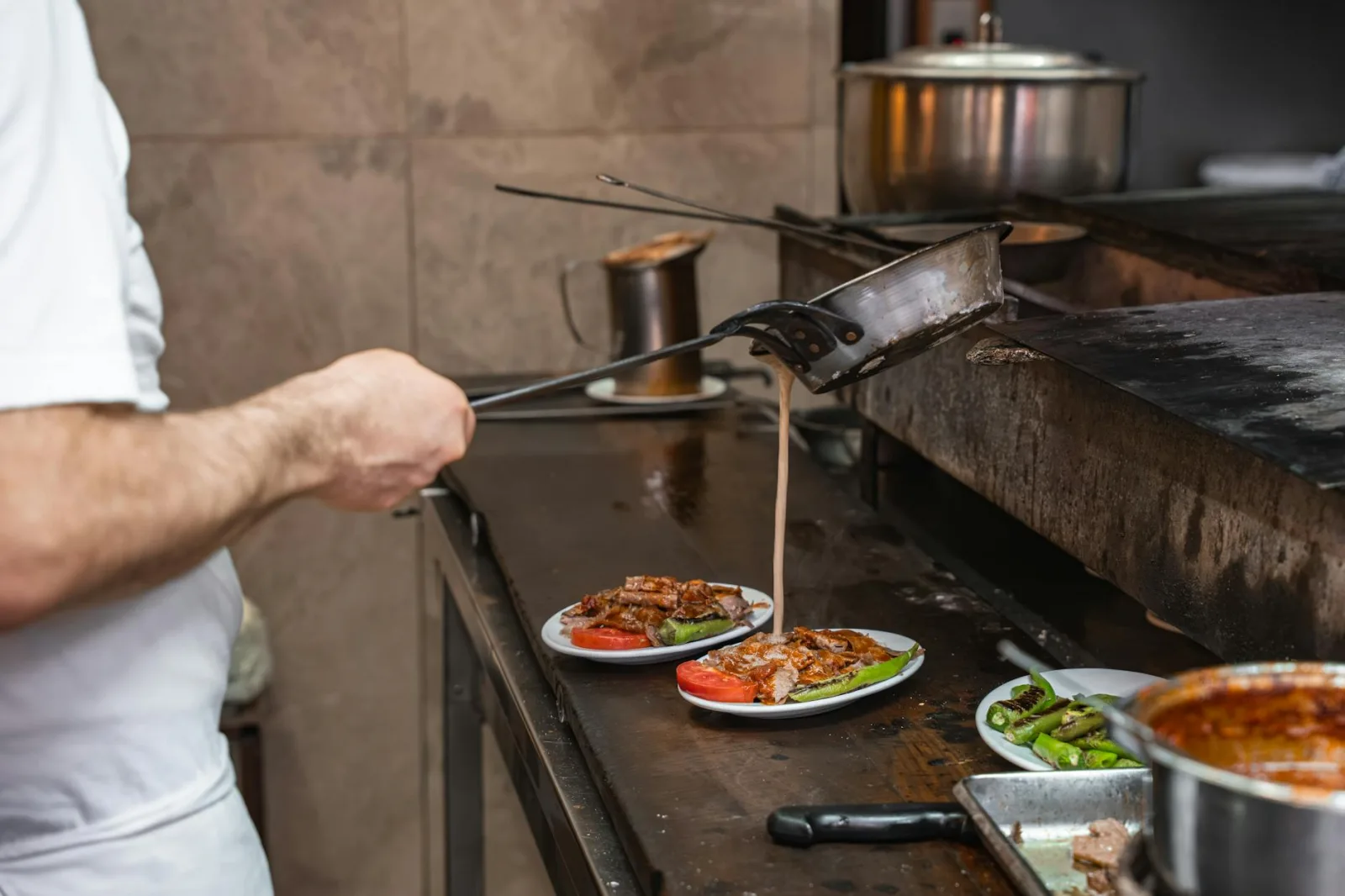
Cooking Techniques: Local chefs will guide you through various techniques, such as marination, spice blending, and cooking methods that are unique to the region, like slow-cooking over an open flame.
Sharing Meals: After cooking, there’s usually a communal meal where you enjoy the dishes prepared together. This fosters a sense of community and appreciation for the food.
Spotlight on Notable Culinary Workshops
Here are a few notable culinary workshops across the Arabian Peninsula that you may want to consider:
📷 Huy Phan – Pexels
1. The Kitchen in Muscat, Oman
This workshop focuses on Omani cuisine, where chefs teach you how to prepare dishes like shuwa, a traditional lamb dish marinated in spices and wrapped in banana leaves. The workshop includes a visit to a spice market, providing a practical introduction to the region’s culinary essentials.
2. Culinary Adventures in Dubai, UAE
In Dubai, various local chefs offer workshops that include making traditional Emirati dishes. You’ll learn to prepare harees and luqaimat while also exploring the history and significance of these dishes during festivals.
📷 Yasin Onuş – Pexels
3. Cooking with Locals in Riyadh, Saudi Arabia
This workshop allows you to cook in a local’s home, offering an intimate glimpse into Saudi hospitality. You’ll learn how to make kabsa, and the experience often includes storytelling about the dish’s cultural significance.
Why Learn from Local Chefs?
Learning from local chefs is essential for several reasons:
Authenticity: Local chefs offer authentic recipes and techniques that are often not found in cookbooks.
Personal Stories: They share personal anecdotes and cultural insights that enrich your understanding of the cuisine.
Networking: Connecting with local chefs can lead to further culinary opportunities, such as private dining experiences or additional workshops.
Tips for a Successful Experience
To maximize your culinary workshop experience, consider the following tips:
Be Open-Minded: Traditional dishes may be different from what you’re used to. Embrace the differences and be willing to try new flavors.
Ask Questions: Engage with the chef and ask about the origins of the recipes and techniques. This interaction can enhance your learning experience.
Take Notes: Bring a notebook to jot down recipes and techniques so you can recreate the dishes later.
Key Takeaways
Participating in hidden culinary workshops in the Arabian Peninsula offers a unique opportunity to learn traditional cooking from local chefs. These experiences not only enhance your cooking skills but also connect you with the rich cultural heritage of the region. Remember to explore local markets, be open-minded, and engage with chefs to fully appreciate the culinary journey. Whether you’re in Oman, UAE, or Saudi Arabia, these workshops are invaluable gateways to understanding the flavors and traditions of Arabian cuisine.