





Understanding the Importance of Water in Arid Regions
The Arabian Peninsula is primarily a desert, characterized by its arid landscapes and extreme temperatures. Water scarcity is a significant challenge faced by its inhabitants. Throughout history, communities have developed ingenious hidden water systems to manage and conserve water efficiently. These systems are not merely practical; they reflect a deep understanding of the environment and sustainable practices that have been passed down through generations.
- Understanding the Importance of Water in Arid Regions
- 1. The Basis of Ancient Irrigation Techniques
- 2. The Falaj System: A Closer Look
- 3. Other Ingenious Water Harvesting Techniques
- 4. The Role of Ancient Wells
- 5. Modern Implications of Ancient Practices
- 6. Visiting Hidden Water Systems: A Journey Through the Past
- Conclusion: The Legacy of Ingenious Water Systems
1. The Basis of Ancient Irrigation Techniques
Ancient irrigation in the Arabian Peninsula often utilized methods tailored to the specific conditions of the region. For instance, the falaj system, a traditional irrigation method, channels water from underground aquifers to fields and gardens. This system exemplifies how ancient societies adapted to their environment. By understanding the landscape’s geology, they could design effective water distribution networks that minimized evaporation and maximized crop yields.
2. The Falaj System: A Closer Look
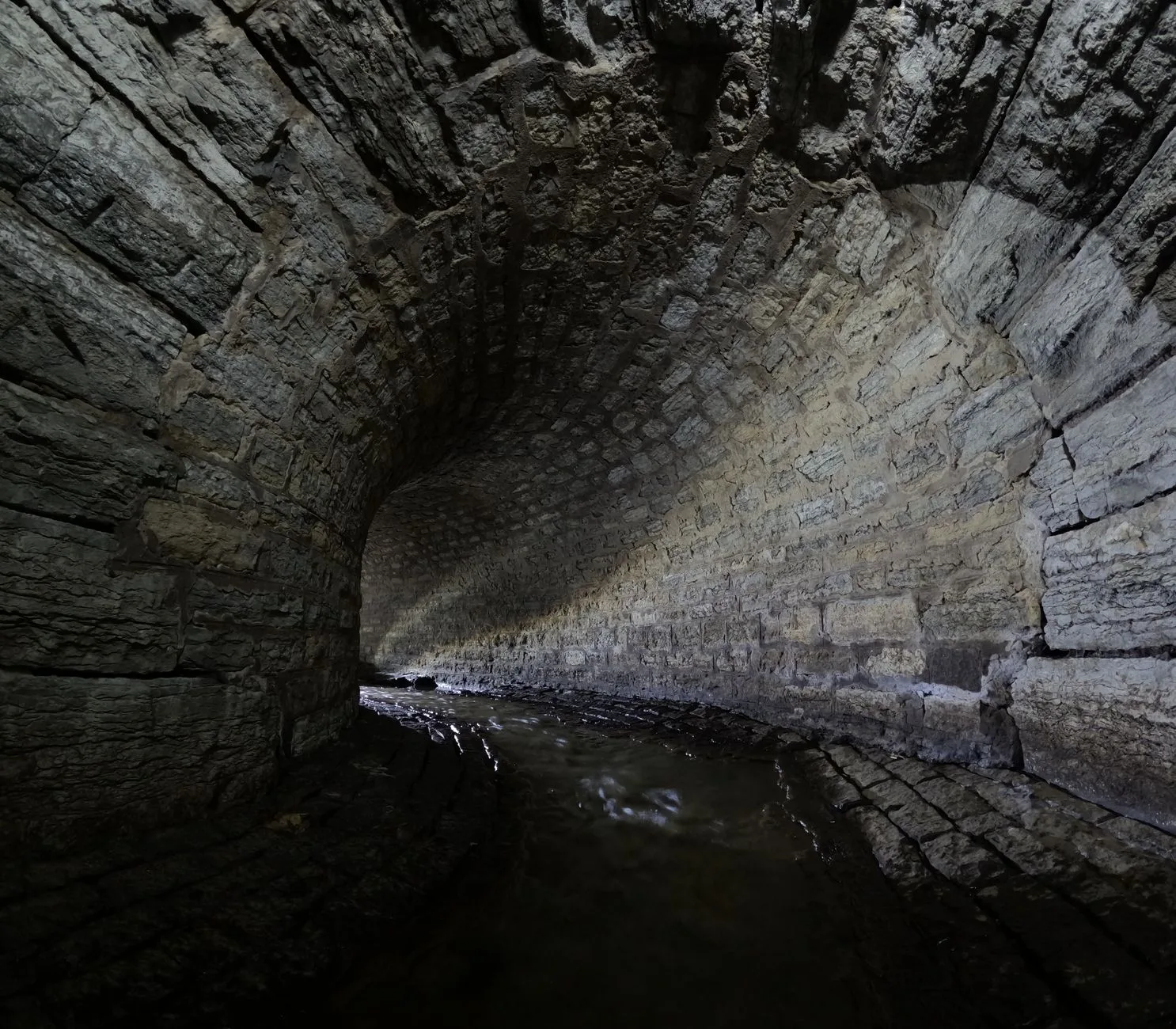
The falaj system is a marvel of ancient engineering that deserves deeper exploration. It consists of a series of underground tunnels that transport water from a source, such as a spring or aquifer, to the surface. This method not only conserves water but also protects it from evaporation, which is crucial in the desert climate. In fact, many villages in Oman still rely on this system today, highlighting its sustainability and effectiveness.

How the Falaj Works
To understand how the falaj works, visualize a network of tunnels buried beneath the earth. Water flows through these channels due to gravity, often requiring careful construction to ensure the correct gradient. You can find examples of this system in places like Nizwa and Al Ain, where the remaining structures showcase the ingenuity involved in their creation.
3. Other Ingenious Water Harvesting Techniques
Besides the falaj, various other water harvesting techniques have been employed across the Arabian Peninsula. For example, in the Hajar Mountains of Oman, farmers have used terraces to catch and hold rainwater. This method not only prevents soil erosion but also allows water to seep into the ground, replenishing local aquifers.
Rainwater Harvesting: A Practical Approach
Rainwater harvesting is another sustainable practice that has roots in ancient times. In areas where rainfall is scarce, capturing rainwater through cisterns or surface catchment systems can be vital. A simple yet effective method, this approach ensures that even the smallest amount of rain is utilized, helping communities thrive despite harsh conditions.
4. The Role of Ancient Wells
Wells have also played a crucial role in the survival of communities in the Arabian Peninsula. Ancient wells, often dug deep into the ground, tap into underground water sources. These wells are strategically located to ensure accessibility for the surrounding population. In many cases, they are constructed with unique designs to prevent sand from entering and to protect the water from contamination.
Maintaining Water Quality
It’s essential to understand that the maintenance of water quality in these wells was paramount. Communities developed practices to keep the water clean, such as regularly clearing debris and using natural filtration methods. This knowledge demonstrates an advanced understanding of environmental health that is still relevant today.
5. Modern Implications of Ancient Practices
As we explore these hidden water systems, it’s important to consider their relevance in today’s context. The principles used in ancient irrigation systems can inform modern sustainable practices. For instance, urban planners and agricultural experts can draw lessons from the falaj and other traditional methods to create more efficient water management systems in arid environments.

Adapting Old Techniques to New Challenges
Incorporating ancient techniques into modern water management can help address contemporary challenges such as climate change and water scarcity. For example, integrating rainwater harvesting into urban infrastructure can significantly reduce the burden on municipal water supplies. By learning from the past, you can contribute to more sustainable practices in your community.
6. Visiting Hidden Water Systems: A Journey Through the Past
If you’re interested in exploring these hidden water systems, consider visiting regions in Oman or the UAE where they are still in use. Many local guides offer tours that delve into the history and functionality of these ancient systems, providing you with a richer understanding of the culture and ingenuity behind them.
Key Locations to Explore
Some notable locations include:
- Nizwa, Oman – Known for its falaj systems and historical forts.
- Al Ain, UAE – Home to ancient oases and intricate irrigation techniques.
- Wadi Bani Khalid, Oman – Features natural springs and traditional water harvesting methods.
Conclusion: The Legacy of Ingenious Water Systems
In summary, the hidden ancient water systems of the Arabian Peninsula are a testament to human ingenuity in the face of environmental challenges. By understanding these systems, you not only gain insight into the rich history of the region but also appreciate the sustainable practices that can be applied today. Whether through the falaj, ancient wells, or rainwater harvesting, these techniques highlight the importance of water conservation and management in arid landscapes.
As you explore these hidden gems, remember that the wisdom of the past can guide us toward a more sustainable future. The next time you find yourself in the Arabian Peninsula, take a moment to reflect on the intricate water systems that have supported life in these harsh landscapes for centuries.