





Understanding Cairo’s Folklore
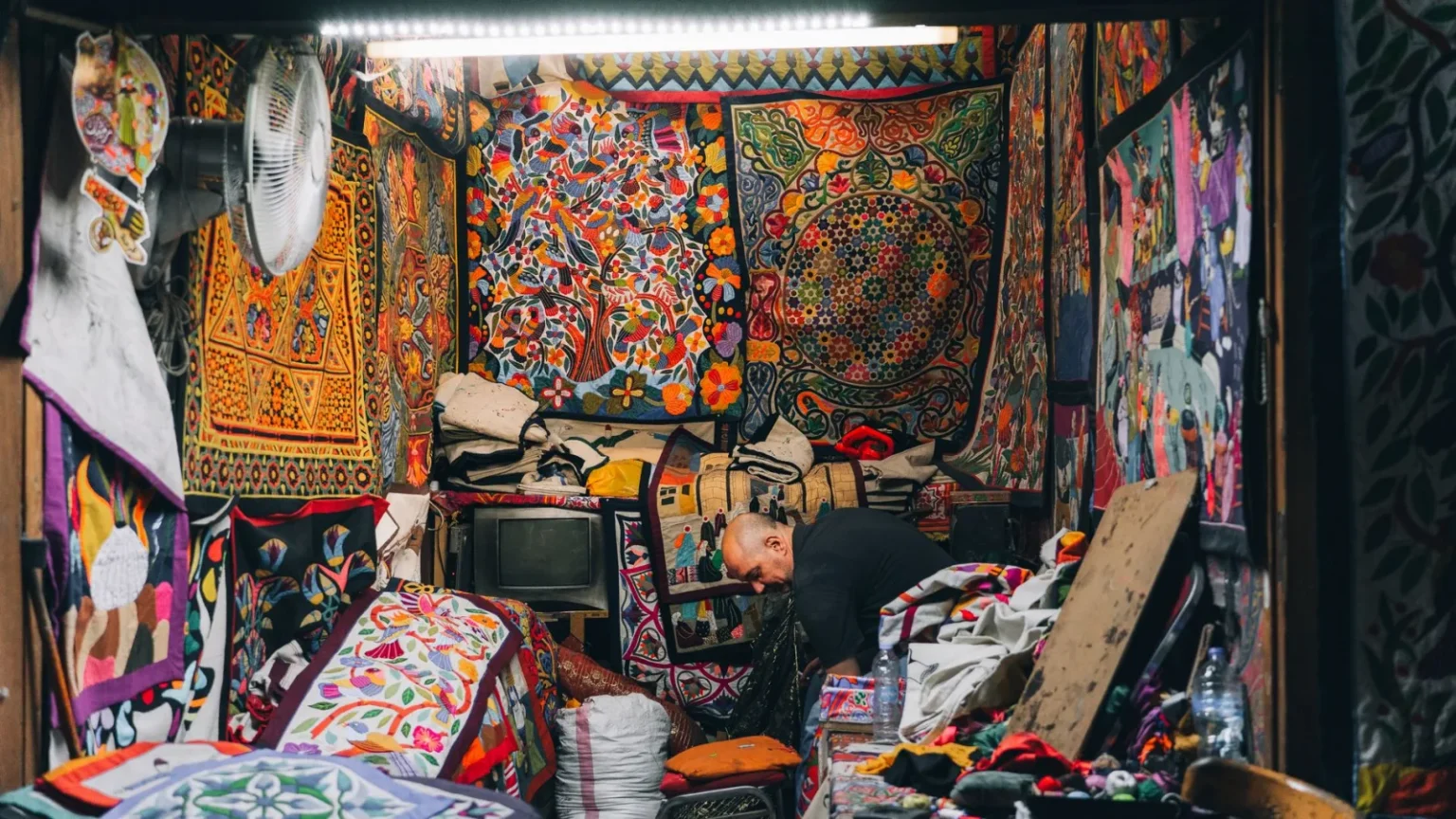
Cairo’s folklore is a vibrant tapestry woven from centuries of history, culture, and the everyday lives of its people. It encompasses local stories that are not only entertaining but also reflective of the city’s values and beliefs. Engaging with these narratives allows you to connect deeply with the essence of Cairo, revealing a side of the city that is often overlooked by tourists. By immersing yourself in these oral traditions, you gain insight into the community’s identity and its historical context.
The Role of Storytellers
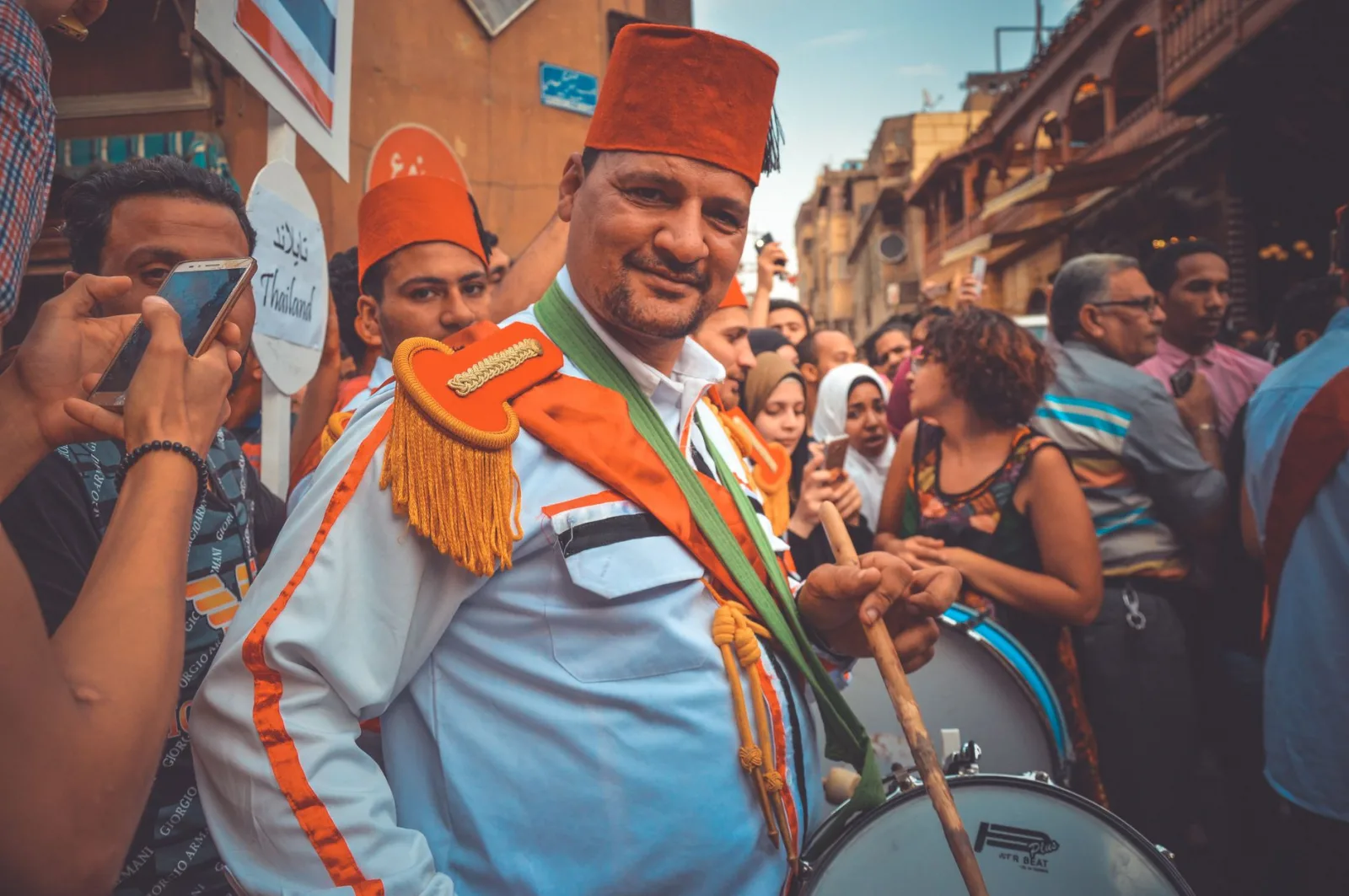
Storytellers in Cairo are the custodians of these rich narratives, often found in bustling markets, cafes, and community gatherings. They possess a unique ability to captivate audiences with tales that range from ancient myths to contemporary anecdotes. These storytellers are not merely entertainers; they play a crucial role in preserving cultural heritage and fostering community bonds. For instance, during festivals, you might find local storytellers sharing tales about Cairo’s legendary figures, effectively keeping history alive.
Examples of Local Stories
Local stories often revolve around themes of love, bravery, and morality. One popular tale is that of the legendary figure Abu Zayd al-Hilali, a hero in Arab folklore known for his adventures and valor. His stories are often recounted during gatherings, serving both to entertain and to instill values of courage and wisdom in the listeners. Similarly, the tale of the romantic poet Ahmed Shawqi, who is celebrated for his love poems, reflects the deep cultural appreciation for literature and the arts in Cairo.
Exploring Oral Traditions
Oral traditions in Cairo are diverse and can be categorized into various forms, including poetry, proverbs, and folk songs. Each of these forms serves a purpose, whether it be to educate, entertain, or convey moral lessons. For example, proverbs are commonly used in daily conversation, encapsulating wisdom in a few words. Understanding these sayings can provide you with a more nuanced perspective on local customs and social interactions.
Engaging with Local Storytellers
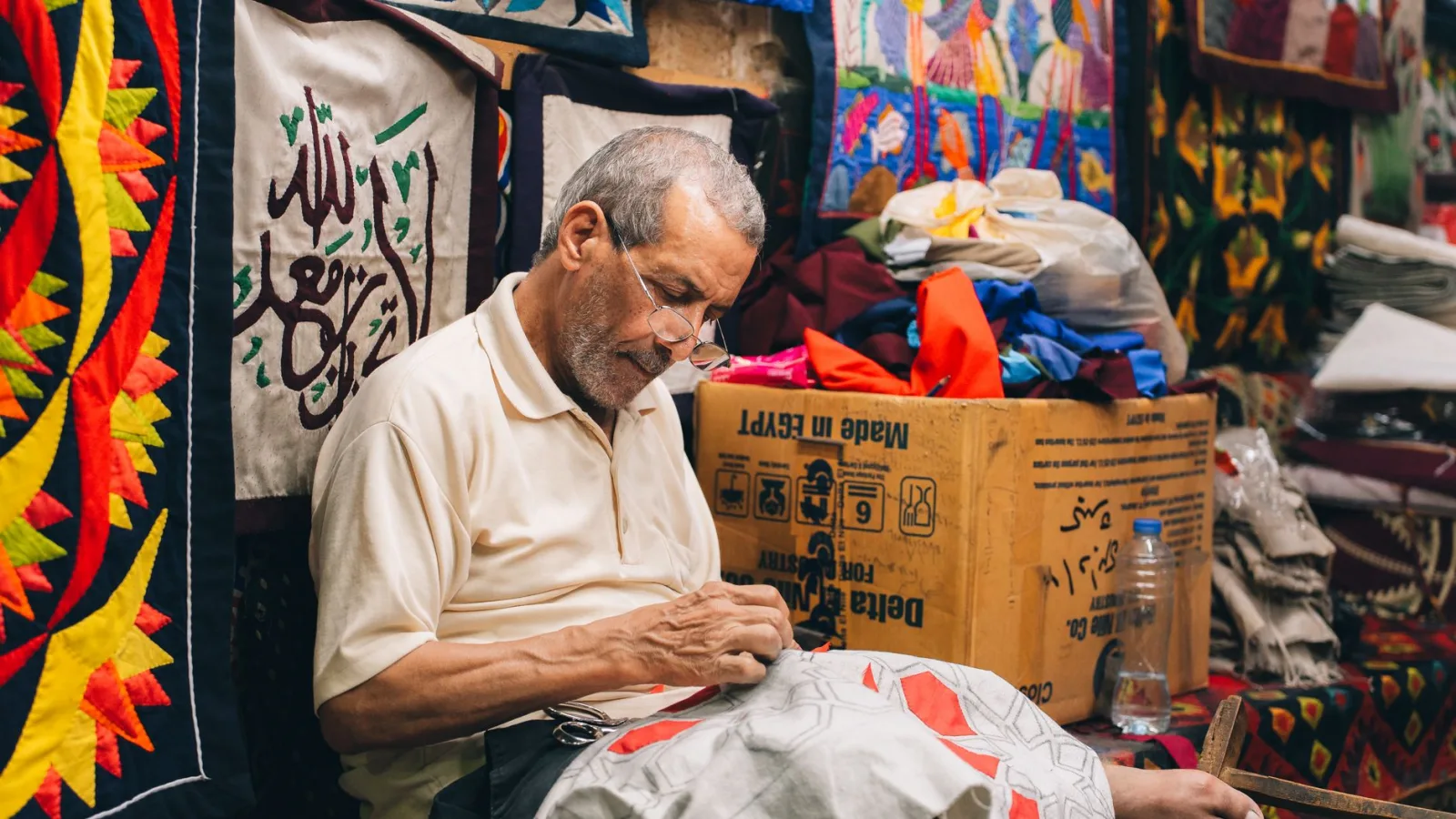
If you want to experience Cairo’s folklore firsthand, seeking out local storytellers is essential. Here are some practical steps to connect with them:
- Visit Local Cafés: Cafés in neighborhoods like Zamalek and Islamic Cairo often host storytellers, especially during the evenings.
- Attend Festivals: Cultural festivals often feature storytelling events where you can listen to a variety of tales.
- Join Community Gatherings: Look for community events or workshops that focus on oral traditions, which can often be found in local cultural centers.
Pro tip: Approach these gatherings with an open mind and a willingness to engage. Asking questions can enrich your understanding and appreciation for the stories shared.
Challenges in Preserving Folklore
Despite the vibrant storytelling culture, there are challenges in preserving these traditions. Urbanization and modernization have led to a decline in oral storytelling practices. Younger generations may be more inclined to consume digital media than to gather around a storyteller. This shift threatens the transmission of local stories. It is essential to support initiatives and organizations that strive to promote and preserve these oral traditions.

Conclusion: Embracing Local Experiences
Engaging with Cairo’s folklore and oral traditions offers a unique lens through which to understand the city’s culture. By seeking out local storytellers and immersing yourself in these narratives, you not only gain insight into the community’s values but also contribute to the preservation of its rich cultural heritage. Remember, the journey through Cairo’s hidden stories is not just about listening; it’s about connecting, understanding, and appreciating the diversity of human experiences. Key takeaways include:
- Explore local stories to understand Cairo’s cultural identity.
- Engage with storytellers to experience the oral traditions firsthand.
- Support efforts to preserve oral storytelling for future generations.
Cairo’s folklore is a living, breathing aspect of its culture. By participating in this journey, you become part of a broader narrative that transcends time and tradition.