The Hidden Artisan Markets of the Arabian Peninsula: A Guide to Unique Treasures and Local Stories
By
Share
Unveiling the Artisan Markets
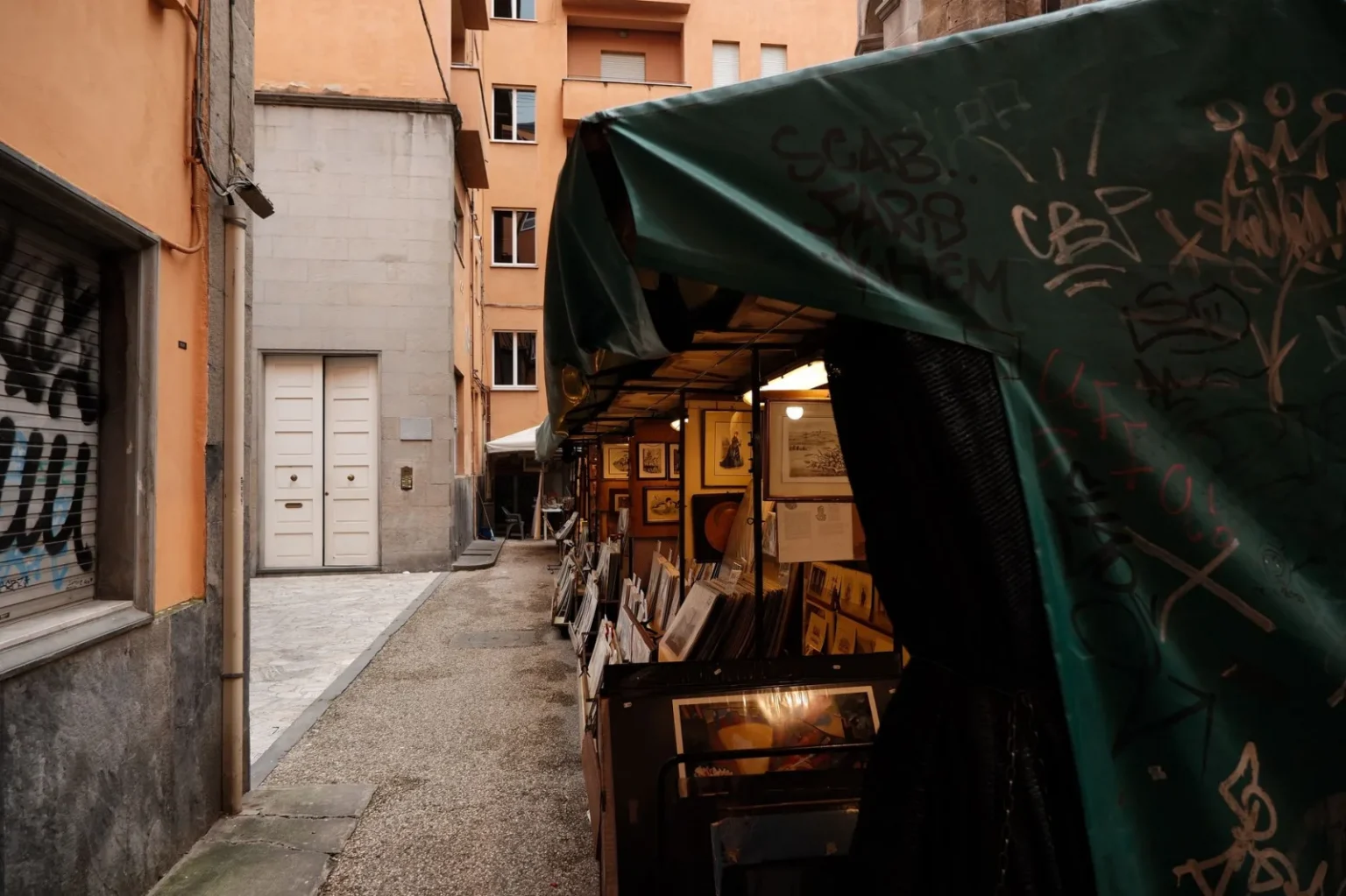
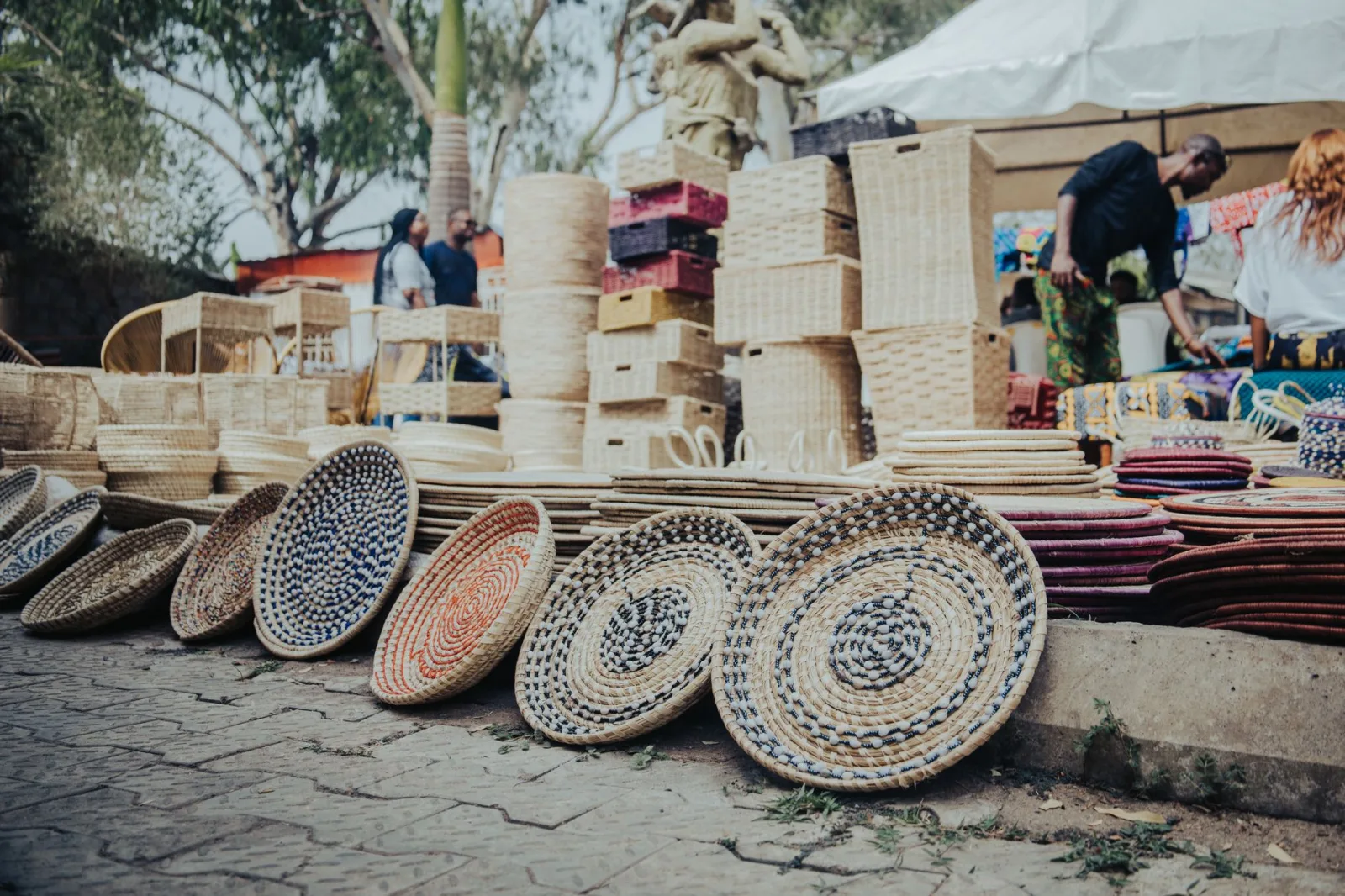
The artisan markets of the Arabian Peninsula are vibrant hubs of culture and creativity, often overshadowed by their larger, more commercial counterparts. These hidden gems house an array of local crafts, from intricate textiles to handcrafted pottery, each telling a story of tradition and artistry. By stepping into these markets, you engage directly with the heritage of the region, gaining insights that you wouldn’t find in mainstream tourist attractions.
Firstly, artisan markets are critical for preserving local culture. Each item sold often reflects centuries of tradition and skill passed down through generations. For example, consider the art of weaving found in Oman, where local artisans produce exquisite rugs that tell stories of their ancestors. Supporting these markets ensures that these traditions endure amidst globalization.
When you visit an artisan market, you’ll encounter a variety of crafts, each with its unique characteristics:
Textiles: Look for handwoven fabrics featuring traditional patterns, often made from natural fibers.
Pottery: Each piece may showcase local techniques, with designs inspired by the region’s history and environment.
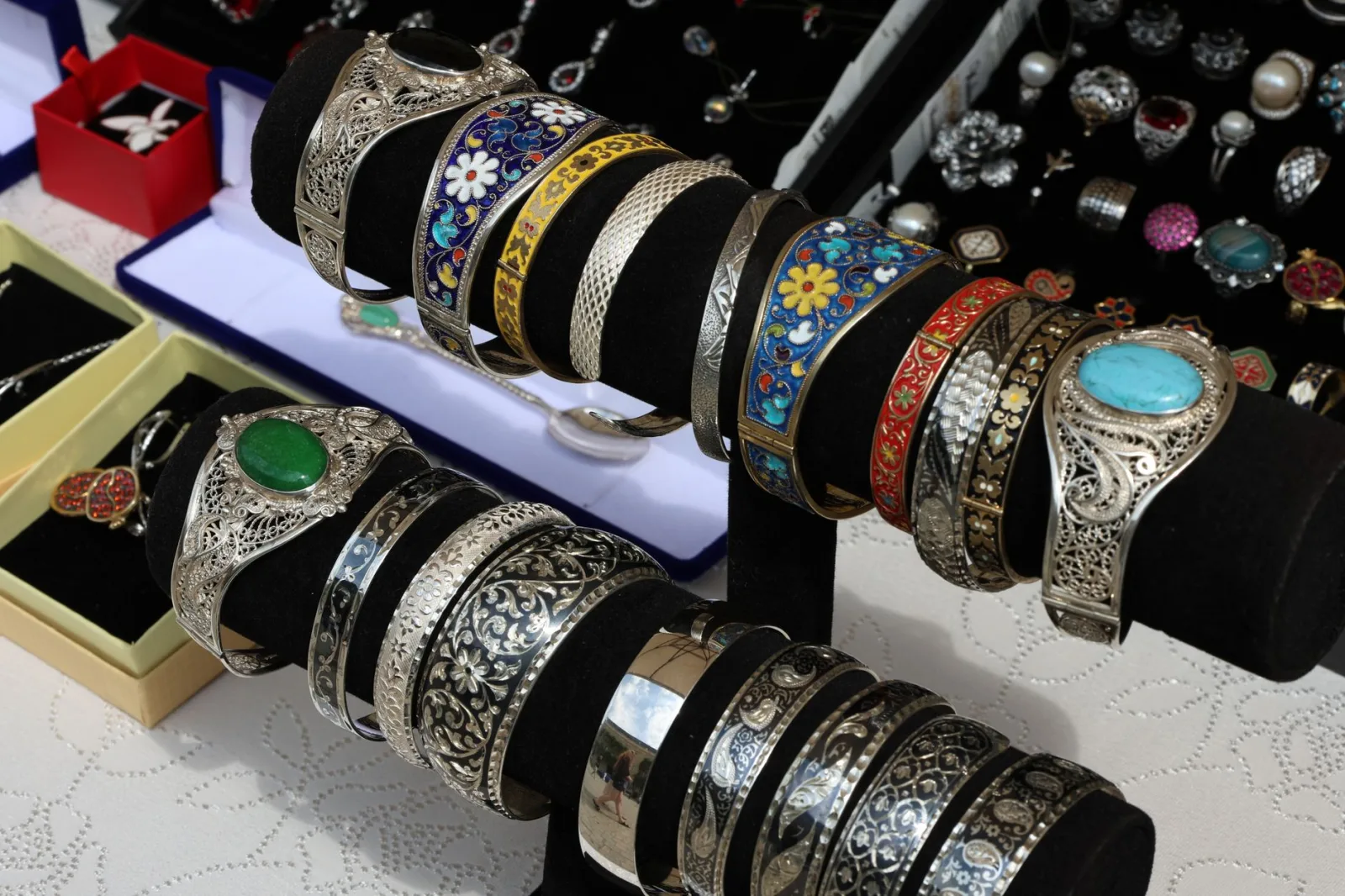
Jewelry: Handmade jewelry often incorporates local materials, such as silver and gemstones, reflecting the natural beauty of the Arabian Peninsula.
Understanding these crafts enriches your experience, allowing you to appreciate the artistry behind each piece. For instance, knowing that a particular dye used in textiles is derived from local plants can deepen your connection to the product.
Top Hidden Artisan Markets to Visit
Here are some standout artisan markets worth exploring:
1. Souk Al-Mubarakiya, Kuwait
This vibrant market is a blend of traditional and modern. You’ll find stalls selling everything from spices to handcrafted goods. Pro tip: Visit early in the morning to experience the market before the crowds arrive.
📷 Tahir Xəlfə – Pexels
2. Al-Balad, Jeddah, Saudi Arabia
Known for its historical significance, Al-Balad features artisan shops nestled within charming old buildings. Look for unique wooden handicrafts and traditional clothing. Important note: Be mindful of shop hours, as many close during midday.
3. Souk Waqif, Doha, Qatar
This bustling market specializes in local crafts, including traditional Qatari garments and intricate calligraphy. Warning: Prices can vary widely, so it’s wise to compare before making a purchase.
📷 Ruchit Darji – Pexels
4. Muscat’s Mutrah Souq, Oman
As one of the oldest markets in the region, Mutrah Souq offers a glimpse into Omani culture. You can find silver jewelry and colorful textiles. Common mistake: Don’t hesitate to haggle; it’s part of the shopping experience here.
How to Engage with Local Artisans
When visiting these markets, engaging with local artisans can enhance your experience:
Ask Questions: Inquire about their craft. Most artisans are proud to share their knowledge and stories.
Try Your Hand: Some markets offer workshops where you can learn a craft yourself, providing a deeper appreciation of the skill involved.
Respect the Culture: Be mindful of local customs and etiquette while interacting with artisans.
This interaction not only enriches your visit but also supports the preservation of these crafts and their cultural significance.
Supporting Sustainable Practices
By purchasing items from artisan markets, you contribute to sustainable economic development. Many artisans rely on sales to support their families and communities. Additionally, you often find that these markets prioritize eco-friendly practices, using natural materials and traditional methods that have minimal environmental impact. Therefore, buying local crafts can also be a responsible choice for environmentally-conscious travelers.
Summary and Key Takeaways
Exploring the hidden artisan markets of the Arabian Peninsula reveals a world of unique treasures and local stories. To make the most of your experience:
Engage with artisans to learn about their crafts.
Visit lesser-known markets for a more authentic experience.
Support sustainable practices by choosing locally made products.
In conclusion, these artisan markets not only offer beautiful items but also connect you to the rich cultural fabric of the Arabian Peninsula. Whether you’re seeking a unique souvenir or a deeper connection to the region’s heritage, these markets provide an invaluable experience.