





Ecological Treasures of the Arabian Peninsula
The Arabian Peninsula is often perceived primarily as a vast desert landscape, but beneath this arid facade lies a rich tapestry of ecological wonders. These hidden gems include unique ecosystems that host rare flora and fauna. Understanding these ecosystems is essential, not only for appreciation but also for conservation efforts.
Unveiling Unique Flora
The flora in the Arabian Peninsula showcases remarkable adaptations that enable survival in extreme conditions. For instance, the date palm (Phoenix dactylifera) is not only iconic but also critical for local economies. These trees thrive in arid environments and provide sustenance. You can often find them lining oases, which serve as life-giving spots in the desert.
Another notable plant is the Frankincense tree (Boswellia sacra), particularly found in Oman. This tree produces a resin used for thousands of years in incense and traditional medicine. Its ability to grow in rocky, inhospitable terrain illustrates the resilience of Arabian flora. Pro tip: When visiting these areas, look for small, gnarled trees clinging to life in the harsh conditions.
Understanding the Fauna
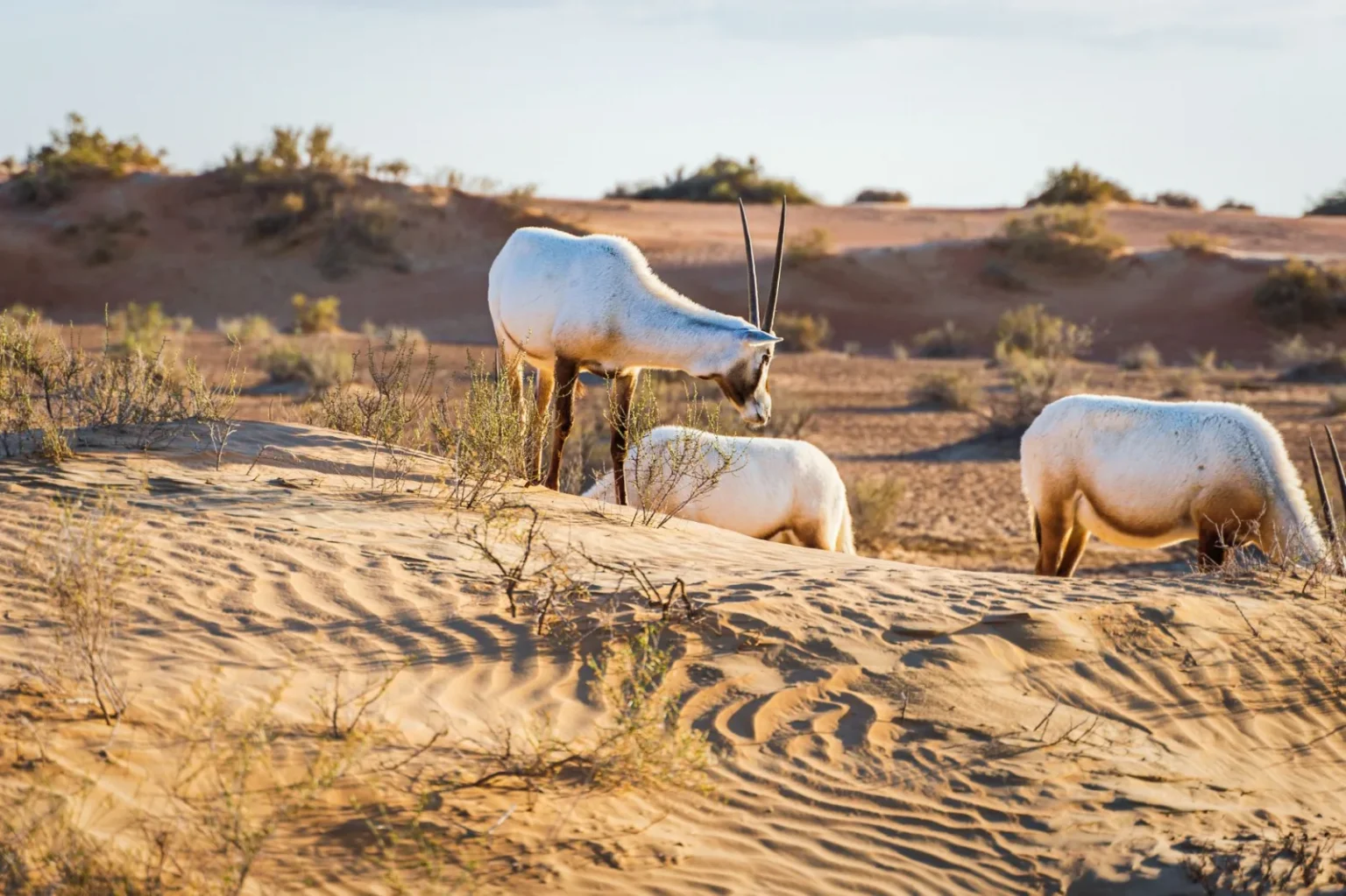
The Arabian Peninsula is home to a variety of wildlife, much of which remains hidden from the average traveler. Species such as the Arabian oryx (Oryx leucoryx) and the Arabian leopard (Panthera pardus nimr) are prime examples. The Arabian oryx, once extinct in the wild, has made a comeback due to successful conservation efforts. These animals are adapted to life in the desert, with their white coats reflecting sunlight and minimizing heat absorption.
Additionally, the region hosts a rich variety of bird species that migrate through or reside in its unique habitats. The Houbara bustard (Chlamydotis undulata) is particularly significant as it symbolizes the region’s commitment to wildlife conservation. You can often spot these birds during migration seasons, especially in protected areas.
Exploring Coastal Ecosystems
The Arabian Peninsula isn’t just about deserts; it also boasts stunning coastal ecosystems. The coral reefs along the Red Sea are teeming with marine life. These reefs are crucial for maintaining biodiversity, serving as habitats for various fish species and other marine organisms. Warning: Coral reefs are fragile ecosystems, so be cautious when snorkeling or diving to avoid damaging them.
Steps to Discover Hidden Ecological Wonders
To embark on a journey through these ecological wonders, follow these steps:
- Research Your Destination: Look into specific regions known for their biodiversity, such as the Hajar Mountains in Oman or the Farasan Islands in Saudi Arabia.
- Plan Visits to Nature Reserves: Consider visiting reserves like the Arabian Oryx Sanctuary in Oman or the Asir National Park in Saudi Arabia, where conservation efforts are in place.
- Engage with Local Guides: Hiring a local guide can enhance your experience, providing insights into the flora and fauna that you might miss on your own.
- Practice Responsible Tourism: Always follow guidelines for wildlife viewing and respect natural habitats.
Conservation Efforts: A Collective Responsibility
Understanding and appreciating the ecological wonders of the Arabian Peninsula also comes with a responsibility to protect them. Many organizations are working tirelessly to preserve these unique ecosystems. For example, the Saudi Wildlife Authority has initiated programs to restore habitats and protect endangered species. You can contribute by supporting local conservation initiatives or participating in eco-tourism.
Connecting to the Culture of Nature
The relationship between humans and nature in the Arabian Peninsula is rich and intertwined with cultural practices. Traditional knowledge about the use of specific plants for medicinal purposes is deeply rooted in local communities. Additionally, crafts derived from natural resources, such as weaving and pottery, reflect the region’s ecological heritage. Engaging with local artisans can provide deeper insights into how nature influences culture.
Summary: Embracing the Hidden Wonders
The Arabian Peninsula is a repository of ecological wonders waiting to be discovered. By exploring its rare flora and fauna, you can gain a greater appreciation for the region’s biodiversity. Remember to approach your explorations with respect and responsibility, ensuring these hidden gems remain for future generations. Whether you are trekking through the arid deserts or diving into the vibrant coral reefs, each encounter reveals a piece of the ecological puzzle that makes this region unique.