




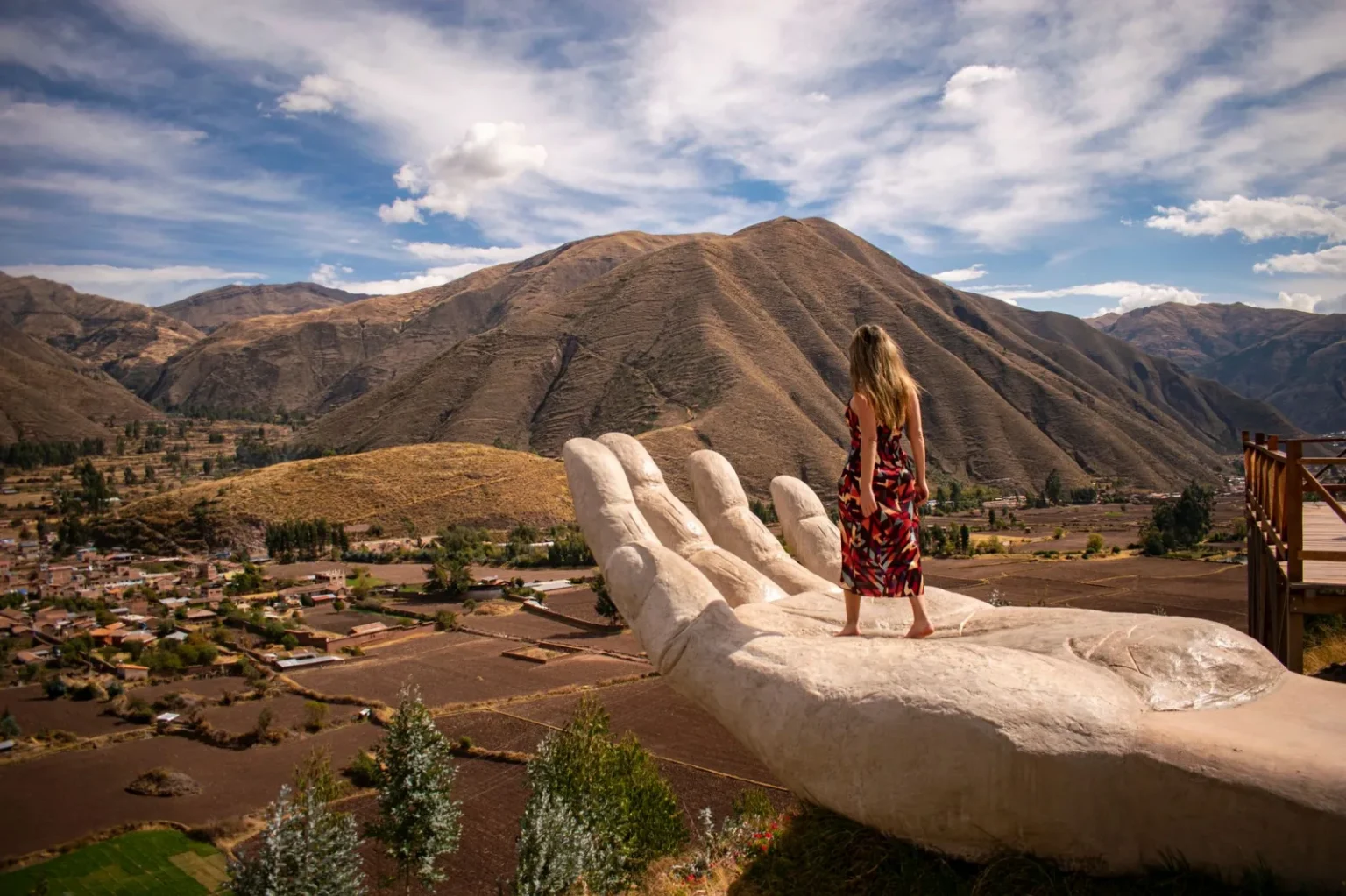

Understanding the Personal Travel Experience
A personal travel experience is more than just visiting a place; it’s about crafting a journey that resonates with your interests, preferences, and life goals. To curate this experience, you need to delve into what makes you tick as a traveler. For instance, if you’re passionate about art, consider destinations with rich cultural scenes that offer galleries, museums, and street art walks. Understanding your motivations sets the stage for effective travel planning.
- Understanding the Personal Travel Experience
- Step 1: Assess Your Travel Preferences
- Step 2: Set Clear Travel Goals
- Step 3: Research Destinations Thoroughly
- Step 4: Plan Your Itinerary with Flexibility
- Step 5: Engage with Local Experiences
- Step 6: Document Your Journey
- Step 7: Evaluate and Adjust for Future Trips
- Conclusion: Crafting Your Unique Journey
Step 1: Assess Your Travel Preferences
Start by identifying your travel style. Are you an adventurer at heart, seeking thrill and excitement, or do you prefer serene landscapes and quiet moments? You can categorize your preferences into types such as:
- Adventure Seeker: You enjoy activities like hiking, rock climbing, or water sports.
- Cultural Enthusiast: You’re drawn to museums, historical sites, and local traditions.
- Relaxation Lover: You prefer beach resorts, spa retreats, or quiet countryside.
Once you identify your style, you can better align your travel plans with your interests. For example, if you’re a cultural enthusiast, you might find joy in exploring Italy’s culinary regions through local dishes and food experiences, enhancing your overall journey.
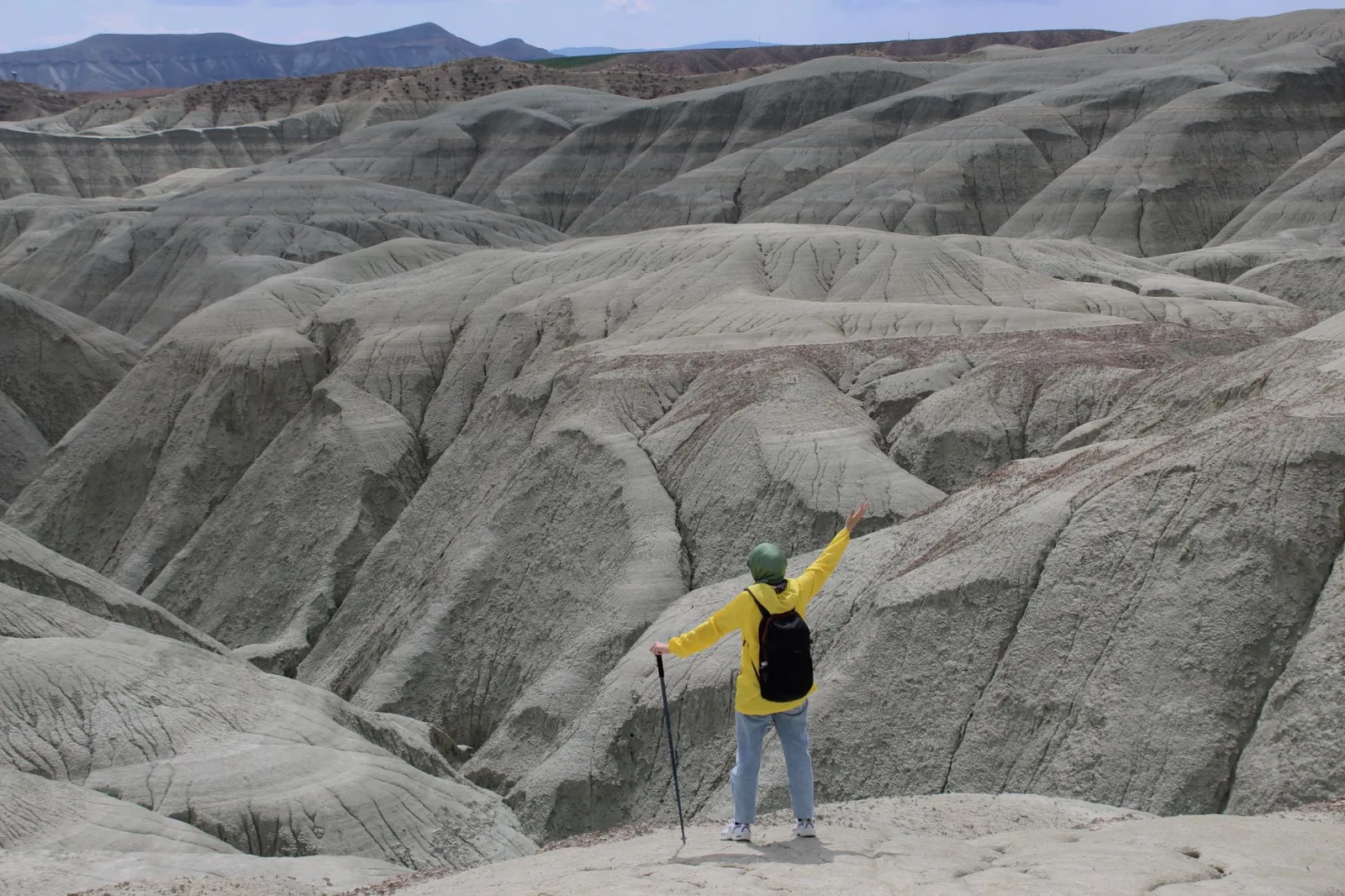
Step 2: Set Clear Travel Goals
What do you wish to gain from your travels? Setting clear goals can guide your planning process. Ask yourself questions like:
- What experiences do I want to have?
- Am I looking to learn something new?
- How do I want to feel during this journey?
Your answers will help shape your itinerary. For instance, if your goal is to unwind and recharge, prioritize destinations known for wellness and tranquility. Perhaps consider a wellness retreat or a tranquil beach destination.
Step 3: Research Destinations Thoroughly
Once you have a clear understanding of your preferences and goals, research potential destinations. Look beyond popular tourist spots and seek hidden gems that align with your travel style. Utilize resources like travel blogs, forums, and social media to gather insights. When researching, consider:
- Local customs and traditions
- Activities available
- Seasonal weather patterns
Important note: Be aware of the cultural context of your destination. Some experiences may not be appropriate or may require specific etiquette. For example, understanding the cultural significance of certain landmarks can enhance your appreciation when visiting.

Step 4: Plan Your Itinerary with Flexibility
While it’s essential to have a structured plan, flexibility is key to a personal travel experience. A rigid schedule can lead to stress, whereas a flexible itinerary allows you to embrace spontaneity. Here’s how to achieve that:
- Prioritize must-see attractions but leave room for unplanned exploration.
- Consider scheduling free days where you can wander or relax.
- Use apps or local guides to discover events or activities happening in real-time.
For example, if you’re in a city known for its street food, allow yourself a day to explore local markets without a strict agenda. This can lead to unexpected delights and genuine interactions.
Step 5: Engage with Local Experiences
To truly immerse yourself in a destination, seek out local experiences. This could include cooking classes, guided tours led by locals, or even attending community events. Engaging with local culture can provide insights that enrich your travel experience. You can also consider:
- Joining workshops related to local crafts or cooking.
- Participating in community volunteer opportunities.
- Staying in locally-owned accommodations for authentic interactions.
Pro tip: Research local events happening during your visit. Festivals or markets often showcase the heart of a culture and provide unique experiences.
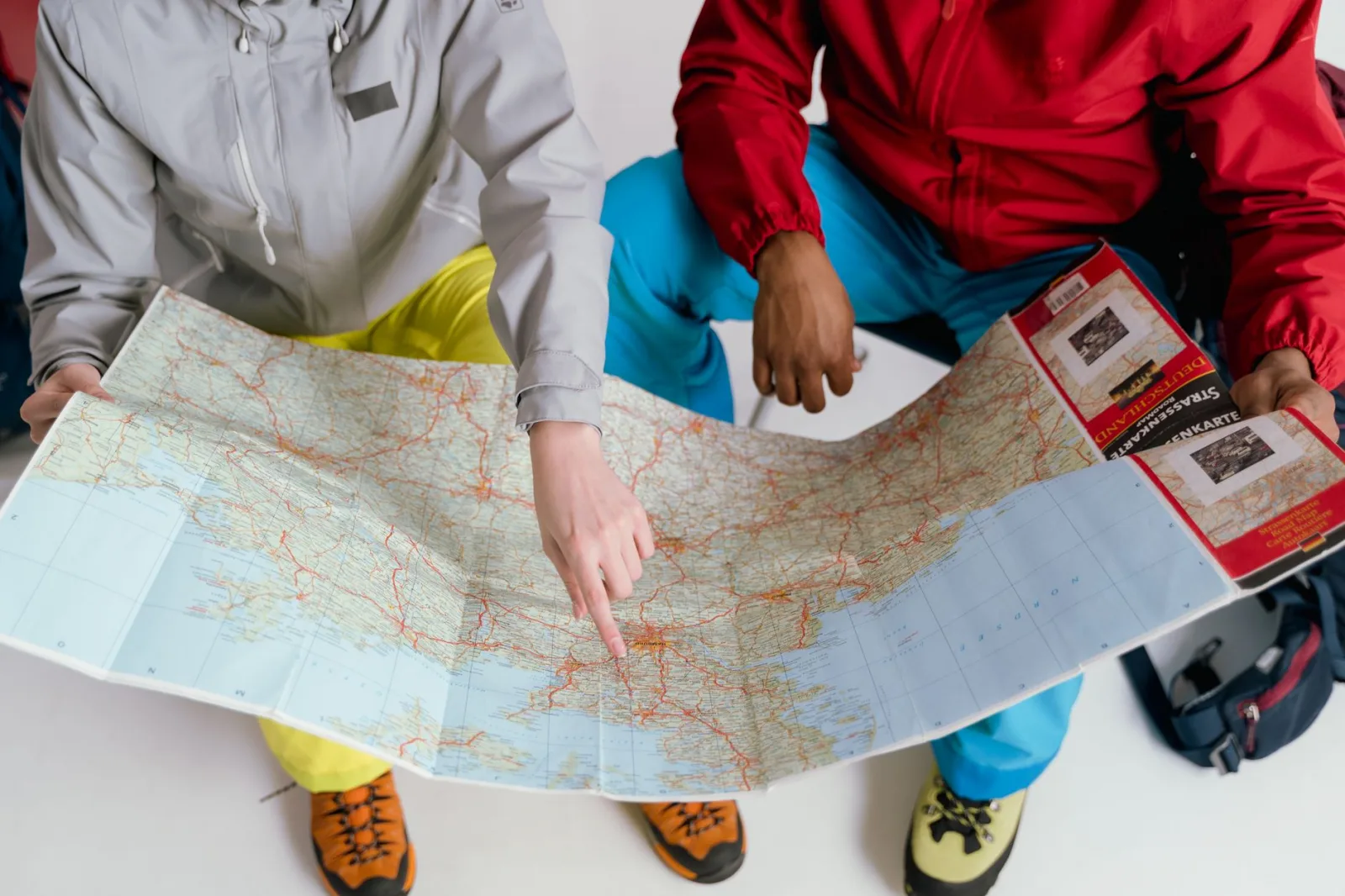
Step 6: Document Your Journey
As you travel, consider documenting your experiences. This could be through journaling, photography, or blogging. Capturing your journey helps you reflect on your experiences and can enhance future travel planning. Try to:
- Write daily reflections on what you loved and what surprised you.
- Take photos that tell a story—focus on moments rather than just landscapes.
- Share your experiences with friends or online communities, which can offer new perspectives.
Warning: Be mindful of over-documenting. Sometimes, stepping back to enjoy the moment without a camera can lead to a more fulfilling experience.
Step 7: Evaluate and Adjust for Future Trips
After your trip, take time to evaluate your personal travel experience. What did you enjoy most? What would you change for next time? Keeping a travel journal can be an effective way to track your thoughts. Consider these questions:
- Did my chosen activities align with my preferences?
- What did I learn about myself as a traveler?
- How can I improve my travel planning for next time?
By reflecting on your experiences, you’ll sharpen your travel planning skills for future adventures, making each journey more aligned with your personal preferences.
Conclusion: Crafting Your Unique Journey
Curating a personal travel experience is an art that requires self-awareness, flexibility, and an open mind. By assessing your preferences, setting clear goals, researching thoroughly, and engaging with locals, you can design a journey that resonates deeply with you. Remember, the essence of travel lies not only in the destinations you visit but also in the experiences you create along the way. As you embark on future travels, keep these steps in mind to ensure each journey is uniquely yours.