





Understanding Travel Journaling
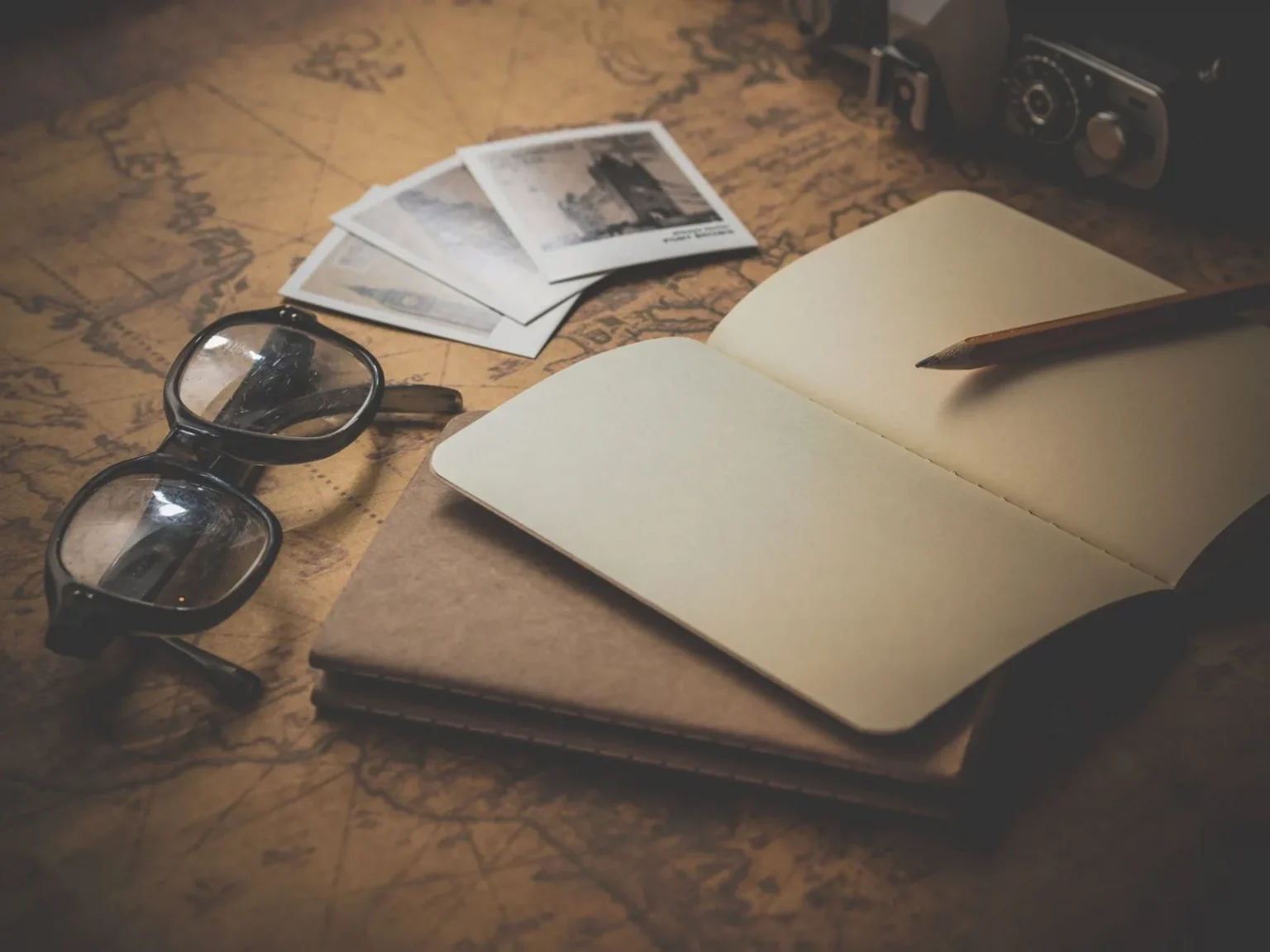
Travel journaling is the practice of documenting your experiences, reflections, and observations while on the road. It combines writing and drawing, allowing you to capture not just the sights you see but also the emotions and thoughts you experience. This is essential in preserving travel memories for the future.
- Understanding Travel Journaling
- Why You Should Start a Travel Journal
- Getting Started: Tools You’ll Need
- Capturing Experiences: What to Include
- Steps to Effective Travel Journaling
- Creating a Personal Style
- Challenges of Travel Journaling
- Reflecting on Your Journey
- Conclusion: The Lasting Impact of Travel Journaling
Why You Should Start a Travel Journal
Firstly, a travel journal is a way to engage with your journey. Instead of being a passive observer, you become an active participant. By writing down your thoughts and sketching the landscapes, you deepen your connection to the places you visit. Additionally, capturing experiences through journaling offers a unique perspective that photographs alone cannot provide.
Getting Started: Tools You’ll Need
To begin your travel journaling journey, gather a few essential tools. You’ll need:
- A notebook: Choose one that feels comfortable for you. Some prefer lined notebooks, while others like blank pages for sketches.
- Writing instruments: A good pen or pencil is crucial. Consider waterproof pens if you plan to journal outdoors.
- Art supplies: Watercolors, colored pencils, or even simple markers can enhance your drawings.
Pro tip: Choose a notebook that is portable but durable, as it will accompany you on your travels.
Capturing Experiences: What to Include
When you start journaling, consider including various elements to enrich your entries:
- Daily reflections: Write about your thoughts and feelings regarding the day’s adventures.
- Descriptions of places: Capture the essence of a location using sensory details—sights, sounds, and smells.
- Sketches: Add drawings of landscapes, architecture, or even interesting people you encounter.
- Quotes: Record meaningful quotes or conversations that resonate with you.
Important note: Don’t feel pressured to write lengthy entries. A few sentences or a quick sketch can be just as valuable.
Steps to Effective Travel Journaling
To make your travel journaling effective, consider the following steps:
- Set a routine: Allocate time each day to journal. Morning reflections or evening recaps can work well.
- Be honest: Write authentically about your experiences. Don’t shy away from expressing emotions, whether they are joy, frustration, or awe.
- Use prompts: If you ever feel stuck, prompts can help. Questions like “What was the highlight of my day?” or “What surprised me?” can spark ideas.
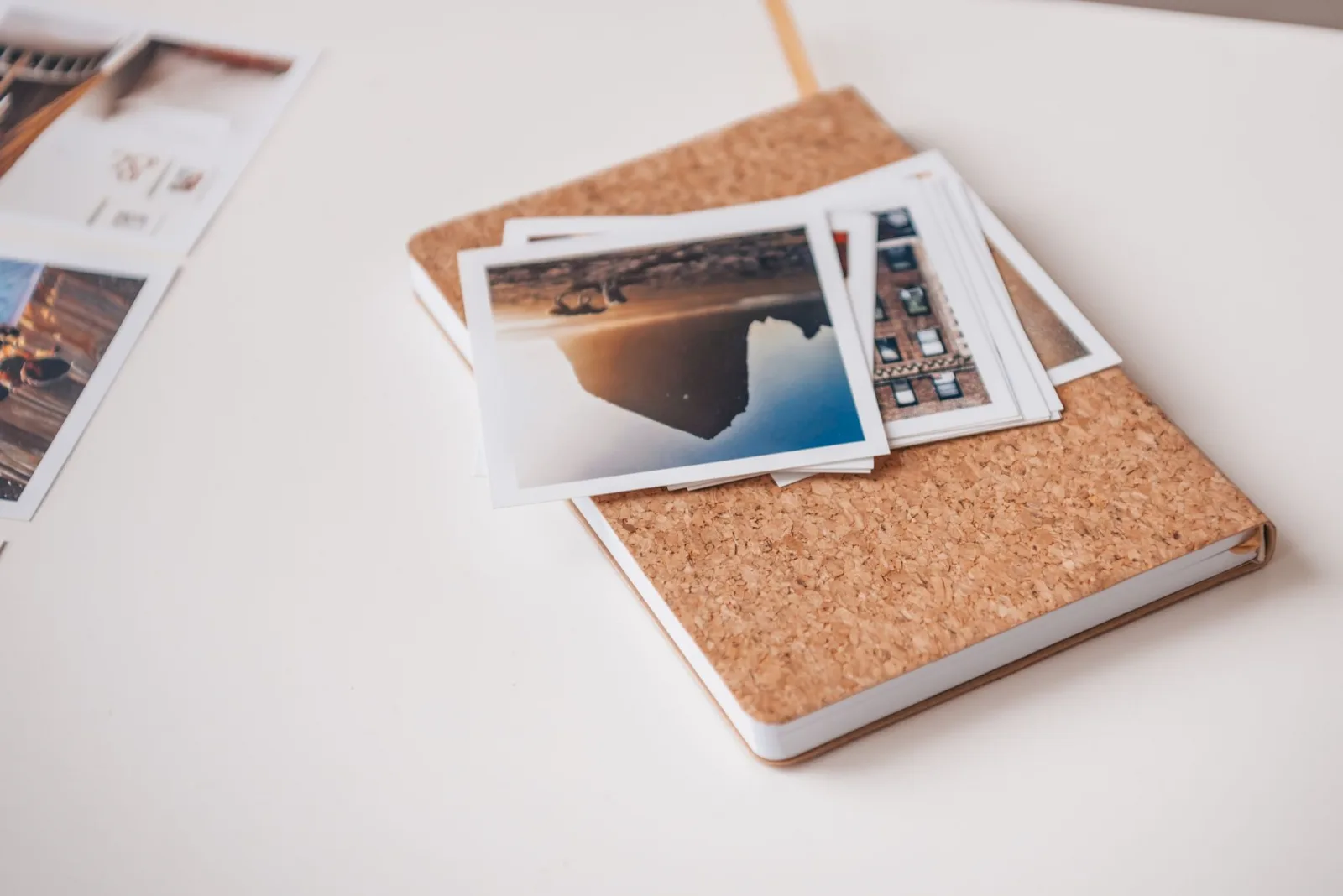
- Include mementos: Tape in tickets, postcards, or even leaves. They can serve as tangible reminders of your experiences.
- Review and reflect: Spend time reading your past entries to trigger memories and insights you might have forgotten.
Creating a Personal Style
Your travel journal should reflect your personality. Consider experimenting with different layouts and formats. You might prefer:
- Bullet journaling: This minimalist style allows for concise entries and quick sketches.
- Art journaling: If you enjoy drawing, let your creativity flow with illustrations alongside your writing.
- Storytelling: Instead of simply listing events, weave your experiences into a narrative.
Furthermore, use color coding for different types of entries (e.g., green for nature, blue for city experiences) to make your journal visually appealing.

Challenges of Travel Journaling
Travel journaling may present some challenges. You might find it difficult to find time to write daily, or you may fear that your artistic skills aren’t up to par. Here are some ways to address these issues:
- Set realistic goals: Aim for short, meaningful entries rather than lengthy essays. Even a few lines can be impactful.
- Let go of perfection: Your journal is for you. Embrace imperfections in your writing or drawings as part of the creative process.
- Stay consistent: Make journaling a habit. Consistency will help you overcome the feeling of being overwhelmed.
Reflecting on Your Journey
Once you return from your travels, take the time to revisit your journal. Reflecting on your entries can provide insights into your experiences and personal growth. You may find that certain memories stand out more vividly when revisited. This reflection can serve as a powerful reminder of your journey and help you appreciate the transformative nature of travel.
Conclusion: The Lasting Impact of Travel Journaling
Travel journaling is more than just a way to document your adventures; it’s a tool for introspection, creativity, and personal growth. By capturing your travel memories through words and drawings, you create a lasting legacy of your experiences. As you embark on your next journey, consider taking the time to journal, allowing your unique voice to shine through. Remember, the most important part of journaling is the act of capturing your journey in a way that feels authentic to you.