





Understanding Historical Trade Routes in Egypt
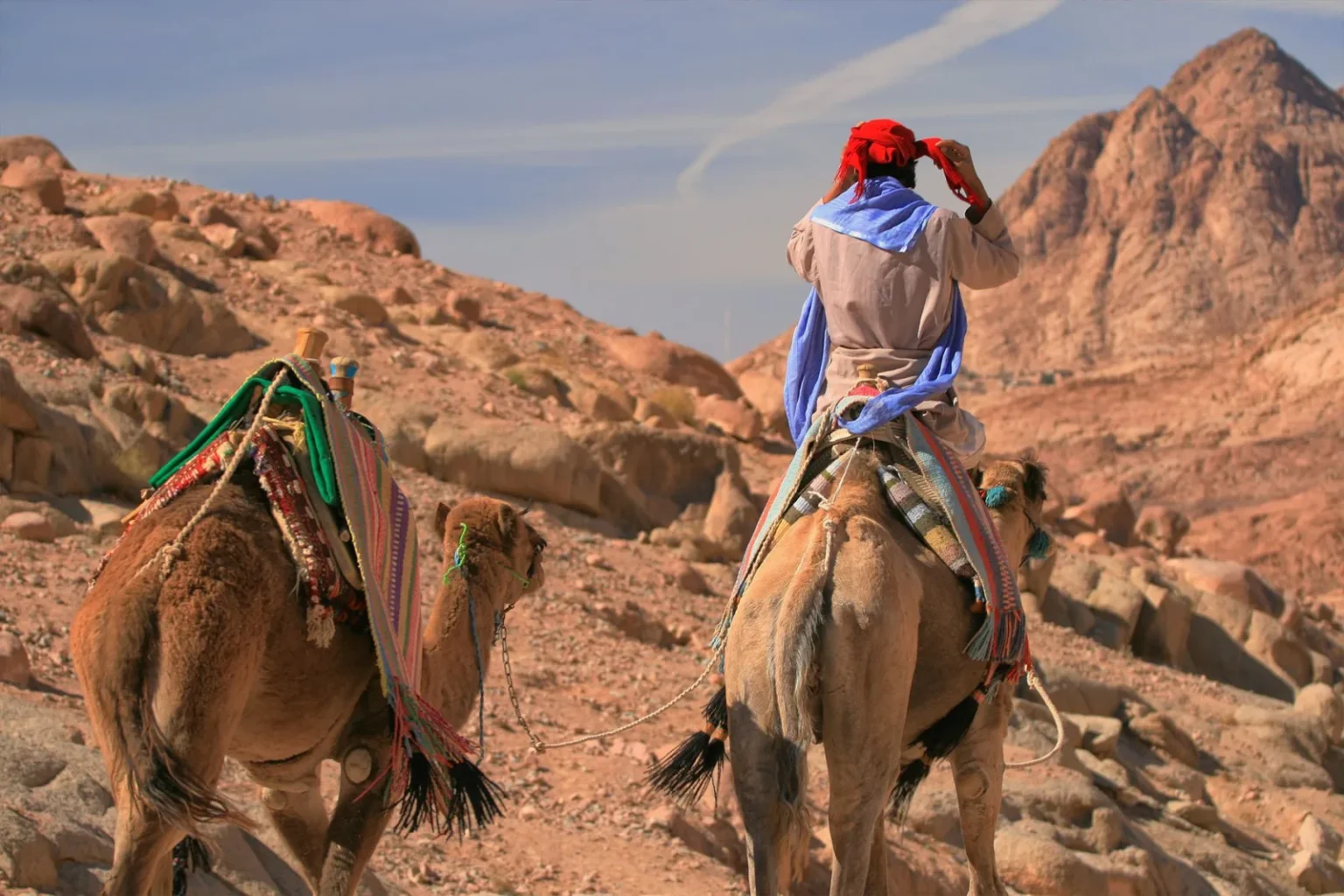
Historical trade routes are pathways that facilitated the exchange of goods, ideas, and cultures. In Egypt, these routes have shaped the nation’s identity and influenced its development over thousands of years. You may think of Egypt primarily as a land of pyramids and temples, but its trade routes reveal a deeper narrative of cultural exchange and economic vitality.
The Importance of Trade Routes in Ancient Egypt
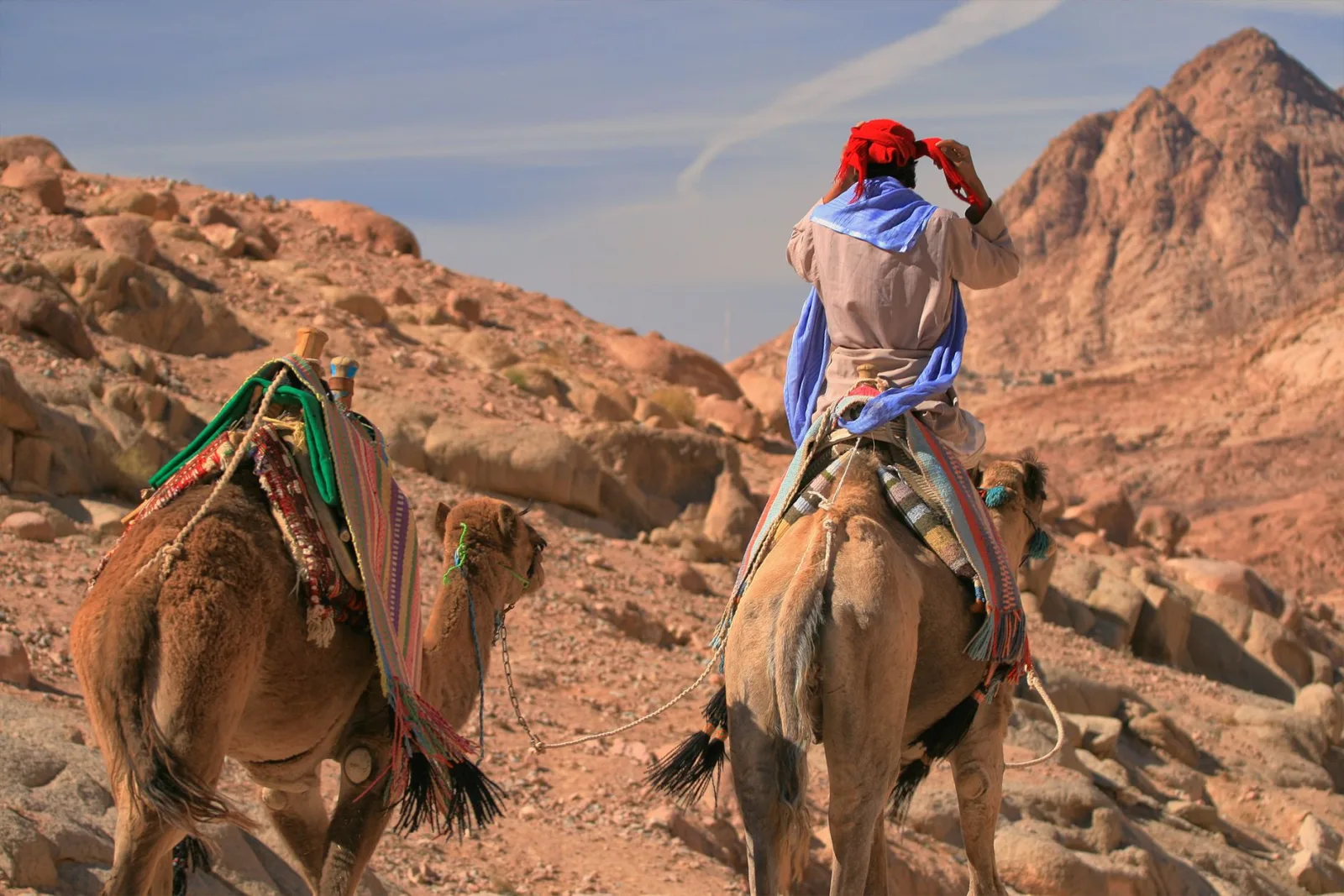
Trade routes in ancient Egypt were vital for connecting various regions and facilitating commerce. The Nile River served as a natural highway, allowing for the transport of goods such as grain, papyrus, and textiles. Additionally, the overland routes linked Egypt to neighboring regions, including the Levant, Nubia, and the Mediterranean.
For example, the route from the Nile Valley through the Sinai Peninsula to the Levant enabled the exchange of luxury items like incense and spices. Understanding these routes offers insights into the socio-economic dynamics of ancient Egypt, and how they interacted with neighboring cultures.
Key Historical Trade Routes to Explore
1. **The Nile Trade Route**: This route is the backbone of Egypt’s historical trade, extending from the Aswan High Dam to the Mediterranean Sea. As you journey along the Nile, you can visit key cities that thrived on trade, such as Luxor and Aswan.
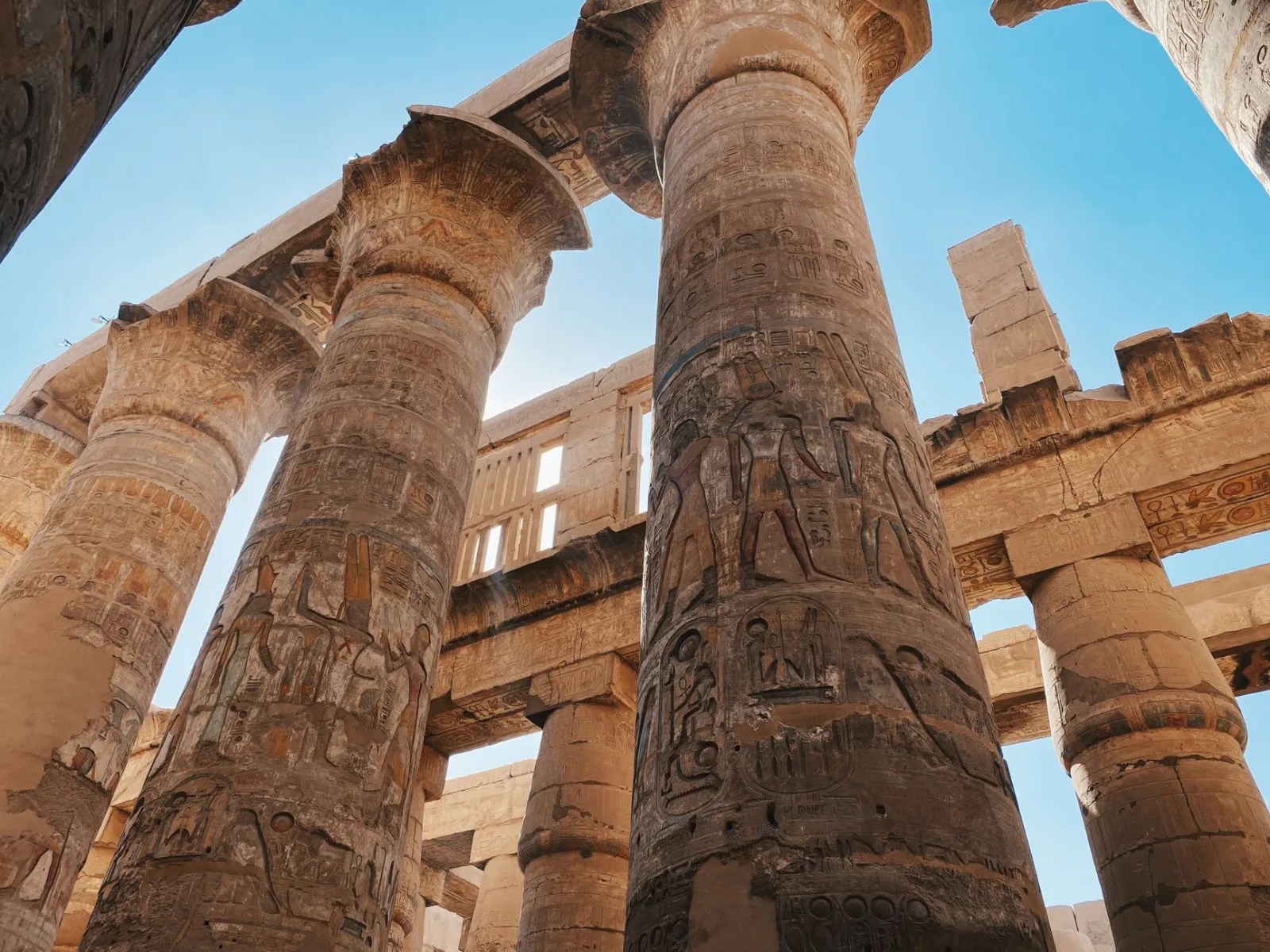
2. **The Incense Route**: This route connected Egypt to the Arabian Peninsula, where aromatic resins were traded. Important sites like the Temple of Karnak were significant points for trade and cultural exchange.
3. **The Silk Road Connection**: Although not entirely within Egypt, this trade network connected various civilizations. Egypt’s ports, like Alexandria, served as gateways for silk and other luxury goods from Asia.
4. **The Overland Routes to Nubia**: Traveling southward from Egypt, you’ll encounter routes that facilitated trade with Nubia. These paths were crucial for the exchange of gold, ebony, and ivory.
Practical Steps for Exploring Egypt’s Trade Routes
To embark on your journey through Egypt’s historical trade routes, follow these practical steps:
1. **Plan Your Itinerary**: Start by identifying the key locations along the trade routes you wish to explore. Include both famous sites and lesser-known destinations for a comprehensive experience.
2. **Engage with Local Guides**: Hiring a local guide can vastly improve your understanding of the historical context. They can share stories and insights that you might miss on your own.
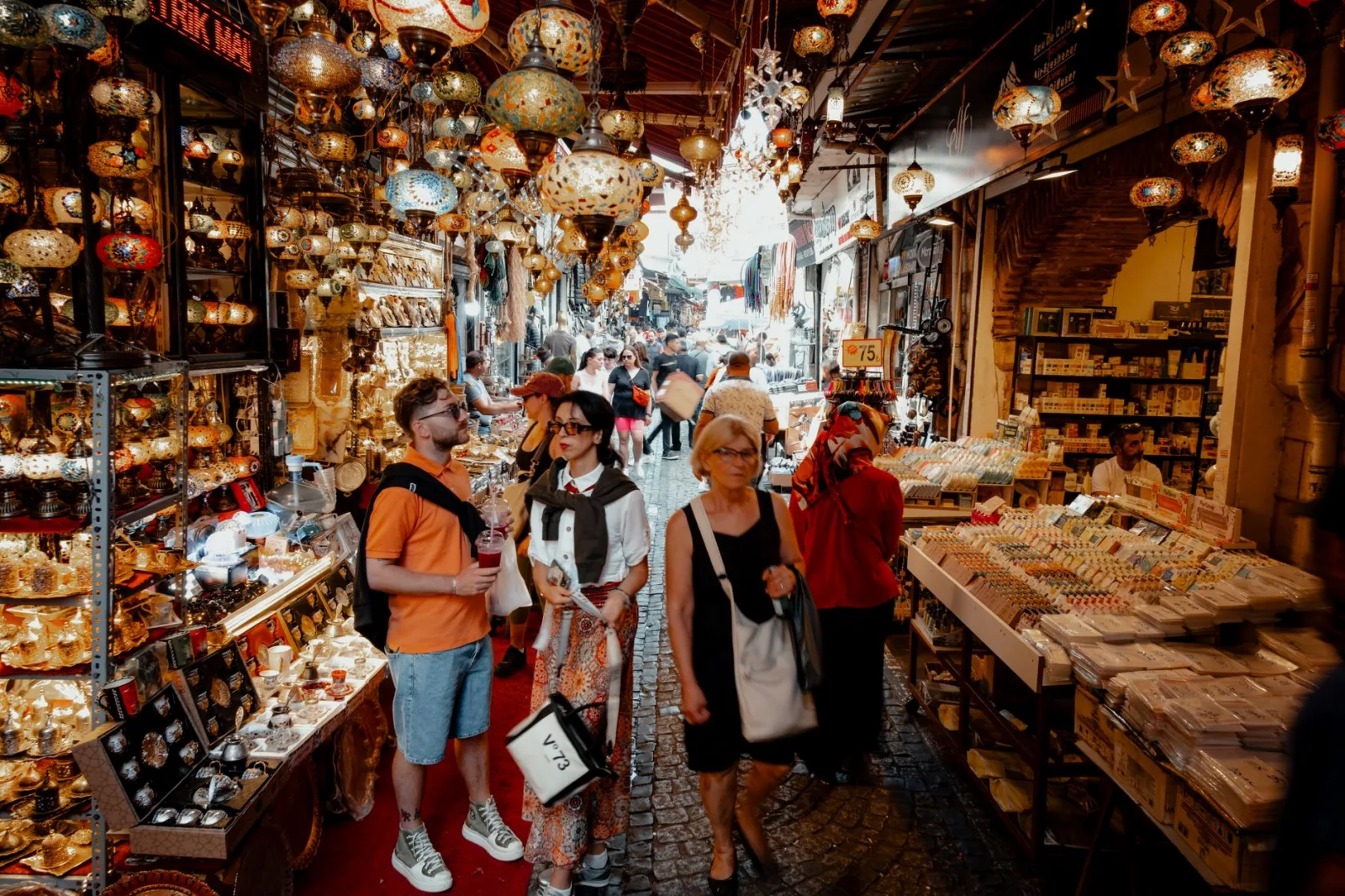
3. **Visit Markets and Bazaars**: Don’t miss visiting local markets, such as Cairo’s Khan El Khalili. These bustling spaces are a modern reflection of ancient trade practices, where you can experience the vibrant culture firsthand.
Cultural Exploration Along the Routes
As you navigate these trade routes, take the time to engage with the local culture. Egypt’s history is interwoven with influences from various civilizations, including Greek, Roman, and Islamic cultures.
For instance, in Alexandria, you can visit the Bibliotheca Alexandrina, a modern homage to the ancient Library of Alexandria, which was once a hub of knowledge and cultural exchange. Furthermore, exploring the multicultural neighborhoods of Cairo can offer a glimpse into the ongoing cultural fusion that characterizes Egypt today. For more on this, check out our guide on Exploring Cairo’s Cultural Fusion.
Common Mistakes to Avoid
While exploring Egypt’s trade routes, it’s beneficial to be aware of common pitfalls:
– **Rushing Through Sites**: Take your time to soak in the history and culture. Many travelers make the mistake of trying to see too much in one day.
– **Ignoring Local Etiquette**: Egypt is a country with rich traditions. Being respectful of local customs can greatly enhance your experience.
– **Overlooking Safety Precautions**: Ensure you stay informed about the current travel advisories and take necessary precautions, especially in less-traveled areas.
Tips for Sustainable Travel
Traveling along Egypt’s historical trade routes also presents an opportunity for sustainable tourism. Here are some tips to ensure your journey supports local communities:
– **Choose Local Accommodation**: Opt for locally-owned guesthouses or hotels to support the economy directly.
– **Engage in Community-Based Activities**: Look for opportunities to participate in local workshops or volunteering programs, which can deepen your understanding of the culture. For insights on such initiatives, refer to our guide on Navigating Egypt’s Volunteering Landscape.
Summary of Key Takeaways
Navigating Egypt’s historical trade routes is not merely a journey through time; it is a cultural exploration that deepens your understanding of the interconnectedness of civilizations. By following the practical steps outlined, engaging with local cultures, and avoiding common mistakes, you can make the most of your Egyptian adventure. Remember to travel responsibly and respect the rich heritage that surrounds you.
As you plan your trip, consider the diverse historical influences that have shaped Egypt and take the time to appreciate the nuances of its cultural landscape. Whether you are exploring the vibrant markets or the ancient ruins, each experience will contribute to a deeper appreciation of Egypt’s place in the tapestry of human history.