





Understanding Cultural Immersion
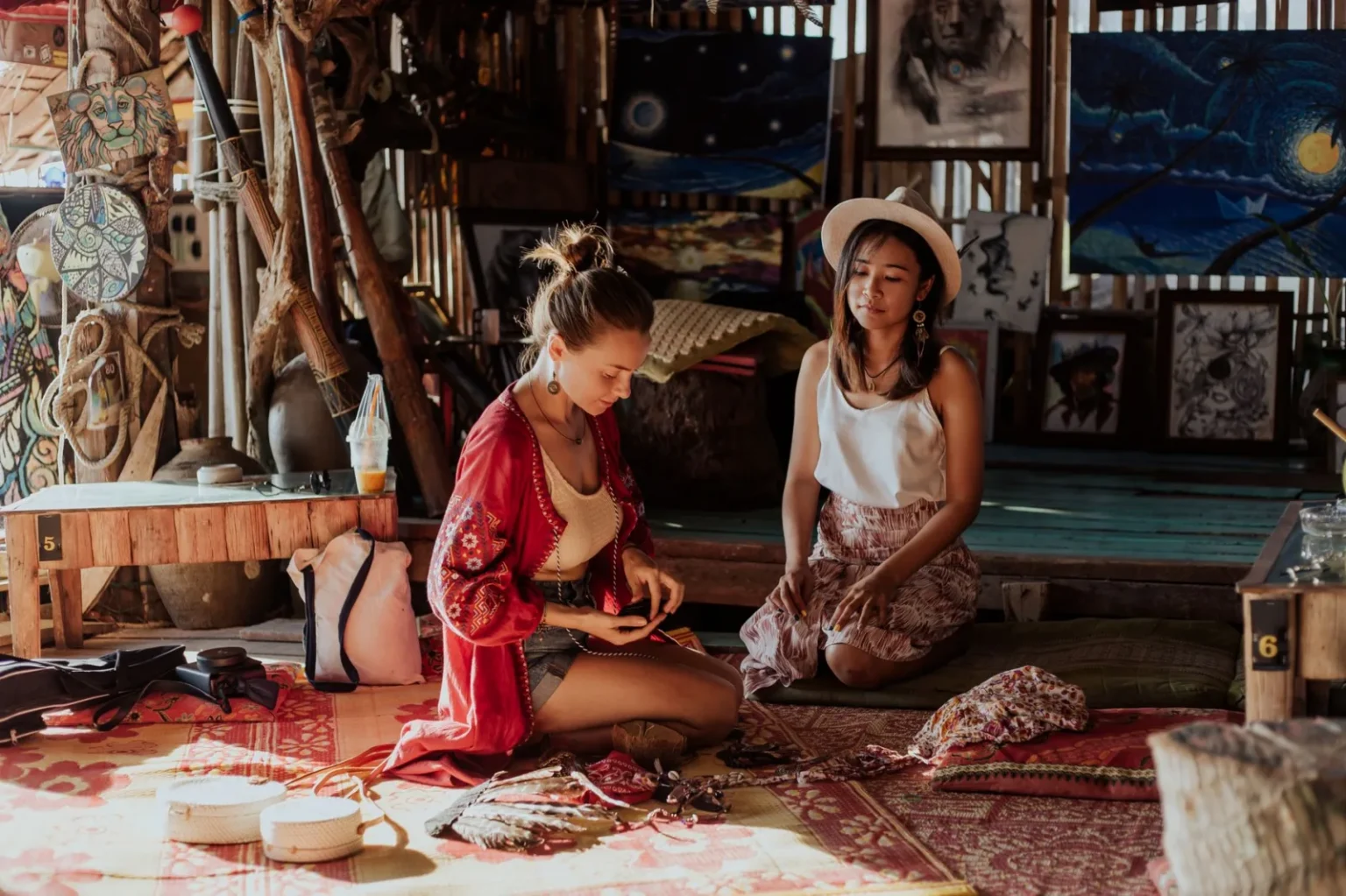
Cultural immersion is the practice of deeply engaging with a local culture during your travels. It’s about more than just visiting popular tourist spots; it involves understanding the traditions, language, and daily life of the people you meet. This approach often leads to more authentic travel experiences that enrich your understanding of the world.
1. Research Before You Go
Before embarking on your journey, invest time in researching the culture of your destination. Learning about local customs, language, and social norms can significantly enhance your experience. For example, if you’re traveling to Japan, understanding concepts like ‘omae’ (informal ‘you’) versus ‘anata’ (formal ‘you’) can help you navigate social interactions more respectfully.
2. Engage with Local Communities
One of the most effective ways to immerse yourself culturally is to engage with local communities. This can be achieved through various means:
- Stay with locals: Consider using platforms like Airbnb to find homestays or look for guesthouses that offer a more intimate setting with local hosts.
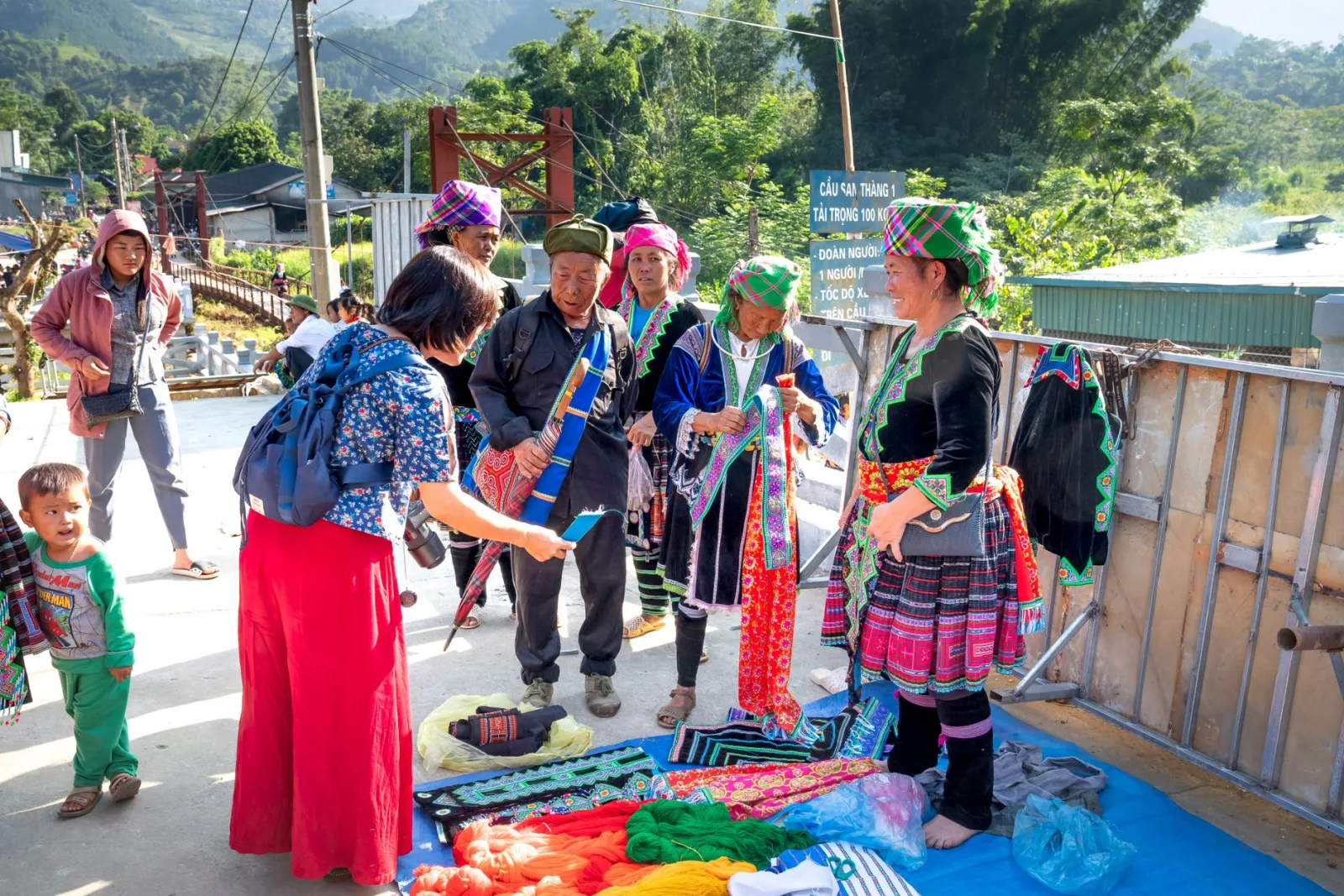
- Participate in community events: Check local calendars for festivals, markets, or workshops where you can interact with residents and learn about their way of life.
For instance, attending a traditional cooking class can provide insight into local culinary practices and allow you to make connections with your instructors and fellow participants.
3. Learn the Language
Even a basic understanding of the local language can significantly enhance your travel experience. Learning key phrases allows for better communication and demonstrates respect for the local culture. Start with greetings, thank you, and other everyday expressions. Apps like Duolingo or Babbel can be helpful. Remember:
- Pro tip: Even if your pronunciation isn’t perfect, locals appreciate your effort and may be more willing to engage with you.
4. Be Open-Minded and Adaptable
Travel can be unpredictable, and embracing cultural immersion often requires flexibility. You might find that local customs differ significantly from what you’re accustomed to, and that’s okay. Being open-minded allows you to see the beauty in differences. For example, if you’re invited to a local family dinner and the meal is unfamiliar, try to embrace it rather than shy away. It could lead to a memorable experience and deeper connections.
5. Explore Beyond Tourist Attractions
While iconic landmarks are often a significant part of travel, venturing off the beaten path can provide deeper insights into the local culture. Consider exploring:
- Neighborhoods: Walk through residential areas to observe daily life. You may discover interesting shops, local cafes, or community parks.
- Local markets: Visiting markets not only allows you to taste local foods but also gives you a glimpse into the daily routines and economic activities of the community.
For a practical example, a visit to the Mercado de La Merced in Mexico City can provide a sensory explosion of sights, sounds, and tastes, immersing you in the vibrant local culture.
6. Respect Cultural Differences
Respecting local customs is crucial for authentic travel experiences. This goes beyond dress codes to include understanding social etiquette, such as the importance of punctuality or the appropriate ways to greet someone. Important note:
- For example, in some cultures, direct eye contact may be seen as confrontational, while in others, it’s a sign of honesty.
Being observant and adaptable to these nuances can help you forge better connections with locals.
7. Reflect on Your Experiences
After immersing yourself in a culture, take time to reflect on your experiences. Consider keeping a travel journal where you jot down your thoughts, feelings, and insights. This practice not only helps you process your experiences but also enhances your understanding of cultural nuances. Ask yourself:
- What surprised you about the culture?
- How did your experiences shape your views on the world?
Reflection can also prepare you for future travels, helping you to engage even more deeply next time. For example, if you found joy in sharing meals with locals, you might seek similar experiences in your next destination.
Conclusion
Embracing cultural immersion requires effort, curiosity, and an open heart. By researching your destination, engaging with local communities, learning the language, being adaptable, and respecting cultural differences, you can create authentic travel experiences that enrich your life. Remember, the journey is not just about the places you visit, but the connections you make along the way. As you plan your next adventure, consider these tips to fully immerse yourself in the culture and leave with lasting memories. For additional travel tips, you might find it beneficial to read about creating a flexible travel plan or managing expectations through the emotional rollercoaster of travel.