





Understanding Cultural Empathy
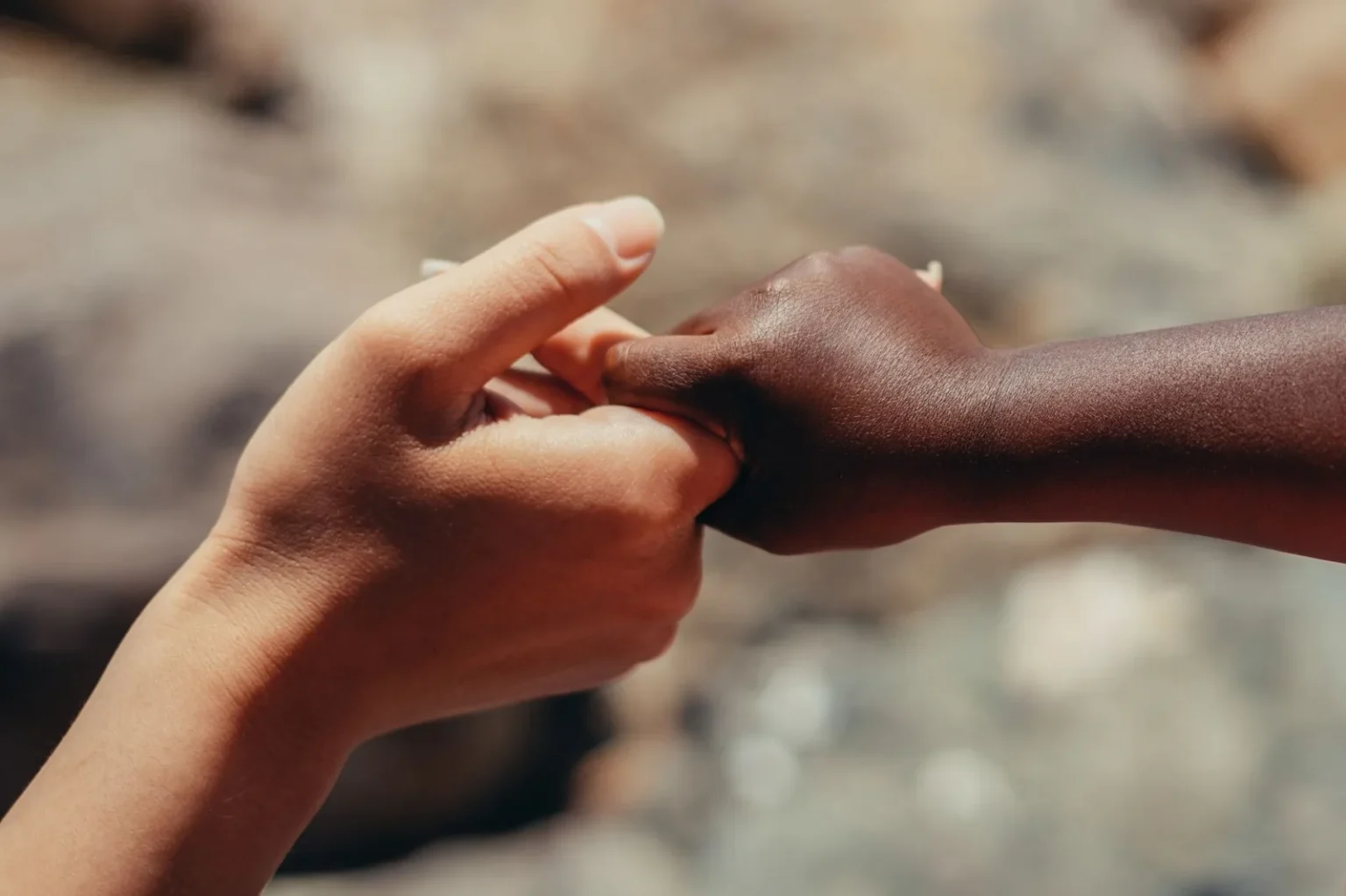
Cultural empathy refers to the ability to understand, appreciate, and share the feelings of individuals from different cultures. It goes beyond mere tolerance; it involves engaging with diverse perspectives and enriching your travel experience. By cultivating cultural empathy, you not only enhance your journey but also build authentic connections with local communities.
Why Cultural Empathy Matters in Travel
When you travel, you step into a world shaped by unique history, traditions, and values. Recognizing and respecting these differences fosters deeper connections. For example, learning about the local customs before visiting a country can prevent misunderstandings and show the community that you value their way of life. This builds trust and openness, enhancing your interactions.
Steps to Cultivate Cultural Empathy

1. Research Before You Go
Before embarking on your journey, take time to research the destination. Read about its history, culture, and social norms. Understanding the context helps you approach interactions with sensitivity. For instance, if you’re traveling to Italy, familiarize yourself with their culinary etiquette. Knowing that dining is a social experience can help you appreciate meals more deeply. Resources like Culinary Etiquette in Italy can offer valuable insights.
2. Learn Key Phrases
Language is a powerful tool for connection. Learning a few key phrases in the local language can demonstrate respect and willingness to engage. Simple greetings, thank you, or asking for directions in the local tongue can open doors to meaningful exchanges. For example, in Japan, saying “arigato” shows appreciation and respect, fostering goodwill.
3. Engage with Local Community Initiatives
Participating in community projects or local events can provide firsthand experiences of the culture. Seek out volunteer opportunities, workshops, or festivals that celebrate local traditions. For example, joining a local cooking class not only teaches you about the cuisine but also allows you to interact with residents, cultivating a shared experience that builds empathy.
4. Observe and Reflect
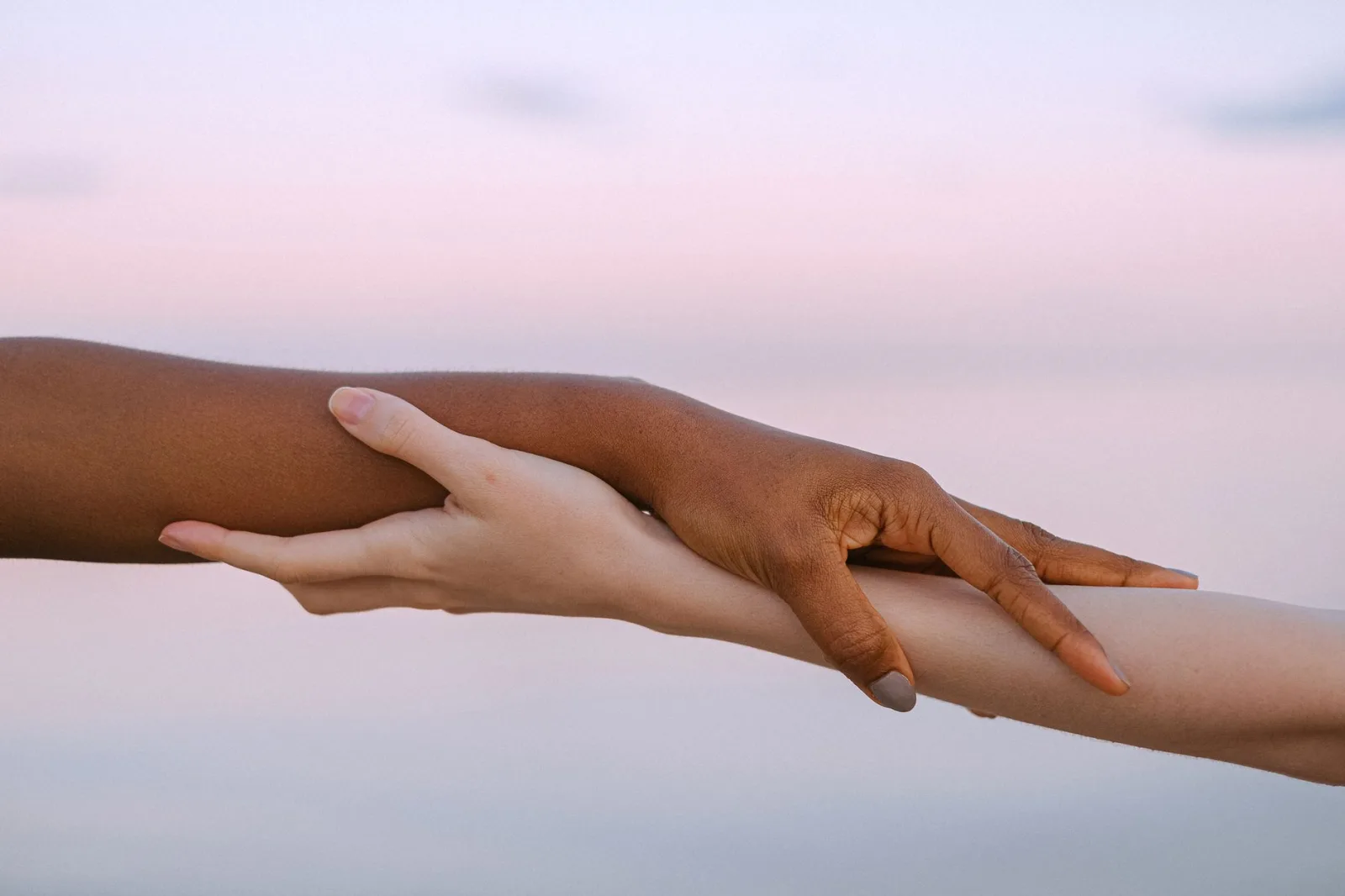
As you travel, take time to observe your surroundings. Pay attention to social interactions, customs, and the daily lives of locals. Reflect on how these experiences differ from your own. This observation can lead to deeper understanding. For instance, if you notice how families gather for meals in another culture, reflect on how that compares to your own family dynamics.
5. Share Stories and Listen
Once you feel comfortable, engage in conversations with locals. Ask about their lives, traditions, and perspectives. Actively listen and be open to learning. Sharing your own experiences fosters reciprocal understanding. This exchange can lead to enlightening conversations, allowing both parties to view the world from new angles.
6. Be Aware of Cultural Sensitivities
Every culture has its taboos and sensitivities. Being aware of these can prevent unintentional offense. For example, in some cultures, discussing money or personal matters might be considered rude. Prioritize understanding these norms so you can navigate conversations respectfully. Important note: When in doubt, observe what locals do and follow their lead.
7. Reflect After Your Trip
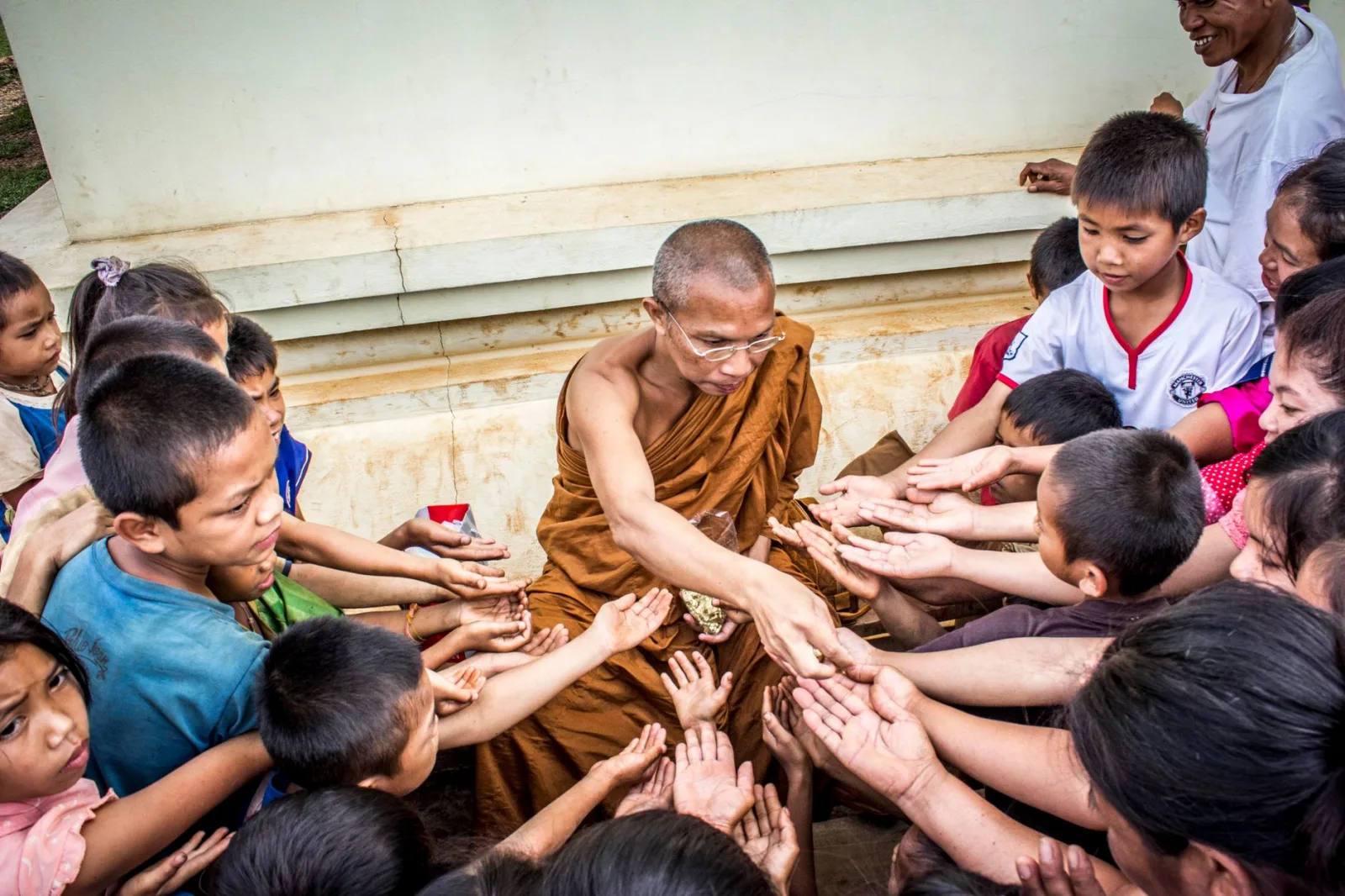
After returning home, take time to reflect on your experiences. Consider how they have impacted your views and understanding of different cultures. Writing in a travel journal can help solidify these insights. This reflection not only enhances your personal growth but also encourages you to continue cultivating empathy in future travels.
Common Mistakes to Avoid
When striving for cultural empathy, avoid these common pitfalls:
- Assuming Similarities: Just because you may share some values doesn’t mean you share all. Be open to differences.
- Overgeneralizing: Avoid stereotypes. Every individual is unique, and it’s essential to approach each person as such.
- Being Judgmental: Refrain from making judgments about local customs or practices. Instead, seek to understand their context.
Pro Tips for Enhanced Cultural Connections
Here are additional tips to enrich your travel experience:
- Travel Slowly: Taking your time allows for deeper connections and understanding. Consider reading about 10 Unexpected Benefits of Slow Travel.
- Document Your Experiences: Capture your journey through photos or notes that highlight cultural interactions.
- Stay with Locals: Opt for homestays or guesthouses rather than hotels. This can provide a more immersive experience.
Summary and Key Takeaways
Cultivating cultural empathy while traveling enriches your experience and fosters genuine connections with local communities. By researching, learning language basics, engaging with locals, and being observant, you can deepen your understanding of different cultures. Remember to reflect on your experiences afterward to continue this journey of empathy in your life. Through these efforts, your travels can become more than just visits; they can evolve into transformative experiences that bridge cultural gaps.