




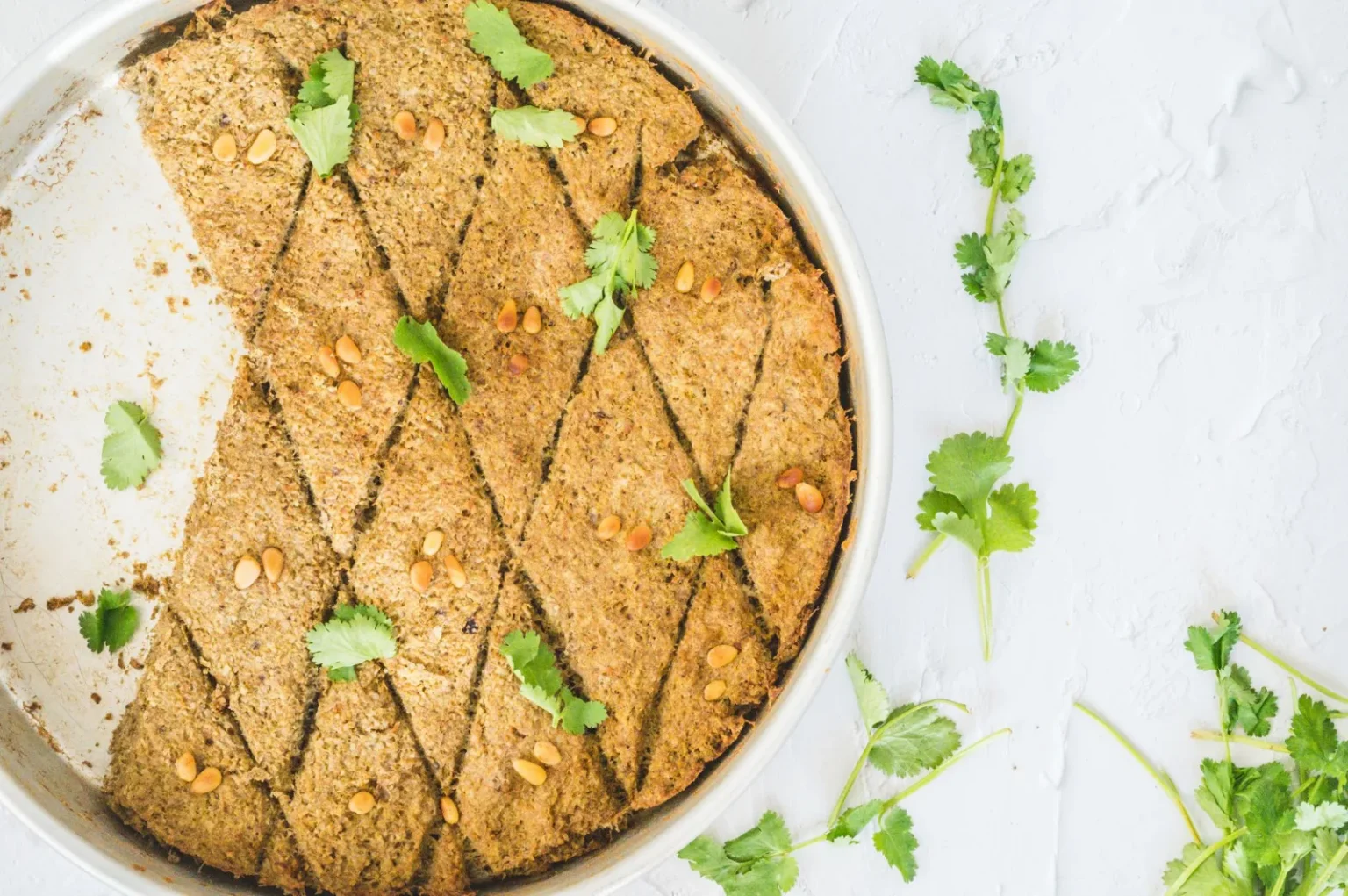

Understanding Egyptian Cuisine
Egyptian cuisine is a vibrant tapestry woven from centuries of culinary traditions. It reflects the country’s history, geography, and cultural influences, offering a unique blend of flavors and cooking techniques. To navigate this cuisine, you should start by recognizing its staples: grains like rice and wheat, legumes such as lentils and fava beans, and a variety of vegetables and meats. These ingredients form the backbone of many traditional dishes.
- Understanding Egyptian Cuisine
- The Importance of Family Recipes
- Exploring Common Culinary Traditions
- Step-by-Step: Cooking an Authentic Egyptian Dish
- Common Mistakes to Avoid
- Modern Twists on Traditional Recipes
- Where to Learn More About Family Recipes
- Conclusion: Embracing the Richness of Egyptian Cuisine
The Importance of Family Recipes
Family recipes hold a special place in Egyptian kitchens. They are often passed down through generations, preserving not just flavors but also family heritage. By learning these recipes, you connect with your family’s history and culture, making your culinary experience deeply personal. For instance, a dish like koshari, a mix of rice, lentils, and pasta topped with tomato sauce and crispy onions, is often prepared differently in each household, showcasing individual family traditions.

Exploring Common Culinary Traditions
Egyptian culinary traditions vary by region and community, influenced by local ingredients and lifestyles. For example, in coastal areas, seafood dishes like sayadeya (fish with rice) are common, while in Upper Egypt, you’ll find dishes featuring more robust flavors and spices. Understanding these regional differences can enhance your appreciation of Egyptian cuisine.
Step-by-Step: Cooking an Authentic Egyptian Dish
Let’s dive into a practical example. One of the most beloved family recipes is molokhia, a green soup made from jute leaves. Here’s how to make it:
- Ingredients: Gather fresh molokhia leaves, chicken or rabbit, garlic, coriander, and broth.
- Preparation: Clean and chop the molokhia leaves finely. Cook your chosen meat in broth until tender.
- Cooking the Soup: In a separate pan, sauté minced garlic and coriander in oil. Add the molokhia leaves and stir for a few minutes.
- Combine: Add the meat and broth to the molokhia mix, allowing it to simmer for about 10 minutes.
- Serve: Enjoy with rice and a squeeze of lemon. This dish is best shared, reflecting the communal aspect of Egyptian meals.
This dish exemplifies how simple ingredients can create a deeply flavored meal, rooted in tradition.

Common Mistakes to Avoid
When exploring Egyptian cuisine, you may encounter some pitfalls. A common mistake is underestimating the importance of spices. Egyptian dishes often rely on a balance of flavors. For instance, using too little garlic in molokhia can diminish its depth. Additionally, many new cooks may not allow enough time for dishes to simmer, resulting in less flavorful meals. Always give your dishes time to develop their flavors.
Modern Twists on Traditional Recipes
While traditional recipes hold value, many Egyptian cooks are now experimenting with modern twists. For instance, you might find koshari topped with avocado or served in a burrito style at contemporary eateries. Embracing these innovations while respecting traditional methods can lead to exciting culinary discoveries.
Where to Learn More About Family Recipes
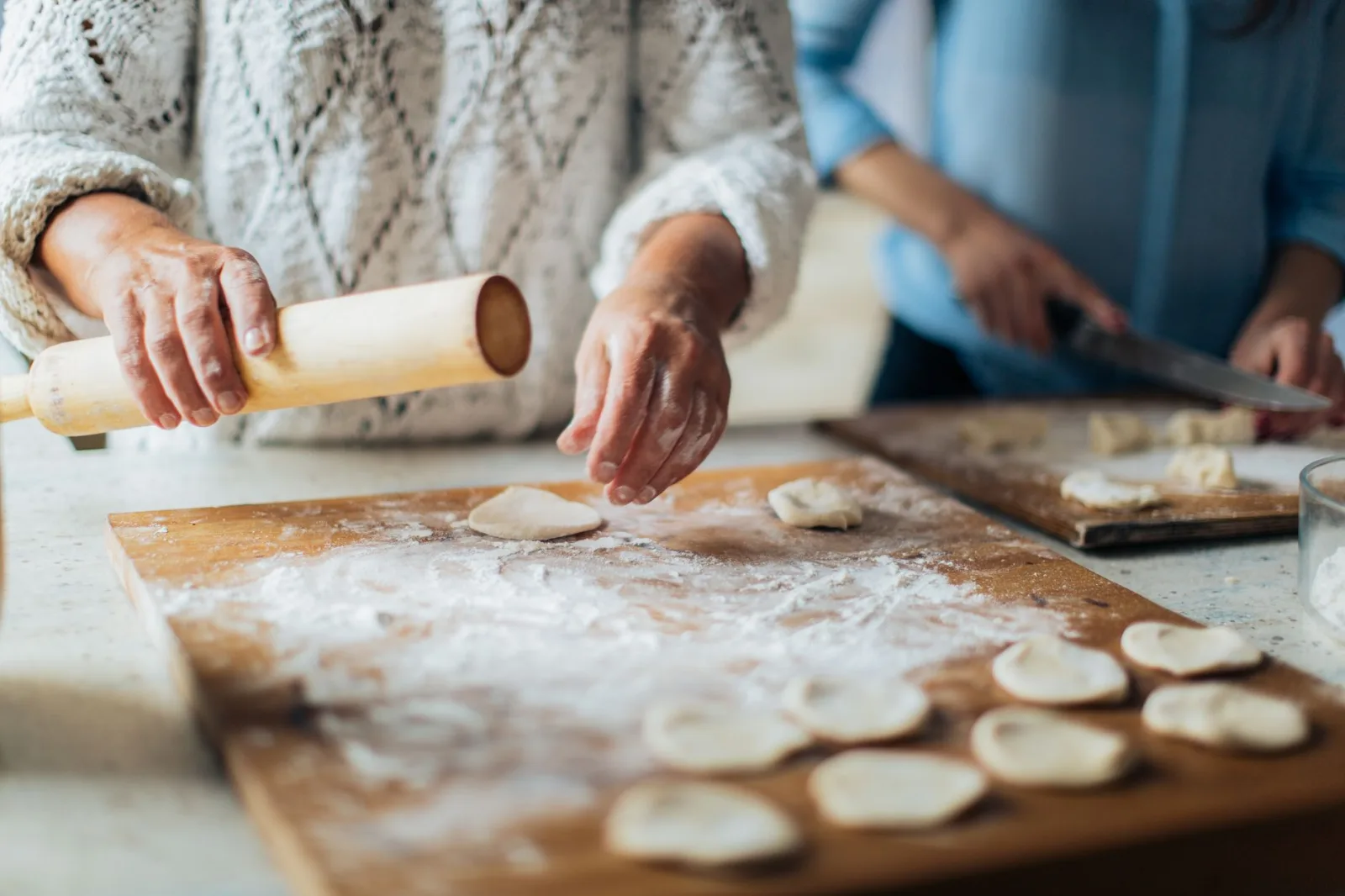
To further explore authentic family recipes, consider visiting local markets or joining a cooking class in Egypt. Engaging with local cooks can provide you with invaluable insights into cooking techniques and ingredient sourcing. Additionally, online resources and social media platforms are filled with home cooks sharing their family recipes, offering a modern cookbook approach.
Conclusion: Embracing the Richness of Egyptian Cuisine
Navigating Egypt’s culinary traditions is about more than just the food; it’s about understanding the stories and culture behind each dish. By exploring family recipes and regional specialties, you can deepen your connection to Egyptian cuisine. Remember, cooking is a journey—enjoy the process, learn from mistakes, and savor the flavors of this rich tradition. With every dish you prepare, you are not just cooking; you are preserving a piece of history.