






Understanding the Importance of a Personalized Travel Timeline
A personalized travel timeline serves as a roadmap for your journey, ensuring that your travel plans are tailored to your interests and preferences. This approach to travel planning not only enhances your experience but also minimizes the anxiety that often accompanies travel. By having a clear timeline, you can focus more on enjoying your adventure rather than worrying about logistics.
- Understanding the Importance of a Personalized Travel Timeline
- Step 1: Define Your Travel Goals
- Step 2: Choose Your Destination(s)
- Step 3: Determine the Duration of Your Trip
- Step 4: Map Out Your Itinerary
- Step 5: Budgeting Your Journey
- Step 6: Consider Local Insights and Etiquette
- Step 7: Prepare for the Unexpected
- Conclusion: Embrace Your Personalized Travel Timeline
Step 1: Define Your Travel Goals
Before diving into the details of your personalized travel timeline, take a moment to consider your travel goals. Ask yourself what you want to achieve during your trip. Are you looking to relax on a beach, immerse yourself in culture, or explore nature? Understanding your primary objectives will guide your planning process and help you prioritize activities. For instance, if cultural immersion is your goal, you might want to spend more time in local museums and galleries rather than tourist hotspots.

Step 2: Choose Your Destination(s)
Next, select your travel destination(s). This choice can significantly influence your itinerary. Research potential locations based on your travel goals. For example, if you’re seeking adventure, consider destinations like Costa Rica or New Zealand, which offer numerous outdoor activities. Alternatively, if you prefer a city experience, cities like Paris or Tokyo might be ideal. Create a shortlist of destinations and evaluate them based on factors such as climate, safety, and accessibility.
Step 3: Determine the Duration of Your Trip
Once you have your destination(s) in mind, decide how long you wish to travel. Consider both your available time and the optimal duration for your destination. For example, a week may suffice for a city trip, but a multi-destination journey may require two weeks or more. A common mistake is underestimating travel time between locations, especially if you’re visiting multiple cities or countries. Aim for a balanced itinerary that allows for both exploration and downtime.

Step 4: Map Out Your Itinerary
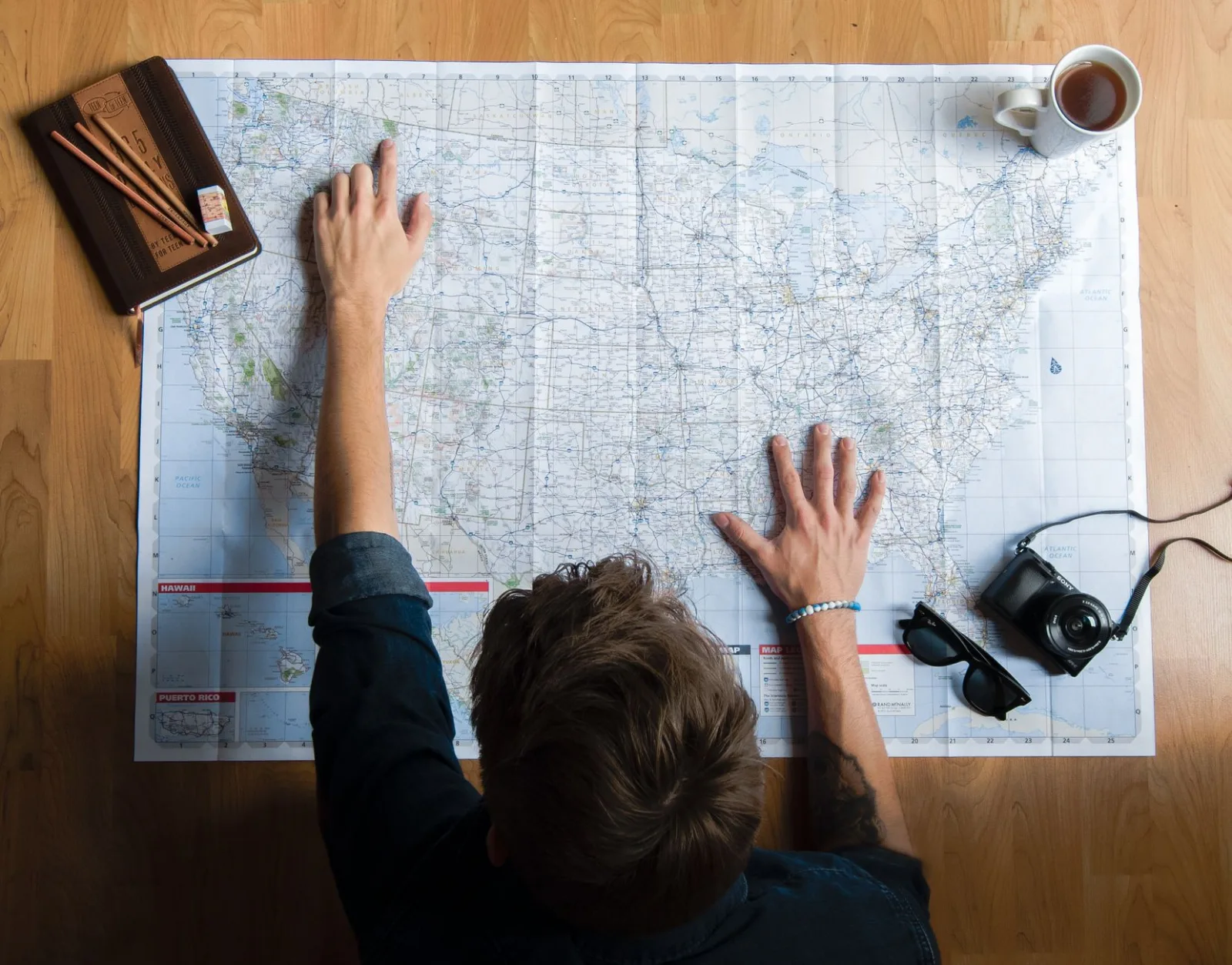
With your destination and duration settled, it’s time to create a detailed itinerary. Start by listing must-see attractions, experiences, and activities at each location. Use a spreadsheet or digital planning tool to organize this information chronologically. Be sure to include travel times between activities and leave space for spontaneous adventures. For instance, if you’re visiting Rome, include iconic sites like the Colosseum and the Vatican, but also allow for leisurely strolls through charming neighborhoods.
Step 5: Budgeting Your Journey
Beneath every great travel plan lies a budget. Estimate the costs associated with your trip, including accommodations, transportation, meals, and activities. Organizing your budget early on can help prevent overspending and ensure you allocate funds to experiences that matter most to you. For example, if you plan to dine at fine restaurants, you may want to save on accommodations. Tools like budgeting apps can simplify this process, allowing you to track expenses in real-time.
Step 6: Consider Local Insights and Etiquette
Research local customs and etiquette to enrich your travel experience and show respect to the cultures you encounter. Understanding basic phrases in the local language can enhance interactions with residents. Additionally, familiarize yourself with local transportation options, which can provide authentic experiences and save money. If you’re traveling to a place like Japan, for instance, learning about local train systems can empower you to navigate the country efficiently. For further insights, check out our guide on navigating local etiquette.
Step 7: Prepare for the Unexpected
No travel plan is complete without a strategy for handling unexpected situations. Weather changes, transportation delays, or sudden illnesses can disrupt even the best-laid plans. To mitigate stress, consider purchasing travel insurance and familiarize yourself with emergency contacts in the area. Additionally, have a backup plan for each day of your itinerary. For instance, if you planned a beach day but rain is forecasted, have an alternative indoor activity ready. For more tips on handling mishaps, refer to our article on preparing for unexpected travel mishaps.
Conclusion: Embrace Your Personalized Travel Timeline
Creating a personalized travel timeline is a rewarding process that can lead to unforgettable experiences. By defining your travel goals, selecting your destinations, and budgeting wisely, you set the stage for a fulfilling journey. Remember, the best plans allow for flexibility and spontaneity. While a timeline provides structure, the joy of travel often comes from the unexpected moments that arise along the way. With your personalized travel timeline in hand, you are well-equipped to embark on your ideal journey. Happy travels!