





Understanding Cairo’s Craft Heritage
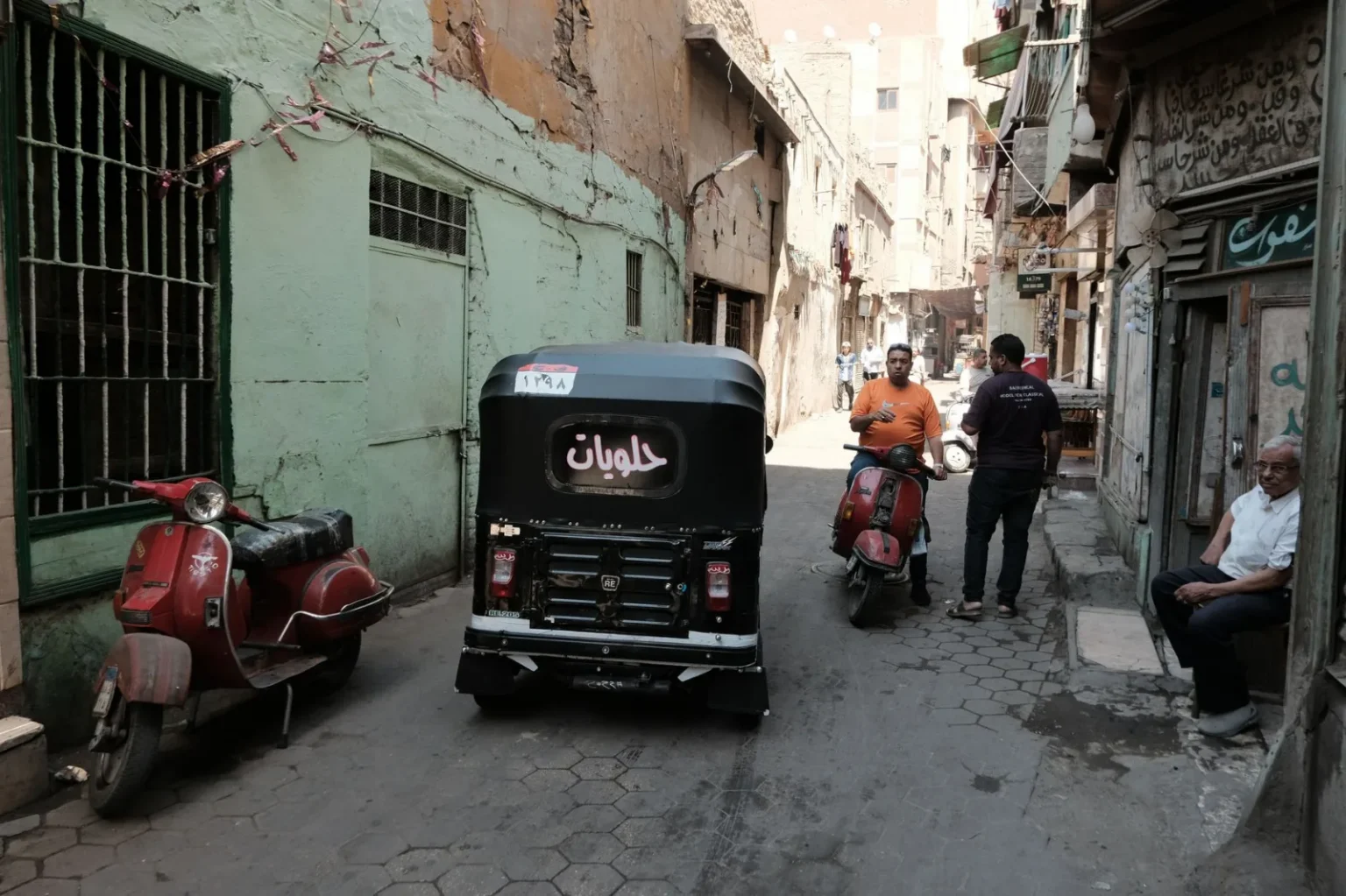
Cairo’s rich history is often overshadowed by its monumental attractions like the Pyramids and the Sphinx. However, hidden within its bustling streets is a vibrant tapestry of traditional crafts that reflect local heritage. These crafts are not merely artistic expressions; they symbolize the resilience and creativity of local women who have preserved these skills through generations.
- Understanding Cairo’s Craft Heritage
- The Role of Women in Traditional Crafts
- Popular Traditional Crafts by Local Women
- Stories of Resilience: Artisan Profiles
- Connecting with Artisans
- Challenges Faced by Local Women Artisans
- The Importance of Cultural Preservation
- Conclusion: Embracing Cairo’s Craft Heritage
The Role of Women in Traditional Crafts
In Cairo, local women play a pivotal role in the world of traditional crafts. They are often the keepers of ancient techniques, passed down from mothers to daughters. For instance, weaving, pottery, and embroidery are crafts that women have mastered over centuries. Understanding their contributions helps you appreciate the cultural richness of Cairo beyond its tourist spots.
Popular Traditional Crafts by Local Women
Let’s explore some traditional crafts that local women in Cairo excel in:
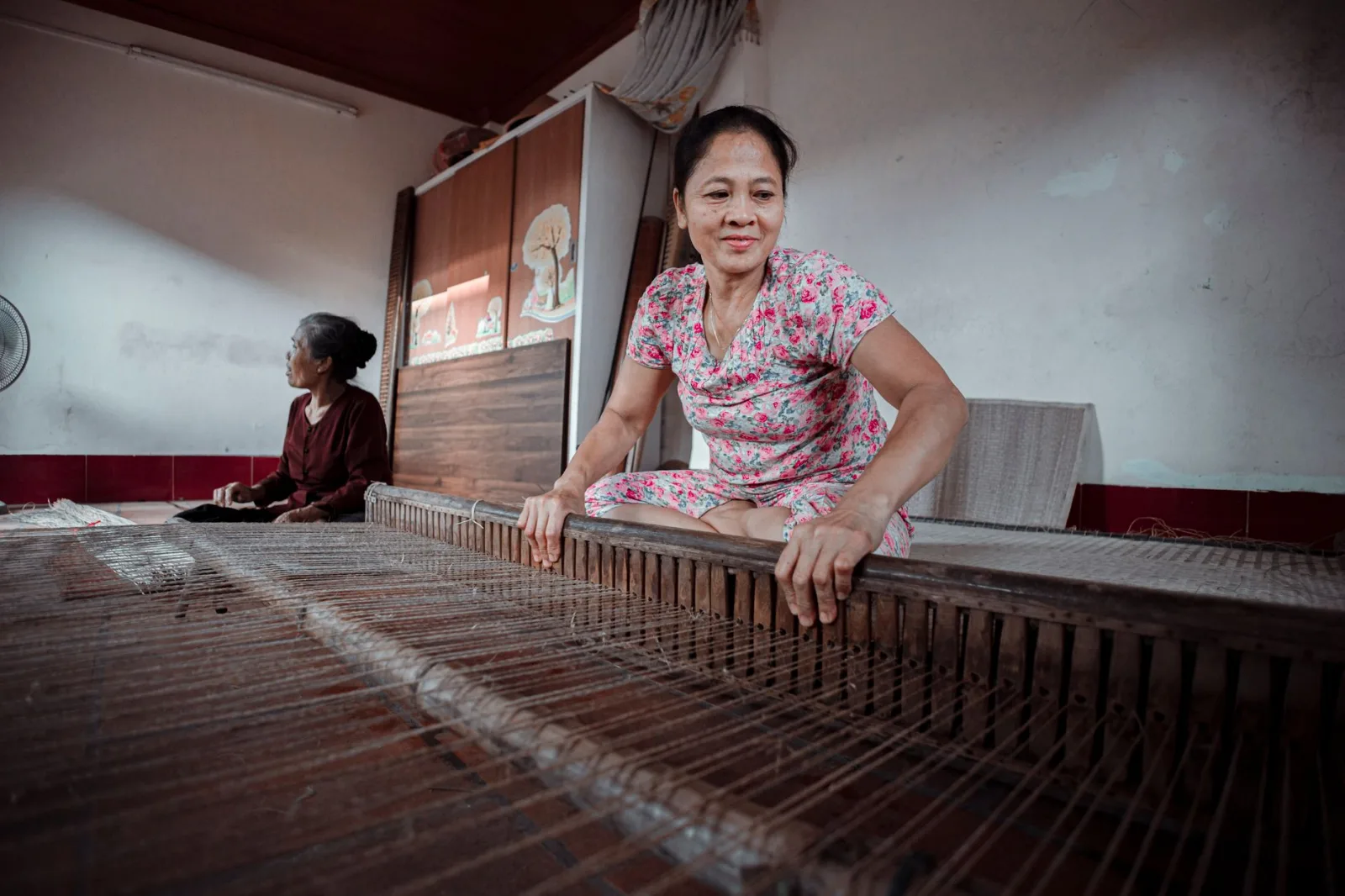
- Weaving: Women in rural areas often weave intricate carpets and textiles. The patterns tell stories of their heritage, using colors and designs unique to their communities.
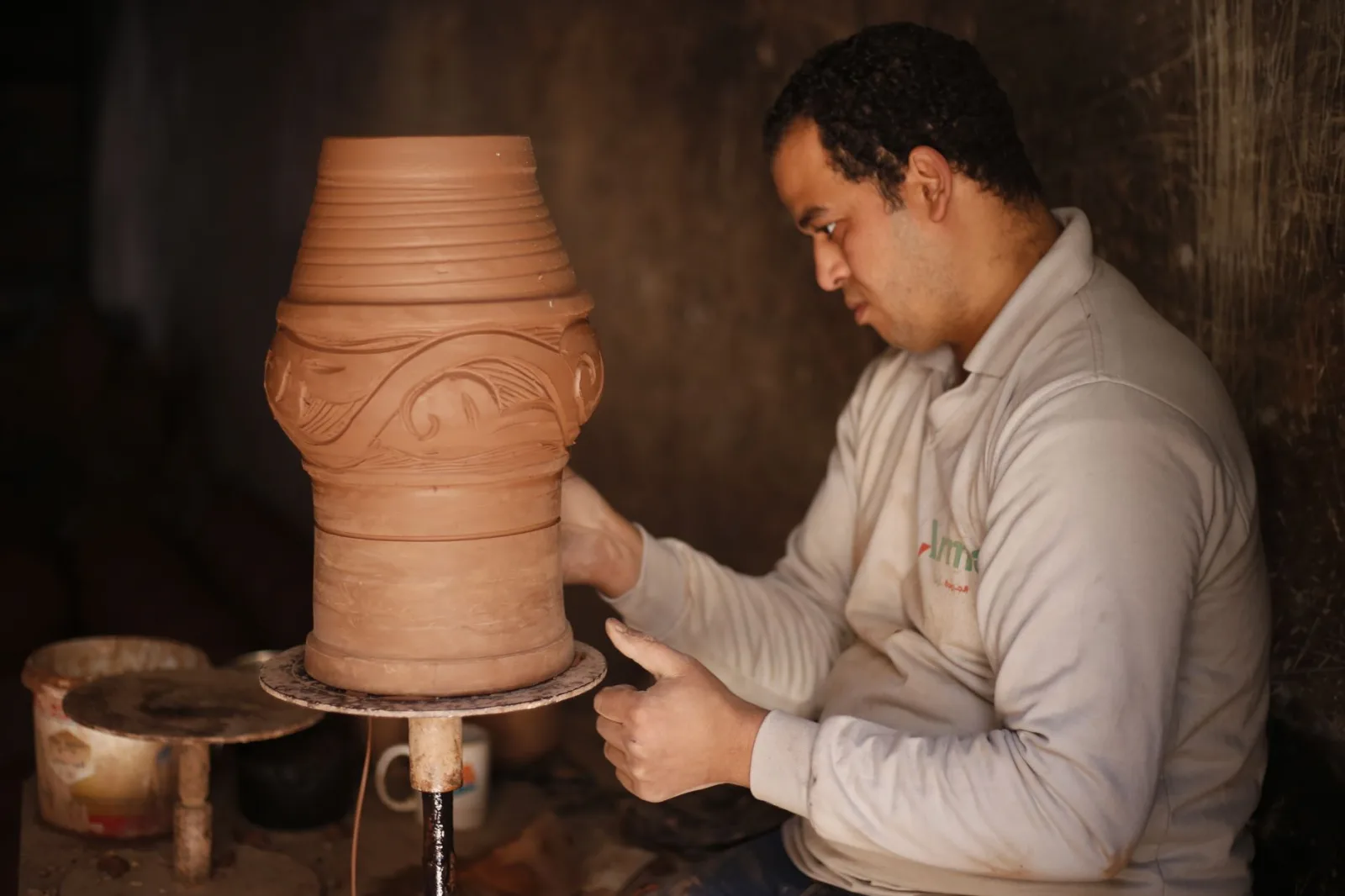
- Pottery: Local women create beautiful pottery, often using techniques that date back thousands of years. Clay is molded into functional and decorative items, showcasing both skill and artistry.
- Embroidery: Hand-stitched embroidery is a hallmark of Cairo’s traditional garments. Women use vibrant threads to create intricate designs that reflect local culture and identity.
Stories of Resilience: Artisan Profiles
Each craftsperson has a story that adds depth to their work. For example, consider Fatima, a skilled weaver from the outskirts of Cairo. After losing her husband, she turned to weaving as a means to support her family. Her carpets, infused with traditional motifs, not only provide income but also keep her heritage alive. Listening to stories like Fatima’s can inspire you to appreciate the emotional and cultural significance behind each crafted item.
Connecting with Artisans
If you’re interested in experiencing these crafts firsthand, consider visiting local markets or workshops. Here’s how you can connect with these artisans:
- Visit Craft Markets: Places like Khan El Khalili are bustling with local artisans. Engage them in conversation to learn about their crafts and the stories behind them.
- Participate in Workshops: Many artisans offer workshops where you can learn techniques. This hands-on experience not only deepens your appreciation but also supports their livelihoods.
- Support Local Initiatives: Seek out organizations that promote local crafts, as they often have programs designed to empower women artisans.
Challenges Faced by Local Women Artisans
While the contributions of local women in traditional crafts are invaluable, they often face significant challenges. Many struggle with access to markets, funding, and fair wages. Additionally, the lack of recognition and support can hinder the continuation of their craft. Understanding these obstacles can help you become a more informed consumer, encouraging sustainable practices and fair trade.
The Importance of Cultural Preservation
Preserving traditional crafts is crucial not only for cultural identity but also for community cohesion. These crafts serve as a connection to the past, allowing future generations to understand their heritage. Participating in and supporting these crafts can have a positive impact on the local economy and help sustain these traditions. You can contribute by purchasing handmade items or sharing their stories with others.
Conclusion: Embracing Cairo’s Craft Heritage
Exploring the stories of local women in traditional crafts reveals a side of Cairo that is often overlooked. Their resilience and creativity enrich the cultural landscape of the city. By engaging with these artisans, you not only gain insight into their lives but also contribute to the preservation of their heritage. The next time you visit Cairo, take a moment to appreciate the intricate crafts and the women behind them. Remember, supporting local artisans helps ensure that these traditions continue to thrive for generations to come.