When you engage in slow travel, you allow yourself the opportunity to form genuine connections with the local culture. Instead of hopping from one tourist spot to another, you can immerse yourself in the local way of life. For example, staying in a family-run bed and breakfast instead of a large hotel can lead to meaningful interactions with hosts and other travelers. You might learn about local customs, participate in family meals, or even join community events.
Fast-paced travel often leads to exhaustion and stress. The pressure to see everything can be overwhelming. By adopting a slow travel mindset, you can reduce this stress significantly. Allow yourself to take breaks, enjoy leisurely meals, and simply soak in your surroundings. You may find that returning home from a trip feels more refreshing rather than draining. For instance, instead of rushing through a city in a day, spend a week exploring at a relaxed pace, giving yourself time to recharge.
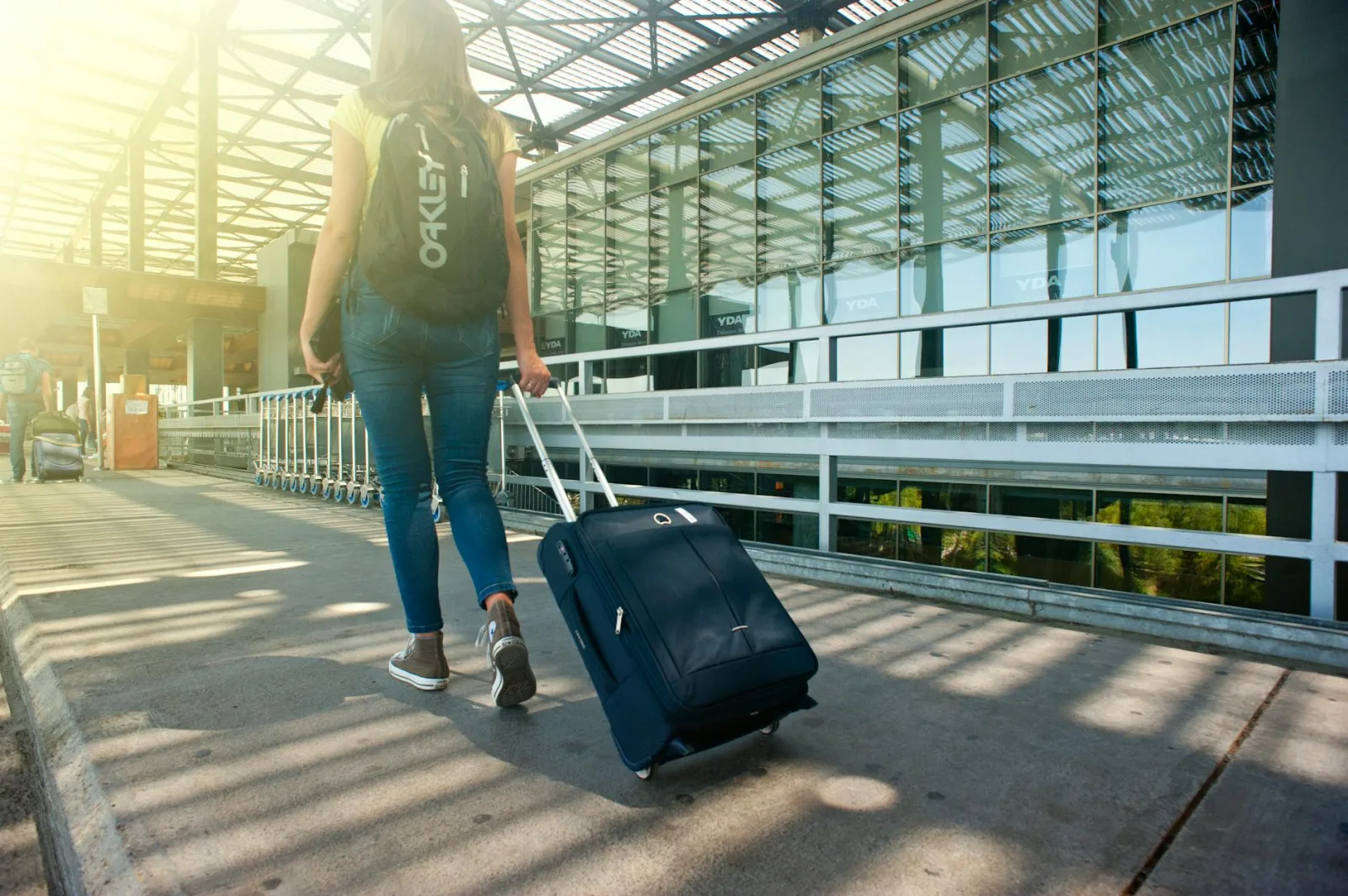
📷 Vi Nguyen – Pexels
3. Enhanced Mindfulness
Mindful travel, which is at the heart of slow travel, encourages you to be present in each moment. This practice can lead to a greater appreciation of your surroundings. Instead of capturing the perfect photo for social media, focus on the sights, sounds, and smells of a new place. Take a moment to sit in a park and observe the daily life around you. This mindfulness can lead to a more fulfilling travel experience, as you’re more likely to remember the details that truly matter.
4. Opportunities for Personal Growth
Traveling slowly often means facing unexpected challenges, which can foster personal growth. When plans change, or language barriers arise, you learn to adapt and think creatively. For example, getting lost in a new city might lead you to discover a hidden gem you might not have otherwise seen. These experiences can build resilience and enhance your problem-solving skills, contributing to your overall development.
5. Financial Savings
While it may seem counterintuitive, slow travel can be more economical in the long run. By staying in one place longer, you can often negotiate better rates for accommodations and explore local markets for meals, which can be cheaper than dining out constantly. Additionally, you might find that slower forms of transportation, like biking or public transit, are more cost-effective than frequent flights or car rentals. This approach encourages you to budget wisely and make more thoughtful spending choices.
📷 Mikael Blomkvist – Pexels
6. Sustainability and Environmental Benefits
Slow travel is inherently more sustainable than its fast-paced counterpart. By reducing the frequency of flights and utilizing local transport options, you can minimize your carbon footprint. Additionally, staying longer in a single location allows you to support local economies and businesses rather than contributing to the mass tourism industry. For instance, buying produce from local farmers’ markets instead of large grocery stores can positively impact the community and environment.
7. Building Lasting Friendships
When you travel slowly, you have more time to meet and connect with fellow travelers and locals. Shared experiences, such as cooking classes or hiking tours, can lead to lasting friendships. You might find that the people you meet on your journey become friends for life, enriching your travel experience further. This sense of community can be particularly strong in hostels or communal accommodations where interaction is encouraged.
📷 Atlantic Ambience – Pexels
8. Better Health and Well-Being
Slow travel can contribute to better mental and physical health. The reduced pace allows for more time to relax, exercise, and engage in self-care. Activities like walking or hiking become more enjoyable when you’re not rushed. Additionally, spending more time outdoors can enhance your overall well-being. For instance, taking daily walks through a picturesque village can improve your mood and energy levels.
9. Unique Travel Experiences
By slowing down, you open yourself up to experiences that you might miss in a hurried itinerary. You might stumble upon a local festival, discover an art class, or find a charming café where you can spend an afternoon reading. These unique moments often become the highlights of your trip, creating memories that last a lifetime. For example, attending a local cooking workshop can provide insight into the culinary culture that you wouldn’t gain from a restaurant.
10. A New Perspective on Travel
Lastly, embracing slow travel can transform your overall perspective on traveling. Instead of viewing travel as a checklist of places to see, it becomes an opportunity to explore, connect, and grow. You might find that you appreciate the journey as much as the destination. This shift in mindset can lead to more enriching experiences, allowing you to discover the beauty in simplicity.
Conclusion: Embracing Slow Travel
In summary, slow travel offers a multitude of unexpected benefits, from deeper cultural connections to personal growth and sustainability. By allowing yourself the time to savor each destination, you not only enhance your travel experiences but also contribute positively to the local communities you visit. So next time you plan a trip, consider embracing a slower pace. Important note: You don’t need an extended vacation to enjoy these benefits. Even a weekend getaway can be approached with a slow travel mindset, focusing on quality over quantity.