





Understanding Cairo’s Culinary Heritage
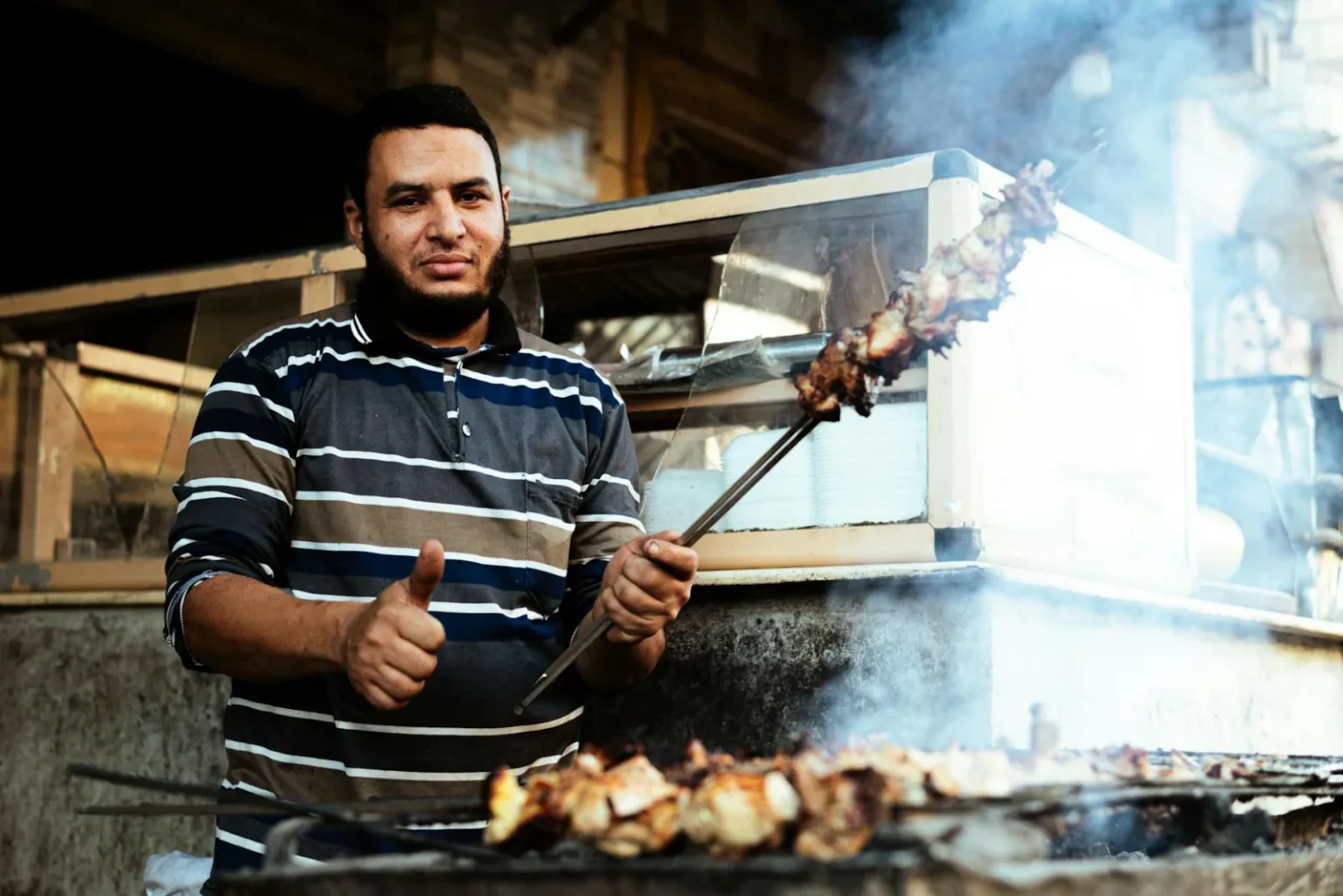
Cairo’s culinary heritage is a vibrant tapestry woven from its rich history, diverse cultures, and the daily lives of its people. This heritage reflects the influences of various civilizations, including the Pharaonic, Roman, and Ottoman eras, and is characterized by a blend of flavors, spices, and cooking techniques. The city’s food scene is not merely about sustenance; it’s an intimate expression of tradition, family values, and communal bonds.
- Understanding Cairo’s Culinary Heritage
- The Importance of Traditional Family Recipes
- Step 1: Exploring Local Food Experiences
- Step 2: Visiting Local Markets
- Step 3: Cooking with Local Families
- Common Traditional Dishes to Try
- Important Tips for Enjoying Cairo’s Culinary Heritage
- Conclusion: A Culinary Journey Worth Taking
The Importance of Traditional Family Recipes
Traditional family recipes play a crucial role in preserving Cairo’s culinary heritage. These recipes, often passed down through generations, hold the stories and memories of families, serving as a link to the past. By preparing these dishes, you are not just cooking; you are participating in a cultural ritual that fosters connection and continuity. For instance, a typical family might gather around a table for a meal of koshari, a beloved Egyptian dish made from rice, lentils, and pasta, topped with a spicy tomato sauce.
Step 1: Exploring Local Food Experiences
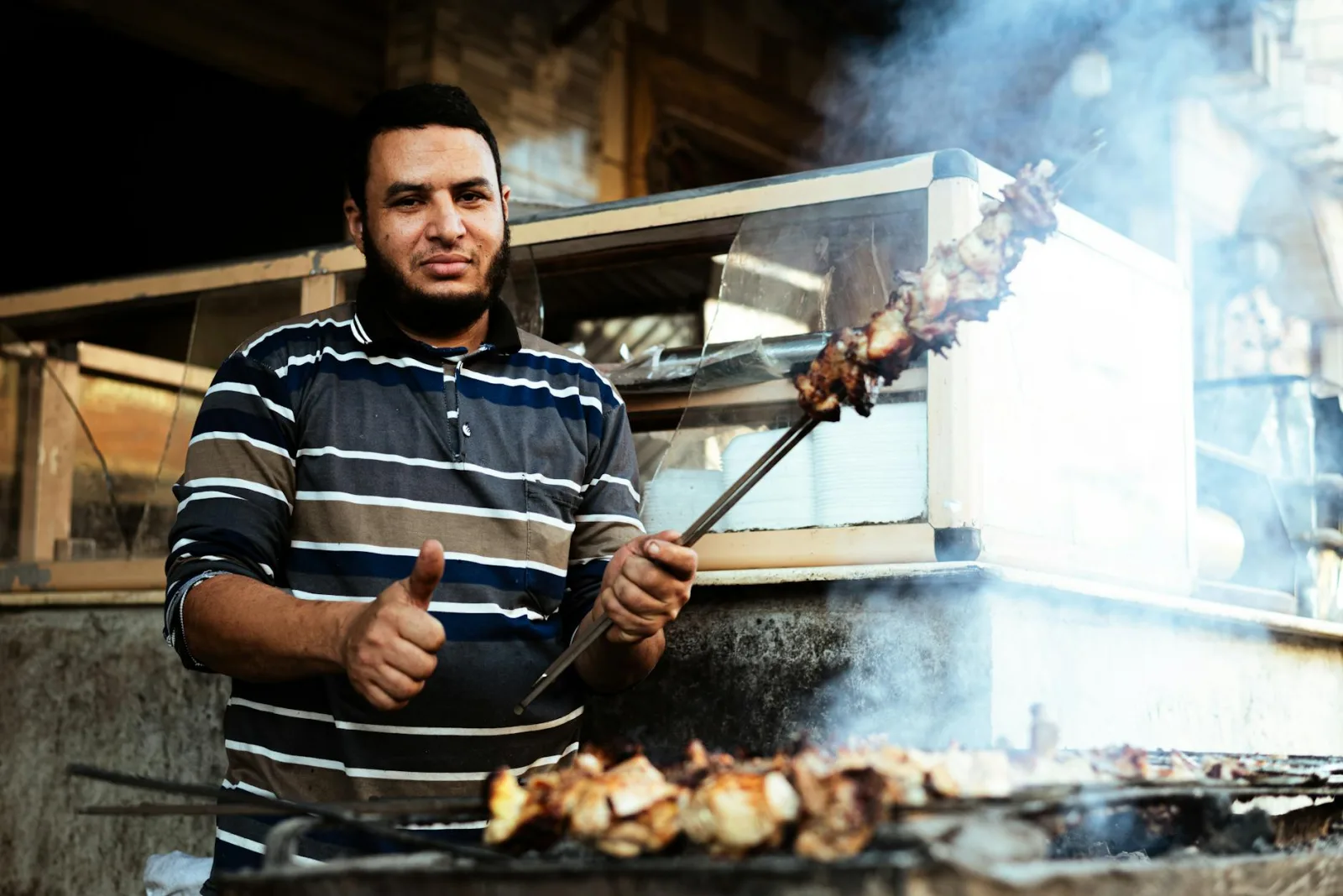
To truly understand Cairo’s culinary heritage, you should immerse yourself in local food experiences. Start by visiting street vendors and small eateries where locals dine. Here’s how to approach this:
- Seek Recommendations: Ask locals for their favorite spots to eat. Places like Abou Tarek for koshari or El Fishawy for traditional tea are often mentioned.
- Try New Dishes: Be adventurous! Sample dishes like molokhia (a leafy green stew) or fatta (a rice and bread dish with meat) to experience the range of flavors.
- Engage with Sellers: Talk to vendors about their dishes. Many are happy to share their personal stories or the history behind their recipes.
Step 2: Visiting Local Markets
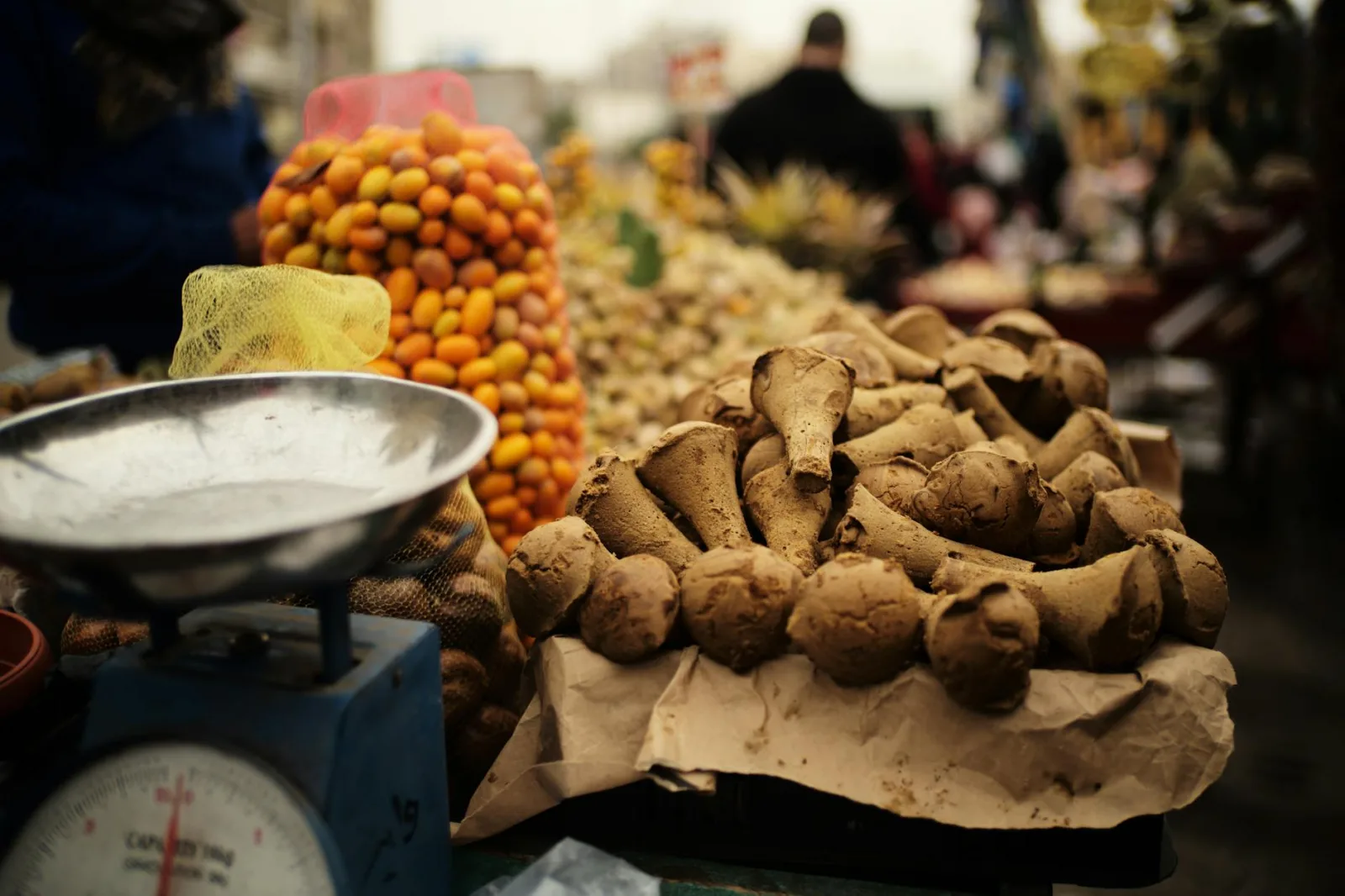
Markets are the heart of Cairo’s culinary scene. They are teeming with fresh ingredients and unique spices that are essential for traditional cooking. Here’s how to make the most of your market visits:
- Understand the Ingredients: Familiarize yourself with local spices such as cumin, coriander, and sumac. Each has its distinct flavor and is a staple in many dishes.
- Buy Fresh Produce: Opt for seasonal fruits and vegetables. Not only do they taste better, but they are also an integral part of many traditional recipes.
- Learn to Bargain: Bargaining is a common practice in Egyptian markets. Approach it with a friendly attitude, and you’ll likely enjoy the experience.

Step 3: Cooking with Local Families
One of the most enriching ways to delve into Cairo’s culinary heritage is by cooking with local families. This experience provides deeper insights into the preparation and significance of traditional dishes:
- Find Cooking Classes: Look for classes that focus on traditional recipes. These are often hosted by local families keen to share their culinary skills.
- Participate Actively: Don’t be shy. Get involved in the cooking process, from chopping vegetables to stirring pots. This hands-on experience is invaluable.
- Ask Questions: Inquire about the origins and variations of each dish. Understanding the ‘why’ behind a recipe enhances your appreciation.
Common Traditional Dishes to Try
As you journey through Cairo’s culinary landscape, you’ll encounter a variety of traditional dishes worth savoring:
- Koshari: A filling dish made of rice, lentils, pasta, and topped with a spicy tomato sauce and crispy onions.
- Fattah: This celebratory dish features layers of rice and bread topped with meat and a garlic-vinegar sauce, often served during special occasions.
- Mahshi: Vegetables like zucchini and eggplant stuffed with a mixture of rice, herbs, and spices, often served with a side of tomato sauce.
- Om Ali: A delightful Egyptian dessert, similar to bread pudding, made with puff pastry, milk, and nuts.
Important Tips for Enjoying Cairo’s Culinary Heritage
To maximize your experience as you explore Cairo’s culinary heritage, keep these tips in mind:
- Be Open-Minded: You may encounter flavors and combinations that are unfamiliar. Allow yourself to embrace new tastes.
- Practice Cultural Sensitivity: Food plays a significant role in Egyptian culture. Be respectful of local customs and practices, especially during meals.
- Stay Hydrated: The heat in Cairo can be intense. Drink plenty of water, especially if you’re sampling spicy foods.
Conclusion: A Culinary Journey Worth Taking
Exploring Cairo’s culinary heritage through traditional family recipes offers a unique lens into the city’s culture and community. By engaging with locals, visiting markets, and participating in cooking experiences, you not only gain culinary skills but also create lasting memories. Every meal becomes a story, a bridge connecting you to the rich tapestry of Egyptian history. As you savor each dish, remember that you are partaking in a tradition that is much larger than yourself.