





Understanding Cairo’s Tea Culture
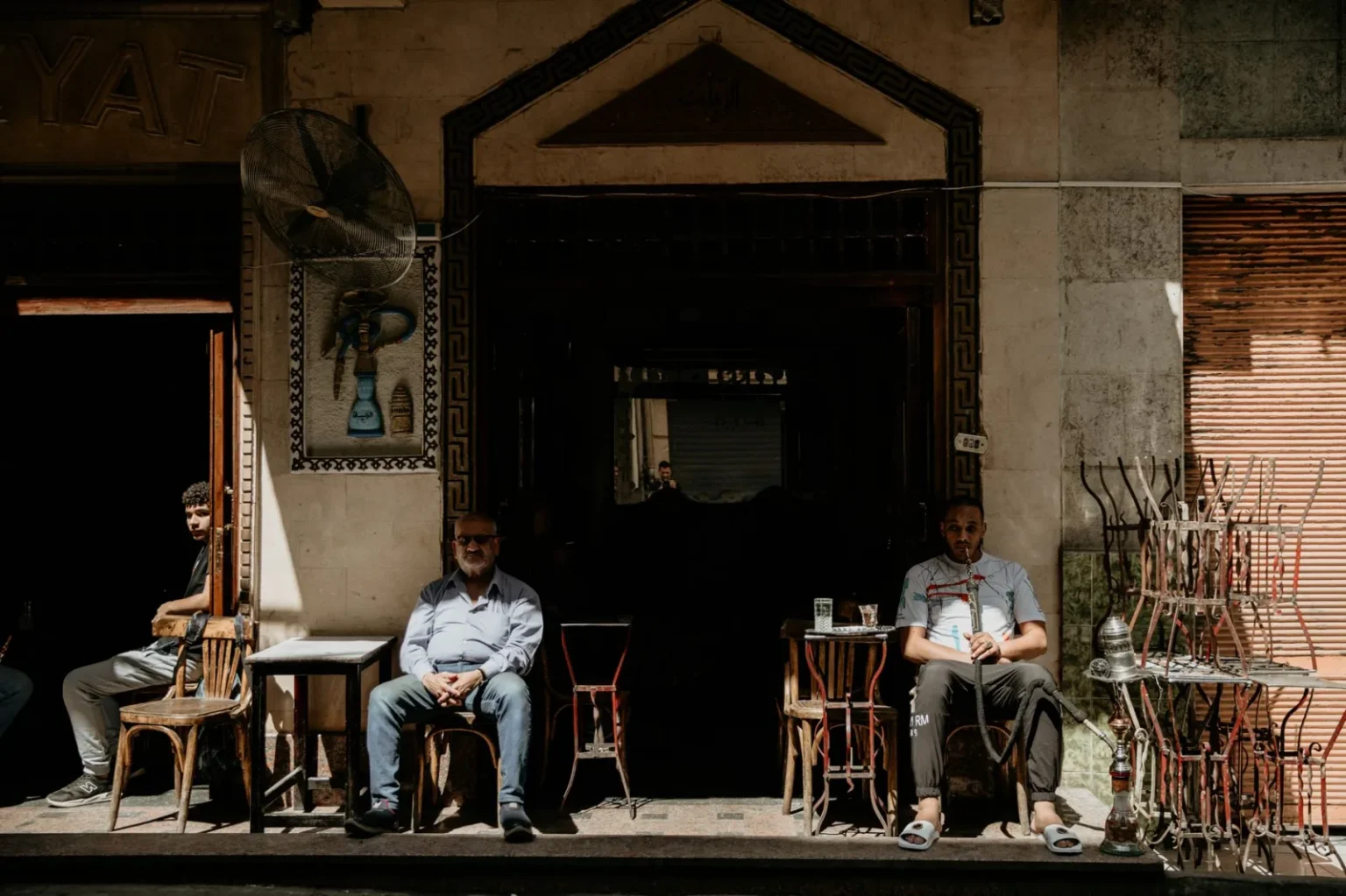
Cairo’s tea culture is a vibrant tapestry woven into the fabric of daily life. While many people associate Egypt with coffee, tea holds a special place in the hearts of locals. In fact, tea is more than just a beverage; it’s a conduit for social interaction and cultural exchange. You’ll find tea being served in homes, at gatherings, and especially in the city’s traditional tea houses, known as ‘ahwas.’
The Role of Traditional Tea Houses
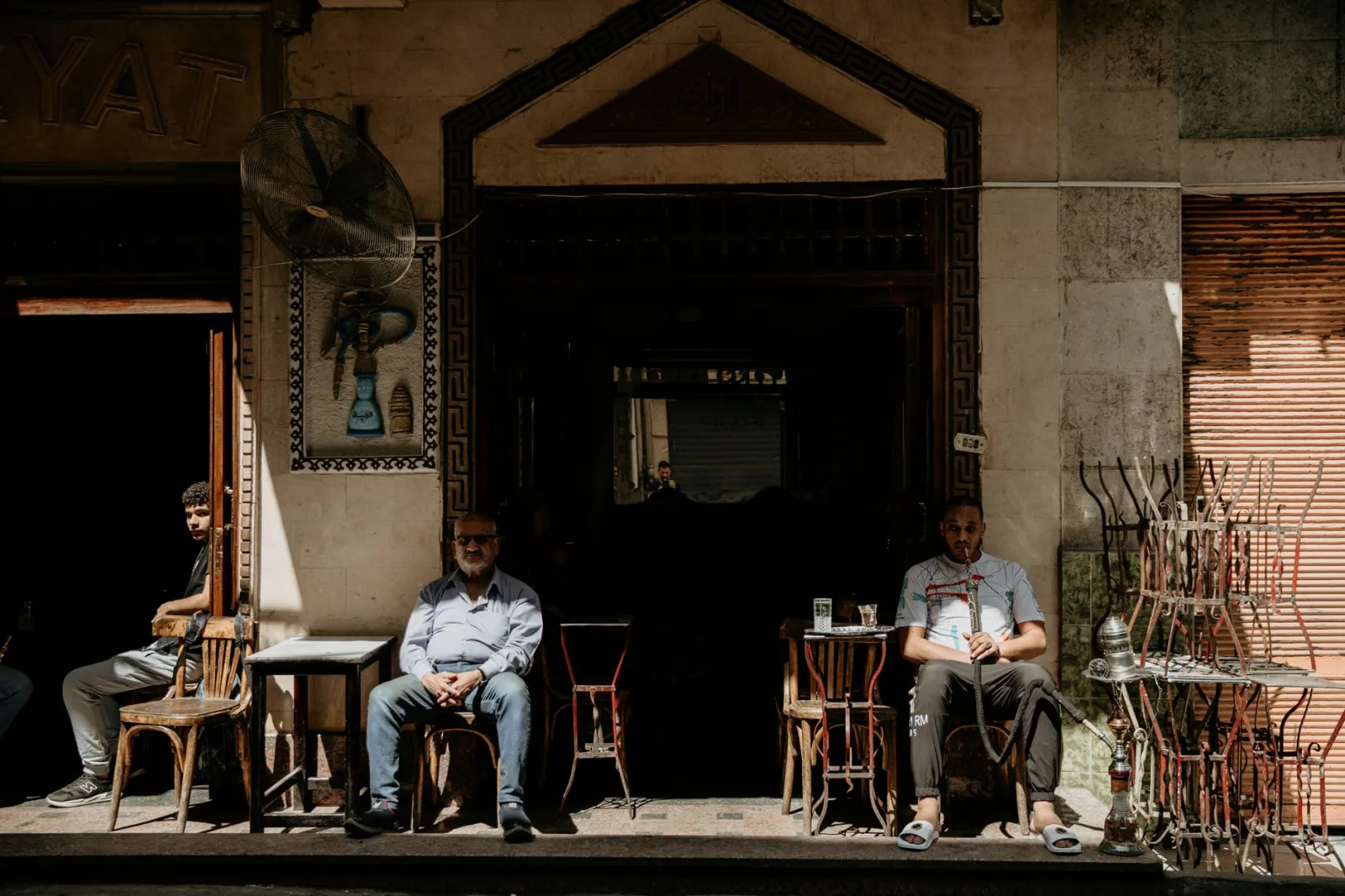
Traditional tea houses play a crucial role in Cairo’s tea culture. These establishments are not merely places to sip tea; they are social hubs where people gather to converse, play games, and share stories. They often feature low seating and are adorned with intricate decorations, offering a cozy atmosphere that invites relaxation. The ambiance allows you to immerse yourself in local life, making it an essential experience for any traveler.
1. Choosing the Right Tea House
When selecting a tea house, consider the following:
- Location: Some of the most authentic experiences can be found in neighborhoods like Islamic Cairo and Zamalek.
- Popularity: Look for places bustling with locals; this often indicates quality and authenticity.
- Ambiance: Each tea house has its unique charm. Spend time observing the environment and choose one that resonates with you.
For example, if you visit El Fishawy in Khan El Khalili, you’ll find a historic tea house that has been serving customers for over 200 years. Its rich history and vibrant atmosphere make it a must-visit.
2. Understanding the Tea Selection
Once you’ve found a tea house, familiarize yourself with the types of tea typically served. The most common tea in Cairo is black tea, often brewed with fresh mint or served with sugar. However, there are variations worth exploring:
- Mint Tea: A refreshing blend of traditional black tea and fresh mint leaves, often enjoyed in the afternoon.
- Chai: A spiced tea, sometimes infused with cardamom or cinnamon, offering a rich flavor profile.
- Herbal Infusions: Various herbal teas, such as hibiscus or chamomile, provide a caffeine-free alternative.
Pro tip: Don’t hesitate to ask the server for recommendations based on your taste preferences or any specialty brews they might offer.
Experiencing Egyptian Tea Culture
To truly appreciate Cairo’s tea culture, immerse yourself in local customs surrounding tea drinking. Tea is typically served in small glasses, allowing you to savor the flavors. Additionally, the act of drinking tea is often accompanied by social interactions, such as storytelling or playing backgammon. Here are steps to enhance your experience:
3. Engage with the Locals
One of the most rewarding aspects of visiting a traditional tea house is engaging with locals. Initiating a conversation can lead to fascinating stories about their lives, culture, and even the history of the tea house itself. Here’s how to do it:
- Smile: A warm smile can break the ice and make locals feel comfortable.
- Ask Questions: Inquire about their favorite teas or local customs. This shows genuine interest and often leads to deeper conversations.
- Share: Don’t hesitate to share your own stories. This reciprocal exchange enriches the experience for both parties.
4. Participate in Tea Preparations
Some tea houses invite guests to participate in the tea-making process. This is a unique opportunity to learn how to brew traditional Egyptian tea. You might start by:
- Selecting the Tea: Choose your preferred type of tea from the menu.
- Brewing: Watch as the server demonstrates the brewing process, usually involving boiling water and steeping the tea leaves.
- Adding Ingredients: Depending on your preference, you may add mint or sugar at this stage.
Important note: If you have dietary restrictions, it’s wise to communicate this before participating in the preparation process.
Unique Brews to Try in Cairo
While visiting traditional tea houses, you’ll encounter unique brews that reflect Cairo’s diverse culture. Here are some intriguing options to consider:
5. Karkade (Hibiscus Tea)
Karkade is a popular Egyptian drink made from dried hibiscus flowers. Served either hot or cold, it’s known for its tart flavor and vibrant red color. Locals often enjoy it sweetened, making it a refreshing choice, especially during the hot summer months.
6. Sahlab
Sahlab is a thick, creamy beverage made from orchid tubers, typically served hot with cinnamon and nuts. While not a tea, it’s commonly enjoyed in tea houses during the colder months. Its unique texture and warming properties make it a delightful treat.
Tea and Tradition: A Cultural Connection
Tea drinking in Cairo is steeped in tradition, reflecting the local way of life. It’s essential to understand the significance of these practices:
- Hospitality: Offering tea to guests is a sign of welcome and respect in Egyptian culture.
- Socialization: Tea houses serve as communal spaces where people from all walks of life converge, fostering connections and relationships.
- Rituals: The preparation and consumption of tea often involve specific rituals that highlight the importance of this beverage in daily life.
As you sit in a bustling tea house, take a moment to appreciate the interplay of flavors, sounds, and stories that surround you.
Conclusion: Embracing Cairo’s Tea Culture
Exploring Cairo’s hidden tea culture offers a unique lens into the city’s rich traditions and social fabric. From the warm atmosphere of traditional tea houses to the diverse array of brews, each experience helps you connect with the local community in meaningful ways. As you journey through Cairo, make it a point to step into a tea house and savor not just the tea, but the stories and connections it brings. In summary:
- Seek out traditional tea houses for an authentic experience.
- Engage with locals and learn about their tea customs.
- Experiment with different types of tea and unique brews like Karkade and Sahlab.
By immersing yourself in Cairo’s tea culture, you will gain a deeper understanding of its community and traditions, enhancing your overall travel experience.